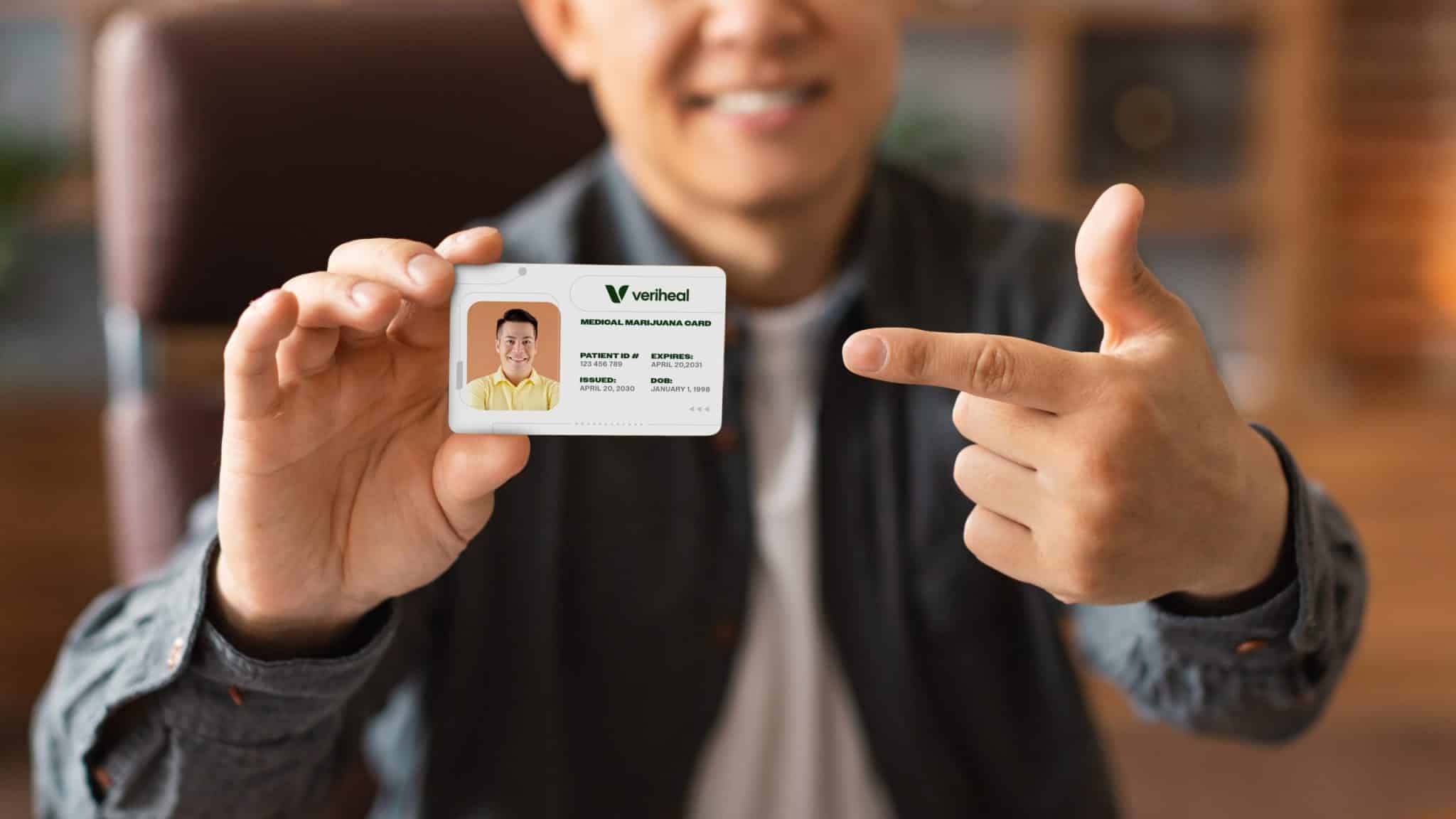
Looking for a clear path to your medical cannabis card? Here’s a plain-English guide to the medical marijuana card requirements, the qualifying conditions, what a medical marijuana evaluation looks like, and how telemedicine fits in. Use this as your roadmap, whether you’re starting from scratch or switching from recreational to medical for better access and savings.
What Are The Requirements to Qualify for a Medical Marijuana Card?
While qualifications for medical marijuana cards vary by state, most programs ask for the same core items:
- Residency & ID: State driver’s license or ID (some accept passports + proof of address).
- Age: 18+ in most states; minors must apply through a parent or guardian.
- Qualifying condition: Listed by the state (or physician discretion in a few programs).
- Medical marijuana doctor certification: A licensed, state-registered clinician must recommend/certify you (they don’t “prescribe”).
- State application & fee: Upload documents to the state portal and pay the application fee.
- Renewal: How long your medical marijuana card lasts depends on your state of residency, though most states’ cards last for 1-2 years.
The table below outlines each required item and provides tips on how to use them when applying for your medical card.
| Requirement |
What it means |
Tips |
| Proof of residency |
Identification that you live in your state (ID, approved mail, etc.) |
Match the address on your ID and application |
| Government ID |
DL/ID or passport (+ proof of address) |
Scan both sides if uploading to an online application |
| Qualifying condition |
Diagnosed condition(s) recognized by the program |
Bring recent medical records to your evaluation |
| Doctor certification |
State-registered MD/DO/NP/PA signs your recommendation |
Ask about dosing, product types, and follow-up |
| State fee |
Paid to the state program |
Check your state’s site to see if they offer discounts for Medicaid/Veterans |
Which Health Conditions Make You Eligible for a Medical Marijuana Card?
Each state has its own list of qualifying conditions for medical marijuana certification. While each list differs state-to-state, common qualifying conditions include:
Note: Not all states list the same diagnoses. A few programs allow physician discretion for conditions with similar severity when standard therapies haven’t worked.
Do Medical Marijuana Qualification Rules Differ by State?
Yes, because cannabis is not legal on a federal level, the states have the right to set their own rules for their medical marijuana program. Because each state differs significantly, it’s important to familiarize yourself with your state’s laws. Before starting the application for your medical marijuana card, make sure you check the following:
- Conditions that qualify patients for medical cannabis in your state
- Products and formulas available in your state (e.g., flower, oils, capsules, tinctures, topicals; some restrict smoking)
- Purchase/possession limits and home grow rules
- Card format (digital vs. physical) and fees
- Telemedicine availability and in-person exam requirements
- Always check your state medical marijuana program page before you apply.
To check your state’s laws, visit our Apply For Your Medical Marijuana Card page and select your state from the dropdown menu. There, you’ll find all the details of your state’s program.
How Can a Certified Doctor Help You Qualify for a Medical Marijuana Card?
Yes, to apply for a medical marijuana card, you’ll need approval from a certified doctor. When you decide to apply for your card, the first step is making an appointment to meet with a medical marijuana doctor in your state. This appointment can be in-person or through telemedicine if your state allows.
At this appointment, you’ll discuss your medical history and current symptoms with your practitioner. Your practitioner can then issue your approval for medical marijuana use and answer any questions you have about cannabis for your unique medical needs, including best practices for formulations, CBD:THC ratios, frequency of use, and other personalizations for your cannabis routine.
Your practitioner will ask about any prior strategies or treatments you’ve used for your chronic condition and review your medical records. While discussing your medical history with you, your practitioner will examine your current prescription medication routine and provide guidance on safe dosing, benefits/risks, and any potential interactions with cannabis.
Depending on your state’s process, your doctor will either provide written certification to include with your application or contact the state directly with your approval. Through Veriheal, if you’re not approved for a medical cannabis card, you’ll receive a refund of your initial appointment fee.
Can You Qualify For Medical Marijuana Online Through Telemedicine?
Many states allow patients to qualify for medical marijuana online through telemedicine. If your state allows telemedicine for medical cannabis appointments, you can complete your online doctor evaluation via secure video.
A few states still require an in-person exam (or an in-person first visit, with telemedicine for renewals). However, in both cases, you can typically complete your medical card application for state registration online and pay the state’s fee if applicable.
Frequently Asked Questions
What age do you need to be to qualify for a medical marijuana card?
Most states require individual applications to be 18 years-old or older. Minors can qualify through a parent/guardian caregiver process with added safeguards.
Can minors apply for a medical marijuana card with parental consent?
Yes, minors can apply for a medical marijuana card in most states with a designated caregiver. Caregiver qualifications and applications differ by state.
What medical documents are required to prove eligibility?
To prove eligibility for medical marijuana to your state, you’ll need written documentation from a certified medical cannabis doctor.
Can I qualify for a medical marijuana card if I take prescription medication?
Yes, you can qualify for a medical marijuana card if you take prescription medication. During your appointment with your practitioner, make sure to disclose all current medications. Your doctor can help you determine if it’s safe to add cannabis to your current wellness regimen and inform you about the potential risks or drug interactions.
Do I need a specific diagnosis to qualify for a medical marijuana recommendation?
Most state programs specify a set list of qualifying conditions for medical marijuana card approval. Some states allow doctor discretion for conditions not explicitly listed.
Can I complete the medical marijuana qualification process online?
Many states allow telemedicine for medical marijuana card approval appointments. Some states require in-person appointments, and some others require in-person appointments for initial consultations while allowing telemedicine for renewals.
How long does it take to get approved for a medical marijuana card?
Depending on the state where you’re getting your medical marijuana card, approval can range from same-day digital approvals to a few weeks to process your state application. Once your application is approval, some states send you a digital medical card, while others require physical documentation and medical marijuana dispensaries. In some cases, states will send a temporary paper card to use while the physical card in on the way.
Do requirements differ between medical and recreational marijuana states?
Yes, requirements for medical and recreational cannabis differs between states. Because cannabis is not yet federally legal, states determine their qualifying conditions, tax rates, purchase and possession limits, and which cannabis products are legal.
What should I expect during a medical marijuana doctor evaluation?
During your medical marijuana evaluation, your doctor will review your current condition and medical history to determine your eligibility for your state’s medical card program. Your practitioner can also answer any questions you may have about using cannabis for your unique medical needs.
Can non-residents or temporary visitors qualify for a medical marijuana card?
In some cases, non-residents can apply for a temporary medical marijuana card prior to visiting. In other cases, states offer reciprocity, allowing medical marijuana patients in neighboring states to use their states’ med cards.