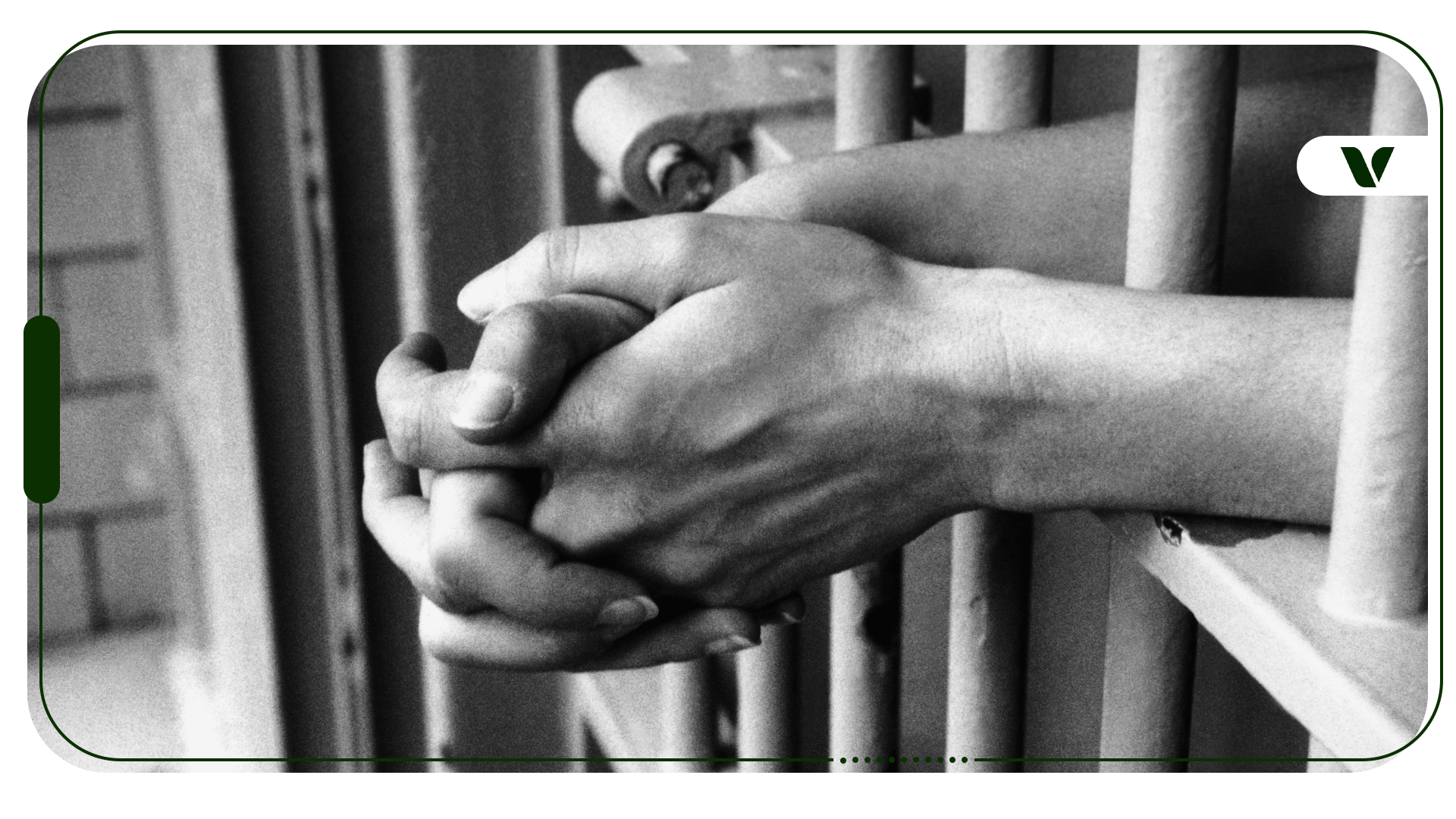
Tens of thousands of people remain incarcerated for marijuana offenses in the United States right now, even as more states continue to legalize cannabis for recreational and medical use. Legalization does not automatically free the people who were convicted under the laws that came before it, and that gap between legal progress and human reality is where this article begins.
Is Anyone Still in Jail for Weed?
Yes, people are still in jail and prison for marijuana offenses across the United States in 2026. “Jail” and “prison” refer to different stages of the legal system: jail typically means a county or local facility holding people before trial or serving short sentences, while prison refers to state or federal facilities holding people under longer, sentenced terms. Both categories include people whose offenses were marijuana-related. Some are awaiting trial on current charges in states where cannabis remains illegal.
Others are serving sentences handed down years or decades ago, in some cases for conduct that is now entirely legal in the state where it occurred. The clearest honest answer to this question is that the number is significant, it is not tracked with precision at the federal level, and the people behind those numbers have not benefited from the same legalization wins that now allow others to buy cannabis at a licensed dispensary.
We Don’t Know Exactly How Many People Are in Prison for Weed
The most widely cited estimate comes from the Last Prisoner Project, which calculated in 2021 that approximately 32,000 people remain incarcerated in the United States on cannabis-related charges: roughly 22,000 in state prisons and 10,000 in federal facilities. That figure is an estimate, not an official count, and the distinction matters.
The reason there is no definitive number is structural. The federal Bureau of Justice Statistics does not require states to report drug-offense incarcerations broken down by specific substance, which means cannabis convictions are folded into broader drug offense categories with no easy way to isolate them. The Last Prisoner Project’s 2021 methodology worked backward from BJS aggregate data to produce its estimate, but different methodologies produce different results, and no federal agency publishes a real-time count of marijuana prisoners.
Why There’s No Official Count
No federal reporting requirement exists that compels states to track or disclose how many incarcerated people are serving time specifically for marijuana offenses. State prison systems report broad drug offense data to the Bureau of Justice Statistics, but cannabis is not separated from other controlled substances in that reporting. This means the true number of cannabis prisoners is genuinely unknown, not merely unreported. Advocates have called for mandatory disaggregated reporting for years, but no such requirement has been enacted at the federal level.
Marijuana Arrests Have Always Targeted Black and Brown Communities
The racial disparity in marijuana enforcement is not a side effect of drug policy. It was written into the framework from the beginning. Harry Anslinger, the first commissioner of the Federal Bureau of Narcotics, explicitly used racial fear as the political justification for federal prohibition in the 1930s, and that original targeting has shaped marijuana arrests and incarceration patterns ever since. Cannabis use rates are broadly similar across racial groups, yet the consequences of that use have never been distributed equally.
The American Civil Liberties Union (ACLU) has extensively documented three faces of racial profiling. According to ACLU data, Black Americans are 3.73 times more likely to be arrested for marijuana possession than white Americans, despite comparable usage rates. That is the national average, and in many jurisdictions the disparity is far worse.
The Numbers Behind the Disparity
The ACLU’s arrest data shows that the disparity between Black and white marijuana arrest rates varies significantly by jurisdiction, with some counties reporting ratios that far exceed the national figure:
- In some jurisdictions, Black Americans are arrested for marijuana possession at 8 to 10 times the rate of white Americans in the same area.
- These arrest disparities compound over time: higher arrest rates lead to more convictions, longer sentences, and greater representation among people who are still incarcerated today.
- The racial composition of the cannabis-prisoner population reflects decades of unequal enforcement, not differences in cannabis use.
- Understanding Schedule I drugs helps clarify why marijuana’s federal classification has provided the legal architecture for these enforcement patterns to persist.
Who gets policed for marijuana, and who gets to legalize it and profit from it, reflects marijuana legalization as a racial justice issue, a system that has never applied its own rules equally.
What Has the Federal Government Done for Cannabis Prisoners?
Federal action on cannabis incarceration has been limited in scope and effect, even when it has been politically significant. The most visible intervention came from President Biden, but understanding what it did and did not accomplish requires looking at the specifics.
Biden’s Federal Pardons
In October 2022, President Biden issued a proclamation granting a pardon to individuals convicted of simple marijuana possession under federal law. The announcement was historic in symbolic terms. In practical terms, its direct impact on incarceration was minimal because virtually no one in the federal prison system was serving time for simple possession alone at the time the pardon was issued. Federal marijuana convictions typically involve distribution, trafficking, or conspiracy charges, none of which were covered.
What the Pardons Didn’t Cover
The 2022 pardon proclamation did not apply to:
- Distribution or trafficking convictions, which represent the vast majority of federal marijuana sentences.
- State convictions, which account for the approximately 22,000 people in state prisons included in the Last Prisoner Project’s estimate.
- People convicted of marijuana offenses in combination with other charges.
- People serving sentences under mandatory minimum laws, where executive clemency does not automatically reduce or eliminate the term.
This is why the 32,000 estimate has not meaningfully changed in the years since Biden’s announcement. The pardons addressed a narrow category that affected relatively few currently incarcerated people.
Where Federal Reform Stands in 2026
The Drug Enforcement Administration (DEA) has proposed reclassifying marijuana from Schedule I to Schedule III under the Controlled Substances Act. Rescheduling would have significant implications for the cannabis industry, research access, and taxation, but it would not automatically release anyone currently incarcerated for a marijuana offense.
Criminal convictions under prior law would remain in place. Congressional legislation that would more directly address cannabis incarceration, including expungement and resentencing provisions, has stalled repeatedly. The legislative status of these bills changes frequently. Verify current bill status before publishing this article.
State-Level Pardons and Resentencing Efforts
Several states have moved more aggressively than the federal government to address the dissonance between state and federal marijuana policies on cannabis convictions. Illinois, California, Colorado, and Virginia are among the states that have implemented automatic expungement programs for certain marijuana convictions, though the scope, speed, and eligibility criteria vary considerably. Resentencing, which involves reviewing active prison terms rather than just clearing prior records, is a distinct policy tool that covers people who are still incarcerated, and fewer states have enacted it with meaningful reach.
The gap between a pardon, which forgives a conviction without erasing it, and expungement, which seals or destroys the record, matters enormously for the people affected. Someone with an expunged record can legally deny the conviction on a job or housing application. Someone with a pardon cannot. The legal framework governing when police can search your car also intersects with this issue, since marijuana odor has historically been used as probable cause in states where cannabis is now legal, a tension that state courts are still working through.
What Is the Longest Sentence Someone Has Received for Weed?
Marijuana sentences have, in documented cases, reached decades or even life in prison. These outcomes were made possible by mandatory minimum sentencing laws, three-strikes statutes, and the Schedule I classification of cannabis, which placed marijuana in the same legal tier as heroin and above substances with recognized medical use. Under mandatory minimum frameworks, judges had limited discretion: a certain quantity of marijuana triggered a floor sentence that could not be reduced regardless of individual circumstances.
The Last Prisoner Project has documented constituent cases in which individuals received sentences of 20 years or more for marijuana offenses, primarily distribution or conspiracy convictions. These sentences were not unusual under the sentencing guidelines of the 1990s and 2000s. The same conduct that now generates legal business revenue in licensed dispensaries across more than 20 states was treated as equivalent to serious violent crime in federal and state courts.
The contrast between who is building cannabis businesses today and who is still incarcerated for marijuana is one of the starkest inequities in the current legal landscape. It is also a direct reason why the US government holds a cannabis patent matters as a point of legal and moral tension: the same federal government that has patented cannabis compounds has used the Schedule I classification to imprison people for decades.
Who Is Fighting for Cannabis Prisoners Right Now?
Several organizations are doing active, structured work to support people who remain incarcerated for cannabis offenses. The most focused of these is the Last Prisoner Project, which operates at the intersection of policy, legal intervention, and direct constituent support. The ACLU’s marijuana law reform project has been a primary source of arrest data and a litigant in cases challenging racially discriminatory enforcement. The Drug Policy Alliance has pushed for federal and state legislative reform, including expungement provisions and mandatory resentencing review.
What the Last Prisoner Project Does
The Last Prisoner Project focuses its work in three areas:
- Policy advocacy: Pushing for legislation at the state and federal level that would require resentencing reviews and automatic expungement for cannabis convictions.
- Legal intervention: Providing direct legal support to incarcerated individuals pursuing clemency, resentencing, or appeal.
- Constituent support: Connecting currently incarcerated people and their families with resources, reentry planning, and community networks.
These are not symbolic programs. They represent the operational infrastructure that turns policy wins, when they happen, into actual releases and record clearances for people who are still locked up.
What Can You Do to Support Cannabis Prisoners?
Supporting cannabis prisoners does not require a legal background or a platform. The organizations named above accept donations, volunteers, and advocates who are willing to contact their elected representatives about pending legislation. If you live in a state where cannabis is now legal, contacting your state legislators about expungement and resentencing programs is a direct, concrete action.
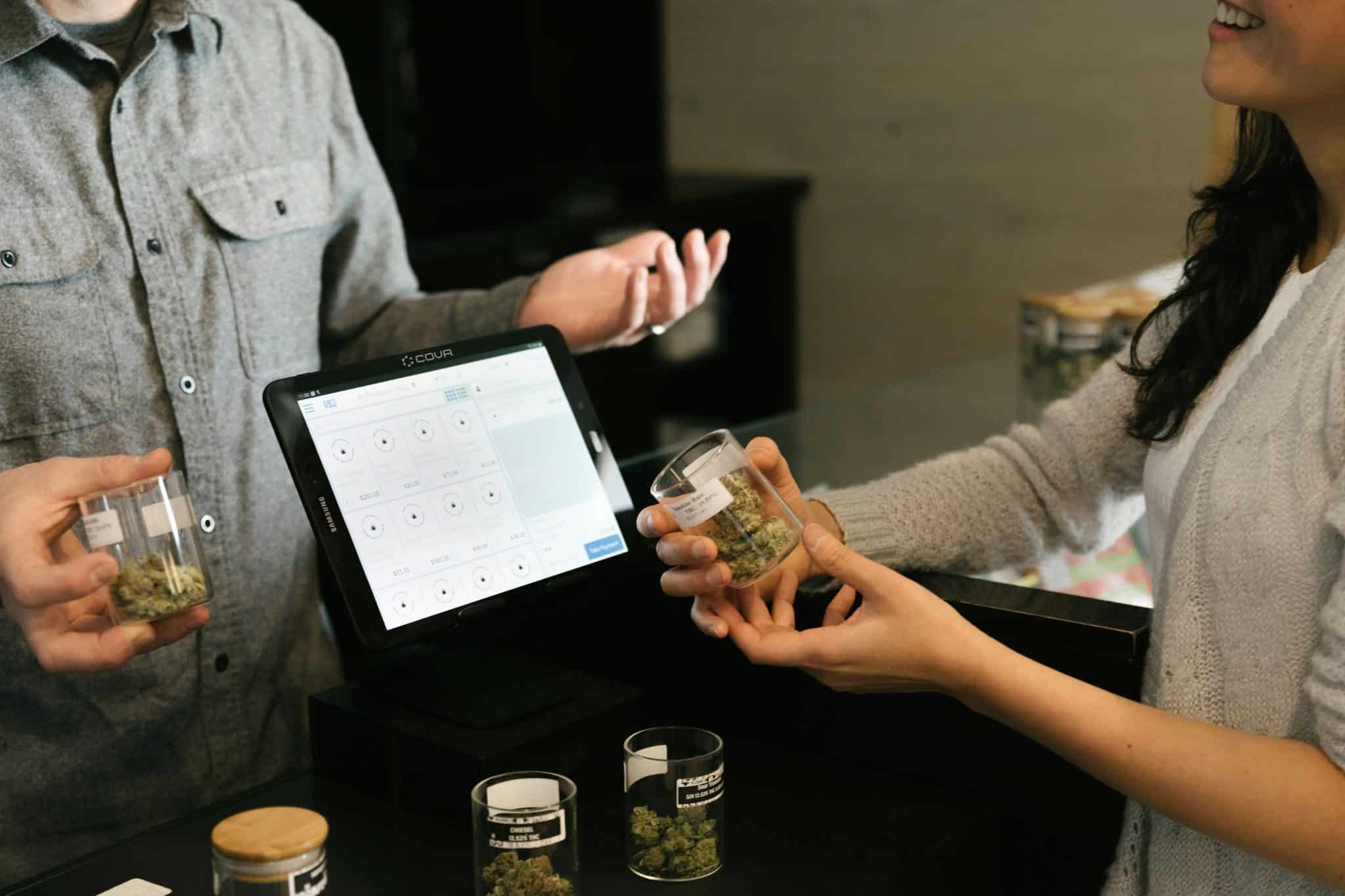
Applying for a medical marijuana card in your state is itself a form of participation in a legal market that exists partly because of the advocacy of people who were willing to push against prohibition. The people still incarcerated for marijuana do not have that option. The least the rest of us can do is make sure they are not forgotten while we use it.
Note: The content on this page is for informational purposes only and is not intended to be professional medical advice. Do not attempt to self-diagnose or prescribe treatment based on the information provided. Always consult a physician before making any decision on the treatment of a medical condition.
Note: Veriheal does not support illegally consuming therapeutic substances such as cannabis but acknowledges that it transpires because of the current illicit status, which we strive to change by advocating for research, legal access, and responsible consumption. Always consult a physician before attempting alternative therapies.
If you are ready to participate in the legal cannabis system and want to understand your options, speak with a Veriheal cannabis doctor today.
Frequently Asked Questions
Is anyone still in jail for marijuana in 2026?
Yes, people are still in jail and prison for marijuana offenses in the United States in 2026. The Last Prisoner Project estimates approximately 32,000 people remain incarcerated on cannabis-related charges across state and federal facilities. Legalization at the state level does not automatically free people serving sentences handed down before those laws changed.
How many people are in prison for weed in the US?
The Last Prisoner Project’s 2021 estimate puts the number at approximately 32,000 people, with around 22,000 in state prisons and 10,000 in federal facilities. There is no official federal count because the Bureau of Justice Statistics does not require states to report marijuana incarcerations separately from broader drug offense categories. This means the real figure could be higher or lower than the estimate.
Did Biden’s pardon free cannabis prisoners?
President Biden’s 2022 pardon proclamation covered simple marijuana possession under federal law, but it did not result in the release of significant numbers of currently incarcerated people. Almost no one in the federal prison system was serving time solely for simple possession at the time, and the pardon did not apply to distribution, trafficking, state convictions, or mandatory minimum sentences.
Are Black Americans arrested more for marijuana than white Americans?
Yes. According to ACLU data, Black Americans are 3.73 times more likely to be arrested for marijuana possession than white Americans, despite similar usage rates across racial groups. In some jurisdictions, the disparity reaches 8 to 10 times the arrest rate, making race one of the strongest predictors of marijuana enforcement outcomes in the United States.
What is the longest sentence someone has received for marijuana?
Sentences of 20 years or more have been documented for marijuana offenses, primarily distribution or conspiracy convictions under mandatory minimum sentencing laws. Life sentences have also been handed down in cases involving large quantities or repeat offenses under three-strikes statutes. The Last Prisoner Project has catalogued cases of individuals serving decades-long terms for marijuana conduct that is now legal in multiple states.
Author, Share & Comments