Your medical cannabis journey simplified: find partnered dispensaries, explore pricing options, earn rewards, and get answers to FAQs, all in one spot.
February 10, 2026 03:54 pm ETEstimated Read Time: 5 Minutes
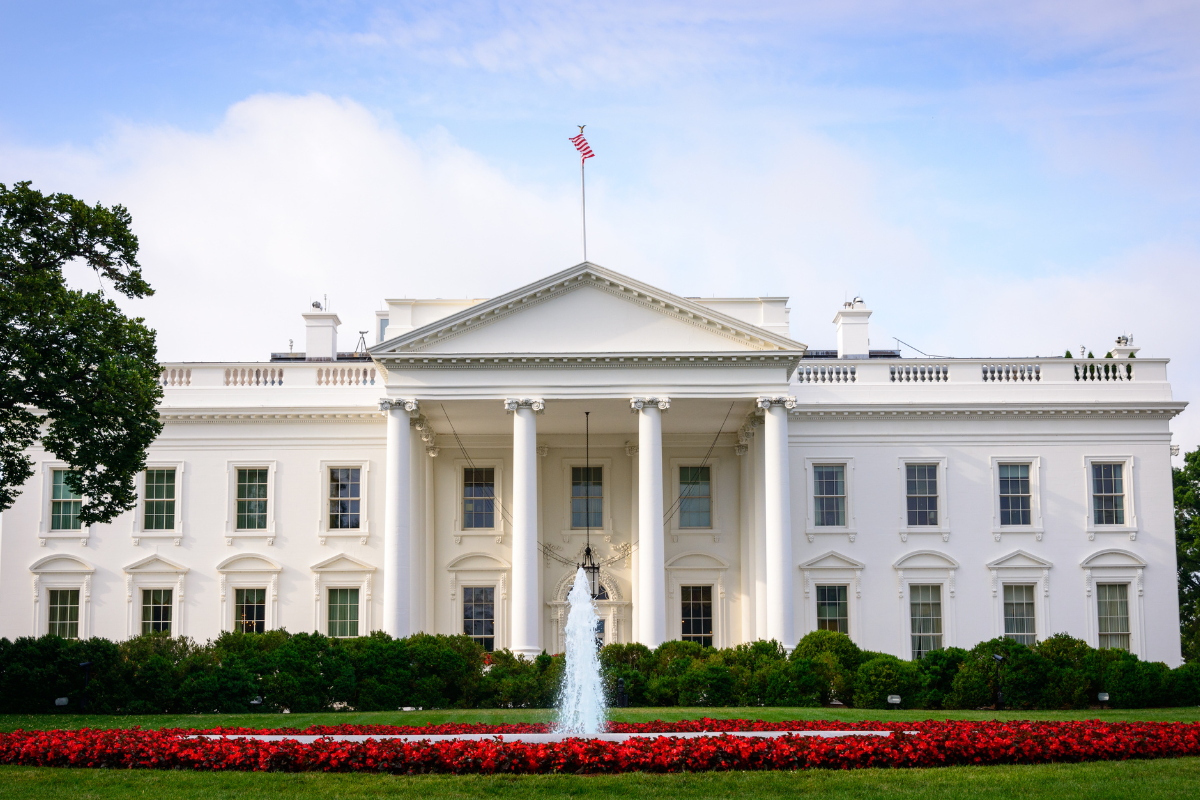
Late last year, language banning the majority of hemp-derived THC products on the market was tucked into a spending bill signed off on by Trump. The bill passed after the longest government shutdown in history. While many people were glad to see the government return to action, many others feared for their businesses, livelihoods, and access to medication.
The hemp ban threatens a $28 billion industry that employs more than 300,000 people. Under the ban, most of the hemp-derived THC products would disappear from the market. While there are plenty of good arguments for better regulations for these products (which are federally legal to sell because of a loophole created in the 2018 Farm Bill), many people rely on these products for medicine. After all, hemp-derived THC products are abundant in places without state-legal cannabis markets.
We’ve heard a lot from worried business owners expressing concern about their future under this ban, including quotes like:
“We will likely need to pivot to something completely different or just shut down altogether,” said Megan Prolle, co-founder of Yonderbound, a hemp-derived cannabis brand based out of Iowa.
“When you immediately take away a third of someone’s business, how do you expect the business to survive?” asked Drew Schulte of Cappy’s Norwood, an Ohio-based bottle shop that gets about 28% of its income from THC beverage sales.
While the ban will surely have devastating effects on business owners, patients who rely on hemp-derived cannabis products as medicine will also face devastating consequences.
Patients React to the Hemp Ban
In one report by Tennessee-based WBIR Channel 10, a Gulf War veteran spoke about his experience with post traumatic stress disorder (PTSD).
“Since I started using the THCA (tetrahydrocannabinolic acid), it was 50% better,” he told reporters. “I can’t really describe to you how important it is to me and how much relief I feel from it…Nobody should have to become a criminal just to get the medications that they need, the things that improve their quality of life.”
Retired veteran and Legislative Chairman for the Texas Department of the VFW, Mitch Fuller, told reporters from KWTX News10, “I’m 58 years old, so just for basic aches and pains, a hemp roll-on on my knees, my back, my shoulders, my neck, and half of a 10 mg gummy, or sometimes a full 10 mg gummy. I’m not getting high. Nothing could be further from the truth. What’s getting us high, what’s poisoning us, are the pills. A lot of times, the pills will facilitate alcohol abuse. [The ban] is a serious threat to our physical and mental health.”
See If You Qualify For Medical Marijuana -Select Your State!
Select Your State
Alabama
Alaska
Arizona
Arkansas
California
Colorado
Connecticut
Delaware
Florida
Georgia
Hawaii
Idaho
Illinois
Indiana
Iowa
Kansas
Kentucky
Louisiana
Maine
Maryland
Massachusetts
Michigan
Minnesota
Mississippi
Missouri
Montana
Nebraska
Nevada
New Hampshire
New Jersey
New Mexico
New York
North Carolina
North Dakota
Ohio
Oklahoma
Oregon
Pennsylvania
Rhode Island
South Carolina
South Dakota
Tennessee
Texas
Utah
Vermont
Virginia
Washington
West Virginia
Wisconsin
Wyoming
Never miss a post
Get updates on cannabis culture, new research, and expert insights
In a report from a West Virginia news outlet, Dr. David Hamilton, a naturopathic doctor who recommends CBD to patients, expressed concern about the future under the hemp ban.
“Typically, I would use it for nerve pain. I used it a lot for veterans or anybody who has missing limbs, because it helps with phantom limb pain. I also use it for sleep and anxiety; those two go hand-in-hand a little bit,” he told the outlet, adding that he also recommends products for families with children with developmental disabilities. “Especially for seizure disorders. For cerebral palsy, I would use it because it can help relax the muscles a little bit with certain strains. For kids with autism, it can help with self-deprecating behavior, especially kids who are hitting themselves and doing those kinds of behaviors; it can calm some of that down.”
In a Reddit thread in a community for chronic pain, many users shared their reactions to the impending hemp ban. Here are some notable comments:
“I’ve just started sometimes using .5% THC gummies I think is what it is. We are all legal here. A family member got it for me, my back to (sp) screwed up to drive. He said that’s the lowest concentration they sell. They want to ban that?”
“So many people and veterans who use this for thare (sp) ptsd and anxiety are going to be in so much pain and suffering.”
“I’m at the very end of Boomer and Generation Jones. I want my weed for pain and fun and my gummies for anxiety and pain.”
How Will Patients Get Their Medicine Under the Hemp Ban?
While many businesses and patients expressed concern over the upcoming hemp ban, others expressed optimism that new rules will come into play before the ban goes into effect. Lots of people agree that hemp-derived cannabis products need more regulations, but few want to see the industry go away entirely.
Right now, it’s up in the air how patients will get their medicine. Some people who shared their experiences with reporters said that they are considering moving to a state where cannabis is legal. However, that’s not an option for many patients who need to access medicine where they currently live.
Many hemp industry players expect to see an increase in people purchasing cannabis products from the black market after the hemp ban takes effect.
Chris Karazin, who manufactures and sells consumable hemp products, told reporters, “It’s not like people aren’t still going to go looking for this product. You just now force it to the black market.”
We will have to see how the hemp ban plays out. While we don’t know exactly how it will look or if lawmakers will propose new regulations, we do know that a lot of people are currently concerned about their future. Business owners whose livelihoods depend on the hemp industry are now faced with huge decisions regarding the future of their businesses. Patients are also facing bracing to lose access to products that improve their quality of life without putting them in any legal danger.
Macey is a freelance writer from Seattle. She's covered the cannabis industry extensively, emphasizing the economic opportunities for Indigenous entrepreneurs. Her writing focuses on the people, stories, and labors of love behind every venture.
Oklahoma’s advertised $25 medical marijuana card renewal covers the physician evaluation, but patients must also pay a separate OMMA license fee. This guide explains the full renewal cost, reduced-fee eligibility, required documents, online renewal steps, processing times, and the new physician recommendation requirement.
Oklahoma’s medical-only dispensary market gives licensed patients access to a wide range of cannabis products, but every purchase must follow OMMA rules. This guide explains how to find licensed dispensaries, what identification to bring, purchase and possession limits, product testing, pricing, and what to expect during a visit.
An Oklahoma medical marijuana card provides legal protection under state law, but it can still affect employment, commercial driving, firearms, privacy, and federally regulated situations. This guide explains the main consequences to consider before applying, including workplace drug testing, CDL rules, insurance, housing, and registry privacy.
Getting a medical marijuana card in Oklahoma can be completed online, with no specific qualifying condition required for adult applicants. This guide covers eligibility, telehealth evaluations, required documents, OMMA application steps, fees, processing times, and what patients can do once approved.
A same-day telehealth appointment in Oklahoma can get you a physician recommendation quickly, but OMMA still needs to process your medical marijuana license application. This guide explains the timeline, required documents, costs, and when you can legally visit a dispensary while waiting for the physical card.
The statements made regarding cannabis products on this website have not been evaluated by the Food and Drug Administration (FDA). Cannabis is not an FDA-approved substance and is still illegal under federal law. The information provided on this website is intended for educational purposes only and is not intended to diagnose, treat, cure, or prevent any disease. It is not intended as medical advice and should not be considered as a substitute for advice from a healthcare professional. We strongly recommend that you consult with a physician or other qualified healthcare provider before using any cannabis products. The use of any information provided on this website is solely at your own risk.