Your medical cannabis journey simplified: find partnered dispensaries, explore pricing options, earn rewards, and get answers to FAQs, all in one spot.
July 23, 2025 11:25 am ETEstimated Read Time: 16 Minutes
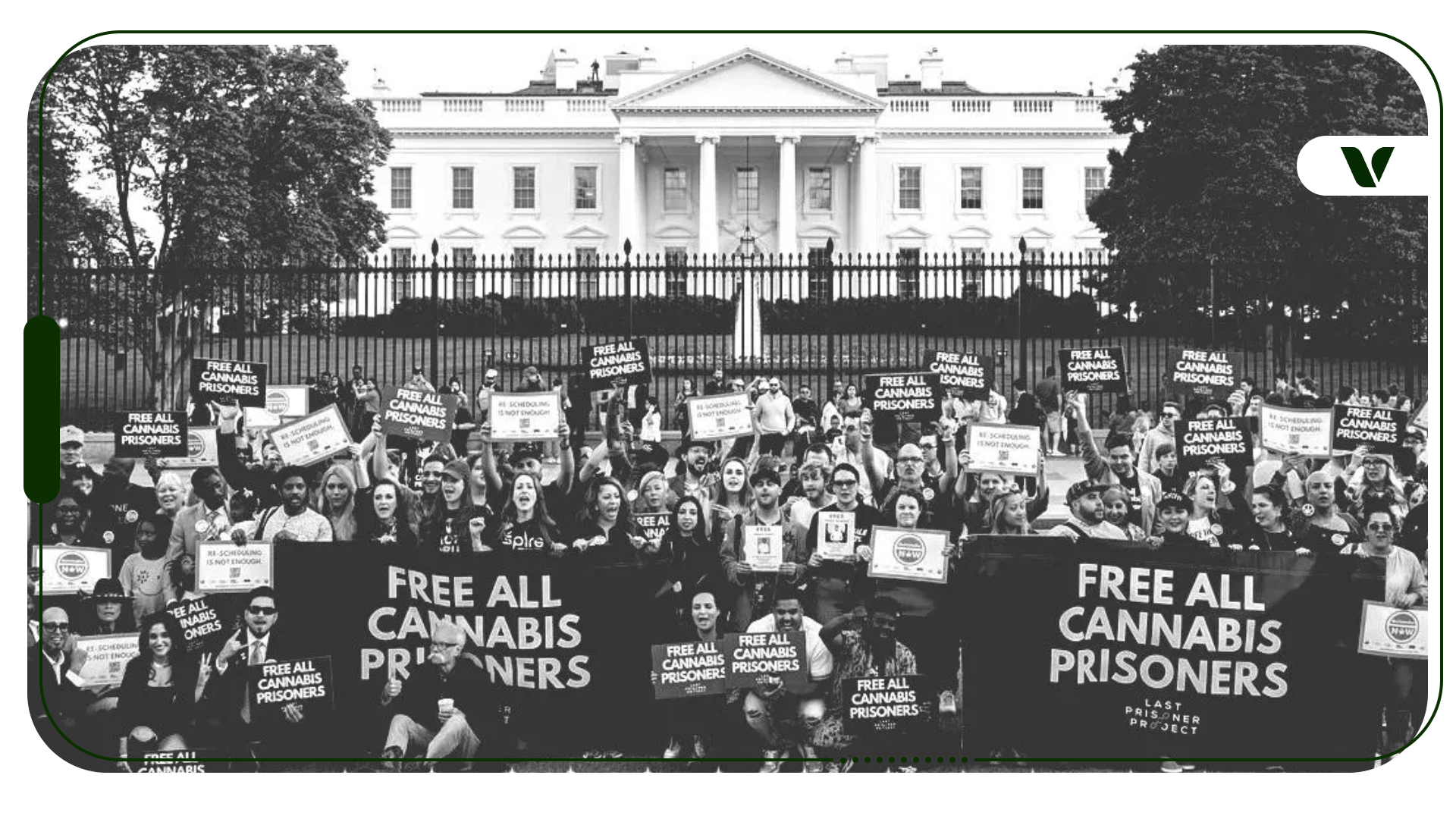
Every July, Americans come together to celebrate independence. This year, Veriheal teamed up with The Last Prisoner Project to examine this concept, asking ourselves: what does independence look like in our industry?
With over 200,000 cannabis arrests still occurring each year and thousands behind bars for the very product that makes others billions in revenue, “freedom” is a contradictory concept. While industry professionals claim cannabis as a “post-advocacy” industry, many are still suffering, waiting for the justice system to catch up.
Combatting the belief that we work in a post-advocacy industry, the Last Prisoner Project maintains urgency toward cannabis advocacy. Their policy team has helped facilitate approximately 250,000 cannabis pardons. Simultaneously, the organization has matched upwards of 250 constituents with pro bono representation, working with 60 law firms and saving their constituents from close to 400 years of excessive sentencing.
Since their inception, they’ve distributed over $3.7 million in re-entry grants, commissionary support programs, and other constituent services. And, perhaps most importantly, while the rest of the nation may see cannabis prisoners as statistics, the Last Prisoner Project sees their constituents’ individuality, each unique story contributing to a striking picture that displays the urgency of advocacy — now more than ever.
With the help of the Last Prisoner Project, Veriheal seeks to elevate these individual voices.
Individuals Incarcerated For Cannabis Answer: What Would Justice Look Like?
The following testimonies come from six individuals incarcerated for cannabis-related convictions. Sentences range from 17 years to life in prison, and each story shines light on corruption and discrimination in the United States prison system. Partnering with the Last Prisoner Project, Veriheal asked these six men how they would define justice years into their sentences.
Hector Ruben McGurk: “The oath to tell the truth should carry real weight in the pursuit of justice.”
Hector Ruben McGurk | Photo courtesy of Last Prisoner Project’s Letter Writing Guide
Hector Ruben McGurk is serving a sentence of life without parole for a nonviolent cannabis offense. Hector was first tried for this offense in 2002. His first trial ended with a hung jury. When federal prosecutors tried him a second time for this nonviolent marijuana offense, he was convicted to life in federal prison — where he has already served close to twenty years and will die if he does not receive a commutation for his sentence.
McGurk is serving his sentence in a prison in California, a state that operates one of the most lucrative cannabis markets and has a long-standing reputation for cannabis acceptance. But while the hype cannabis brands are profiting, McGurk sits behind bars for the very act these brands built their businesses on.
“Most inmates and staff who interact with me are surprised by my demeanor and social skills, especially considering I’m serving a life sentence for cannabis,” McGurk shared. “What often surprises people even more is my willingness to help others and offer thoughtful advice to those who seek it.”
Despite serving a life sentence, McGurk has zero security points and is classified as minimum risk for recidivism. But while the security guards know McGurk’s kind demeanor and McGurk knows he’s not the man his Pre-Sentence Investigation (PSI) report makes him out to be, he’s stuck in prison, awaiting systemic change.
“The person I’ve always been is clearly reflected in my prison record—but not at all in my PSI report. If you placed the two side by side, it would seem like they describe two entirely different people. Unfortunately, federal courts rely heavily on PSI reports when determining sentences, even when those reports fail to reflect who we truly are,” McGurk shared.
“Justice, to me, would mean a truly fair federal trial process—one where the courts do not allow the intentional use of misleading or false information, including in Pre-sentence Investigation reports PSI, to distort the outcome. In conspiracy cases, circumstantial evidence should be backed by tangible proof—not just the testimony of government cooperating witnesses who have something to gain, especially when the consequences can be decades-long sentences. The oath to tell the truth, sworn on the Bible by witnesses and federal agents alike, should carry real weight in the pursuit of true justice.”
Rafael Hernandez-Carillo: “A life spent in prison for a non-violent marijuana offense—that’s not just lost, it’s stolen”
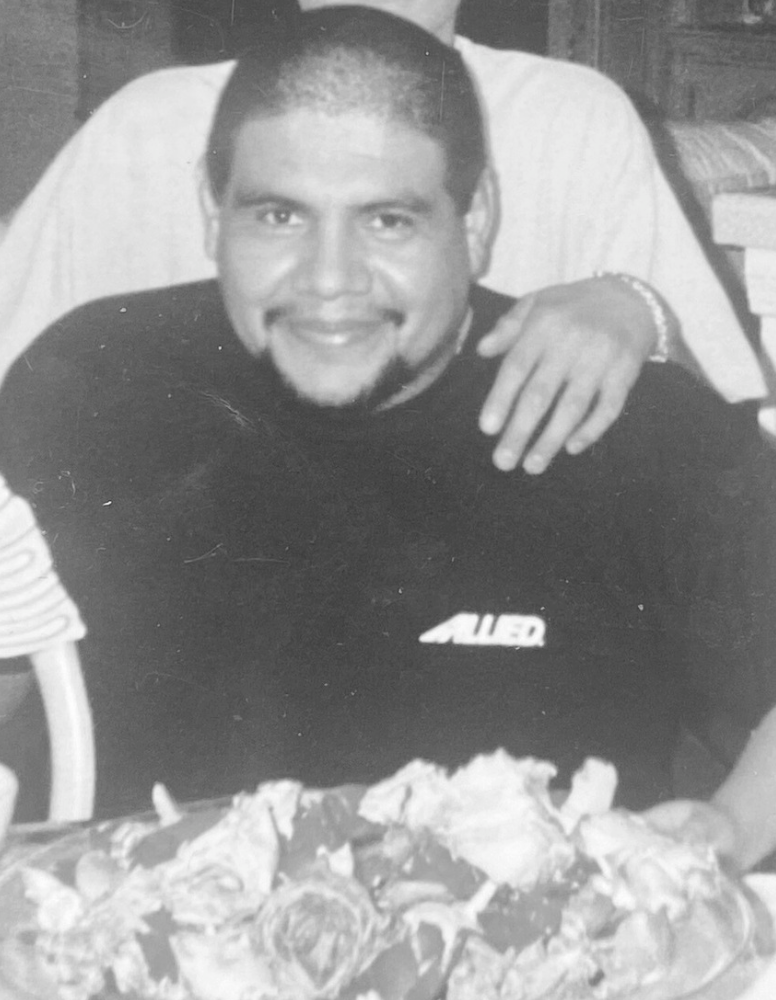
Rafael Hernandez-Carillo | Photo courtesy of Last Prisoner Project’s Letter Writing Guide
Rafael Hernandez-Carillo is 17 years into a life sentence for cannabis. He is serving that sentence in a maximum-security federal prison in California — a state that now boasts one of the most profitable cannabis markets in the country. Like so many others, Hernandez-Carillo began using cannabis long before legalization. And like many who entered the cannabis business during prohibition, he did so to support his family. But today, while CEOs are celebrated for distributing the same plant, Hernandez-Carillo sits behind bars for life.
Hernandez-Carillo’s understanding of cannabis has evolved during his sentence. He’s seen how the plant has helped people in pain, offering an alternative to opioids and a tool for healing. He wishes his own involvement could have contributed to that change.
“Even 17 years ago, it was hard for me to see marijuana as a drug. I could see the countless benefits that it provided to so many people,” he wrote. “When I think about what justice would look like in my life, it stirs up so many thoughts, feelings, and deep emotions,” he wrote. “I know that I broke the law. I wish I could say my involvement was completely altruistic, but I can’t. I sold marijuana to support my family. At the time, I didn’t see marijuana as a dangerous drug—but I also didn’t understand the healing power it truly holds.”
He doesn’t deny responsibility for his actions. But he also doesn’t deny the painful contradiction between his reality and the new legal landscape.
“I understand that some punishment was warranted. But as I write this, I’ve served 17 years in a maximum-security federal prison for my involvement in a business that’s now completely legal. I’ve been away from my family for 17 years. My children now have children of their own, and I haven’t been there for any of it. That’s 17 years of missed birthdays, Christmases, and milestones.”
While incarcerated, Hernandez-Carillo has spent every day surrounded by violent offenders, witnessing trauma he can’t unsee and suffering losses that can’t be reclaimed.
“The pain, the anxiety, the depression I’ve endured — and still endure every day — can’t be erased. And when I try to imagine what could possibly make up for all of that, I come up blank. I’ve lost an entire lifetime. What’s hardest is opening a magazine like Entrepreneur and seeing so-called ‘pioneers’ of the cannabis industry being praised for doing exactly what I’m serving a life sentence for. That’s a hard pill to swallow.”
What’s more, Hernandez-Carillo’s story isn’t unique. There are still countless nonviolent cannabis prisoners serving excessive sentences for actions that have now been legalized and monetized. As he put it, “The fact that people are still in prison for marijuana proves how far we still have to go.”
“Nothing can give me back the time I’ve lost. But being allowed to go home to my family would be a good place to start. It might not be full justice, but if I can be there for my grandchildren in ways I couldn’t be for my kids, that would be a blessing.”
He’s not sure who will read his story or whether it will reach the people who need to hear it most. But he shares it anyway, in the hopes that it can bring change.
“A life lost behind bars is a tragedy,” Hernandez-Carillo wrote. “But a life spent in prison for a non-violent marijuana offense—that’s not just lost, it’s stolen.”
David Tachay Heard: “For me, justice would mean immediate release and accountability for those who cared more about conviction rates than truth, justice, or innocence.”
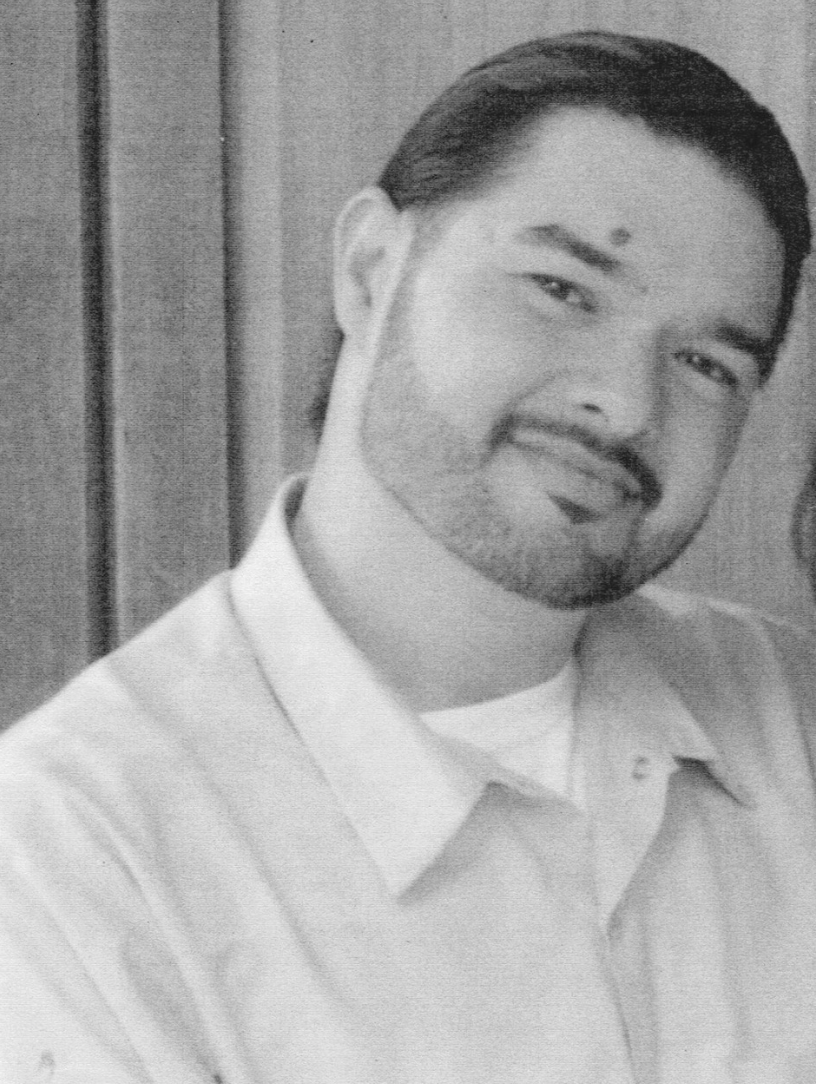
David Tachay Heard | Photo courtesy of Last Prisoner Project’s Letter Writing Guide
David Tachay Heard is serving a 33-year federal sentence for less than an ounce of cannabis (26.5 grams, specifically) and a firearm found in a ditch. The charges stem from a 911 call in which a man reported seeing “some Black guy” throw a gun. When police arrived, Heard was arrested on the spot before anything had been found on the sole basis that he was the only Black man in the vicinity.
Eventually, a firearm and a small amount of cannabis were recovered, but the inconsistencies in how they were found, where they were located, and how the story evolved have never been reconciled. According to Heard, the warrant affidavit included clear contradictions, stating both that the gun was found in a ditch and in his car. The affidavit, he says, was signed by a judge who either didn’t read it or ignored the discrepancies entirely.
See If You Qualify For Medical Marijuana -Select Your State!
Select Your State
Alabama
Alaska
Arizona
Arkansas
California
Colorado
Connecticut
Delaware
Florida
Georgia
Hawaii
Idaho
Illinois
Indiana
Iowa
Kansas
Kentucky
Louisiana
Maine
Maryland
Massachusetts
Michigan
Minnesota
Mississippi
Missouri
Montana
Nebraska
Nevada
New Hampshire
New Jersey
New Mexico
New York
North Carolina
North Dakota
Ohio
Oklahoma
Oregon
Pennsylvania
Rhode Island
South Carolina
South Dakota
Tennessee
Texas
Utah
Vermont
Virginia
Washington
West Virginia
Wisconsin
Wyoming
Never miss a post
Get updates on cannabis culture, new research, and expert insights
“I went to trial with a public pretender and was found guilty,” Heard shared in his testimony for Last Prisoner Project’s Letter Writing Program. “My case is easy to beat with all the obvious lies, corruption, racial profiling, and exculpatory evidence. Yet and still, here I stand accused and abused, fighting for my life.”
Heard was originally released on bond, but the federal government picked up the case and re-arrested him based on that same affidavit. Since then, he’s filed appeals—all of which have been denied.
“Maybe the people can help me understand my story,” he wrote. “Because I still don’t understand how I got 33 years and 1 month (397 months) for just 26.5 grams of marijuana (less than an ounce) and a gun that was found in a ditch, with no fingerprints or DNA.”
The original 911 caller stated that the person he saw wasn’t wearing gloves and that he only saw a gun thrown, not cannabis. But after speaking with police, his story changed. Moreover, Heard has never heard the audio from the 911 call or the witness statement. Instead, the government refused to provide the audio during Heard’s trial, despite acknowledging its existence.
“For me, justice would mean immediate release,” Heard shared, “and accountability for the corrupt officers and the overzealous prosecutor who cared more about conviction rates than truth, justice, or innocence.”
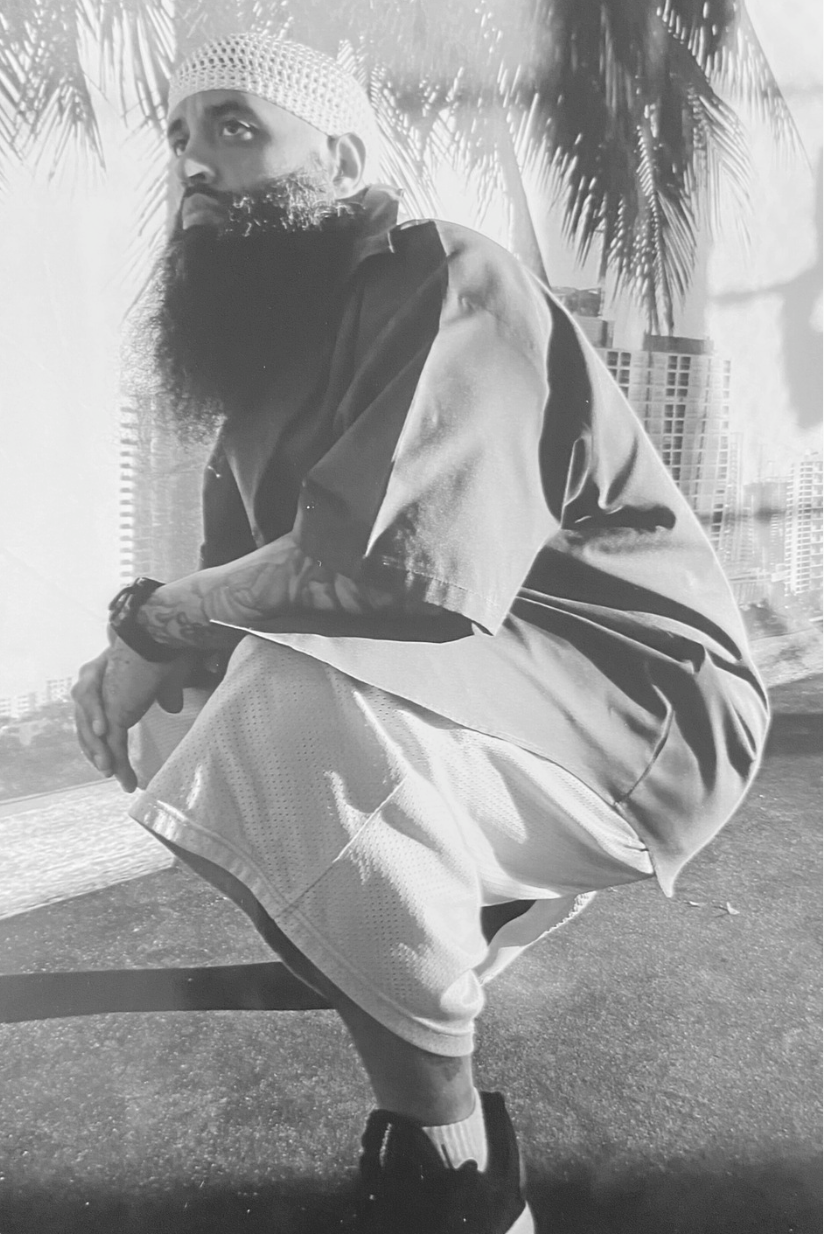
Daniel Martinez: “I have served twelve years so far on a 30-year sentence for something legal in some form in two-thirds of this country.”
Daniel Martinez | Photo courtesy of Last Prisoner Project’s Letter Writing Guide
Daniel Martinez is less than halfway through a 30-year sentence for an act that many of us now take for granted. Martinez began growing cannabis in his early teens, and — like so many growers who are not behind bars — learned to grow both indoors and outdoors through trial and error.
Now twelve years into his 30-year sentence, Martinez remains staunch in his belief that growing cannabis is an integral part of his future.
“I look forward to picking up this relationship where we left off and seeing to what new heights she will take me in a world whose laws have changed much since I’ve been gone and continue to change,” Martinez shared.
In fact, justice in his eyes would mean the freedom to continue what he started: growing the plant that has been used medicinally for centuries and made criminal by the United States government and propaganda.
“First and foremost, justice would mean being released from prison immediately. Beyond that, it would mean having the opportunity to rebuild my life by doing what I love—growing cannabis—through a government grant or small business loan. I can’t get back the years I’ve already lost behind bars, so I choose to focus on my future. That, to me, would be justice.”
Martinez is incarcerated in a low-security federal correctional institution in Florida. In the twelve years that Martinez has been behind bars, Florida’s cannabis landscape has made little progress. While the state legalized medical cannabis in 2017, the program remains restrictive. Home grow is still not legal, and just this month, Governor DeSantis approved SB 2514, a new piece of legislation that further narrows the Florida cannabis landscape. The bill not only prohibits individuals convicted of certain drug crimes from getting their medical marijuana cards but also revokes registration from qualified patients who have been convicted of or pleaded guilty to offenses relating to the sale, manufacture, or delivery of controlled substances — including cannabis.
In other words, even when Martinez is released, he would still be unable to access cannabis in his state — making his definition of justice impossible if he were to stay in Florida.
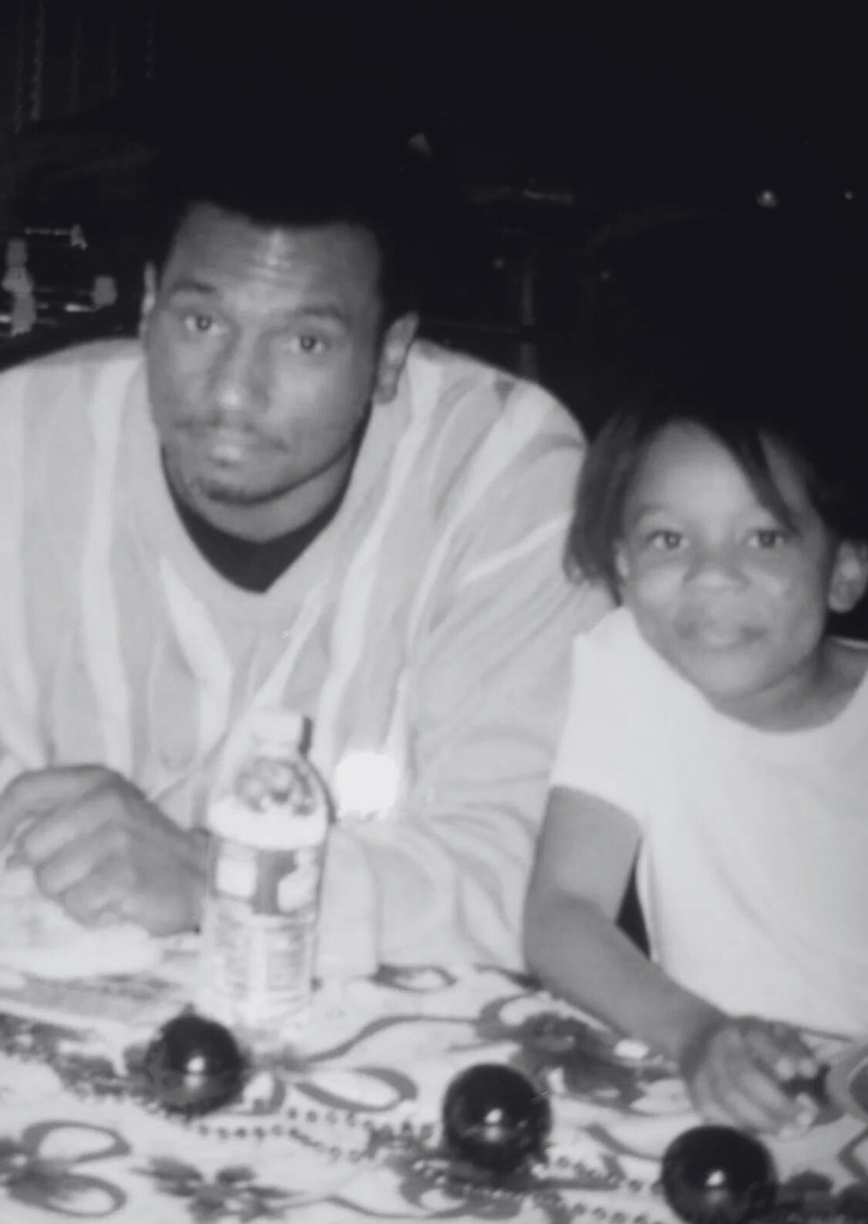
Robert Deals: “Our story is one of grace, calamity, pain, and suffering — but ultimately, one of resilience and victory.”
Robert Deals | Photo courtesy of Last Prisoner Project’s Letter Writing Guide
A veteran of the U.S. Air Force and former co-pastor for Last Day Revival Center, Robert Deals is thirteen years into his eighteen-year sentence in Arizona for cannabis. When he was first charged, Deals experienced discrimination firsthand from law enforcement, both during his arrest and due process of the law.
“One thing I want people to know is about the vicious and unethical tactics allowed here in Arizona—entrapment being one of them. There’s a big difference between selling something to undercover cops and the cops bringing drugs to sell to you—then abducting, capturing, and arresting you. From what I understand, this kind of tactic is illegal in most other states,” Deals shared.
“I also want people to understand just how unjust and cruel the Arizona courts have been toward me—and others. The judge who sentenced me did so twice, even though I had already signed a plea deal. They did that just to create a prior conviction they could use against me. That same judge then refused to give me credit for 21 months I had already served in county jail. That kind of denial is virtually unheard of.”
What started as entrapment and coercion grew into so much more, leaving Deals incapable of making his case, though he had already accepted his plea deal. Instead, Deals was deprived of freedom and his legal rights as guaranteed by the Fourteenth and Fifth Amendments.
Despite these disheartening circumstances, Deals keeps a positive attitude, recognizing that in order to continue fighting for justice, we can foster stronger resilience by celebrating wins along the way.
“And again, we rise. Our story is one of grace, calamity, pain, and suffering—but ultimately, one of resilience and victory. We can’t afford to wait until the end of the war to celebrate—we’ve already won so many battles along the way,” Deals shared. “The fact that I’m even able to send this message? That’s a victory in itself.”
Nevertheless, having been robbed of nearly two decades of his freedom and life with his wife, children, and grandchildren, Deals dreams of justice, not only for him but for his family. He remains staunch in his belief that the Arizona legal system must change to prevent further damage and remove corruption from the state’s processes.
“Justice to me, personally, would mean immediate release from this bondage—and at least ten years of reparations for my family,” Deals noted. “We’ve been cheated out of tens of thousands of dollars by at least five dishonest lawyers, and it’s time for some form of accountability and repair.”
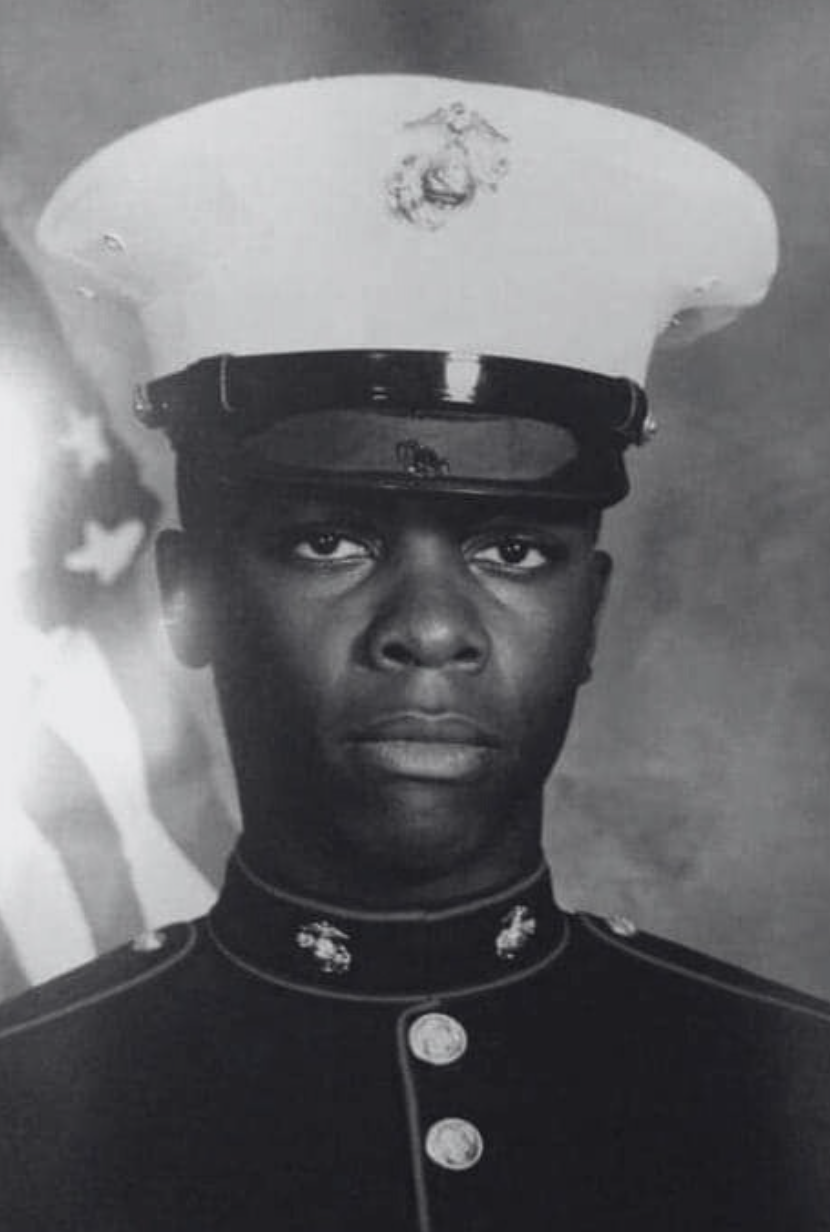
Deshawn Reilly: “The plant has so many cures and powers to it, but the powers that be want to suppress it. “
Deshawn Reilly | Photo courtesy of Last Prisoner Project’s Letter Writing Guide
Deshawn Reilly is 11 years into a 17-year sentence in Florida for a cannabis offense. Before his incarceration, Reilly served eight years in the United States Marine Corps, stationed in Okinawa, New Orleans, and San Diego. He’s also a father to four children, now ages 24, 15, 13, and 10. In prison, he finds solace in reading esoteric literature and spending a few hours outside each day, connecting with, in his words, “God’s green earth.”
While challenging, Reilly is reframing his time in prison not just as punishment but as a chapter in a longer journey: “This eleven-year journey was a learning experience. I want to express it as a part of my life path, meaning I had to go through these terrible times as a crest in a wave going down. Prior to my incarceration, I was on the crest of the upside of the wave.”
Still, he believes deeply in the power and future of the cannabis plant. “Marijuana will eventually become legal,” Reilly said. “The plant has so many cures and powers to it, but the powers that be want to suppress it.”
Reilly has spent his sentence focused on turning pain into purpose. “To make a long story short, I use universal laws to train my mind to stay on the positive side and turn this terrible situation into something positive,” he shared. And while his journey has been long and painful, he remains hopeful for justice — not just for himself, but for others still incarcerated.
He credits the Last Prisoner Project with giving him and others that hope and helping maintain the positive outlook he’s fostered. “Last Prisoner Project is a blessing to me and other cannabis prisoners,” he wrote. “Your help is greatly appreciated.”
How You Can Help
The Last Prisoner Project offers many ways for individuals to take action to both help individuals already harmed by cannabis incarceration and advocate for a better future. Here are some ways you can help:
Kymberly is a Pennsylvania native and soft-hearted crybaby. When she's not searching the racks at the thrift store, Kym can be found rollerblading with her dog, smoking a Dragon Berry Zig Zag, or just goofin' around.
Keeping a glass pipe clean improves flavor, airflow, and overall smoking experience. Over time, resin and residue build up inside the glass pipe, which makes each smoking session harsher and less enjoyable. Regular cleaning helps the pipe function properly for longer. Many people look for the best way to clean a glass pipe using safe,…
Reclaim edibles are re-purposed leftovers. You see that sticky residue sitting in your dab rig? Take a look, it is there. With a teensy bit of creativity, you can actually transform it into something amazing. The downside? Probably won’t hit exactly like fresh cannabis and won’t taste great either. However, if for whatever reason you…
In the school of life, tetrahydrocannabinol (THC), the most popular intoxicating cannabis compound, is like the popular kid everyone knows by name. The center of attention, always getting talked about, and highly sought after. Cannabidiol (CBD), on the other hand, gets a little less love. It’s more like the quiet honor student: low-key, non-intoxicating, rarely…
In the confusing landscape of state-by-state medical marijuana legalization and federal prohibition lies a patient’s pursuit of a better quality of life, balanced with an unrestricted financial livelihood. In workplaces across many different medical marijuana legal states, no law guarantees that a valid, card-carrying MMJ patient status exempts an employee from termination or discrimination stemming…
An alarming trend has recently come to light: more non-smokers are getting lung cancer than ever before. Given that lung cancer is the most common worldwide and the leading cause of cancer death, you may be worried about the implications of your cannabis habits. How much does cannabis contribute to lung cancer risk? According to…
The statements made regarding cannabis products on this website have not been evaluated by the Food and Drug Administration (FDA). Cannabis is not an FDA-approved substance and is still illegal under federal law. The information provided on this website is intended for educational purposes only and is not intended to diagnose, treat, cure, or prevent any disease. It is not intended as medical advice and should not be considered as a substitute for advice from a healthcare professional. We strongly recommend that you consult with a physician or other qualified healthcare provider before using any cannabis products. The use of any information provided on this website is solely at your own risk.