1-855-452-6224 (Customer Support Available 24/7)

On October 28, 1886, President Grover Cleveland led the dedication ceremony unveiling the Statue of Liberty. During this unveiling, Cleveland delivered the following remarks:
“We will not forget that liberty has here made her home; nor shall her chosen altar be neglected… a stream of light shall pierce the darkness of ignorance and man’s oppression, until liberty enlightens the world.”
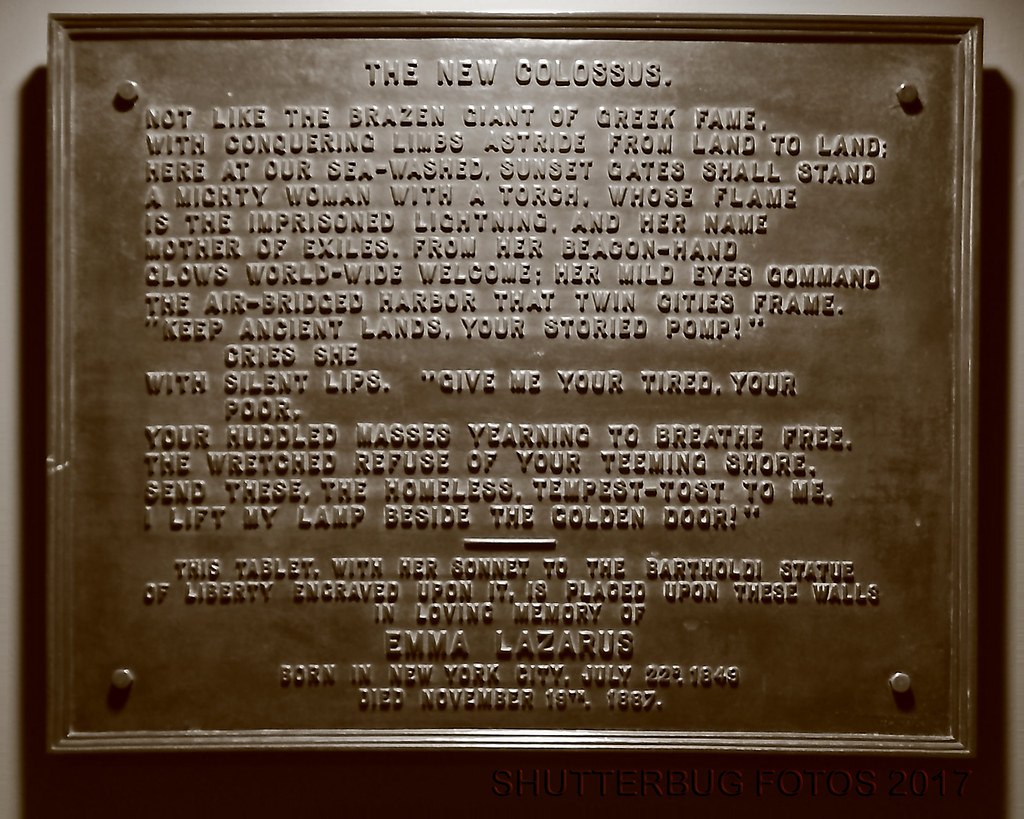
This speech acknowledged the statue as a symbol of America’s core values, its roots as a haven for those fleeing corrupt and tyrannical government. Cleveland’s words were made all the more powerful by the inscription on the statue itself, a poem by Emma Lazarus called “The New Colossus.”
Beyond naming the statue the “Mother of Exiles,” and speaking of the “world-wide welcome” she represents, the poem ends with a line most Americans have ingrained in their psyches:
“Give me your tired, your poor,
Your huddled masses yearning to breathe free,
The wretched refuse of your teeming shore.
Send these, the homeless, tempest-tost to me,
I lift my lamp beside the golden door!”
In the decades that followed, that statue grew to represent a concept known as The American Dream: any individual, regardless of birthplace or background, can come to the United States, pull themselves up by their proverbial bootstraps, and find success. On our soil, happiness and wealth are achievable through hard work, determination, and a healthy bout of good ol’ American grit.
In America, this dream is taught to us alongside our ABCs. We’re spoonfed parables of cherry-scented virtue between bites of Gerber puree, constantly affirmed that the land of the free and the home of the brave is the Greatest Country on Earth (if not the universe at large).
Many of us never have to doubt it – we’re Americans, after all. Freedom is our whole brand.
But in 2025, underneath the USA chants and the red, white, and blue muscle tanks lies a far more sinister reality. While we’re told that anyone from any background can achieve anything they set their mind to, the background needed to achieve that success is narrowing by the day.
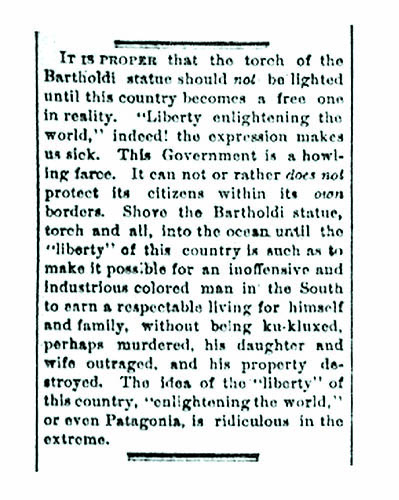
Even in the 1860s, many Americans knew the golden door that Lady Liberty promised to keep open shone more in veneer than in karats. Not long after the statue’s dedication, The Cleveland Gazette revealed the farce behind her flame, demanding the torch stay unlit “until the ‘liberty’ of this country is such as to make it possible for an inoffensive and industrious colored man to earn a respectable living for himself and family, without being ku-kluxed, perhaps murdered, his daughter and wife outraged, and his property destroyed.”
Nevertheless, the flame was lit. And almost 140 years later, we’re no closer to the promise of liberty.
So, yes, the promise that anyone can make it in America has long been a guiding dream: work hard, play fair, and doors will open. But for many, those doors are padlocked by systemic barriers, and, once they’re finally open, they reveal far more fear, uncertainty, and persecution than anyone would ever dare to dream. One individual’s journey from Latin America, navigating the asylum process and building a life in the United States, makes the fragile line between promise and reality painfully clear.
Born into a family of diplomats during a time of extreme political unrest, his earliest years were defined by constant movement, each trip a response to real and present threats. The danger was never abstract, and his final decision to seek refuge in America wasn’t really a decision at all. After receiving a bouquet of flowers for his own funeral, he fled Latin America, seeking asylum in the U.S. with his family.
The process was grueling: stacks of paperwork, detailed accounts of his experiences, and interviews that probed into every aspect of his existence. With his family, he navigated the limbo of temporary legal status, unable to work and living off of savings. As asylum status can take years to process, his experience was a stark departure from the narrative taught in schools: the land of opportunity was not freely open, and liberty was a lot more gatekept than we’re led to believe.
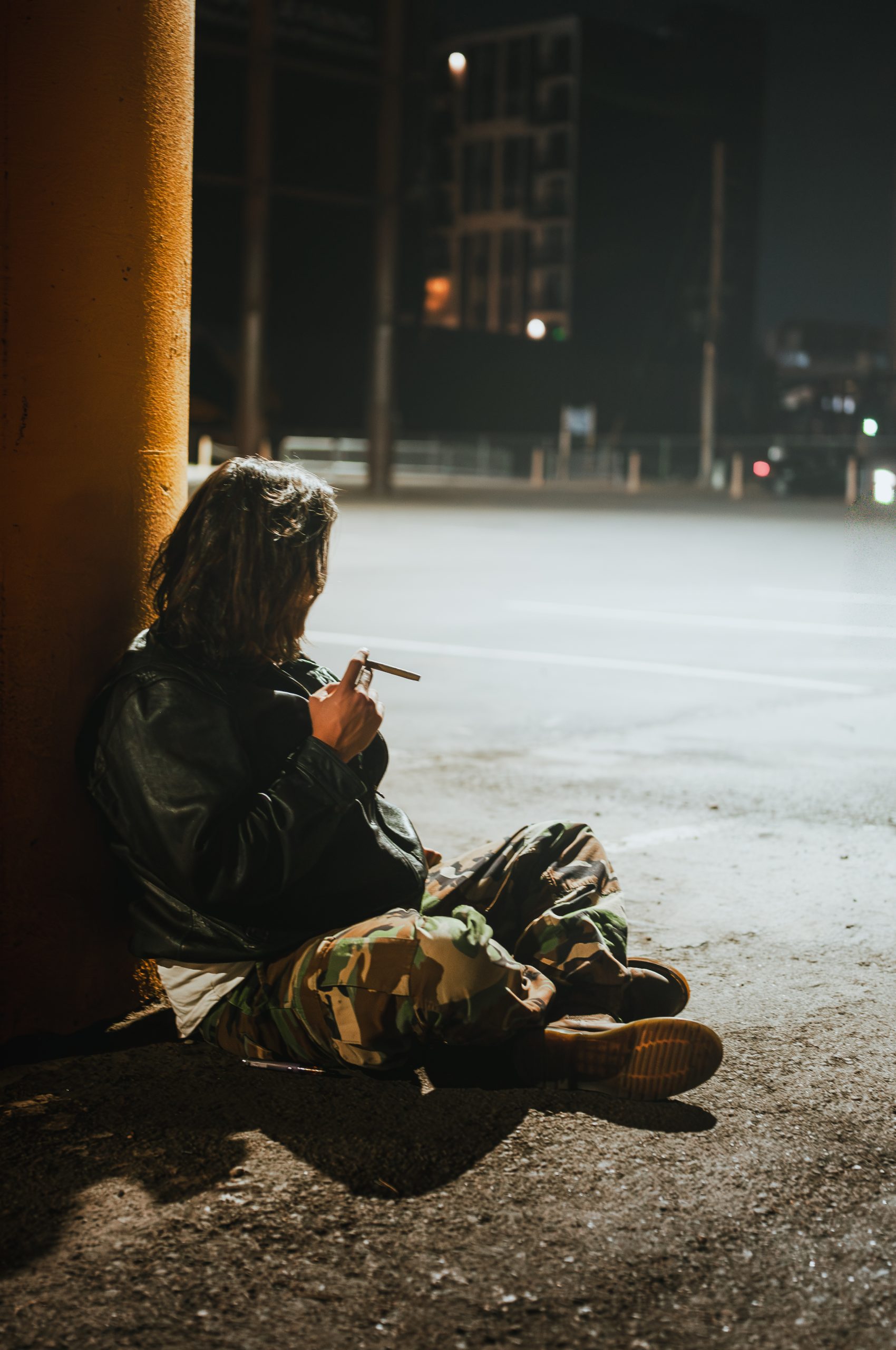
And though he sought asylum the “right way,” his entry into the United States was only the first step in a journey defined by both promise and uncertainty. Once the paperwork was filed and the process complete, his asylum status granted him the right to attend a university in the United States, where he completed a degree in Industrial Design.
While attending university, he found a place of opportunity: he was free to create, to problem solve, to fall in love and form lifelong bonds with a tight-knit community. He was able to imagine a future outside the shadows of political unrest.
For a brief moment, it seemed like the American Dream was not only real but in reach.
After a few years in the United States, he applied for his green card. The approval brought some peace of mind, but it was brittle, a conditional freedom tethered to rules and scrutiny that most natural-born citizens would never face.
“Once you have a green card for five years and you pay your taxes and you’re a good boy, you’re able to apply for your citizenship,” he said. “Doesn’t mean you’re gonna get it, but if you’ve been a good boy? Probably.”
Shortly after, he found work in an emerging industry that seemed to promise a new kind of freedom: cannabis. Under the Cole Memorandum, a document sent by Attorney General James M. Cole during Barack Obama’s presidency that protected state-legal cannabis activity from federal prosecution, he was able to build a career in design.
Yet, even though his rise through the industry was meteoric (from trimmer to budtender to later designing POS and Metric solutions), he was soon reminded of the fragility of the system around him. When the Cole Memorandum was rescinded under the Trump Administration, the hard work he’d done to make a name for himself in the industry became a liability.
“It feels like I’m fighting with one hand behind my back,” he shared. “If someone goes into the dispensary when I’m working there and decides to close it up and arrest people, the owners wouldn’t go to jail. You know the only person who would go to jail? Me.”
But jail is just one of the consequences he would face, and his career isn’t the only facet of his life that’s impacted by the shifting culture led by Donald Trump’s brash rhetoric. He now faces more explicit animosity in his daily life alongside real legal consequences, simply because of his Latin American heritage and regardless of green card status.
“It’s very clear that one out of four Americans don’t want me here,” he explained. “I think that’s the biggest impact. I don’t have a floor. I’m consistently worried, is today the day?”
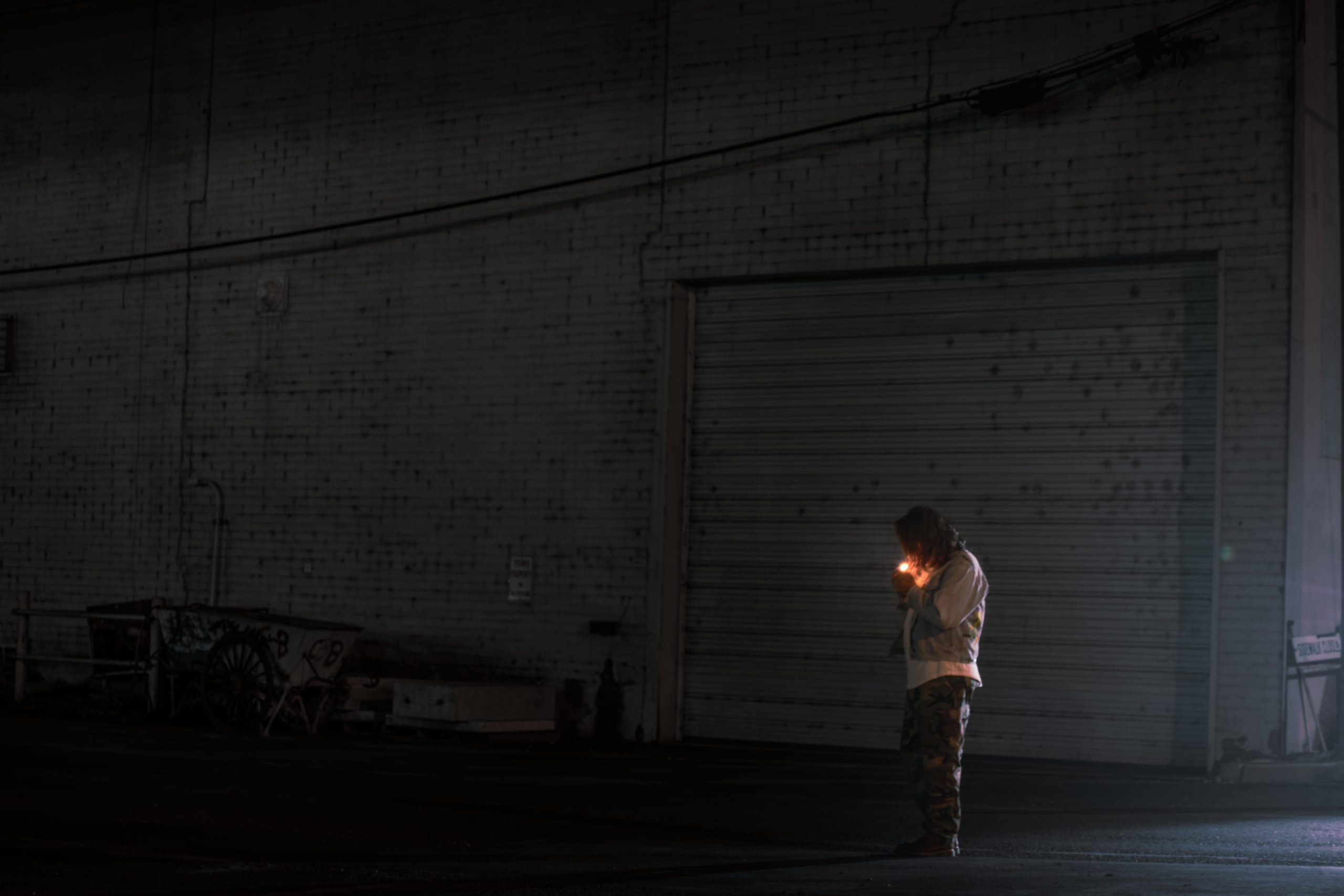
To get by, he walks a thin line between near-perfect citizenship and staying in the shadows: he quadruple-checks his taxes. He rides passenger in the car and keeps a cool head during confrontations, all the while seeing migrants of various citizenship statuses being persecuted, detained, and deported by U.S. Immigration and Customs Enforcement (ICE) officers.
Sure, an undercurrent of xenophobia has always run beneath the Statue of Liberty’s promises. But while the United States has a long history of prejudice against migrants, Trump’s second administration has doubled down on anti-immigration policy, making both racially-biased rhetoric and tangible fear an inescapable reality.
“I remember going to college, saying ‘I’m an asylum seeker,’ and they’d be like, ‘Welcome. Thank you for coming here,’” he shared. “And then undocumented migrants started getting targeted. And then it was asylum seekers. And then suddenly, now it’s migrants in general. There’s definitely been a noticeable slide to the right.”
His experience underscores a troubling reality: the protections and freedoms that many assume are inherent in American life are only conditional. The land that once promised opportunities and open doors took off its sheep’s clothing, revealing deep-rooted prejudice now more socially acceptable than ever.
“It’s really ironic that I came here as a refugee because I was being persecuted, and now I feel just as persecuted,” he shared.
His sense of persecution highlights a bitter paradox at the heart of the American Dream: the promise of opportunity exists, but only for those who fit a narrow mold.
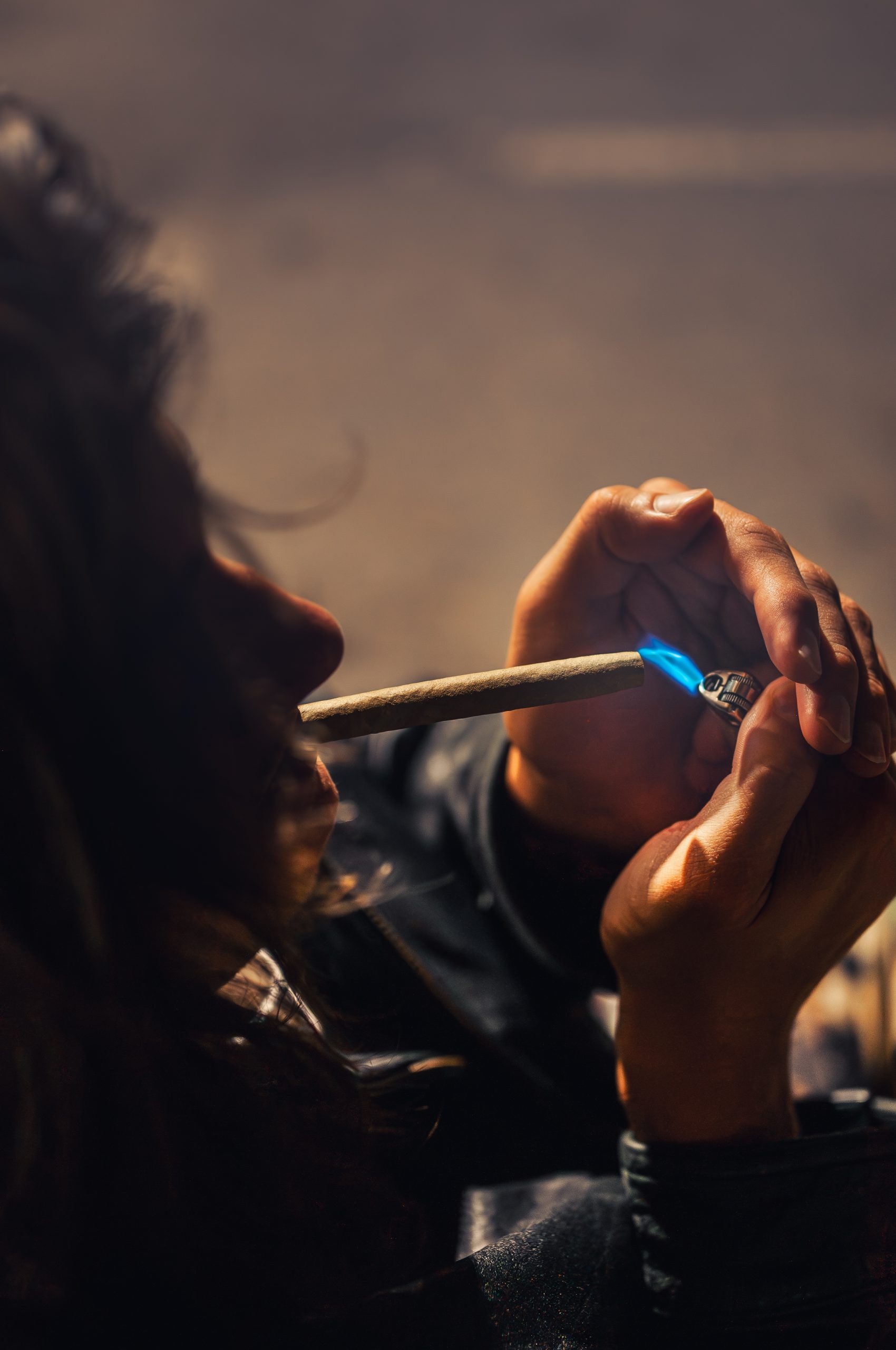
“As much as I claim this country as my own, I see the core of this accepting place where anyone who was hardworking and well-intentioned could come and build something and fight at the same level as anyone else is gone,” he explained. “The American Dream has been snatched from anyone who has some kind of migrant background.”
As the days pass, this persecution only grows. It’s no longer just migrants who have been robbed of the American Dream; as the country’s wealthiest continue expanding their net worth, the rest of us are losing sight of the fortuitous future we were promised.
We were told that if we shot for the moon, our consolation prize would be the stars. But what happens when the powers that promised us these stars are the very same that shackle our feet to the ground?
Across the country, news anchors trade off in a carouseling roulette of horror: ICE raids leave no industry left unturned, increasing production and labor costs, causing significant understaffing in our hospitals, and skyrocketing prices of consumer goods. Deceased patients’ Facebook pages beg for GoFundMe cancer treatment from beyond the grave. Cost of living rises as employment rates plummet, bringing quality of life down with them. Americans’ right to free press, to protest, to hold our politicians accountable erodes before our eyes, landing the United States on the CIVICUS Watchlist for sustained attacks on civic freedoms.
Children die from open fire in their classrooms. Kerr County residents die as the flood beneath them turns to blood. Migrants die in detention centers, on deportation routes, from fear, from exhaustion, pulled from their children and their livelihoods and their dignity.
Don’t these people know that if they simply pulled themselves up by their bootstraps, they would have survived?
But survival in America has never been about bootstraps. Rather, it’s always been about access – to safety nets, to generational wealth, to rights that expand and contract depending on the politician holding the pen. We’ve seen it before in this country, and each contraction has left us disillusioned, exhausted, and fearful. Now, as the U.S. immigrant population declines for the first time since the 1960s, this moment in our history feels different: deadlier and more hopeless than ever.
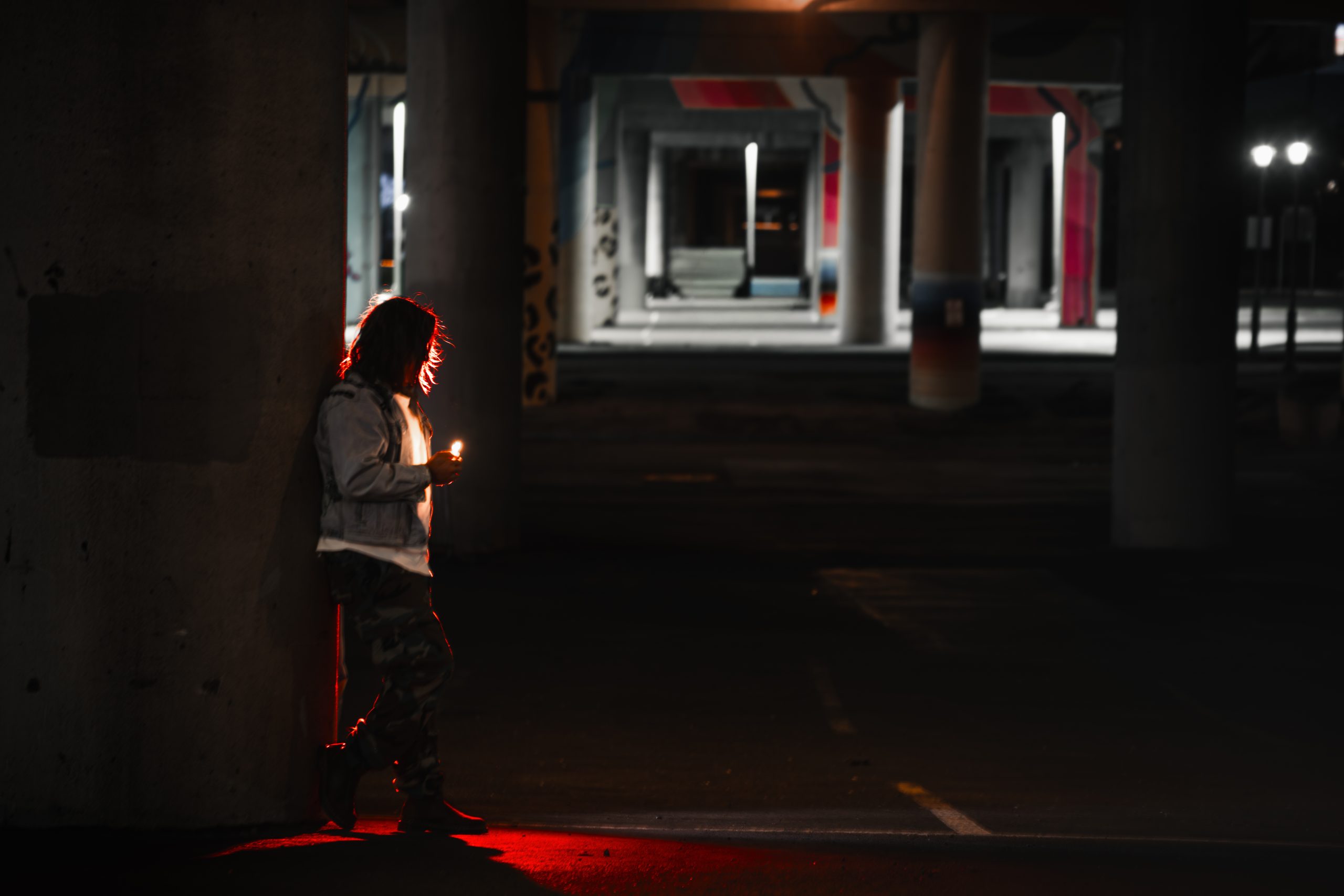
In the eyes of a man who came to this country to escape persecution in his own, this hopelessness is ever present.
“What is that MLK saying, ‘The arm of justice is long but it bends to righteousness’? We’re in a contraction of rights, but that doesn’t mean that there haven’t been different points in history where there’s these contractions of rights, and then there will be an expansion, hopefully,” he shared. “But now, the difference is, when Obama finished his second term, I still had a bunch of hope…I don’t see that hope anymore.”
Instead, that reality casts a shadow over his daily life. Every decision is a constant calculation of which risks are worth taking. In the gap between the American dream and the American reality, he, like so many others, must navigate a life measured in conditional freedoms and quiet, relentless grief for what this dream could have been. The promise of opportunity, once sold as universal, now feels like a haunting myth. For those with migrant backgrounds, every achievement carries a hidden price, every milestone shadowed by the knowledge that we are, none of us, safe.
“Wake up. They’re not stopping at migrants,” he offered as a warning. “It’s like that quote, right? They came for the socialists, but I said nothing. They came for the Jews, but I said nothing. And they came for me, and there was no one. We’ve been saying it, yes, partly because we’re shaking in our boots because we know we’re first on the list. But you’re on the list, too.”
He’s referring to the poem written by Pastor Martin Niemöller in 1946, a response to mass inaction in Nazi Germany to protect vulnerable communities. The poem is inscribed in memorials and museums dedicated to victims of the Holocaust and human rights violations, though now, its words hold haunting relevancy.
First they came for the Communists
And I did not speak out
Because I was not a Communist
Then they came for the Socialists
And I did not speak out
Because I was not a Socialist
Then they came for the trade unionists
And I did not speak out
Because I was not a trade unionist
Then they came for the Jews
And I did not speak out
Because I was not a Jew
Then they came for me
And there was no one left
To speak out for me
Referencing this poem, his words are a stark reminder that the erosion of rights, the conditionality of freedom, and the narrowing of opportunity are not isolated to one group. Rather, they are warnings for all of us: the dream of America, taught to us as boundless, has severe cracks in its foundations. And unless we speak out with honesty and fierceness, even (and especially) for groups that we do not identify with, there will be no voices left to confront those deepening these cracks.
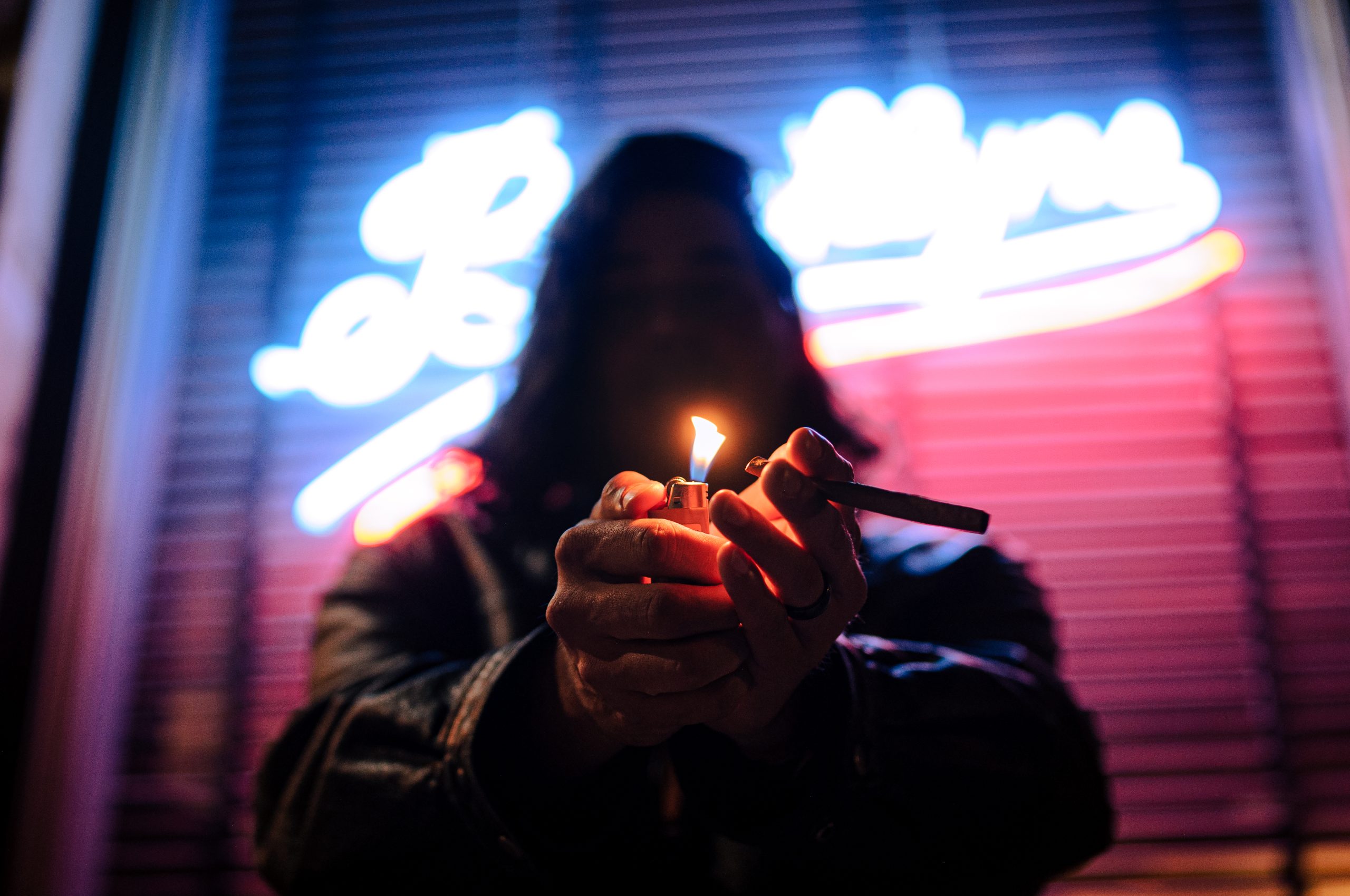
Beneath Lady Liberty’s torch, the words “Give me your tired, your poor, your huddled masses yearning to breathe free” still gleam. President Cleveland’s vow to uphold her altar remains unfulfilled. And as the rights of one group erode, the rest of us cannot merely watch, complicit in silence.
The American Dream now seems a cruel mirage. And for those who have lived its contradictions, the dream is no longer comforting: it is a reckoning to confront the faults in the nation’s foundation before the flame itself flickers out.
This article was originally written for Rotation Magazine, September 2025. Find a copy of Rotation Magazine near you.
All original photography by Logan Leeper Photography. Creative Direction by Lauren Lippert.
Sign up for our newsletter

Learn the process in your state
All Rights Reserved Veriheal Inc. ©
Terms Privacy Policy Advertising Agreement Content Disclamer


Get your medical marijuana card today
Sign up in under 5 minutes
Start By Selecting Your State
 Alabama
Alaska
Arizona
Arkansas
California
Colorado
Connecticut
Delaware
Florida
Georgia
Hawaii
Idaho
Illinois
Indiana
Iowa
Kansas
Kentucky
Louisiana
Maine
Maryland
Massachusetts
Michigan
Minnesota
Mississippi
Missouri
Montana
Nebraska
Nevada
New Hampshire
New Jersey
New Mexico
New York
North Carolina
North Dakota
Ohio
Oklahoma
Oregon
Pennsylvania
Rhode Island
South Carolina
South Dakota
Tennessee
Texas
Utah
Vermont
Virginia
Washington
West Virginia
Wisconsin
Wyoming
Puerto Rico
Alabama
Alaska
Arizona
Arkansas
California
Colorado
Connecticut
Delaware
Florida
Georgia
Hawaii
Idaho
Illinois
Indiana
Iowa
Kansas
Kentucky
Louisiana
Maine
Maryland
Massachusetts
Michigan
Minnesota
Mississippi
Missouri
Montana
Nebraska
Nevada
New Hampshire
New Jersey
New Mexico
New York
North Carolina
North Dakota
Ohio
Oklahoma
Oregon
Pennsylvania
Rhode Island
South Carolina
South Dakota
Tennessee
Texas
Utah
Vermont
Virginia
Washington
West Virginia
Wisconsin
Wyoming
Puerto Rico