1-855-452-6224 (Customer Support Available 24/7)


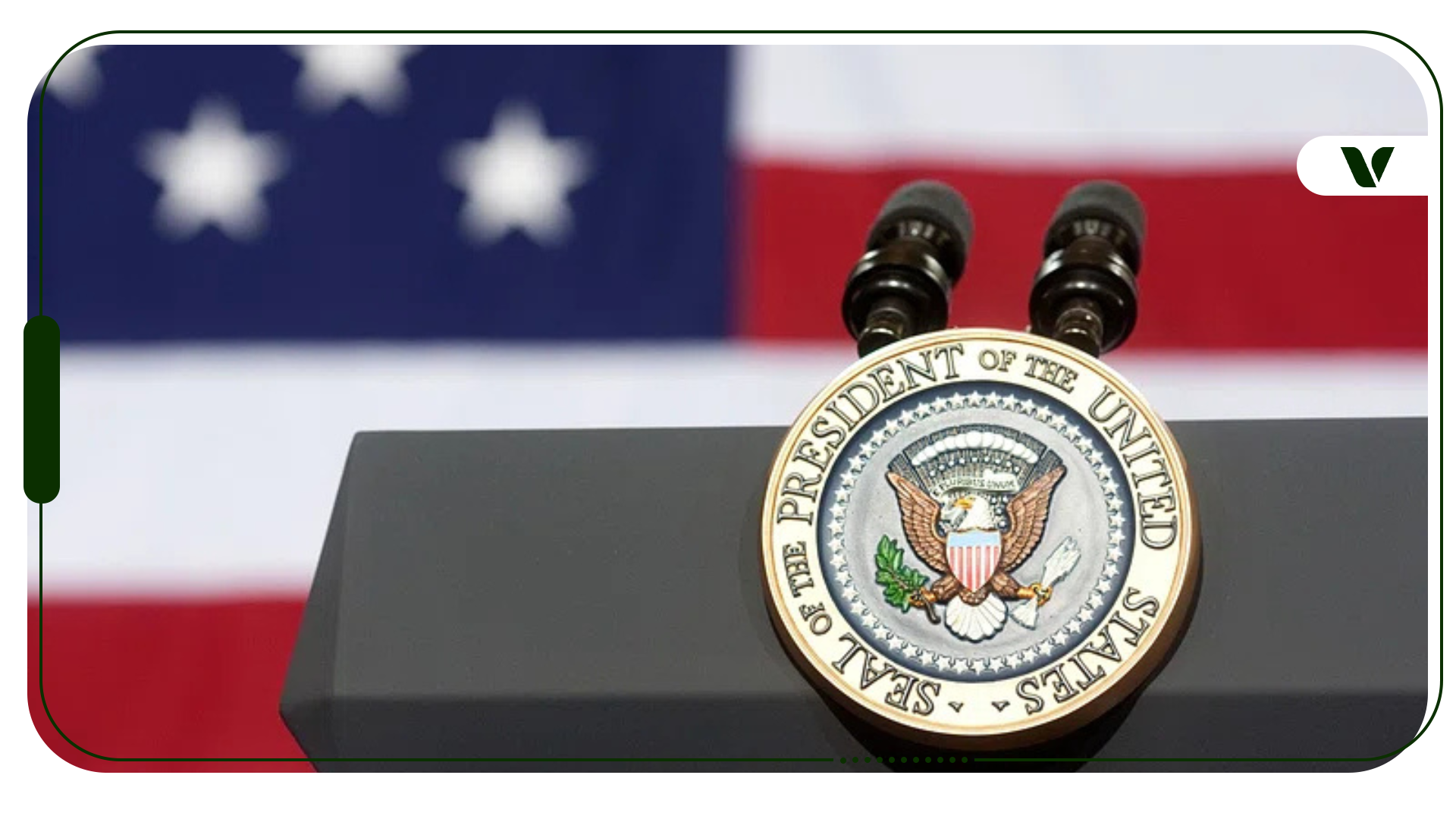
Cannabis will soon be medicine in the eyes of the law. And rescheduling it as such is, in the words of the U.S. President, “something to do with common sense.”
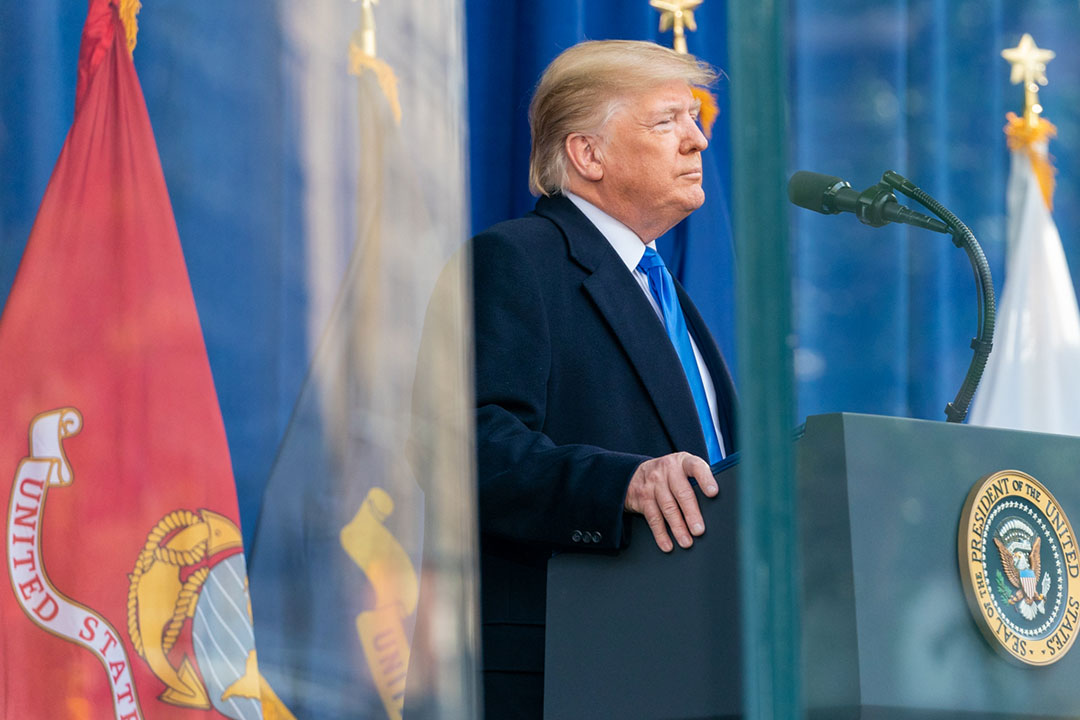
On Thursday, President Donald Trump signed an executive order instructing the United States Attorney General to reclassify cannabis to a Schedule III substance. This announcement comes after three years of oscillating support for reclassification, with President Biden first urging the reschedule in October 2022.
While the December 18 executive order does not automatically reschedule cannabis, it initiates a 30-day public comment period before the order is added to the Federal Register.
Once the executive order goes into effect, Marijuana will be classified as a Schedule III controlled substance. Schedule III includes substances recognized for medical use that have a lower risk of physical dependence or abuse.
This schedule puts cannabis in the same class as ketamine, codeine, and anabolic steroids, substances that require a prescription and are regulated under the Drug Enforcement Administration. Under Schedule III, cannabis will similarly fall under the DEA’s jurisdiction, though it is uncertain how the reclassification will affect the existing medical marijuana card programs across the United States.
Though this order does not legalize medical marijuana on a federal level, it marks the most significant drug policy change since the Controlled Substances Act of 1970 (the act that first defined these “schedules” to begin with).
Marijuana’s reclassification is poised to change the landscape of cannabis medicine as we know it. As further research is conducted and the medical benefits of the plant are more thoroughly examined, patients will finally gain a fuller understanding of cannabis’s therapeutic potential, an understanding that has long been stunted by marijuana’s placement as a Schedule I substance.
With this shift, scientists can begin to approach cannabis research with the rigor and legitimacy it has historically been denied. Over time, researchers will be able to better map the plant’s intricacies so that cannabis physicians will be equipped to deliver more precise, evidence-based care. Once the impact of this expanded research reaches the medical world, doctors can provide patients with deeper insight into cannabinoids, terpenes, formulations, dosing, and plant characteristics that have remained largely unexplored under decades of restriction. As a result, patients can better understand how to relieve their specific symptoms.
Building upon this benefit to medical cannabis patients, the executive order includes a pilot program aimed at Medicare recipients, exploring pathways for reimbursement of CBD and medical cannabis purchases for qualifying senior patients. While limited in scale, the initiative reflects a growing recognition that cannabis may play a legitimate role in patient care, focusing first on older adults who grew up with a healthcare system unprepared for the harmful consequences of opioids and other addictive prescription drugs – and who are now seeking alternatives to traditional pharmaceuticals.
Nevertheless, American politics do not exist in a vacuum. Groundbreaking legislation does not a spotless record make. Though this change is undoubtedly positive for medical marijuana patients, the Trump Administration has historically taken a varied approach to cannabis reform.
Perhaps most explicitly, the 2018 Farm Bill, passed under the first Trump presidency, legalized hemp-derived products with limited THC concentration and paved the way for a booming hemp industry. Just last month, the current administration passed a federal budget that included provisions amounting to a hemp ban, directly undermining the progress established by the Farm Bill and destabilizing an industry built in good faith on prior legislation.
And while President Trump has publicly expressed support for expanded cannabis research, his record tells a more complicated story. Under his leadership, the administration rescinded the Cole Memorandum, an Obama-era policy that shielded state-legal cannabis actions from federal interference. That decision reopened the door to aggressive enforcement, leaving hundreds of thousands of cannabis workers and operators vulnerable to fines, asset seizure, and, in some cases, deportation.
When viewed alongside ICE raids at cannabis farms this year and no indication that the administration will pursue reparative justice for communities disproportionately harmed by the war on drugs, these actions reveal a federal cannabis strategy marked not by reform, but by political convenience and selective enforcement.
Taken together, these contradictions explain why advocates are approaching the administration’s latest moves with cautious hope rather than celebration: meaningful change is possible, but history suggests it will require sustained pressure to ensure cannabis reform is more than a symbolic shift.
Rescheduling cannabis to Schedule III does not undo decades of harm, nor does it resolve the contradictions embedded in federal drug policy. But it does open a door that has been locked for over 50 years: the door to progress. And for patients, researchers, and advocates, that progress matters because it finally acknowledges what we’ve known all along: that cannabis is medicine and should be treated as such.
Trump’s executive order to reschedule cannabis brings hope that this moment signals real change but leaves many acutely aware of how quickly cannabis reform has been promised, delayed, and quietly reversed. Whether this moment becomes a turning point or another false start will depend on what follows: how will the Trump Administration respond to the commentary – and potential pushback – over the next 30 days? Will the administration back the needs of patients or back down when confronted by opponents with financial interest?
Real reform will require consistency, accountability, and a willingness to move beyond symbolic gestures toward policies that protect workers, expand access, and repair lasting damage from the war on drugs. Until then, cautious hope remains the only honest response, paired with the understanding that progress in cannabis policy has never been freely given, only pushed forward.
Sign up for our newsletter

Learn the process in your state
All Rights Reserved Veriheal Inc. ©
Terms Privacy Policy Advertising Agreement Content Disclamer


Get your medical marijuana card today
Sign up in under 5 minutes
Start By Selecting Your State
 Alabama
Alaska
Arizona
Arkansas
California
Colorado
Connecticut
Delaware
Florida
Georgia
Hawaii
Idaho
Illinois
Indiana
Iowa
Kansas
Kentucky
Louisiana
Maine
Maryland
Massachusetts
Michigan
Minnesota
Mississippi
Missouri
Montana
Nebraska
Nevada
New Hampshire
New Jersey
New Mexico
New York
North Carolina
North Dakota
Ohio
Oklahoma
Oregon
Pennsylvania
Rhode Island
South Carolina
South Dakota
Tennessee
Texas
Utah
Vermont
Virginia
Washington
West Virginia
Wisconsin
Wyoming
Puerto Rico
Alabama
Alaska
Arizona
Arkansas
California
Colorado
Connecticut
Delaware
Florida
Georgia
Hawaii
Idaho
Illinois
Indiana
Iowa
Kansas
Kentucky
Louisiana
Maine
Maryland
Massachusetts
Michigan
Minnesota
Mississippi
Missouri
Montana
Nebraska
Nevada
New Hampshire
New Jersey
New Mexico
New York
North Carolina
North Dakota
Ohio
Oklahoma
Oregon
Pennsylvania
Rhode Island
South Carolina
South Dakota
Tennessee
Texas
Utah
Vermont
Virginia
Washington
West Virginia
Wisconsin
Wyoming
Puerto Rico
