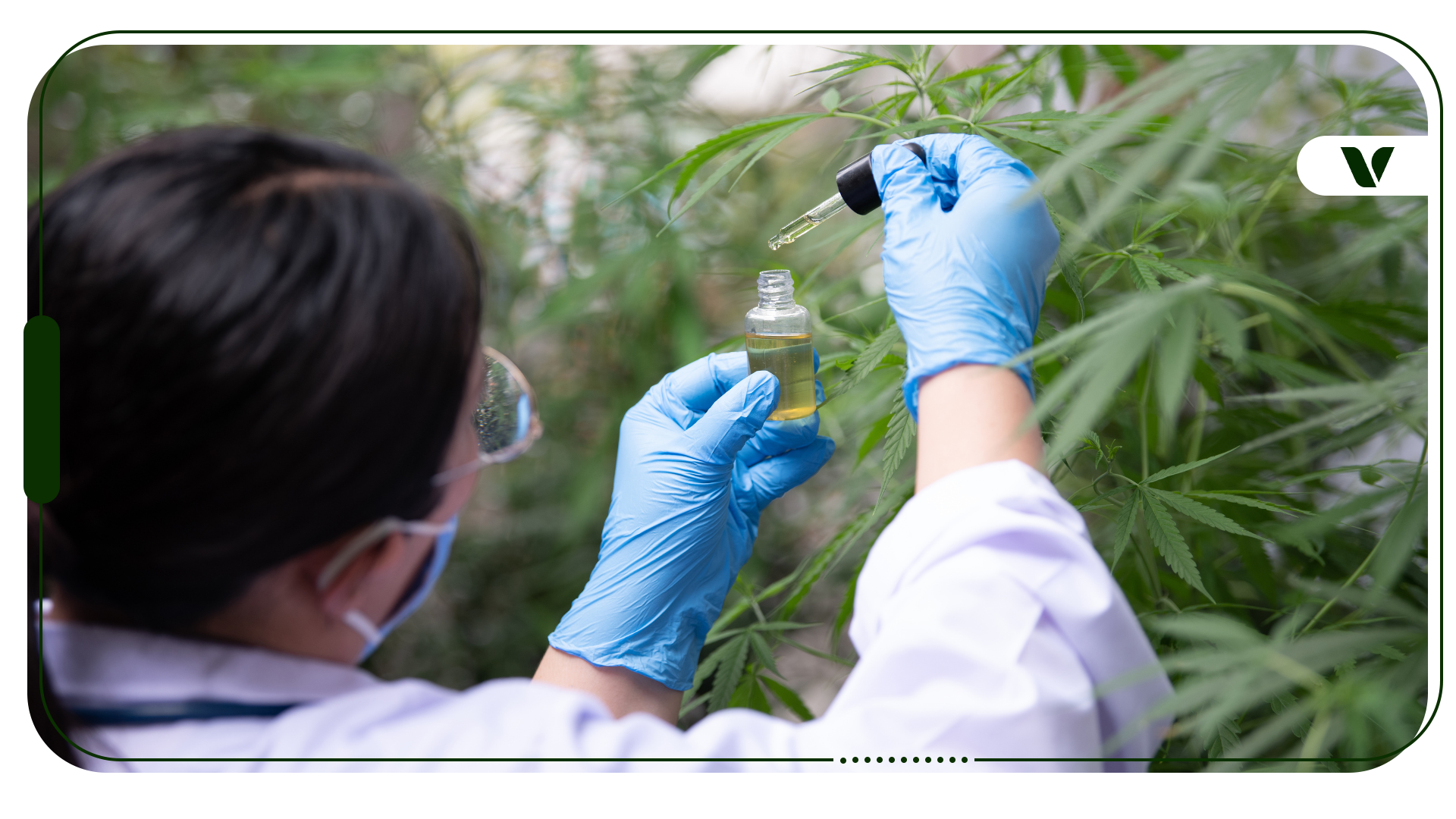
In the age of ChatGPT therapists and automated daylists, artificial intelligence (AI) is hard to escape. No industry is immune to this culture change – and cannabis is no exception.
In general, the agricultural sector has already welcomed AI with open arms. The cannabis industry follows suit, utilizing AI tech in every step from seed to sale.
As AI use surges, we’re continuously learning how it can promote unprecedented precision and efficiency within the world of cannabis. However, implementing AI in cannabis could carry significant consequences, raising concerns among traditional cannabis cultivators.
Generally, when cannabis growers and professionals implement AI into their daily practices, they hope to improve the quality and yield of their harvest. In the long run, these systems can provide a better consumer experience while freeing up time and resources for cultivators.
AI has primarily entered the cannabis industry in three major areas: cultivation, supply chain management, and consumer experience.
What Areas Of The Cannabis Industry Can AI Improve?
Artificial intelligence (AI) can be applied in different sections of the cannabis industry. Its major goal is to improve the quality and yield produced by companies and, in the long run, provide a better experience for consumers.
Here are the areas that AI can be applied in the cannabis industry:
Cultivation
AI can optimize growing conditions, monitor plant health, and even automate harvesting. Existing systems are used to analyze real-time environmental data such as temperature, humidity, lighting, soil, and watering to help cultivators maintain precision and consistency while reducing manual workload.
What’s more, AI-powered sensors and cameras are enhancing crop monitoring by detecting nutrient deficiencies, pests, or diseases earlier than the human eye. Companies like Phytech (generally used by fruit farmers) use direct data analysis to give growers real-time updates throughout the growing process. Cultivators can track plant health, irrigation needs, and environmental adjustments to improve quality control and prevent costly plant loss.
Early harvesting systems like Bloom Automation use computer vision to identify the perfect time for harvest based on plant size, color, and cannabinoid levels. These robotic systems can trim and process cannabis at twice the speed of human workers while preserving trichomes, significantly increasing efficiency.
As AI technology advances, it has the potential to reshape the entire cultivation process, boosting yields, improving quality, and redefining the role of human labor in cannabis production.
Supply Management
Similarly, AI tech can help optimize inventory and forecast demand to help businesses minimize waste, enhance distribution, and streamline logistics.
Platforms like Trellis enhance inventory management by using AI to analyze data points like sales trends, production schedules, and market demand. It also tracks product movement through the supply chain, giving businesses a clearer view of which products are performing well and which are lagging.
These platforms allow for smarter purchasing decisions and efficient use of storage space, ultimately reducing operational costs and improving profitability, all while mitigating waste and improving customer relations.
Consumer Experience
From personalized product recommendations to real-time customer support, AI technology can help retailers and customers alike.
Chatbots can help reduce strain on human staff by fielding inquiries and assisting with orders, reducing strain on human staff.
AI also has the potential to transform both recreational and medical cannabis use. By analyzing consumer data, AI can match individuals with optimal strains, dosages, and consumption methods. AI can track patient responses and identify usage patterns, offering significant potential to reduce adverse effects and efficiently alleviate symptoms.
As this tech expands, users will be able to make more informed decisions about their products, and medical cannabis practitioners can better advise their patients based on their personal histories.
Quality Control
AI can analyze various factors such as cannabinoid potency, terpene profiles, and contamination levels to ensure product quality and consistency. This is especially important for regulatory compliance and consumer satisfaction.
Cann-ID, a subsidiary of Aurora Cannabis, uses AI to analyze cannabis products’ cannabinoid and terpene profiles. Their proprietary algorithms compare spectral data from cannabis samples against a database to authenticate and quantify cannabinoid content accurately, ensuring product consistency and compliance with regulatory standards.
How AI Could Impact The Future of Cannabis
AI is making big moves in cannabis, streamlining operations and boosting efficiency — but not without some serious trade-offs.
Beyond efficiency, AI-driven supply chain management can reduce waste, a growing concern in an industry criticized for non-sustainable practices like excessive plastic use, high energy consumption, and major water usage. By refining inventory processes, AI has the potential to make cannabis operations both smarter and more sustainable, resulting in wins for both the planet and business owners’ bottom line.
Furthermore, in the medical space, AI has the potential to push research further than ever, analyzing patient data to fine-tune dosing, track symptom relief, and legitimize cannabis as real medicine. Smarter data means better outcomes, which could help cannabis gain even more traction in the healthcare world – and convince legislators to take the plant’s medical potential seriously.
But it’s not all good news. As AI takes over inventory tracking, customer service, and even harvesting, human jobs could be on the chopping block. Trimmers, budtenders, and even growers might find themselves replaced by algorithms and automation. The industry is evolving fast, and while AI is driving progress, it’s also forcing a hard conversation about the future of human labor.
Plus, not everyone’s sold on AI’s role in cultivation. Some traditional growers argue that relying on tech takes the human touch out of growing, disconnecting cultivators from their plants and turning the process into a numbers game. On the flip side, modern growers see AI as an extension of their craft, giving them real-time updates, tracking plant health 24/7, and allowing them to make more informed decisions.
AI is no longer a futuristic concept. It’s here, and it’s rapidly transforming cannabis from cultivation to consumption. The technology brings undeniable benefits, from optimizing supply chains to refining medical applications – but it also raises complex questions.
As AI pushes cannabis into new levels of efficiency and sustainability, it challenges long-held traditions and threatens human jobs in the industry. Will automation and data-driven insights replace the intuition and craftsmanship of seasoned growers? Or will AI become a powerful tool that enhances the human touch rather than erasing it?
Whether AI deepens or dilutes the connection between growers and their crops is still up for debate, but one thing’s certain: it’s changing the way cannabis is grown, processed, sold, and consumed.
Author, Share & Comments