Does Cannabis Aid in Recovery from Concussions?

June 2, 2025 08:00 am ET
Estimated Read Time:
7 Minutes
Fact checked by Precious Ileh
Medically reviewed by Dr. Carlie Bell
Traumatic brain injuries (TBI) and concussions are severe medical conditions that can lead to long-term cognitive and physical impairments. Traditional treatments for TBI and concussions primarily focus on symptom management, but research is now exploring alternative therapies, including cannabis. With growing evidence suggesting that cannabinoids may have neuroprotective and anti-inflammatory properties, many are questioning whether cannabis could play a role in recovery from concussions and brain injuries. This article examines how cannabis might support TBI recovery, its safety profile, and the best cannabis products for managing post-concussion symptoms.
How marijuana helps patients with TBI: A short explanation
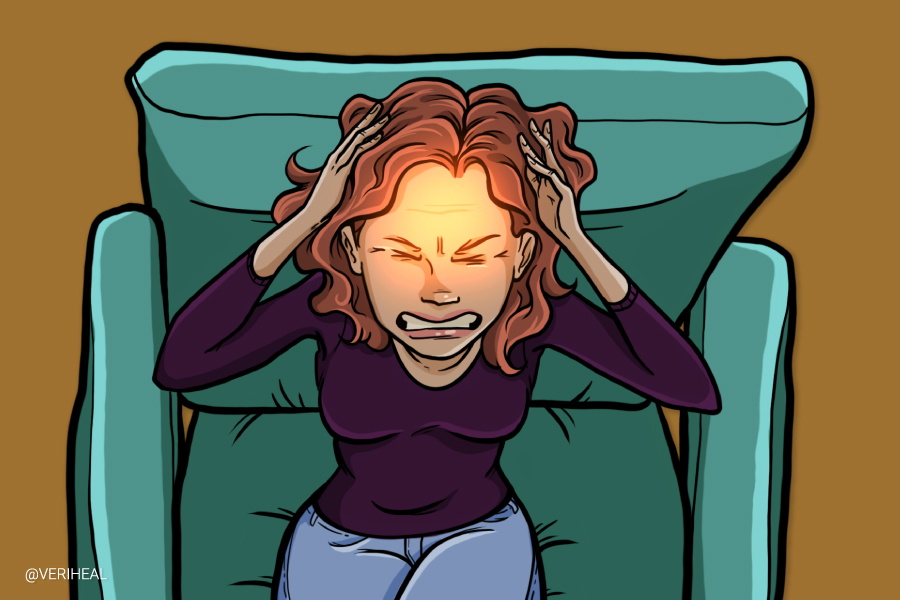
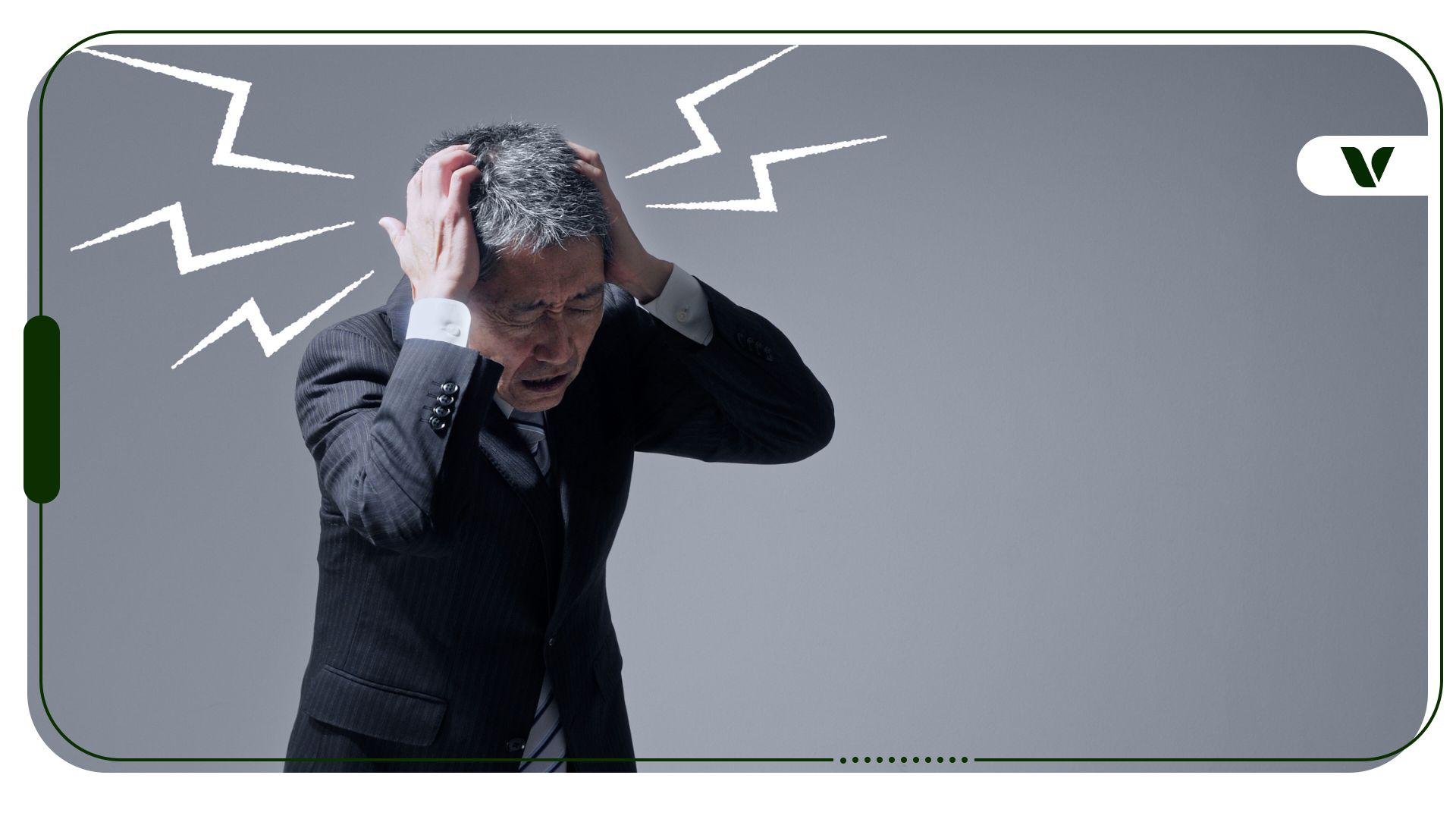
TBI occurs when a sudden impact, jolt, or blow to the head disrupts normal brain function. The injury triggers a cascade of chemical reactions, including excessive release of glutamate, oxidative stress, inflammation, and neuronal damage. Post-concussion symptoms can range from mild headaches to severe cognitive dysfunction, mood disorders, and chronic pain.
Cannabis, particularly cannabidiol (CBD) and tetrahydrocannabinol (THC), interacts with the endocannabinoid system (ECS), which regulates pain, mood, inflammation, and neuroprotection. Studies suggest that cannabis may provide therapeutic benefits in the following ways:
- Reducing Neuroinflammation: CBD and THC have been shown to lower inflammatory markers in the brain, potentially reducing secondary brain damage.
- Minimizing Oxidative Stress: Cannabinoids act as antioxidants, protecting neurons from oxidative damage caused by injury.
- Regulating Glutamate Release: Excess glutamate release after a concussion can cause further damage to brain cells. CBD has been shown to reduce glutamate toxicity, preventing additional harm.
- Promoting Neurogenesis: Some studies indicate that cannabinoids may support the growth of new brain cells, aiding recovery.
- Managing Symptoms: Cannabis may help relieve post-concussion symptoms such as headaches, nausea, anxiety, and insomnia, improving the overall quality of life for TBI patients.
Does Cannabis Have Potential Benefits for Concussions?
Although research on cannabis for concussions is still in its early stages, some promising findings indicate that it may offer significant benefits for those suffering from post-concussion syndrome (PCS). A 2019 study published in Neurology found that 88.3% of patients with chronic migraines who were given medical cannabis reported a reduction in headache frequency, along with improvements in sleep, anxiety, and mood. These findings suggest that cannabis may have potential therapeutic effects for individuals experiencing persistent symptoms related to PCS. Here are the key potential benefits:
- Pain Relief: Many TBI patients experience chronic headaches or migraines. Cannabis, particularly strains with balanced THC and CBD ratios, has shown potential in alleviating these symptoms.
- Mood Regulation: Concussions can lead to anxiety, depression, and irritability. CBD’s anxiolytic properties may help stabilize mood and reduce stress.
- Improved Sleep Quality: Insomnia is a common complaint after a concussion. Indica-dominant cannabis strains or CBD-rich products may improve sleep patterns.
- Reduction in Neurodegeneration: Cannabinoids have demonstrated neuroprotective effects in animal models, suggesting they might slow down neurodegeneration caused by repeated concussions.
However, while cannabis may provide symptomatic relief, it should not be viewed as a cure for TBI. More extensive human trials are needed to determine its full effectiveness and long-term safety.
READ: Traumatic Brain Injury
Is weed safe after a brain injury?
The safety of cannabis use after a concussion depends on several factors, including the patient’s symptoms, medical history, and the type of cannabis product used. Here are key considerations:
- THC vs. CBD: While CBD is generally considered safe and non-intoxicating, THC has psychoactive effects that may temporarily impair memory and cognitive function. High-THC cannabis may not be suitable for individuals experiencing cognitive deficits post-injury.
- Timing of Use: Using cannabis too soon after a concussion may interfere with natural healing processes. It is advisable to consult a healthcare provider before incorporating cannabis into post-concussion care.
- Potential Side Effects: Some individuals may experience dizziness, fatigue, or anxiety when using cannabis. Low doses and balanced THC-to-CBD ratios can help mitigate these risks.
- Method of Consumption: Smoking may not be ideal for TBI recovery due to potential respiratory irritation. Alternative methods, such as tinctures, capsules, or vaporizers, may be safer.
Can You Smoke Weed with a Concussion?
The question of whether one can smoke weed after a concussion is complex. Smoking cannabis may not be the best option due to the potential negative effects of combustion byproducts on brain recovery. However, the choice of cannabis strain and consumption method plays a significant role.
- CBD-Dominant Strains: CBD does not produce intoxicating effects and may provide anti-inflammatory and neuroprotective benefits without impairing cognitive function.
- Avoiding High-THC Strains: THC-rich strains may exacerbate cognitive deficits and impair memory recall, potentially delaying recovery.
- Consumption Method Matters: Instead of smoking, TBI patients may benefit more from sublingual tinctures, edibles, or vaporized cannabis, which provide controlled dosing and minimize lung irritation.
What type of cannabis products are best for managing concussions?
For individuals considering cannabis for concussion recovery, the choice of product is crucial. Some of the most recommended options include:
- CBD-rich oils and Tinctures provide anti-inflammatory and neuroprotective effects without intoxication. They are easy to dose and can be taken sublingually for quick absorption.
- Balanced CBD: THC Ratios (1:1 or 2:1): A moderate amount of THC can enhance pain relief while minimizing psychoactive effects. These ratios provide therapeutic benefits without excessive intoxication.
- Edibles and Capsules: Longer-lasting effects and precise dosing make these a preferred option for managing persistent symptoms. However, they take longer to take effect, so careful dosing is necessary.
- Topical Cannabis Creams: Useful for relieving neck pain or headaches associated with concussions. These products provide localized relief without systemic effects, making them a safe option for pain management.
- Vaporizers: While not ideal for all patients, vaporizing cannabis provides quick relief and allows for controlled dosing. Patients should opt for CBD-dominant or balanced strains to avoid unwanted psychoactive effects.
Medical Disclaimer: This content is for informational purposes only and should not be considered medical advice. Always consult a healthcare professional before using cannabis or any other treatment for concussion recovery.
Final Thoughts
Cannabis is emerging as a potential therapeutic aid for concussion and TBI recovery, offering relief from pain, inflammation, and mood disturbances. While research is promising, more clinical trials are needed to establish definitive safety and efficacy guidelines. If you’re considering cannabis for TBI recovery, consult a qualified healthcare provider to determine the best approach for your specific needs.
For those looking to explore cannabis as a treatment option, Veriheal provides a trusted platform connecting patients with knowledgeable medical marijuana doctors. Through their secure telemedicine services, patients can receive expert evaluations and personalized guidance on cannabis use for neurological conditions. To learn more about how cannabis may benefit TBI recovery, visit Veriheal’s resources and consult with a professional today.
Frequently Asked Questions
Is cannabis good for concussion?
Cannabis shows promise in reducing inflammation, oxidative stress, and pain associated with concussions. However, further research is needed to confirm its full benefits for TBI recovery.
What helps your brain heal after a concussion?
Brain healing requires proper rest, hydration, a nutrient-rich diet, and medical supervision. Some studies suggest that CBD and THC may support neuroprotection and reduce symptoms of post-concussion syndrome.
How can I speed up the recovery of a concussion?
Recovery strategies include getting sufficient sleep, avoiding alcohol, reducing screen time, and using anti-inflammatory agents such as omega-3 fatty acids or CBD.
What slows down concussion recovery?
Factors that can delay recovery include stress, lack of sleep, excessive screen time, alcohol or drug use, and repeated head injuries.
What are the best strains for traumatic brain injury
- Harlequin (high-CBD, low-THC) – Good for reducing inflammation and anxiety.
- Cannatonic (Balanced CBD: THC) – Helps with pain relief and neuroprotection.
- ACDC (high-CBD, very low-THC) – Provides anti-inflammatory benefits without intoxication.
Can you get a medical card for concussions?
In some states, chronic pain and neurological disorders qualify for medical marijuana use. Check local regulations or consult a cannabis doctor to determine eligibility.
Does CBD help with TBI?
CBD has demonstrated neuroprotective and anti-inflammatory properties in animal studies, making it a potential complementary treatment for TBI recovery.
How long after a concussion can you smoke?
No universal guideline exists, but most medical professionals recommend waiting until symptoms subside. If considering cannabis, starting with CBD-dominant products and non-smoking methods is advisable.
References
1. CBD from Hemp Vs Marijuana. (n.d.). Retrieved November 30, 2020, from https://www.concussionalliance.org/cbd-hemp-vs-marijuana
2. CBD Research and Clinical Trials. (n.d.). Retrieved November 30, 2020, from https://www.concussionalliance.org/cbd-research
3. Concussion Alliance. (2019, February 23). Study finds medical marijuana improves concussion symptoms. Retrieved November 30, 2020, from https://www.concussionalliance.org/blog/2019/2/22/study-medical-marijuana-improves-concussion-symptoms
4. Concussion Signs and Symptoms. (2019, February 12). Retrieved November 30, 2020, from https://www.cdc.gov/headsup/basics/concussion_symptoms.html
5. Could a Pill Treat Concussions. (2020, November 22). Retrieved November 30, 2020, from https://news.miami.edu/stories/2016/10/could-a-pill-treat-concussions.html
6. Hampson, A. J., Grimaldi, M., Lolic, M., Wink, D., Rosenthal, R., & Axelrod, J. (2006). Neuroprotective Antioxidants from Marijuana. Annals of the New York Academy of Sciences, 899(1), 274-282. https://nyaspubs.onlinelibrary.wiley.com/doi/abs/10.1111/j.1749-6632.2000.tb06193.x
7. Lee, M. A. (2018, May 02). No Brainer: CBD & THC for Head Injuries. Retrieved November 30, 2020, from https://www.projectcbd.org/medicine/no-brainer-cbd-thc-head-injuries
8. Mcvige, J., Bargnes, V. H., Shukri, S., & Mechtler, L. (2018). Cannabis, concussion, and chronic pain: An ongoing retrospective analysis at Dent Neurologic Institute in Buffalo, NY. Neurology, 91(23 Supplement 1). https://n.neurology.org/content/91/23_Supplement_1/S18.3
9. Symptoms of post-concussion syndrome. (n.d.). Retrieved November 30, 2020, from https://www.concussionalliance.org/symptoms-postconcussion-syndrome
10. CBD Products from Marijuana. (n.d.). Retrieved November 30, 2020, from https://www.concussionalliance.org/cbd-products-marijuana
11. Persistent Post-Concussive Symptoms (Post-Concussion Syndrome). (2020, October 06). Retrieved April 02, 2021, from https://www.mayoclinic.org/diseases-conditions/post-concussion-syndrome/symptoms-causes/syc-20353352
12. Maurer, G. E., Mathews, N. M., Schleich, K. T., Slayman, T. G., & Marcussen, B. L. (2020). Understanding Cannabis-Based Therapeutics in Sports Medicine. Sports health, 12(6), 540–546. https://pubmed.ncbi.nlm.nih.gov/32936058/
13. Millar, S. A., Stone, N. L., Yates, A. S., & O’Sullivan, S. E. (2018). A Systematic Review on the Pharmacokinetics of Cannabidiol in Humans. Frontiers in pharmacology, 9, 1365. https://www.ncbi.nlm.nih.gov/pmc/articles/PMC6275223/
14. Russo E. B. (2011). Taming THC: potential cannabis synergy and phytocannabinoid-terpenoid entourage effects. British journal of pharmacology, 163(7), 1344–1364. https://www.ncbi.nlm.nih.gov/pmc/articles/PMC3165946/
15. Singh, J., & Neary, J. P. (2020). Neuroprotection Following Concussion: The Potential Role for Cannabidiol. The Canadian journal of neurological sciences. Le journal canadien des sciences neurologiques, 47(3), 289–300. https://pubmed.ncbi.nlm.nih.gov/32029015/