Your medical cannabis journey simplified: find partnered dispensaries, explore pricing options, earn rewards, and get answers to FAQs, all in one spot.
January 2, 2026 06:08 pm ETEstimated Read Time: 4 Minutes
Hi friend,
It’s so good to see you. What a year we’ve had, am I right? We’ve made it through another 12 months (that felt a lot more like 24), and we’ve lived through Richter-scale-level news only about… every single day?
Between a sneaky hemp ban added to the federal budget and an official executive order to reschedule cannabis (after three years of waiting) in the last few months, it’s hard to keep up with even the changes in the cannabis industry alone. My head is dizzy, my brain feels full, and I open more notifications from Ganjapreneur and Marijuana Moment than I do from my own friends.
And yes, it’s certainly easy to feel overwhelmed or powerless when you’re constantly faced with massive changes largely out of your control. I know I feel it. Many times this year, I found myself lying on the couch in the Veriheal studio (shoutout Room 420) or flopping into armchairs across from my colleagues as we process the world’s changes together.
But those conversations hold something special (and it’s not something that can be recreated with Chat, no matter how often he validates our ideas). These discussions always bring out our best ideas. When we share our perspectives, experiences, and passions, our differences give each of us a more holistic understanding of our industry and a more well-rounded toolbox for what we’re going to do about it.
Last month, I celebrated two years as Editor in Chief at Veriheal. In this role, I have the distinct privilege of living in the best of both worlds: sometimes deep in the field with the crops and the details, and sometimes high above with the birds, looking down on the big picture.
I’ve seen the massive growth this company has undergone, and I’m privileged to have been at so many tables where the seeds of this growth were first planted. These tables are sometimes cross-departmental, often cross-continental, and always populated by brilliant minds who care about making the world a better place through education, patient advocacy, and quality, accessible wellness support.
See If You Qualify For Medical Marijuana -Select Your State!
Select Your State
Alabama
Alaska
Arizona
Arkansas
California
Colorado
Connecticut
Delaware
Florida
Georgia
Hawaii
Idaho
Illinois
Indiana
Iowa
Kansas
Kentucky
Louisiana
Maine
Maryland
Massachusetts
Michigan
Minnesota
Mississippi
Missouri
Montana
Nebraska
Nevada
New Hampshire
New Jersey
New Mexico
New York
North Carolina
North Dakota
Ohio
Oklahoma
Oregon
Pennsylvania
Rhode Island
South Carolina
South Dakota
Tennessee
Texas
Utah
Vermont
Virginia
Washington
West Virginia
Wisconsin
Wyoming
Never miss a post
Get updates on cannabis culture, new research, and expert insights
Rotation Magazine was born at one of those tables. This year, we officially launched the first two issues of our beloved print publication, giving us the opportunity to spotlight necessary conversations in our industry and adjacent subcultures. Equal parts silly and editorial, scrappy and polished, Rotation is perhaps the best representation of the soul behind Veriheal. In its pages, we have the opportunity to raise awareness, tell stories, educate, and remind the world that there is some good still in it, found in art, community, and, of course, weed.
Cover art for Rotation Magazine, September 2025 | Original artwork by Hayley Steiner
Rotation is just one of the big shifts we’ve marked this year. At the same time, Veri MedTech expanded what care can actually look like for our patients. Our doctors now do so much more than certify medical marijuana cards: they help with the practical reality of using medical cannabis. That can mean writing letters for landlords, employers, law enforcement, and others. It also means having honest conversations with you about how cannabis can fits into your existing wellness routine (prescriptions included). It’s all building on the same core values that have always guided our work: patients deserve relief, dignity, and the freedom to use their medicine on their terms.
And speaking of those values, they’ve brought us even closer to something that once felt almost impossible. This year, Veri MedTech filed to begin the IPO process. And while this process is just beginning, the fact remains: this public offering would make us the first company of our kind to list on a major stock exchange. This shift is one that asks us to look back at how far we’ve come from our door-to-door beginnings, and to appreciate the people, patients, and conversations that made it possible.
In other words, we’re on the precipice of a beautiful new chapter, where cannabis is officially, legally medicine, and those who have been advocating all along can finally scale to amplify impact.
And I don’t know about you, but I can’t wait to see what happens next together.
We seek to help people live better lives by changing the stigma on cannabis. Our aim is to change the image of alternative medicine by creating more ease for all users, more growth in science, more access for all patients, and more transparency in the industry.
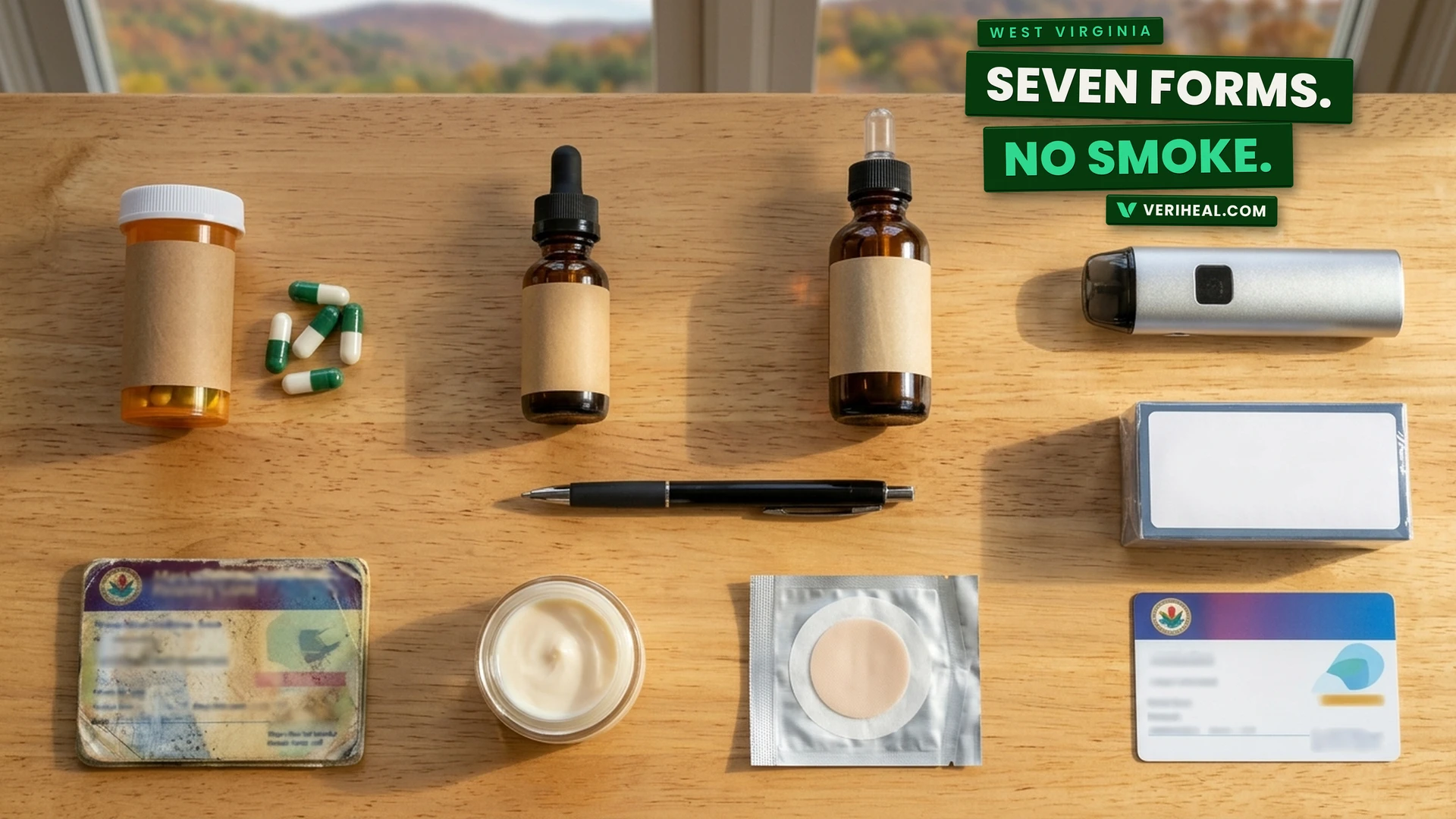
West Virginia allows medical cannabis in approved forms, including pills, oils, tinctures, topicals, patches, and products intended for vaporization, while prohibiting smoking and dispensary-sold edibles. This guide explains the differences between permitted products, dry leaf restrictions, purchase and possession limits, patient registration requirements, certification costs, and important legal considerations for medical cannabis patients.
Post-traumatic stress disorder (PTSD) is a qualifying condition for medical cannabis in Minnesota, with a separate enrollment pathway available to eligible veterans. This guide explains practitioner certification, free state enrollment, veteran exemptions, telehealth evaluations, tax savings, medical versus recreational cannabis benefits, and important considerations involving existing PTSD treatments, insurance coverage, and patient rights.
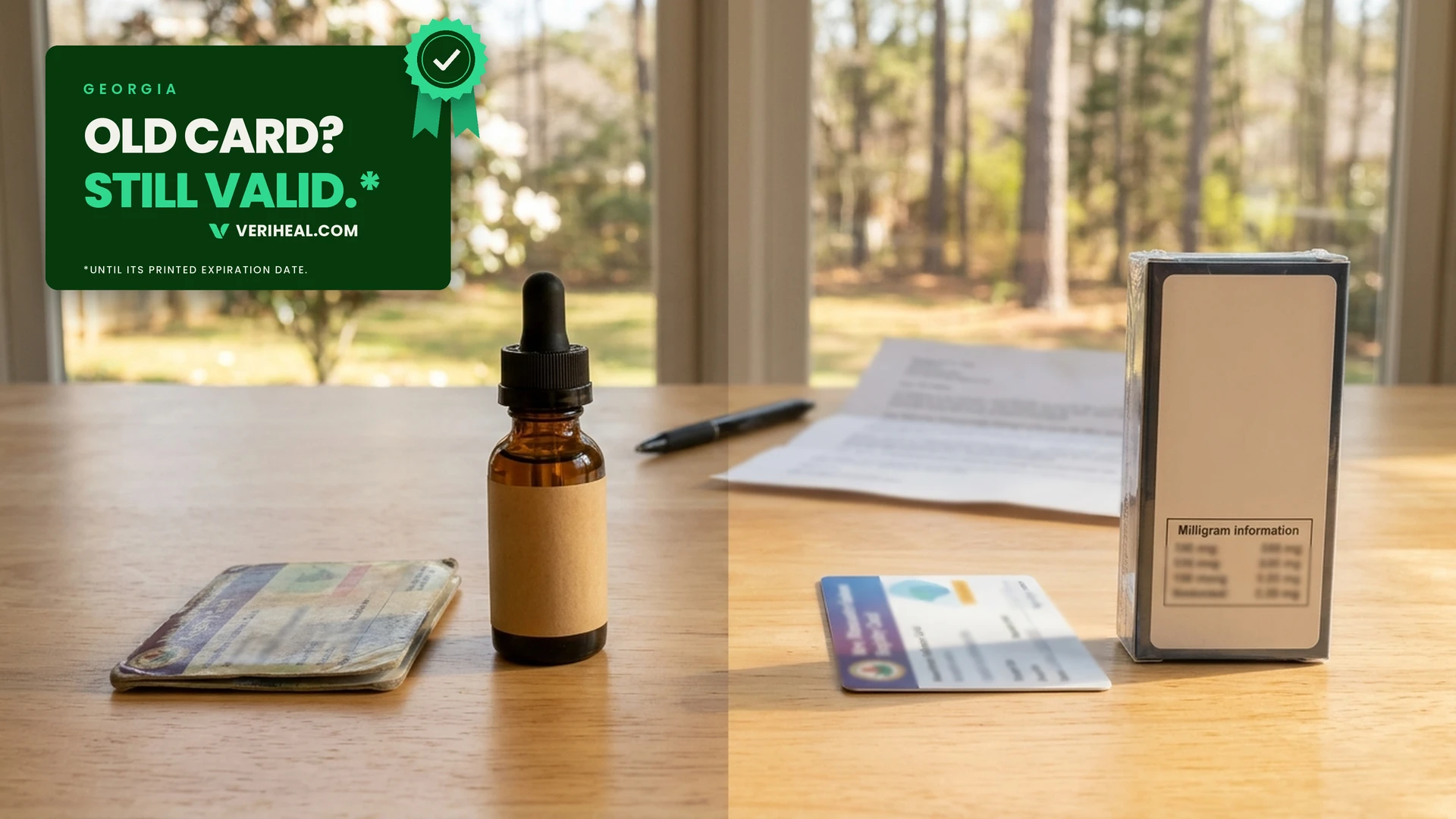
Georgia’s SB 220 replaced the Low THC Oil program with the Medical Cannabis Patient Registry, removing the 5% THC cap and expanding patient access. This guide compares the old and new rules, including possession limits, qualifying conditions, permitted products, physician certification, registration costs, and what existing cardholders need to know about the transition.
West Virginia medical marijuana dispensaries serve registered patients and caregivers, offering state-approved cannabis products through licensed locations. This guide explains how to find dispensaries, obtain a medical cannabis card, prepare for your first visit, understand application costs and financial hardship waivers, and navigate qualifying conditions, purchase limits, and patient privacy considerations.
Getting a medical cannabis card in Minneapolis involves certification from a Minnesota-licensed practitioner and enrollment through the state’s Office of Cannabis Management. This guide explains qualifying conditions, telehealth evaluations, application deadlines, free state enrollment, dispensary locations, caregiver requirements, and the tax savings and legal benefits available to registered patients.
The statements made regarding cannabis products on this website have not been evaluated by the Food and Drug Administration (FDA). Cannabis is not an FDA-approved substance and is still illegal under federal law. The information provided on this website is intended for educational purposes only and is not intended to diagnose, treat, cure, or prevent any disease. It is not intended as medical advice and should not be considered as a substitute for advice from a healthcare professional. We strongly recommend that you consult with a physician or other qualified healthcare provider before using any cannabis products. The use of any information provided on this website is solely at your own risk.