1-855-452-6224 (Customer Support Available 24/7)


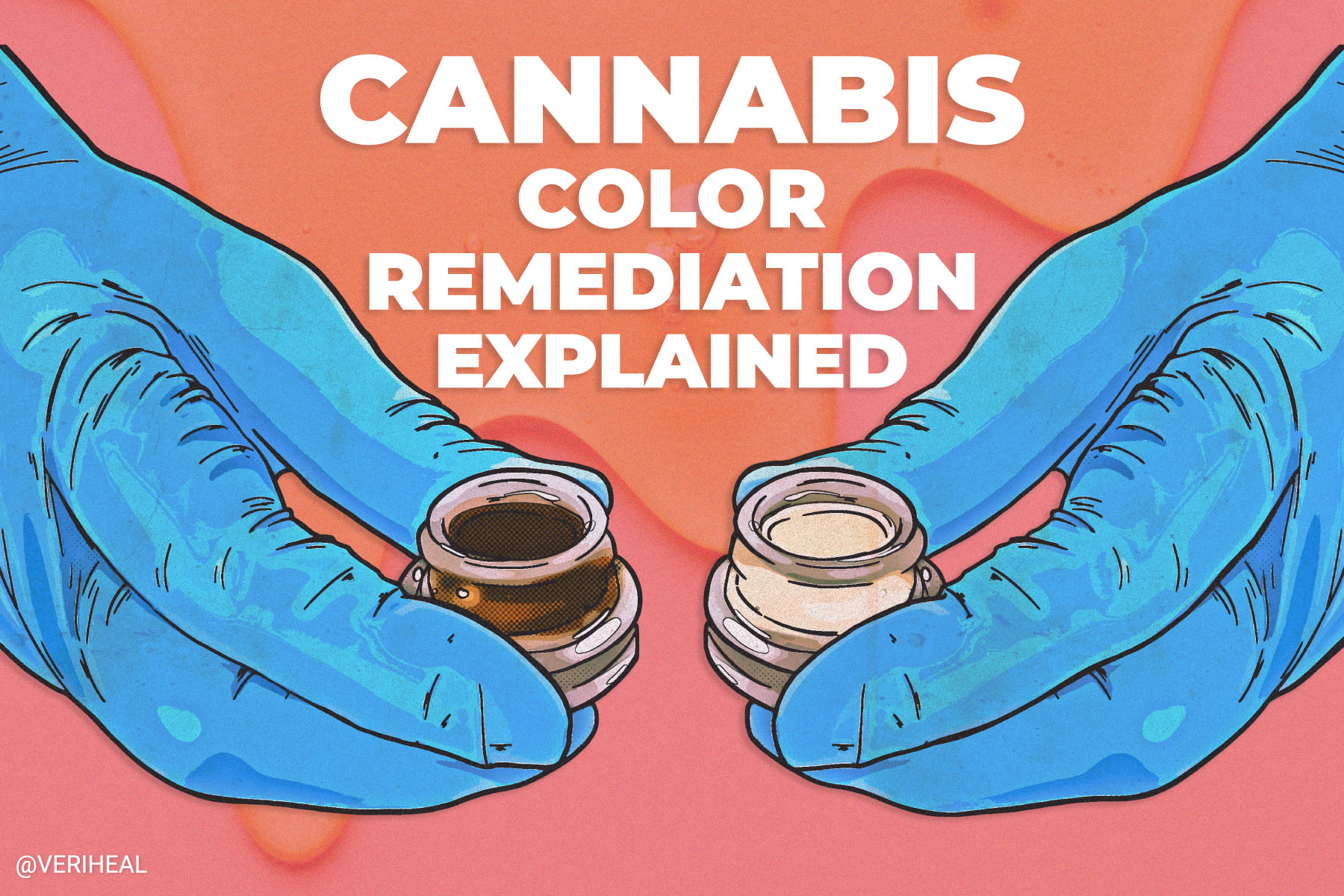
Color remediation is a filtration process that removes impurities and unwanted compounds from cannabis extracts, typically lightening their appearance while potentially improving purity. This technique has become widespread as the cannabis concentrates market has expanded, though it remains controversial among consumers who question whether lighter always means better.
Understanding how color remediation works and when it’s beneficial helps you make informed decisions about extract quality and value.
Color remediation uses specialized filtration media to remove pigments, lipids, and other unwanted compounds from cannabis extracts during the extraction process. The most common method involves passing the extract through a Color Remediation Column (CRC), which contains various adsorbent materials that selectively bind to specific impurities.
The process works through adsorption, where unwanted molecules stick to the surface of the filtration media while desired cannabinoids and terpenes pass through. Different media target different compounds: silica gel removes polar impurities, activated carbon eliminates chlorophyll and other pigments, and bentonite clay captures waxy lipids and plant matter remnants.
The effectiveness of color remediation depends heavily on the specific media used and their quality:
Extract color results from multiple factors including starting material quality, extraction method, processing temperature, and storage conditions. While color can indicate certain quality aspects, it’s not a reliable standalone measure of potency or safety.
Natural color variations occur based on the cannabis plant’s terpene profile, chlorophyll content, and harvest timing. Fresh material typically produces lighter extracts, while older or improperly stored cannabis often yields darker colors due to oxidation and chlorophyll breakdown.
Research on cannabis extract degradation shows that color changes over time primarily result from cannabinoid oxidation rather than contamination, meaning properly stored dark extracts can maintain full potency.
The primary concern surrounding CRC technology centers on whether it masks poor starting material quality rather than genuinely improving extract purity. When performed correctly with high-grade media, color remediation can enhance extract quality by removing genuine impurities like residual plant matter, chlorophyll, and some contaminants.
However, inadequate CRC practices pose legitimate risks. Using low-quality or contaminated filtration media can introduce silica particles, heavy metals, or other harmful substances into the final product. Over-processing through excessive filtration can strip beneficial terpenes and minor cannabinoids, creating visually appealing but less effective extracts.
Proper CRC implementation requires pharmaceutical-grade media, careful ratio control, and testing throughout the process. Reputable extractors use certified materials and conduct residual analysis to ensure no filtration media particles remain in the finished product.
Quality indicators for CRC-processed extracts include:
The choice between CRC and non-CRC concentrates depends on your priorities regarding appearance, price, and processing preference. Both categories can offer high-quality options when produced by skilled extractors using quality starting material, similar to how cannabis concentrates vary in quality based on processing decisions.
Non-CRC extracts showcase the natural characteristics of the source material, including its original color, full terpene spectrum, and minor cannabinoid profile. These products often appeal to consumers seeking minimal processing and maximum strain authenticity, though they may carry higher prices due to the premium starting material typically required.
CRC concentrates offer consistent appearance and can provide excellent value when properly processed. The filtration process can remove genuine impurities while maintaining cannabinoid potency, making it particularly beneficial for extracts from older or lower-grade starting material.
Key evaluation criteria for any concentrate include:
The decision to use color remediation should be based on the specific goals for each extract batch and the quality of available starting material. Color remediation works best as a tool for enhancing already decent material rather than salvaging poor-quality cannabis.
Professional extractors typically reserve CRC for specific situations: removing excessive chlorophyll from fresh-frozen material, clearing extracts from outdoor cannabis with higher plant matter content, or standardizing appearance across product lines. The technique adds processing time and cost, making it economically viable primarily when it genuinely improves the final product.
For consumers, the key lies in understanding that both remediated and non-remediated extracts can offer excellent experiences when produced responsibly. Focus on lab testing, producer reputation, and personal preference for processing style rather than making assumptions based solely on appearance.
The THC distillate market demonstrates how processing techniques can create different product categories, each with distinct advantages. Similarly, CRC and non-CRC concentrates serve different consumer preferences while potentially offering equivalent quality levels.
Quality-focused producers often offer both options, allowing consumers to experience the difference firsthand. Many find that properly executed CRC maintains the essential characteristics that make live resin and other premium extracts appealing while providing visual consistency and potential purity improvements.
To explore your medical cannabis options and connect with qualified healthcare providers, visit Veriheal’s doctor directory.
Note: The content on this page is for informational purposes only and is not intended to be professional medical advice. Do not attempt to self-diagnose or prescribe treatment based on the information provided. Always consult a physician before making any decision on the treatment of a medical condition.
Note: Veriheal does not support illegally consuming therapeutic substances such as cannabis but acknowledges that it transpires because of the current illicit status, which we strive to change by advocating for research, legal access, and responsible consumption. Always consult a physician before attempting alternative therapies.
CRC stands for Color Remediation Column, a filtration system that removes impurities and pigments from cannabis extracts during processing. The technique uses various filtration media to selectively bind unwanted compounds while preserving cannabinoids and terpenes.
Properly executed CRC processing using pharmaceutical-grade media is safe and can improve extract purity. Safety concerns arise only when low-quality filtration materials are used or when inadequate testing fails to detect media residues in the final product.
Color remediation primarily removes non-psychoactive compounds like chlorophyll and plant pigments rather than cannabinoids. When performed correctly, CRC maintains or slightly improves potency by concentrating active compounds, though over-processing can strip beneficial terpenes.
CRC-processed extracts typically have very light, consistent coloring and may lack the natural color variations seen in non-processed concentrates. Many producers now disclose CRC use on their packaging, and the unusually uniform appearance often indicates filtration processing.
Extract color alone doesn’t determine quality, as natural factors like terpene profile and starting material age influence appearance. Dark extracts can maintain full potency and effectiveness, while some light-colored extracts may have been over-processed, removing beneficial compounds along with pigments.
Sign up for our newsletter
Learn the process in your state
All Rights Reserved Veriheal Inc. ©
Terms Privacy Policy Advertising Agreement Content Disclamer


Get your medical marijuana card today
Sign up in under 5 minutes
Start By Selecting Your State
 Alabama
Alaska
Arizona
Arkansas
California
Colorado
Connecticut
Delaware
Florida
Georgia
Hawaii
Idaho
Illinois
Indiana
Iowa
Kansas
Kentucky
Louisiana
Maine
Maryland
Massachusetts
Michigan
Minnesota
Mississippi
Missouri
Montana
Nebraska
Nevada
New Hampshire
New Jersey
New Mexico
New York
North Carolina
North Dakota
Ohio
Oklahoma
Oregon
Pennsylvania
Rhode Island
South Carolina
South Dakota
Tennessee
Texas
Utah
Vermont
Virginia
Washington
West Virginia
Wisconsin
Wyoming
Puerto Rico
Alabama
Alaska
Arizona
Arkansas
California
Colorado
Connecticut
Delaware
Florida
Georgia
Hawaii
Idaho
Illinois
Indiana
Iowa
Kansas
Kentucky
Louisiana
Maine
Maryland
Massachusetts
Michigan
Minnesota
Mississippi
Missouri
Montana
Nebraska
Nevada
New Hampshire
New Jersey
New Mexico
New York
North Carolina
North Dakota
Ohio
Oklahoma
Oregon
Pennsylvania
Rhode Island
South Carolina
South Dakota
Tennessee
Texas
Utah
Vermont
Virginia
Washington
West Virginia
Wisconsin
Wyoming
Puerto Rico