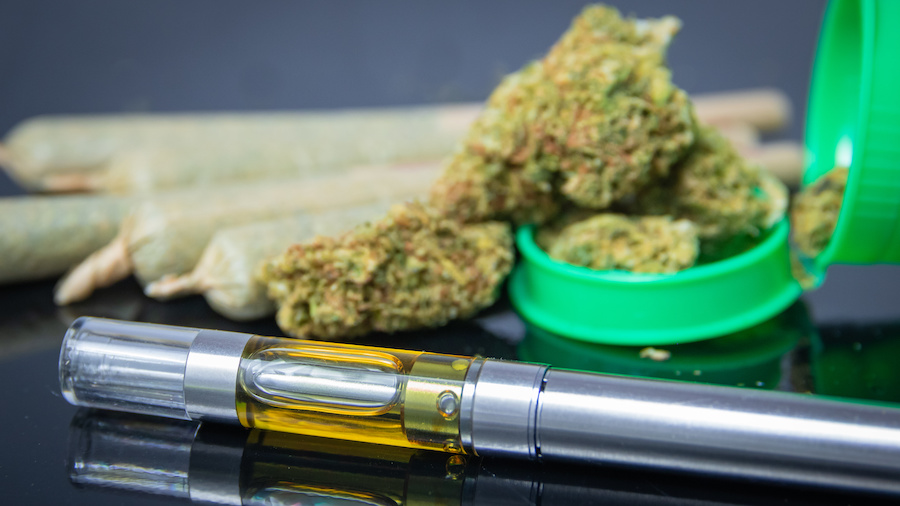
Counterfeit THC cartridges contain dangerous additives like vitamin E acetate and heavy metals that have caused thousands of hospitalizations. These fake products flood illicit markets because they cost pennies to produce while genuine cartridges require expensive testing and compliance. Learning to spot the visual signs, packaging red flags, and verification methods can protect you from serious health risks.
Why Fake THC Cartridges Are Dangerous
Counterfeit cartridges pose immediate health threats because manufacturers use toxic cutting agents to stretch their profit margins. Vitamin E acetate caused the 2019 EVALI outbreak that hospitalized over 2,800 people and killed 68 across the United States. This chemical creates a coating in your lungs that prevents oxygen absorption, leading to severe breathing problems that can develop within hours of use.
Beyond vitamin E acetate, fake carts regularly contain heavy metals, pesticides, and synthetic additives that legitimate producers test for and remove. The illicit market has no oversight, which means manufacturers can use whatever cheap materials keep costs low. Users report symptoms including chest pain, difficulty breathing, nausea, vomiting, and in severe cases, lung collapse requiring emergency treatment.
The risk compounds because counterfeit producers often reuse cartridge hardware multiple times, leading to bacterial contamination and residue buildup. Unlike licensed manufacturers who follow strict sanitation protocols, fake cart operations prioritize speed and volume over safety, creating products that can harm you in multiple ways with each use.
Visual Signs of Counterfeit THC Cartridges
Authentic cartridges follow specific visual standards that counterfeit producers struggle to replicate accurately. The oil consistency provides your first clue, since legitimate cannabis oil flows slowly and maintains a thick, honey-like texture. If the oil moves quickly when you flip the cart or appears thin and watery, you’re likely holding a fake that has been cut with cheap thinning agents.
Hardware quality separates real products from counterfeits immediately. Genuine cartridges use precise threading, smooth airflow holes, and consistent glass thickness throughout the chamber. Fake carts often feature crooked threading that doesn’t align properly with batteries, uneven airflow holes that affect draw resistance, and thin glass that feels flimsy compared to authentic products.
The color and clarity of the oil tells you about processing quality. Real cannabis oil ranges from light amber to dark honey, depending on the extraction method and strain. Fake cartridges often contain oil that appears artificially clear, unnaturally dark, or has visible particles floating inside that indicate contamination or poor filtration.
Packaging Red Flags to Watch For
Licensed cannabis brands invest heavily in tamper-proof packaging because state regulations require specific safety features that counterfeiters cannot easily duplicate. Authentic packages include holographic stickers, QR codes that link to third-party lab results, and child-resistant mechanisms that require precise movements to open. Generic packaging with basic printing, missing holograms, or simple twist-off caps signals a counterfeit product.
- Spelling errors and poor graphics quality expose fake packaging immediately. Legitimate brands undergo extensive review processes before printing, which means authentic packages contain correct spelling, consistent fonts, and high-resolution images. Counterfeit packages often feature misspelled strain names, blurry logos, inconsistent text formatting, and graphics that appear pixelated or poorly aligned.
- State compliance markings provide another verification layer that fakes struggle to replicate. Real products display state-specific tracking numbers, testing facility logos, and regulatory warnings that match the state where you purchased the cart. Expiration information should appear clearly on authentic packaging with specific batch numbers and manufacturing dates you can verify through state tracking systems. Weed carts do expire, and legitimate brands disclose this on every package.
- Brand authentication features like unique serial numbers, scratch-off verification codes, and company-specific design elements help you confirm authenticity. Many legitimate brands maintain verification websites where you can enter product codes to confirm your cart comes from their official production line rather than a counterfeit operation.
Lab Testing and COA Verification
Certificates of analysis reveal the comprehensive testing that separates legitimate cartridges from dangerous fakes. Authentic COAs include testing for pesticides, heavy metals, residual solvents, microbials, and cannabinoid potency performed by state-licensed third-party laboratories. The testing facility’s name, license number, and contact information should appear clearly on the certificate, allowing you to verify the lab’s credentials independently.
Real COAs display specific pass/fail results for each tested category rather than generic “passed” stamps that counterfeiters often use. You should see numerical results for pesticide levels, heavy metal concentrations, and residual solvent percentages that fall within state-approved limits. Fake certificates typically show results that are too perfect, with zeros across all contamination categories that legitimate testing rarely produces.
QR codes on authentic packaging link directly to the specific COA for your exact product batch. Scanning the code should take you to the testing lab’s website or a state-verified portal that displays your cart’s individual test results. Fake QR codes often lead to generic websites, broken links, or COAs that don’t match your product’s batch number and manufacturing date.
Contact the testing laboratory directly using information from their official website to verify that they actually tested your specific product batch. Licensed labs maintain detailed records and can confirm whether a COA matches their testing procedures and reporting format.
Where to Buy Legitimate THC Cartridges
Licensed dispensaries provide your only guarantee of receiving genuine, tested cartridges because state tracking systems monitor every product from cultivation to sale. These facilities must verify the authenticity of all inventory before offering it to customers, which means products undergo multiple verification steps that eliminate counterfeits from the supply chain. Dispensary purchases also provide legal protection and recourse if you encounter quality issues with your cart.
State tracking systems like California’s METRC or Colorado’s RFID programs assign unique identification numbers to every legitimate cart that moves through the regulated market. Licensed retailers can show you how to verify these tracking numbers through official state websites, confirming your product’s journey from producer to dispensary shelf.
Avoid purchasing cartridges from unlicensed sources, including delivery services operating outside state oversight, social media vendors, or informal markets that cannot provide proper documentation. While prices may seem attractive, these sources cannot guarantee product safety and often sell counterfeits that pose serious health risks. Understanding what THC distillate is helps you ask informed questions about extraction methods and testing when shopping at legitimate dispensaries.
Getting started with medical cannabis through proper channels protects your health while ensuring access to tested, regulated products. Find a licensed medical marijuana doctor to explore legal options in your state and learn about qualified patient protections that keep you safe from counterfeit products.
Note: The content on this page is for informational purposes only and is not intended to be professional medical advice. Do not attempt to self-diagnose or prescribe treatment based on the information provided. Always consult a physician before making any decision on the treatment of a medical condition.
Note: Veriheal does not support illegally consuming therapeutic substances such as cannabis but acknowledges that it transpires because of the current illicit status, which we strive to change by advocating for research, legal access, and responsible consumption. Always consult a physician before attempting alternative therapies.
Frequently Asked Questions
How can you tell if a THC cart is fake?
Fake THC cartridges typically have thin, fast-moving oil, poor hardware quality with crooked threading, and packaging with spelling errors or missing compliance markings. Authentic carts contain thick, slow-moving oil and feature tamper-proof packaging with QR codes linking to verified lab results.
What happens if you smoke a fake cart?
Smoking counterfeit cartridges can cause immediate respiratory problems, chest pain, nausea, and severe lung injury from toxic additives like vitamin E acetate. The 2019 EVALI outbreak hospitalized thousands of people who used fake carts containing dangerous cutting agents.
Do fake carts have QR codes?
Some fake carts include QR codes, but they typically lead to broken links, generic websites, or certificates that don’t match the product’s batch information. Authentic QR codes connect directly to third-party lab results with specific test data for your exact product.
Where should you buy THC cartridges to avoid fakes?
Purchase only from licensed dispensaries that operate under state oversight and tracking systems. These retailers verify product authenticity through regulated supply chains and provide legal recourse if quality issues arise.
What do real COAs look like?
Legitimate certificates of analysis display specific numerical results for pesticides, heavy metals, and contaminants from state-licensed testing facilities. Real COAs include the lab’s name, license number, and contact information, allowing you to verify the testing directly with the facility.
Author, Share & Comments