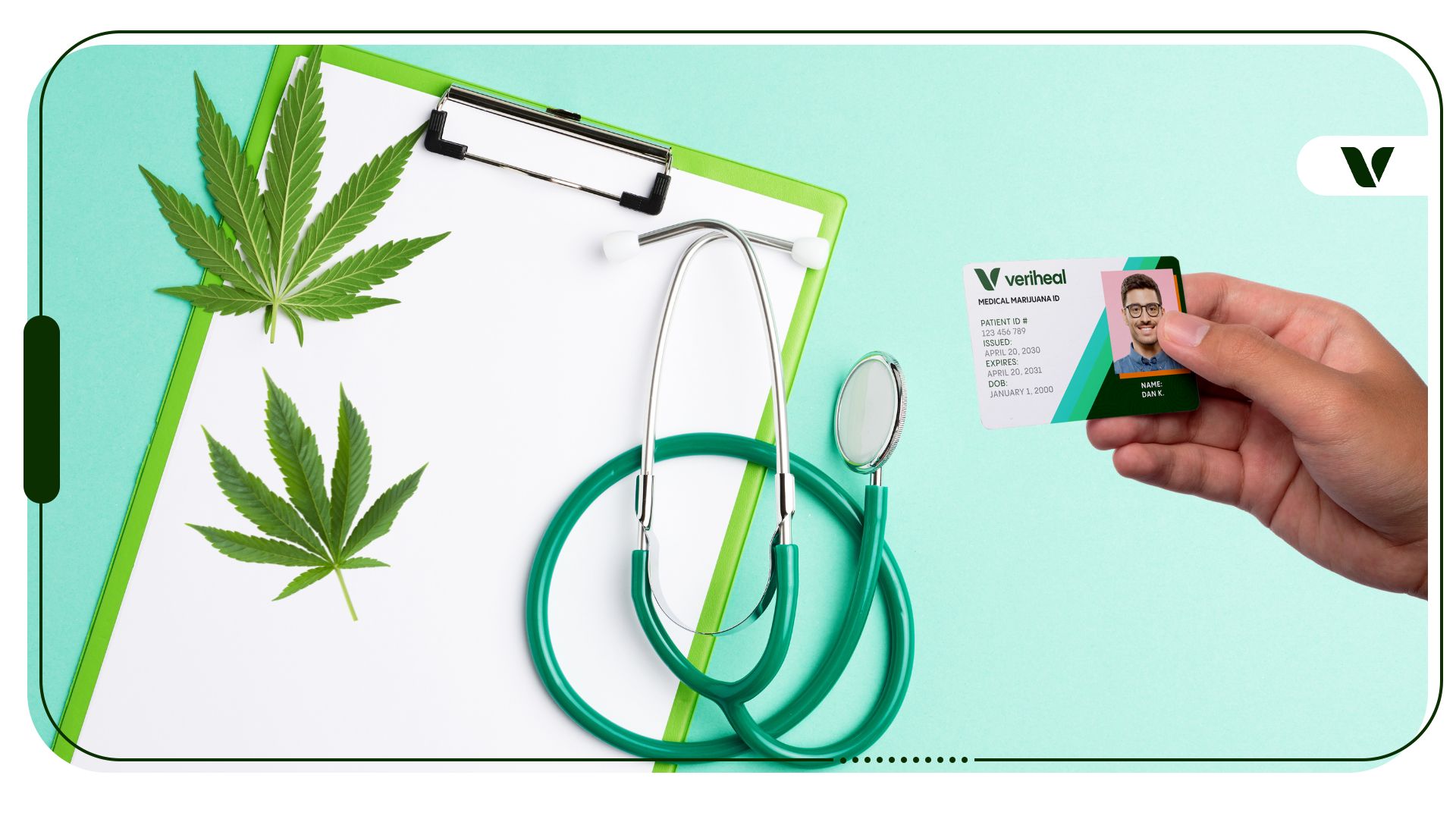
Have you been considering obtaining a medical marijuana card? If so, there’s never been a better time to get one. The past three decades following the passage of California’s Prop 215 in 1996 have witnessed a revolutionary surge of legal, cultural, and wellness movements that accelerated acceptance, understanding, and use of the cannabis plant for therapeutic and medicinal purposes.
As research expands, so does evidence supporting the medicinal use of cannabis compounds, most notably the cannabinoids THC and CBD, to treat a range of conditions. Today, medical marijuana has thus emerged as an alternative treatment option available to many people who prefer cannabis over certain pharmaceuticals, such as opioid narcotics or benzodiazepines.
However, with an increasing variety of providers and ways to apply for a medical marijuana card, plus inconsistent laws in each state, it can be difficult to figure out where to start. Fortunately, you can consider this your starting point! We have created this article to guide you through the process of applying for, obtaining, and renewing your medical marijuana card.
Benefits of Getting a Medical Marijuana Card
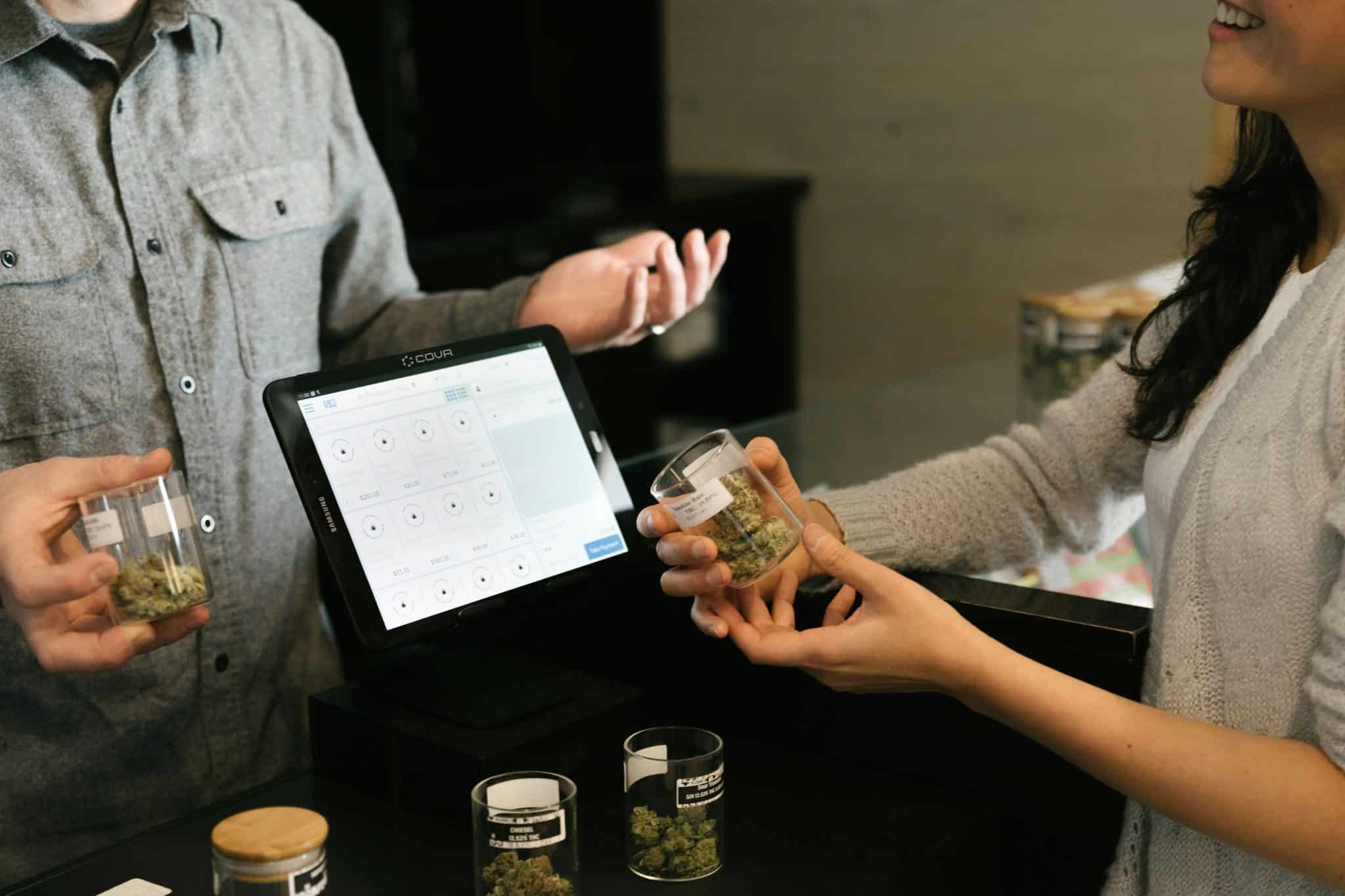
As of November 2024, 38 U.S. states allow for the medical use of cannabis through comprehensive legal programs. These states permit adults aged 18 (or in some states, age 20) and over to legally purchase, possess, and consume cannabis products to treat certain qualifying medical conditions. While 24 of these states also have programs allowing adults over 21 to purchase and use cannabis products, there are a number of benefits available to people who qualify for and obtain a medical card. So, even if you live in a legalized state, it is still advantageous to apply for a medical marijuana card if you are using cannabis to treat a particular health condition.
Besides giving a person access to medical cannabis in states, obtaining a medical marijuana card affords qualifying patients the following benefits:
- Lower age restrictions: While states with legalized adult-use recreational cannabis programs have a minimum age limit of 21 years, approved patients with a medical card can obtain and consume legal medical marijuana in their home state by age 18 in the U.S., with certain states like Illinois and Connecticut even allowing for minors meeting specific conditions to use certain forms of medical marijuana.
- Reduced or waived taxes: Medical marijuana patients generally pay less for products at dispensaries than recreational users in almost every state with medical and recreational programs. This is because most states and local jurisdictions offer lower cannabis tax rates for medical marijuana patients, or in certain places like Massachusetts, medical cannabis is not subject to state tax at all.
- Purchase greater quantities: Medical marijuana patients can buy more cannabis at one time than recreational users in every legal state. For example, the majority of states with legalized adult-use cannabis programs only allow recreational users to buy up to 1 ounce (or 28g) of cannabis flower at one time. Patients with a medical marijuana card typically can purchase higher quantities of product, but this upper limit may vary significantly between states, with quantity restrictions for flower ranging from 2 ounces to 10 ounces.
- Access to higher potency products: Some states also place dosage limitations on recreational cannabis products as opposed to medical cannabis products. Thus, having a medical marijuana card also provides access to products with higher concentrations of THC (tetrahydrocannabinol) in certain states. Depending on a person’s health condition, these dosages may be essential for achieving therapeutic effects, making a medical marijuana card especially valuable in states with limits on products.
- Permission to grow more plants: In states that allow people to cultivate their own cannabis plants at their residences, medical marijuana patients are often permitted to grow more plants for personal use than adults of legal age. Certain states, like Washington, do not allow recreational users to grow cannabis at all, so a medical marijuana card is required to legally grow plants for personal use.
- Buying cannabis in med-only states: Since it is illegal to travel across state lines with cannabis, medical marijuana users without a card can end up deprived of medication while on travel if the state they are visiting lacks an adult-use program. For this reason, some states have medical cannabis reciprocity laws that allow visiting patients holding a medical marijuana card from another state to buy products at local dispensaries. This is especially useful for traveling to many of the Southern states, like Louisiana or Arkansas, where there is no recreational adult-use program in place, but qualifying patients with out-of-state medical marijuana cards can still buy from dispensaries.
Process To Get Your Medical Marijuana Card
The procedures and requirements associated with applying for a medical marijuana card can vary from state to state, but the process typically has some basic steps in common across different jurisdictions. The overall application process can be summarized by these general steps:
Step 1: Confirm Eligibility
First, you must determine whether you qualify for a medical marijuana card in your state by seeing if you have a medical condition approved by your state’s program. States typically have unique lists of qualifying medical conditions, which can be found online.
Also, if you are under 18, you will need to obtain special permission to be approved as a medical marijuana patient in any legal state. While a specific state’s approved health conditions for medical marijuana can be more or less diverse than the following list, some common examples of qualifying health conditions for medical marijuana include:
- Chronic pain
- Cancer
- Epilepsy and seizure disorders
- HIV/AIDS
- Multiple sclerosis (MS)
- Post-traumatic stress disorder (PTSD)
Step 2: Obtain a Recommendation from a Certifying Healthcare Provider
To be approved as a medical marijuana patient, you must schedule an appointment with a licensed physician or other approved medical professional authorized in your state to prescribe medical cannabis. While obtaining these recommendations often requires a specialized physician, select states will also register physician assistants and nurse practitioners as certifying healthcare providers.
In some states, you can complete this step via telemedicine, while others require in-person consultations. The following states currently permit the use of telemedicine for obtaining medical cannabis recommendations:
- Alaska
- California
- Connecticut
- Georgia
- Illinois
- Iowa
- Louisiana
- Maryland
- Massachusetts
- Michigan
- Minnesota
- Missouri
- Montana
- Nevada
- New Hampshire
- New Jersey
- New York
- North Dakota
- Ohio
- Oklahoma
- Pennsylvania
- Texas
- Vermont
- Virginia
- Washington
- Washington DC
- West Virginia
If your state allows you to consult with a licensed medical professional over telemedicine, and you would prefer to take this route, specialized telemedicine platforms such as Veriheal are available to help. Make sure that the platform is reputable and state-approved with licensed physicians familiar with your state’s cannabis laws. It is also important that you ensure that the platform is HIPAA-compliant and takes your personal health privacy seriously.
Then, all you need to do is sign up on the platform, provide basic personal information, and schedule an appointment. In fact, you can access all these benefits and more here at Veriheal, so you are already at the right place to begin the online evaluation process.
During your scheduled online video or in-person consultation, you will discuss your medical history, symptoms, and reasons for seeking medical cannabis. If the certifying physician/provider determines that you qualify, they will provide a certification or recommendation.
Step 3: Prepare Required Documentation
In many states, once you have your certification or recommendation from a licensed cannabis healthcare provider, you can just bring this document to a dispensary and begin your exploration of medical marijuana—congratulations!
However, certain states require medical cannabis patients to obtain a state-issued medical marijuana card. Although each state has different required documents for obtaining your own medical marijuana card, you will generally at least need:
- Government-issued ID proving residency in your state.
- The certification or recommendation given to you from an authorized healthcare provider.
Step 4: Submit Your Application
Now that you have all the paperwork together, you will need to complete an official medical marijuana card application, if required. These applications are typically available to fill out online through the state’s health department or cannabis regulatory agency.
You will likely need to pay an application fee as well. Fees will vary depending on your state, but they generally range from $25 to $100. Certain states, however, charge no application fee at all. You can upload your documents, pay the application fee, and submit your forms through the state’s online system, and done–you should be on your way to receiving your medical marijuana card!
States vary in processing times for application approval, with some states processing applications within a few days, while others can take weeks. Once your application is approved, you will receive your medical marijuana card, either in the form of a digital document or a physical card, which you can then use to purchase cannabis as a certified medical marijuana patient at your local dispensary.
Renewing your Medical Marijuana Card
A medical marijuana card usually needs to be renewed every 12 months, but some states require even more frequent renewals, so consult your state’s program regulations to get an understanding of when your card will expire. To renew your card, simply repeat steps 2-4. If you are obtaining a referral via telemedicine, platforms like Veriheal will even offer discounts for returning patients who need to renew their medical marijuana patient certification.
Advantages of Telemedicine vs. In-Person Medical Consultations
Telemedicine is a revolutionary resource for patients interested in medical marijuana evaluations. Here are some of the benefits of using telehealth services versus traditional in-person office visits to obtain a referral for medical cannabis:
Convenience and Efficiency
Telemedicine is a convenient option that allows medical marijuana card applicants to consult with a doctor in the comfort and privacy of their own homes. By using telemedicine to obtain your medical marijuana referral, you can schedule your appointment and attend your evaluation without having to commute to a healthcare office. This not only saves you the time and hassle of fitting a trip to an in-person appointment into your schedule, but you also receive the added benefit of efficiency, as many telemedicine platforms will offer same-day or next-day appointments so you can complete your evaluation quickly.
Accessibility
Aside from affording prospective medical cardholders greater comfort and convenience, telehealth consultations can also be helpful for patients with physical disabilities or mobility challenges. For these patients, it may be more complicated, painful, or physically exhausting to travel to visit a clinic, so the availability of cannabis consultations via telemedicine ensures fair, equitable access to medical cannabis certification for people with disabilities. In addition, virtual doctor’s appointments can help immunocompromised individuals who risk exposure to diseases at an in-person office.
Telemedicine makes getting a medical marijuana card available to a wider range of patients. People restricted to remote or rural areas may need to travel long distances to find a qualified medical cannabis healthcare provider, meaning certain communities face inequitable access to sufficient medical care that could offer them relief. With telemedicine services, underserved communities can pursue alternative options for obtaining medical marijuana certification.
Customer Support
Certain telehealth platforms, particularly Veriheal, offer 24/7 customer support for their patients. So, if you have any application-related questions or issues, or if you are navigating the process for the first time and would like some guidance, a telehealth platform can promptly connect you with an expert support team member who will assist you along every step of the process.
Ready to get Started? Apply Today With Veriheal!
By leveraging telemedicine with Veriheal, you can enjoy a more efficient, comfortable, and convenient experience when applying for a medical marijuana card. With a team of dedicated physicians, a secure HIPAA-compliant online platform, and 24/7 customer support, Veriheal offers the full spectrum of resources you will need to take on getting your own medical marijuana card with confidence.
Author, Share & Comments