Your medical cannabis journey simplified: find partnered dispensaries, explore pricing options, earn rewards, and get answers to FAQs, all in one spot.
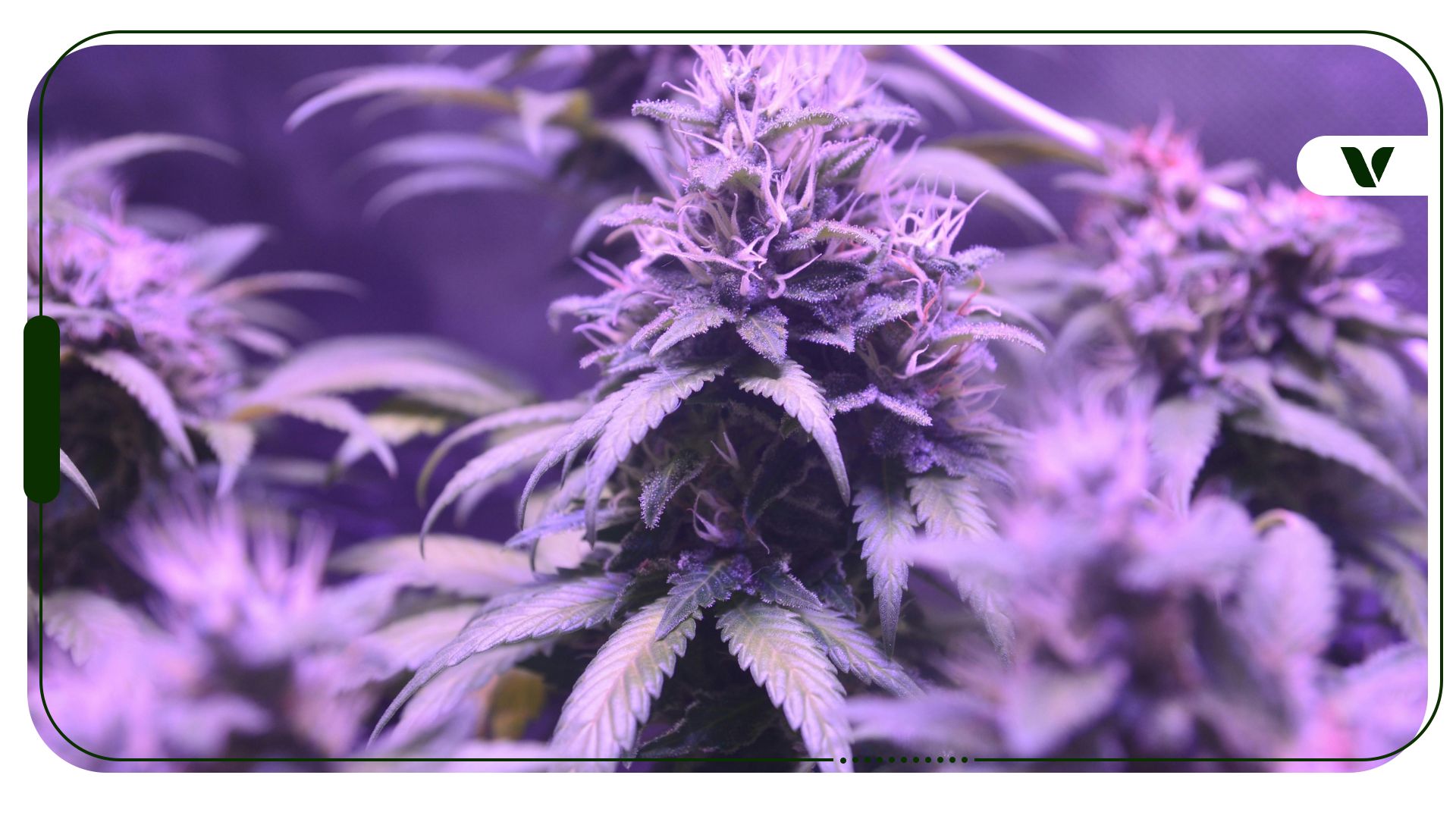
In the age of genomics, mapping the genetic blueprint of plants offers scientists a powerful tool for understanding, and even shaping, the traits that make them valuable. While humans have been domesticating cannabis for over 12,000 years, we are only just beginning to understand the intricacies of the plant at the genetic level. Despite over a decade of research into the cannabis genome, scientists are still piecing together how specific genes influence the plant’s rich phytochemical profile of beneficial cannabinoids, most famously tetrahydrocannabinol (THC) and cannabidiol (CBD). For cultivators and researchers of Cannabis sativa, genomic mapping of the plant is not just a scientific milestone—it is a gateway to agricultural innovation, pharmaceutical development, and bioethical debate.
Since 2011, scientists have been making progress toward effectively sequencing and analyzing the full DNA of cannabis plants. Today, researchers are now mapping the cannabis genome with more detail, making it a potentially powerful tool for growers, patients, and the entire cannabis industry. New advances in gene sequencing technology are accelerating our ability to decode these genetic patterns, allowing for enhanced targeted breeding and gene-editing techniques, such as CRISPR (clustered regularly interspaced short palindromic repeats)—or CRISPR/Cas9 (CRISPR-associated protein 9).
This article discusses how analyzing cannabis plant genomes with greater precision will be important for our understanding of how the plant’s genes shape their phytochemical makeup, allowing for more deliberate and effective selection (through breeding or gene-editing technologies) of plants with certain useful traits, such as high CBD or CBG (Cannabigerol) content, and pest-resistance. Furthermore, we consider how this progress comes with controversy and explore current debates concerning the risks and bioethical implications of engineering cannabis at the genetic level using technologies like CRISPR.
Completing the Genetic Map
Every living thing carries a genome—a complete set of DNA that guides how it grows, develops, and functions. Genomic mapping serves as a foundational reference for biologists aiming to understand how genes influence the observable traits of an organism. For cannabis, these traits include everything from physical features, like height, shape, and flowering time, to biochemical features that define its medicinal and psychoactive profile, including cannabinoids (like CBD and THC) and aromatic compounds (like terpenes).
Mapping the cannabis genome is important because it can tell us how certain traits arise, like why some strains are rich in CBD while others are high in THC, or how a plant resists pests or yields more abundant flowers. Sequencing the cannabis genome allows scientists to identify exactly which genes are responsible for specific traits. With that knowledge, it is possible to select cannabis with better precision and consistency to achieve desirable effects. So, for example, if we want to create a strain that won’t cause anxiety or a hemp crop that resists mold without fungicides, genomic tools can make these traits easier to track and select.
The challenge lies in the complexity of the cannabis genome. Scientists find genes complicated to disentangle because they cluster together, sometimes have multiple copies, and hide in complex parts of the genome. This makes them challenging to study and even more challenging to manipulate. Cannabis is especially complex because it is a dioecious species with different genetic markers for male and female plants, and the plant contains numerous repeating tandem cannabinoid genes. Thanks to the latest genome maps, scientists are finally mapping how these gene clusters arrange themselves and influence the plant’s final chemistry.
The first draft of the cannabis genome was assembled back in 2011 using a high-THC strain called Purple Kush. Such early versions of the genome, however, remained incomplete or inconsistent, making it hard to connect specific genes to real-world traits.
A major breakthrough in cannabis genomics came in 2020 with the sequencing of a strain called Cannbio-2. This strain is a 1:1 balanced cultivar that naturally produces equal parts CBD and THC, which was able to give researchers a much clearer, more complete picture of the plant’s genome. The Cannbio-2 assembly offered the most complete and annotated cannabis genome to date, identifying the plant’s ten chromosomes and the location of key genes involved in cannabinoid production.
Then, in 2021, another team built a high-resolution genome map for a strain called CBDRx. This strain is a high-CBD cultivar with inherited DNA from both marijuana and hemp ancestors. Although CBDRx exhibits predominantly marijuana ancestry, researchers found it carries functional copies of the CBD gene from hemp, while the THC-producing gene from the strain’s marijuana ancestors remains mostly inactive.
Cannabinoid Genes
The cannabis genome contains special genes responsible for producing cannabinoids. Two of the most important ones are CBDAS and THCAS (cannabidiolic acid synthase and tetrahydrocannabinolic acid synthase), which produce raw CBDA and THCA, respectively. These genes draw from the same raw material, cannabigerolic acid (CBGA), to make their corresponding cannabinoids. Ultimately, the balance between these genes determines what levels of these cannabinoids the plant produces, and later decarbed by harvesting and processing into CBD and THC, respectively.Understanding these genes could help create custom cultivars aimed at more therapeutic, higher potency, or more balanced effects.
With the genome mapped, cannabis breeders can start doing what fruit and vegetable breeders have been doing for years: using genetic markers to make precision changes to their plants’ traits. Instead of growing hundreds of plants and testing them all in the lab, breeders can test a seedling’s DNA and know right away whether it will produce the desired traits.
See If You Qualify For Medical Marijuana -Select Your State!
Select Your State
Alabama
Alaska
Arizona
Arkansas
California
Colorado
Connecticut
Delaware
Florida
Georgia
Hawaii
Idaho
Illinois
Indiana
Iowa
Kansas
Kentucky
Louisiana
Maine
Maryland
Massachusetts
Michigan
Minnesota
Mississippi
Missouri
Montana
Nebraska
Nevada
New Hampshire
New Jersey
New Mexico
New York
North Carolina
North Dakota
Ohio
Oklahoma
Oregon
Pennsylvania
Rhode Island
South Carolina
South Dakota
Tennessee
Texas
Utah
Vermont
Virginia
Washington
West Virginia
Wisconsin
Wyoming
Never miss a post
Get updates on cannabis culture, new research, and expert insights
This approach is called marker-assisted selection, and it is helpful for speeding up the selection process, reducing resource waste, and helping farmers grow the exact plants they need. Aside from selecting cannabinoids, growers can produce plants with directly targeted traits like enhanced flowering time, plant height, and environmental resilience, as these are all influenced by the plant’s genetics.
One exciting development comes from the study of genomes sampled found in wild cannabis plants from places like Tibet, which contain rare genetic traits that have been lost through domestication. These wild genes could help reintroduce natural strength, pest resistance, and adaptability into modern cultivars, which can be especially advantageous to growers in climates or environments less optimal for growing cannabis plants.
CRISPR and the Cannabis Industry
With the cannabis genome sequenced to a higher resolution, the next step is gene manipulation. A modern gene-editing method called CRISPR —dates back to 1987 and involves the splitting and altering of gene sequences in an organism’s DNA. The technique has substantially advanced life science research enough to win the Nobel Prize in 2020, because it allows researchers to find a specific location in the DNA, cut it, and then either remove, fix, or replace a gene with a high level of precision.
CRISPR has become the preferred method for making genetic edits to plants. Unlike other genetic modification processes, which rely on the insertion of isolated genes or foreign DNA into a plant genome, CRISPR gene editing doesn’t necessarily involve the insertion of foreign DNA. Instead, CRISPR can modify existing genes to produce new traits. In theory, CRISPR could be used to boost CBD production, deactivate the undesirable traits (like the THC gene in hemp), or provide beneficial alleles that boost disease resistance.
Researchers are also hoping to use these technologies to make cannabis cultivation more efficient and predictable. While traditional genetic engineering can be random and potentially unsuccessful at achieving desired results, CRISPR is precise, predictable, and effective.
Most recently, a business called MyFloraDNA has launched a cannabis gene-editing service based on CRISPR, called Rapid Agrobacterium-Mediated Transformation and Gene Editing of Diverse Cannabaceae Species. The technology company offers “tailored” traits for Cannabaceae using a combination of data science, machine learning, plant genomics, and original gene-editing technology. These services enable growers to evaluate current strains and develop strains with specific properties to improve a grower’s cannabis plants’ disease and pest resistance, yield, fiber density, and drought resistance quickly and effectively.
Ethical Concerns about Cannabis and CRISPR
These advanced technological approaches to cannabis breeding, however, are not without critics. With regulatory frameworks for gene editing in cannabis still evolving, most jurisdictions treat edited plants with the same caution as traditional genetically modified organisms (GMOs) and similar, genetically engineered agricultural products. However, consumer hesitation is still prevalent around GMO foods and medicines, even when edits are small and precise. Cannabis already faces tight regulatory scrutiny, and the introduction of GMO or gene-edited varieties has the potential to elicit backlash among consumers who value the plant as a natural or holistic medicine. Some have even raised issues of the unintended consequences or side effects that could be produced by editing cannabis genes.
Moreover, there are ethical implications of modifying a culturally significant plant for corporate or pharmaceutical interests that raise concerns about biopiracy and commodification, as well as patent control and availability.
Mapping the cannabis genome allows us to achieve a better understanding of the plant’s trait development, so we can work with it more responsibly, effectively, and innovatively. Establishing an improved understanding of the relationship between cannabis genotype and phenotype is an important step toward precision breeding and, potentially, gene editing of particular cultivars.
With better genome maps, we can grow strains that are precisely customized, more consistent, and better suited to different medical needs. Plus, we can preserve or recover rare, valuable traits before they disappear.
Such changes promise to reshape the way cannabis is cultivated and produced for medical, industrial, and recreational applications. These changes must also, however, come with informed conversations about the future of cannabis viewed through an ethical lens that questions not only what we can engineer, but also what we should.
Sheldon Sommer is a Southern Californian philosopher with a lifelong interest in the biological world. She is enthusiastic to contribute her fascination with philosophy, natural history, psychology, botany, biochemistry and other related topics to providing cannabis education for the similarly curious. Outside of writing, she enjoys painting, singing opera and Taylor Swift songs, as well as spending quality time with a certain beloved orange kitty cat.
Oklahoma’s medical-only dispensary market gives licensed patients access to a wide range of cannabis products, but every purchase must follow OMMA rules. This guide explains how to find licensed dispensaries, what identification to bring, purchase and possession limits, product testing, pricing, and what to expect during a visit.
Oklahoma’s advertised $25 medical marijuana card renewal covers the physician evaluation, but patients must also pay a separate OMMA license fee. This guide explains the full renewal cost, reduced-fee eligibility, required documents, online renewal steps, processing times, and the new physician recommendation requirement.
An Oklahoma medical marijuana card provides legal protection under state law, but it can still affect employment, commercial driving, firearms, privacy, and federally regulated situations. This guide explains the main consequences to consider before applying, including workplace drug testing, CDL rules, insurance, housing, and registry privacy.
Getting a medical marijuana card in Oklahoma can be completed online, with no specific qualifying condition required for adult applicants. This guide covers eligibility, telehealth evaluations, required documents, OMMA application steps, fees, processing times, and what patients can do once approved.
A same-day telehealth appointment in Oklahoma can get you a physician recommendation quickly, but OMMA still needs to process your medical marijuana license application. This guide explains the timeline, required documents, costs, and when you can legally visit a dispensary while waiting for the physical card.
The statements made regarding cannabis products on this website have not been evaluated by the Food and Drug Administration (FDA). Cannabis is not an FDA-approved substance and is still illegal under federal law. The information provided on this website is intended for educational purposes only and is not intended to diagnose, treat, cure, or prevent any disease. It is not intended as medical advice and should not be considered as a substitute for advice from a healthcare professional. We strongly recommend that you consult with a physician or other qualified healthcare provider before using any cannabis products. The use of any information provided on this website is solely at your own risk.