1-855-452-6224 (Customer Support Available 24/7)


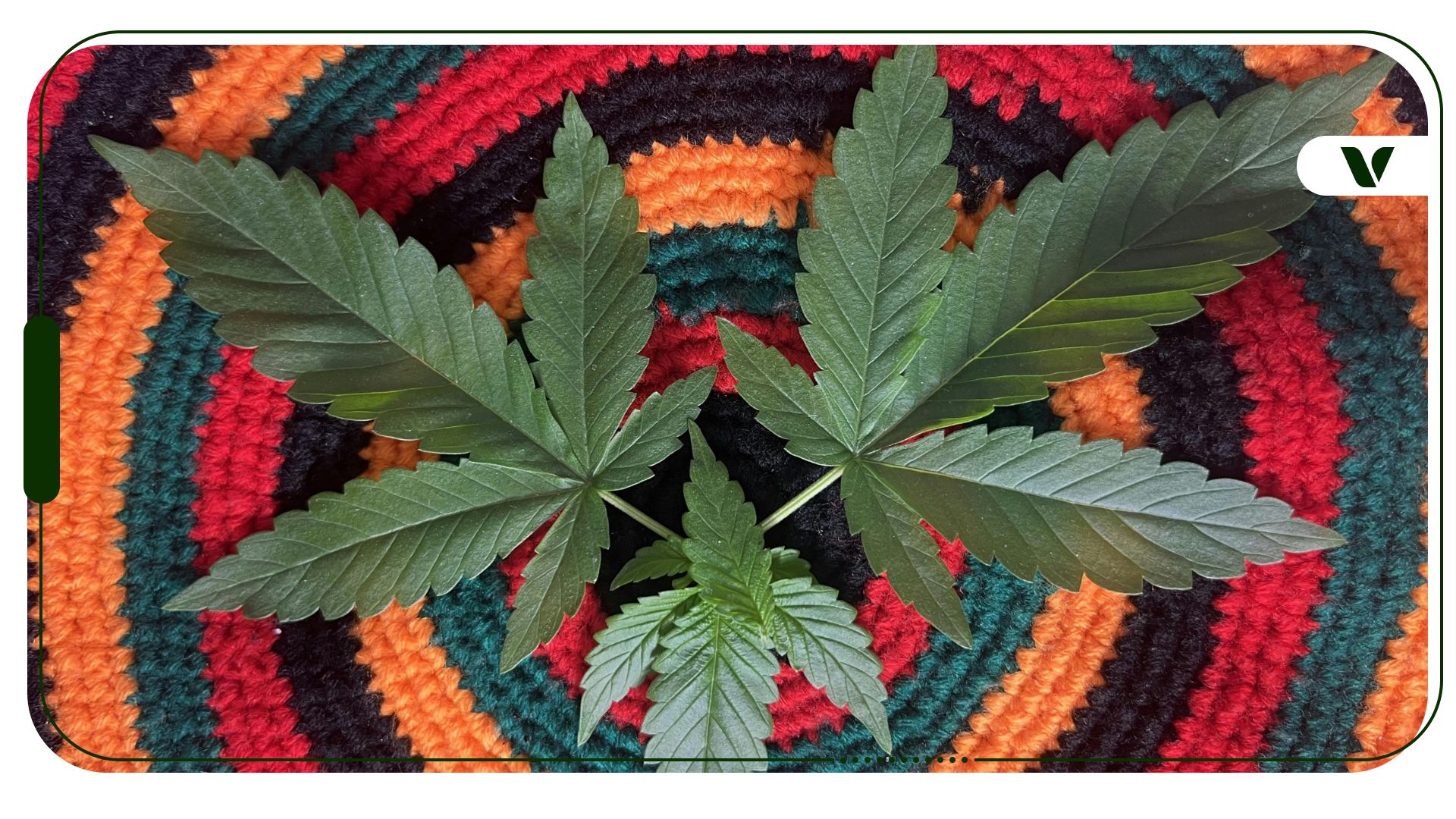
Shashamane holds unique spiritual significance as the place where Ethiopia’s threatened Rastafarian religious community practices their faith in the land Emperor Haile Selassie granted to Black people worldwide. Located 155 miles south of Addis Ababa in Ethiopia’s Oromia Region, this small town serves as the spiritual homeland for Rastafarians who view marijuana as a sacred sacrament connecting them to Jah.
The connection between Rastafarians and marijuana runs deeper here than anywhere else on Earth. While most people associate Rastafarian culture with Jamaica, the movement’s true spiritual center lies in this Ethiopian town where ancient traditions meet religious practice in ways that have shaped cannabis culture globally.
Shashamane sits in southern Ethiopia’s Oromia Region, approximately 155 miles from the capital city of Addis Ababa. This modest town of around 100,000 residents occupies a unique position in both Ethiopian geography and global Rastafarian culture.
The town’s elevation of about 6,200 feet creates ideal growing conditions for the indigenous cannabis strain that has become central to local Rastafarian practice. Rolling hills and fertile volcanic soil surround Shashamane, contributing to the area’s agricultural significance within the region.
What sets Shashamane apart from other Ethiopian towns is its special status as land granted specifically for Black diaspora settlement, making it the only place in Africa designated as a homeland for people of African descent from around the world.
Emperor Haile Selassie granted 500 hectares of land in Shashamane to Black people worldwide in 1948, creating the foundation for the town’s role in Rastafarian culture. This land grant represented more than real estate, it offered a tangible connection to Africa for people whose ancestors had been displaced through slavery and colonialism.
The first Rastafarian settlers arrived from Jamaica in the 1960s, drawn by the promise of living in the land of their spiritual leader. These pioneers established communities that blended Jamaican Rastafarian traditions with Ethiopian customs, creating a unique cultural synthesis that continues today.
The settlement grew gradually as word spread through Rastafarian networks in Jamaica and other Caribbean nations. By the 1970s, Shashamane had become established as a pilgrimage destination for Rastafarians seeking connection with the holy herb in its spiritual homeland context.
Rastafarian theology identifies Ethiopia as Zion, the promised land referenced in biblical prophecy, with Emperor Haile Selassie viewed as the returned messiah. This belief system makes Shashamane uniquely significant as the only place where Rastafarians can legally settle in their spiritual homeland.
The “Back to Africa” movement that Marcus Garvey championed in the early 20th century found its fulfillment in Haile Selassie’s land grant. For Rastafarians, returning to Ethiopia represents more than geographic relocation, it symbolizes spiritual completion and reconnection with African roots severed by centuries of displacement.
Three key historical events established Shashamane’s spiritual importance:
This theological framework transforms marijuana use in Shashamane from recreational activity into religious practice. When Rastafarians consume cannabis in the land their spiritual leader designated for them, the act carries profound sacred meaning that distinguishes it from marijuana use elsewhere.
Marijuana functions as a holy sacrament in Rastafarian religious practice, serving as a direct conduit for communion with Jah and spiritual enlightenment. This sacred relationship with cannabis extends far beyond recreational use, forming a central pillar of Rastafarian worship and meditation.
In Shashamane, this sacramental use takes on heightened significance because practitioners consume the herb in the promised land itself. The combination of sacred geography and religious ritual creates a spiritual experience that Rastafarians describe as uniquely powerful compared to practicing their faith elsewhere.
The theological foundation for marijuana as sacrament draws from biblical references to herbs and plants, particularly Psalm 104:14, which speaks of God causing “the herb to grow for the service of man.” Rastafarians interpret this and similar passages as divine approval for cannabis use within religious contexts.
Rastafarian marijuana consumption follows specific ceremonial protocols that distinguish religious use from casual smoking. Prayer typically precedes consumption, with participants offering thanks to Jah and requesting spiritual guidance through the herb’s effects.
The communal aspect of marijuana use strengthens bonds within the Rastafarian community while creating shared spiritual experiences. Reasoning sessions, philosophical discussions conducted while sharing cannabis, represent one of the most important ritual contexts for marijuana consumption among Rastafarians.
Rastafarians view marijuana as the “healing of the nations” referenced in Revelation 22:2, believing the plant provides both physical healing and spiritual enlightenment. This dual nature makes cannabis consumption simultaneously a medical practice and religious sacrament.
The herb is believed to open consciousness and facilitate direct communication with Jah, making it an essential tool for meditation and prayer. Many Rastafarians describe cannabis as revealing divine truth and providing clarity about spiritual matters that remain hidden during ordinary consciousness.
The Sheshemani strain represents Shashamane’s unique contribution to global cannabis culture, offering a landrace variety that has adapted specifically to the region’s high-altitude environment and volcanic soil conditions. This indigenous Ethiopian cannabis has become inseparable from local Rastafarian practice.
Sheshemani typically exhibits the characteristics common to African sativa landraces, tall growth structure, narrow leaves, and energetic effects that complement the meditative aspects of Rastafarian worship. The strain’s adaptation to Ethiopia’s climate has produced plants that thrive in conditions that would challenge other cannabis varieties.
The cultural significance of Sheshemani extends beyond its agricultural properties. For Rastafarians in Shashamane, consuming cannabis grown from the same soil as their spiritual homeland adds another layer of sacred meaning to their religious practice.
| Characteristic | Sheshemani | Other African Landraces | Commercial Hybrids |
| Growth Pattern | Tall, tree-like structure | Variable height | Controlled, uniform |
| Climate Adaptation | High altitude, volcanic soil | Region-specific | Indoor/greenhouse optimized |
| Tetrahydrocannabinol (THC) Content | Moderate, balanced | Variable | Often enhanced |
| Cultural Role | Sacred sacrament | Traditional medicine | Commercial product |
The preservation of Sheshemani genetics has become important to maintaining authentic Rastafarian practice in Shashamane. As global cannabis markets favor commercial hybrids, local growers work to maintain the traditional varieties that have supported religious practice for generations.
Ethiopian cannabis law prohibits cultivation, possession, and use, creating a complex legal environment for Rastafarians who consider marijuana consumption a religious obligation rather than recreational activity. This tension between national drug policy and religious freedom defines much of the contemporary Rastafarian experience in Shashamane.
Law enforcement approaches to Rastafarian cannabis use vary significantly depending on local officials and community relations. Some periods see strict enforcement that targets Rastafarian settlements, while other times bring more tolerant approaches that recognize the religious context of marijuana use.
The Rastafarian community has developed strategies for practicing their faith while minimizing legal conflicts. Community elders often serve as intermediaries with local authorities, emphasizing the religious nature of cannabis use and the community’s contributions to local culture and economy.
Key aspects of the current legal landscape include:
The legal uncertainty has led some Rastafarian families to limit their cannabis use or practice their religion more privately, while others continue traditional practices regardless of legal risks. This ongoing tension reflects broader questions about religious freedom and indigenous plant use throughout Africa.
Visitors can travel to Shashamane, though the experience differs significantly from typical tourist destinations. The town functions as a working community where Rastafarians live their daily lives rather than a theme park designed for tourist consumption.
Respectful visitors who understand Rastafarian culture and customs generally receive warm welcomes from community members. The emphasis falls on genuine cultural exchange rather than cannabis tourism, as local Rastafarians prefer visitors who come to learn about their faith and lifestyle rather than just to smoke marijuana.
Transportation to Shashamane typically involves flying into Addis Ababa and taking ground transport south. The journey takes several hours by road, but provides opportunities to see Ethiopia’s diverse landscapes and rural communities along the way.
Visitors should recognize that Shashamane remains subject to Ethiopian law regardless of local Rastafarian customs. Tourist involvement in cannabis activities can result in serious legal consequences, making it essential to respect local laws while learning about Rastafarian culture through appropriate channels.
Several persistent myths about Shashamane and its Rastafarian community create misunderstandings about the town’s culture and the role of cannabis in religious practice. These misconceptions often stem from limited media portrayals and popular culture representations that oversimplify complex religious and social dynamics.
Understanding the reality behind these myths helps visitors and observers appreciate the authentic nature of Rastafarian life in Shashamane while respecting the community’s religious practices and cultural traditions.
Shashamane’s population includes Ethiopian nationals, other African diaspora settlers, and various religious and ethnic communities alongside its Rastafarian residents. The Rastafarian community represents a significant but minority presence within the town’s broader population.
Local Ethiopian residents have lived in the Shashamane area for generations, maintaining their own cultural practices and religious traditions. The interaction between longtime Ethiopian residents and Rastafarian settlers has created a unique multicultural environment that enriches both communities.
Individual Rastafarians make personal decisions about cannabis use based on their interpretation of religious teachings and personal circumstances. While many Rastafarians view marijuana as a sacrament, others abstain for health, legal, or personal reasons while maintaining their faith.
The diversity within Rastafarian practice extends to attitudes toward cannabis in ancient rituals and other aspects of religious observance. Some practitioners emphasize meditation and prayer over cannabis use, while others integrate multiple spiritual practices into their religious lives.
Ethiopian national law prohibits cannabis throughout the country, including in Shashamane, regardless of religious context or local customs. The presence of Rastafarian communities does not create legal exemptions for marijuana use or cultivation.
Enforcement patterns may vary based on local priorities and resources, but legal prohibition remains consistent across Ethiopia. Visitors assuming legal cannabis availability risk serious criminal penalties under Ethiopian law.
While cannabis grows well in Ethiopian conditions and may have historical presence in the region, marijuana use is not traditionally central to mainstream Ethiopian culture. The association between Ethiopia and cannabis stems primarily from Rastafarian settlement rather than indigenous Ethiopian practices.
Traditional Ethiopian medicine includes various plants and herbs, but cannabis occupation of a central role in religious practice represents a primarily Rastafarian rather than broader Ethiopian phenomenon.
Ready to explore medical marijuana options in your state? Our experienced physicians can help you understand whether cannabis might be right for your wellness journey. Find a qualified medical marijuana doctor today to get personalized guidance based on your individual needs and state regulations.
Note: The content on this page is for informational purposes only and is not intended to be professional medical advice. Do not attempt to self-diagnose or prescribe treatment based on the information provided. Always consult a physician before making any decision on the treatment of a medical condition.
Note: Veriheal does not support illegally consuming therapeutic substances such as cannabis but acknowledges that it transpires because of the current illicit status, which we strive to change by advocating for research, legal access, and responsible consumption. Always consult a physician before attempting alternative therapies.
Emperor Haile Selassie granted 500 hectares in Shashamane specifically for Black people worldwide in 1948, making it the only place in Africa designated as a homeland for the African diaspora. This creates unique theological significance for Rastafarians who view Ethiopia as Zion and Haile Selassie as their spiritual leader.
No, Ethiopian law prohibits cannabis throughout the country, including Shashamane, regardless of religious context.
Sheshemani is the indigenous cannabis landrace variety that grows in the Shashamane region, adapted to high-altitude conditions and volcanic soil. It holds special cultural significance for local Rastafarians as the marijuana variety native to their spiritual homeland.
Yes, respectful visitors interested in learning about Rastafarian culture typically receive warm welcomes, but tourists must comply with Ethiopian law and approach visits as cultural education rather than cannabis tourism.
Rastafarians view marijuana as a sacred sacrament that facilitates communion with Jah, typically consuming it ceremonially with prayer and during reasoning sessions, philosophical discussions that strengthen community bonds.
Sign up for our newsletter
Learn the process in your state
All Rights Reserved Veriheal Inc. ©
Terms Privacy Policy Advertising Agreement Content Disclamer


Get your medical marijuana card today
Sign up in under 5 minutes
Start By Selecting Your State
 Alabama
Alaska
Arizona
Arkansas
California
Colorado
Connecticut
Delaware
Florida
Georgia
Hawaii
Idaho
Illinois
Indiana
Iowa
Kansas
Kentucky
Louisiana
Maine
Maryland
Massachusetts
Michigan
Minnesota
Mississippi
Missouri
Montana
Nebraska
Nevada
New Hampshire
New Jersey
New Mexico
New York
North Carolina
North Dakota
Ohio
Oklahoma
Oregon
Pennsylvania
Rhode Island
South Carolina
South Dakota
Tennessee
Texas
Utah
Vermont
Virginia
Washington
West Virginia
Wisconsin
Wyoming
Puerto Rico
Alabama
Alaska
Arizona
Arkansas
California
Colorado
Connecticut
Delaware
Florida
Georgia
Hawaii
Idaho
Illinois
Indiana
Iowa
Kansas
Kentucky
Louisiana
Maine
Maryland
Massachusetts
Michigan
Minnesota
Mississippi
Missouri
Montana
Nebraska
Nevada
New Hampshire
New Jersey
New Mexico
New York
North Carolina
North Dakota
Ohio
Oklahoma
Oregon
Pennsylvania
Rhode Island
South Carolina
South Dakota
Tennessee
Texas
Utah
Vermont
Virginia
Washington
West Virginia
Wisconsin
Wyoming
Puerto Rico