Your medical cannabis journey simplified: find partnered dispensaries, explore pricing options, earn rewards, and get answers to FAQs, all in one spot.
When ranked against other developed, wealthy nations, America consistently falls to the bottom of the list in healthcare. High costs, long wait times, and insufficient access to care in rural areas are just a few of the issues that plague us – and right now, it’s getting worse.
This year, the Trump Administration has taken an ax to countless programs, grants, and funding initiatives in the healthcare realm, slashing anything seeking to make wellness a more accessible and diverse industry. By the end of August, the number of terminations had reached over 5,000 grants totaling more than $4.5 billion in federal funding. The people most affected? Women, the LGBTQ+, and racial minorities.
Research on the health and well-being of these groups is already decades behind the available knowledge on white, cisgender men and women (primarily men), who are seen as the standard for many studies. Science was finally beginning to catch up, only to get cut off at the knees.
And it’s not just official research – our current culture wars are heavily targeting LGBTQ+ people, particularly those who don’t ascribe to gender norms. Increasing distrust in healthcare systems is leading many queer people to simply forgo their routine care, putting them at a higher risk of disease, chronic pain, or even early death.
In a nutshell: healthcare isn’t built for queer people.
Ignorance is another factor; doctors who want to help can fall flat if they don’t take the time to educate themselves on queer bodies. Caring for nonbinary and transgender individuals requires extra education that many medical schools don’t cover, leaving it up to the healthcare provider to attempt learning it on their own.
Even a step as easy as checking in at the doctor can lead to anxiety. Intake forms and health insurance companies often force you to choose between male and female, leaving little room for those outside the binary. Providers make assumptions and judgments, so LGBTQ+ people get left out of conversations about their own health.
If it doesn’t affect you personally, it may seem like a non-issue; after all, LGBTQ+ people only make up about 9% of the general population. But consider it this way: 9% of America is around 32 million people, equaling roughly the population of Texas. That’s a lot of people for healthcare to fail.
All of these problems become compounded if the LGBTQ+ person is also Black, Hispanic, or another racial minority. But awareness isn’t enough – how can we queer wellness and make it inclusive for everyone?
Building a Future Beyond the Binary
Federal and state governments are restricting LGBTQ+ healthcare more than ever before in American history. To date, 27 states have implemented laws barring youth access to gender affirming care, with some proposing restrictions through age 26. Many states are attempting to prevent health insurance plans from paying for gender affirming care for people of all ages.
As the American College of Physicians wrote in August: “On Inauguration Day for his second term, President Trump issued an executive order asserting that sex is “not changeable” and ordering federal policy changes including withholding federal funding from all institutions that “promote gender ideology,” restricting access to medical care for transgender prisoners…and not allowing gender marker changes on US passports.”
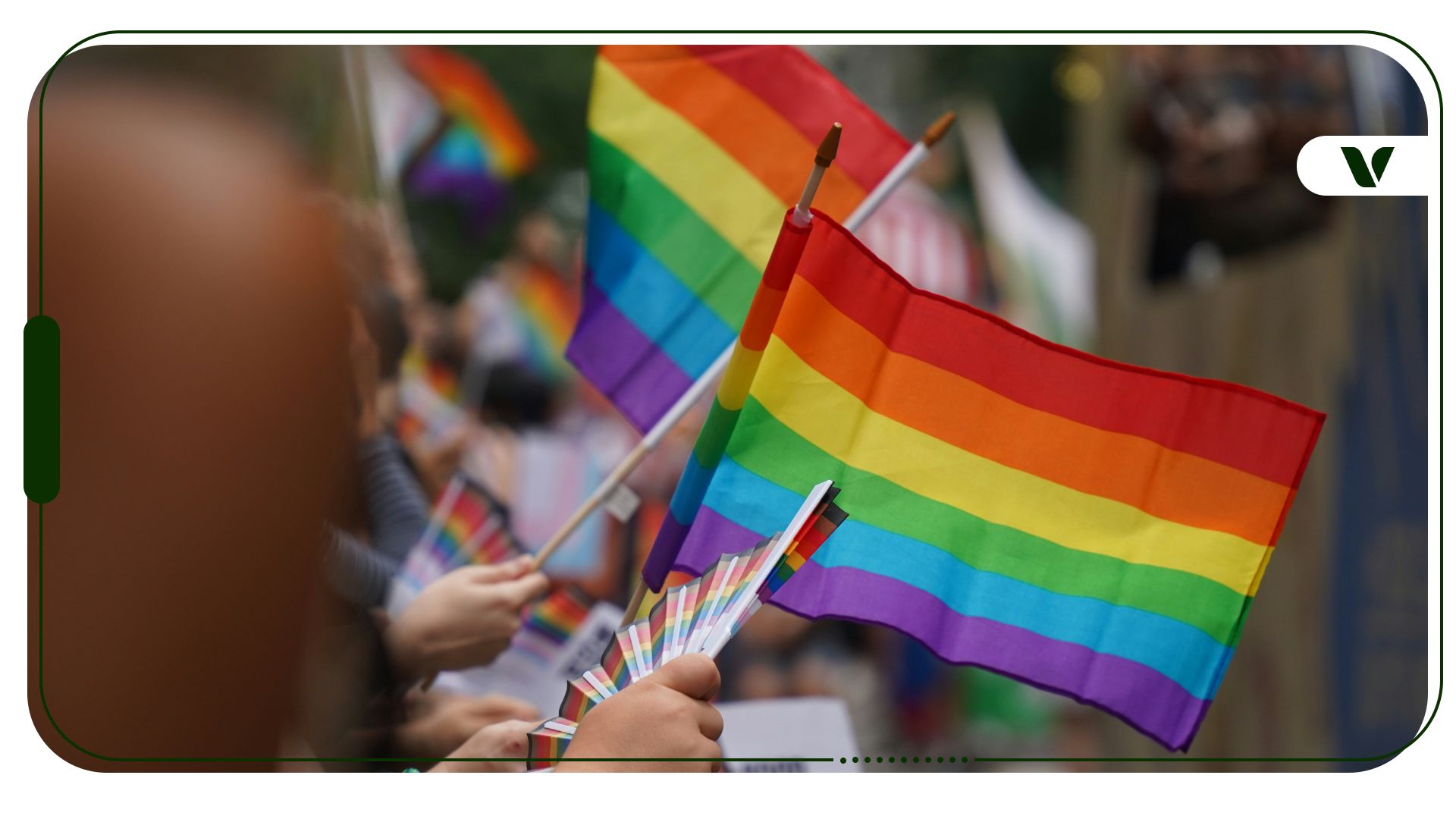
But despite these legal challenges, there are still several key ways that healthcare providers can make their practices more inclusive to the LGBTQ+ community. Adopting these can mean saving the life of a queer person, and it starts with compassion.
Learn the Language
One of the easiest and most helpful ways to build an inclusive medical practice starts with educating yourself on the language, terms, and labels used by the LGBTQ+ community. It’s a respectful way to show patients that you care.
Find an LGBTQ+ glossary and study it, as even small differences in identity can affect the care a person needs. Many online resources offer guides teaching healthcare workers how to talk to LGBTQ+ people thoughtfully.
When in doubt, ask the patient how they identify and how they would like to be addressed. Most importantly, avoid slang terms, personal biases, and judgments. While a patient may refer to themselves as queer or homo, providers should take care to stick to legitimate labels.
See If You Qualify For Medical Marijuana -Select Your State!
Select Your State
Alabama
Alaska
Arizona
Arkansas
California
Colorado
Connecticut
Delaware
Florida
Georgia
Hawaii
Idaho
Illinois
Indiana
Iowa
Kansas
Kentucky
Louisiana
Maine
Maryland
Massachusetts
Michigan
Minnesota
Mississippi
Missouri
Montana
Nebraska
Nevada
New Hampshire
New Jersey
New Mexico
New York
North Carolina
North Dakota
Ohio
Oklahoma
Oregon
Pennsylvania
Rhode Island
South Carolina
South Dakota
Tennessee
Texas
Utah
Vermont
Virginia
Washington
West Virginia
Wisconsin
Wyoming
Never miss a post
Get updates on cannabis culture, new research, and expert insights
Create Inclusive Spaces
Building a safe space for LGBTQ+ people can start before they ever enter a waiting room.
First, consider your website – does it acknowledge the queer community? Does it use inclusive language and photos? This is particularly important for online or telehealth providers, as that’s a patient’s main impression of your offerings.
Next, look at your physical space, if you have one. Include resources like pamphlets on LGBTQ+ health, queer magazines, or non-discrimination statements welcoming people of all identities. These messages, while subtle, will help set LGBTQ+ people at ease.
As patients check in, intake forms matter. Instead of simply using male and female checkboxes, ask for sex assigned at birth, current gender, preferred pronouns, sexual identity, and legal name vs. chosen name.
Finally, provide staff training, if applicable. Educate them on properly using a patient’s preferred terms and making them feel comfortable. Hiring queer staff is an excellent way to support the community directly and make your practice more inclusive.
Stay Up To Date
LGBTQ+ healthcare is evolving rapidly as new forms of treatment – whether that’s hormone replacement therapy, updates in gender affirming care, or transitional care needs – continue to be developed and implemented. Attending seminars or reading medical journals that address these treatments can help you stay informed.
It’s also vital to remember and acknowledge that LGBTQ+ people face different health issues than straight or cisgender people. For example, transgender men will still need pap smears and OB-GYN care, while lesbian women are more likely to suffer from polycystic ovarian syndrome. LGBTQ+ people in general are at much higher risk of co-occurring mental health issues, addiction, STDs, assault, and physical illnesses such as heart disease or diabetes.
Preconceived notions and stereotypes about queer people (e.g., that they are mentally ill, sexually promiscuous, choosing to be gay, or a danger to children) are the most harmful beliefs facing the community today. These false biases have led to the anti-LBGTQ+ laws sweeping the nation, and they are actively damaging the health and well-being of millions of queer people.
As allies and healthcare providers, it’s crucial to unlearn these mistruths to provide LGBTQ+ people with care that is fair, equitable, and kind. Personal beliefs toward any group have no place in a treatment setting, and they can manifest in asking derogatory questions or failing to acknowledge a patient’s unique needs. This may ultimately shatter the patient’s trust in healthcare providers, leading them to neglect their own wellness down the road.
Fight for Queer Rights
The government is, undeniably, attacking LGBTQ+ rights, and it’s on all of us to stand up for the community. Whether you’re queer yourself or just an ally, everyone has the ability to demand change. Restricting healthcare for any group will impact the entire field if we don’t stop it.
Change at the personal level is an excellent way to start, but don’t let that be your stopping point – join movements at the state and federal level. Several groups are working to effect change, including:
Donating, protesting, voting, and organizing at the community level can all help make a difference.
Final Thoughts
At Veriheal, we believe every gender and sexual identity is real and valid. We’ve worked hard to build a health and wellness space that is inclusive, safe, and welcoming, no matter what sort of care you need, and we want to see these efforts across the entire healthcare industry.
Queer people have always existed, and they aren’t going anywhere. We owe them so much of our culture – music, art, movies, fashion, and even medical cannabis legalization. Every American, regardless of race, gender, sexuality, or background, deserves the same access to health services. A healthy society will make us a stronger nation, better able to love and show up for one another in times of need.
Queering wellness isn’t just about inclusion; it’s about reimagining care so everyone, finally, gets to feel seen, safe, and happy.
Emily is a Denver-based transplant from Virginia who is passionate about substance use harm reduction, yoga, and music. She writes and edits to support the extravagant lifestyles of her pug and cat. When she's not writing, she can be found doing flow and aerial arts or browsing flights to faraway places.
Oklahoma’s advertised $25 medical marijuana card renewal covers the physician evaluation, but patients must also pay a separate OMMA license fee. This guide explains the full renewal cost, reduced-fee eligibility, required documents, online renewal steps, processing times, and the new physician recommendation requirement.
An Oklahoma medical marijuana card provides legal protection under state law, but it can still affect employment, commercial driving, firearms, privacy, and federally regulated situations. This guide explains the main consequences to consider before applying, including workplace drug testing, CDL rules, insurance, housing, and registry privacy.
Getting a medical marijuana card in Oklahoma can be completed online, with no specific qualifying condition required for adult applicants. This guide covers eligibility, telehealth evaluations, required documents, OMMA application steps, fees, processing times, and what patients can do once approved.
A same-day telehealth appointment in Oklahoma can get you a physician recommendation quickly, but OMMA still needs to process your medical marijuana license application. This guide explains the timeline, required documents, costs, and when you can legally visit a dispensary while waiting for the physical card.
Medical marijuana has been legal in Oklahoma since 2018, with eligibility determined by physician judgment rather than a fixed list of qualifying conditions. This guide explains how the OMMA program works, patient rights and possession limits, recreational cannabis laws, federal restrictions, and how Oklahoma compares with neighboring states.
The statements made regarding cannabis products on this website have not been evaluated by the Food and Drug Administration (FDA). Cannabis is not an FDA-approved substance and is still illegal under federal law. The information provided on this website is intended for educational purposes only and is not intended to diagnose, treat, cure, or prevent any disease. It is not intended as medical advice and should not be considered as a substitute for advice from a healthcare professional. We strongly recommend that you consult with a physician or other qualified healthcare provider before using any cannabis products. The use of any information provided on this website is solely at your own risk.