Your medical cannabis journey simplified: find partnered dispensaries, explore pricing options, earn rewards, and get answers to FAQs, all in one spot.
Being a devout Catholic in 2025 can be trying. You’re constantly navigating a world that questions faith, while battling self-doubt and fielding debates on morality, politics, and science. Some folks in your shoes ease the tension by relaxing with cannabis. Others use it for medical reasons, such as combating chronic pain or depression.
If you’re a Catholic who uses cannabis and wrestles with guilt, wondering if it’s sinful, you’re not alone because many believers face the same question. With the help of Father Jorge Oliveira, this article explores whether your cannabis habits count as a sin for confession. But before diving into that, let’s first clear up what confession is for.
THE PURPOSE OF CONFESSION
Sin taints the soul, while confession cleanses it. Without confession, sins weigh heavily on a Catholic’s conscience. But when you admit them to God and seek forgiveness through confession, you find peace, renewal, and the grace to begin again.
Confession means telling your sins to God through a priest, traditionally in a confessional or rectory. It’s a vital step for receiving forgiveness and restoring your relationship with God through Christ’s mercy.
While the priest says, “You’re forgiven,” it’s not he who forgives, but God. The priest only serves as a witness or conduit, conveying God’s mercy and assigning penance. He also guides you toward restoring your relationship with the divine and resisting future sin.
According to Father Oliveira, “The Sacrament of Penance offers a path to conversion, allowing us to recover the grace of justification after falling into grave sin post-Baptism. It is called the sacrament of confession because the disclosure of sins to a priest is an essential element.
The Church teaches that all mortal sins of which penitents are conscious after a diligent self-examination must be recounted in confession. This includes even the most secret sins, as they can wound the soul grievously.”
WHAT COUNTS AS A SIN?
The simplest way to describe sin is as anything the Bible describes as going against the wishes or will of God. As Father Oliveira explains, “Sin is fundamentally an offense against God, which ruptures our communion with Him and simultaneously damages our communion with the Church.”
The Ten Commandments serve as a strong guide to what counts as a sin, but they don’t cover everything. Your conscience also plays a role, helping you discern right from wrong in situations not directly mentioned in Scripture. If your actions or thoughts weigh on your conscience, it may be a sign to go for confession.
SO, IS CANNABIS USE A SIN THAT REQUIRES CONFESSION?
It depends on who you ask. The Bible does not explicitly mention cannabis or describe it as a sin. Instead, Proverbs 23:29 warns, “Show me people who drink too much… and I will show you people who are miserable and sorry for themselves…” Likewise, 1 Corinthians 6:10 states, “Nor thieves, nor covetous, nor drunkards, nor revilers, nor extortioners, shall inherit the kingdom of God.”
These verses don’t condemn drinking itself, but rather the abuse of it, specifically intoxication. From this, we can conclude that Scripture warns against getting excessively intoxicated, no matter the substance. In that light, recreationally getting high may be seen as sinful and require confession.
But what if you use cannabis for therapeutic purposes, such as for treating pain, anxiety, or other issues? In that case, cannabis may not be sinful. According to Father Oliveira, “The Catechism of the Catholic Church addresses the use of drugs… Their use, except on strictly therapeutic grounds, is a grave offense. This teaching applies to illicit drugs and generally to substances that gravely harm health and life.”
See If You Qualify For Medical Marijuana -Select Your State!
Select Your State
Alabama
Alaska
Arizona
Arkansas
California
Colorado
Connecticut
Delaware
Florida
Georgia
Hawaii
Idaho
Illinois
Indiana
Iowa
Kansas
Kentucky
Louisiana
Maine
Maryland
Massachusetts
Michigan
Minnesota
Mississippi
Missouri
Montana
Nebraska
Nevada
New Hampshire
New Jersey
New Mexico
New York
North Carolina
North Dakota
Ohio
Oklahoma
Oregon
Pennsylvania
Rhode Island
South Carolina
South Dakota
Tennessee
Texas
Utah
Vermont
Virginia
Washington
West Virginia
Wisconsin
Wyoming
Never miss a post
Get updates on cannabis culture, new research, and expert insights
He further explains, “When considering cannabis use, one must discern its moral gravity. If cannabis is used for strictly therapeutic reasons, under medical supervision, and without abuse, it would not fall under the grave offense described in the Catechism. However, recreational use of cannabis, especially when it causes grave damage to health, impairs judgment, leads to addiction, or encourages other practices contrary to moral law, would constitute a grave offense.”
In this context, a grave offense amounts to a mortal sin. Since using cannabis for therapeutic reasons does not qualify as a grave offense, it’s not a sin and therefore does not require confession. Recreational use, however, particularly for intoxication, may go against Catholic teaching, making it sinful and requiring confession.
Your conscience is basically your moral compass, but that doesn’t mean it’s always accurate. After all, much of our conscience is instinctive, but part of it is also a result of our upbringing. So, if your family and church raised you to believe cannabis is a sin, your conscience might prick you each time you hit a blunt.
According to Father Oliveira, “As with any potential mortal sin, a diligent examination of conscience is necessary to determine the gravity of the act…”
Still, a quiet conscience doesn’t always mean you’re in the right. You might not feel guilty about eating beyond the point of bursting, even though the Bible clearly warns against gluttony (Proverbs 23:20–21). Likewise, you might not hesitate to ogle Sydney Sweeney’s jeans even though the Bible warns against lustful thoughts (Matthew 5:27–28). The same goes for using cannabis.
Since conscience isn’t the most reliable determiner of what’s sinful or not, go with the Church’s Catechism as your guide – therapeutic cannabis isn’t a sin. Pair that with an honest examination of your conscience and, when in doubt, seek clarity from your priest.
WHAT TO KNOW BEFORE CONFESSION
Confession, penance, and absolution are there to absolve you of your sins. However, deliberately repeating a sin because of the grace of confession is a misuse of the sacrament. Real confession requires both sorrow for sin and a sincere intention to avoid it in the future.
Without that intention, the confession isn’t genuine, and the cycle of sin and false absolution becomes spiritually harmful. The sacrament is meant to restore your relationship with God, not provide a free pass to keep breaking it.
WHAT ABOUT CANNABIS FOR JEWS AND MUSLIMS?
Like the Bible, neither the Torah (Jewish scripture) nor the Quran (Muslim scripture) explicitly mentions weed or calls it a sin. But they do warn against intoxication and harming your body, which many religious scholars interpret as applying to mind-altering substances like cannabis.
Jewish law (halakha) generally prohibits intoxication that impairs judgment and causes self-harm. The Quran, on the other hand, explicitly prohibits intoxicants in general in Surah Al-Maidah 5:90–91.
Still, not every situation is black and white. Some rabbis and imams make a sharp distinction between recreational use and medical use. If cannabis helps treat pain or illness, they may call it a form of healing rather than a sinful act. Different communities also interpret these rules in their own ways, so while one rabbi or imam might say all cannabis is bad, another might say otherwise.
Tobi Moyela is an avid cannabis enthusiast who enjoys creating helpful, educational content that helps others better understand cannabis, especially its potential uses and benefits. When he's not researching or writing for brands, you can find him watching anime, cooking, or reading his latest fiction finds.
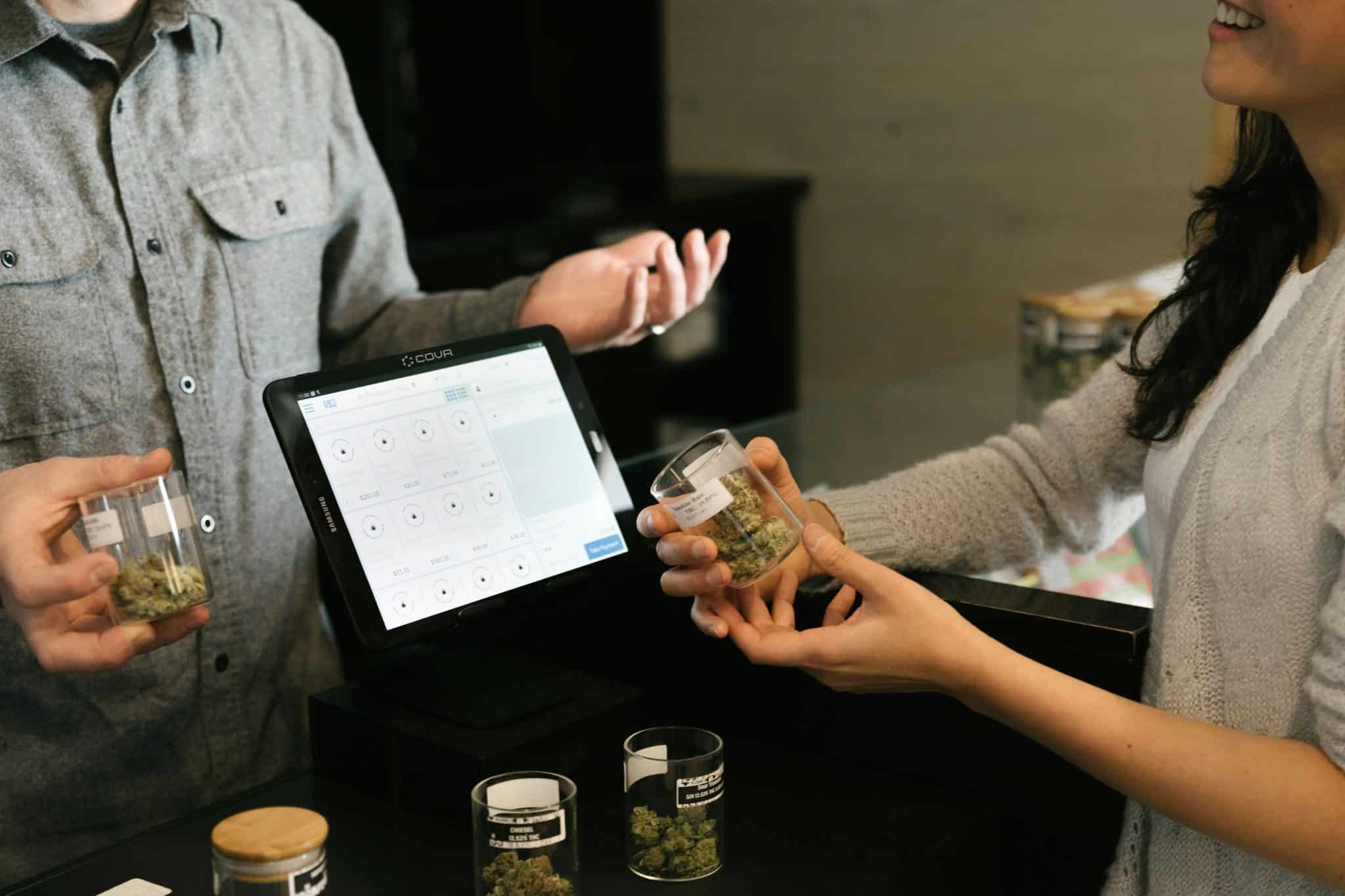
Oklahoma’s medical-only dispensary market gives licensed patients access to a wide range of cannabis products, but every purchase must follow OMMA rules. This guide explains how to find licensed dispensaries, what identification to bring, purchase and possession limits, product testing, pricing, and what to expect during a visit.
Oklahoma’s advertised $25 medical marijuana card renewal covers the physician evaluation, but patients must also pay a separate OMMA license fee. This guide explains the full renewal cost, reduced-fee eligibility, required documents, online renewal steps, processing times, and the new physician recommendation requirement.
An Oklahoma medical marijuana card provides legal protection under state law, but it can still affect employment, commercial driving, firearms, privacy, and federally regulated situations. This guide explains the main consequences to consider before applying, including workplace drug testing, CDL rules, insurance, housing, and registry privacy.
Getting a medical marijuana card in Oklahoma can be completed online, with no specific qualifying condition required for adult applicants. This guide covers eligibility, telehealth evaluations, required documents, OMMA application steps, fees, processing times, and what patients can do once approved.
A same-day telehealth appointment in Oklahoma can get you a physician recommendation quickly, but OMMA still needs to process your medical marijuana license application. This guide explains the timeline, required documents, costs, and when you can legally visit a dispensary while waiting for the physical card.
The statements made regarding cannabis products on this website have not been evaluated by the Food and Drug Administration (FDA). Cannabis is not an FDA-approved substance and is still illegal under federal law. The information provided on this website is intended for educational purposes only and is not intended to diagnose, treat, cure, or prevent any disease. It is not intended as medical advice and should not be considered as a substitute for advice from a healthcare professional. We strongly recommend that you consult with a physician or other qualified healthcare provider before using any cannabis products. The use of any information provided on this website is solely at your own risk.