1-855-452-6224 (Customer Support Available 24/7)

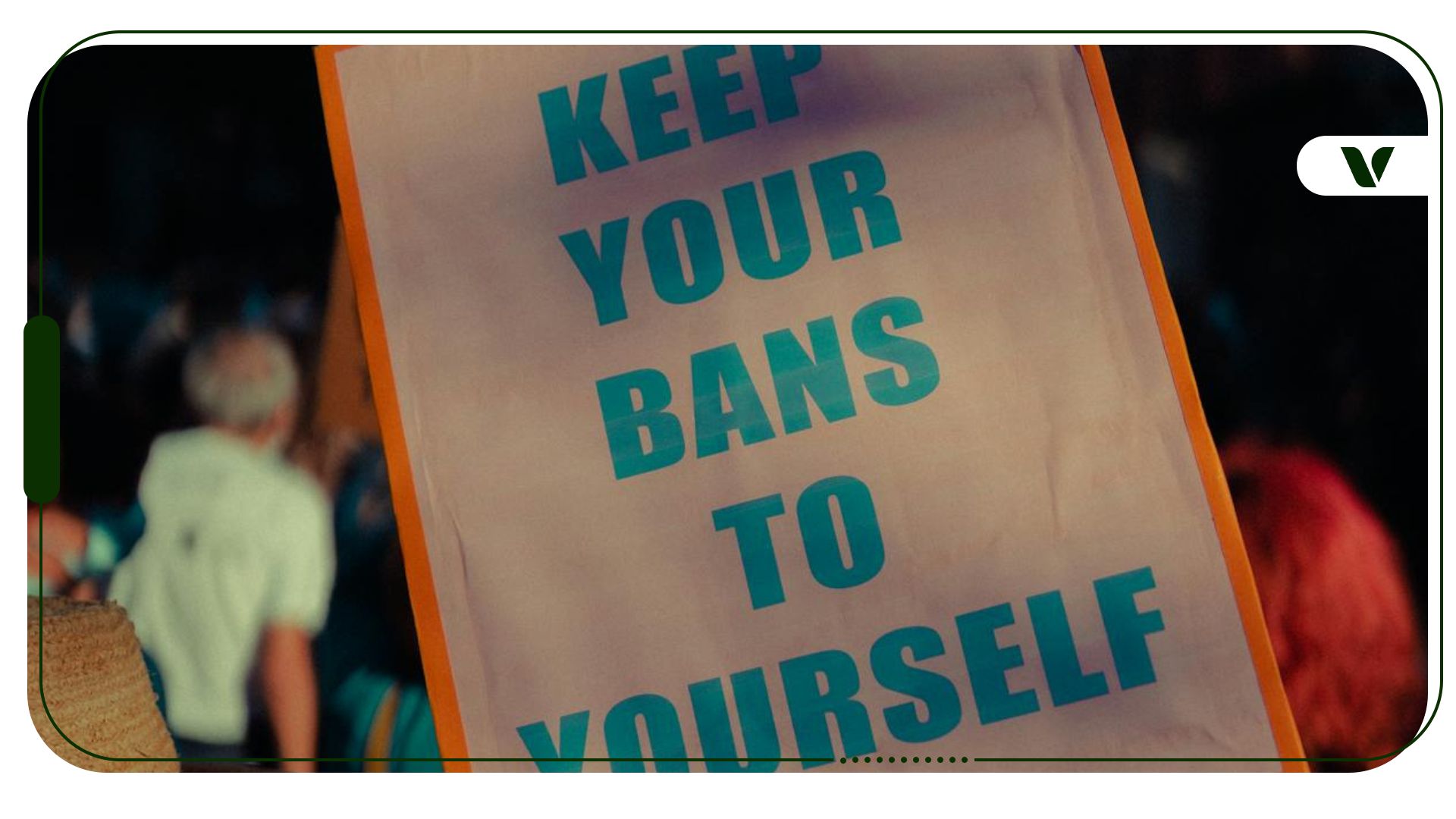
The six-week-long U.S. government shutdown finally ended on November 12, 2025, letting Americans breathe a sigh of relief. However, for many, the relief was brief as news broke that President Donald Trump had signed a bill to ban most tetrahydrocannabinol (THC) products derived from hemp. Before the cannabis industry could wrap its head around that shocker, a second blow landed in the form of the House of Representatives voting 222-209 to pass the bill.
The Trump administration snuck the proposal to ban various hemp-derived products into the latest federal spending bill. Keep in mind that a spending bill typically covers government funding and budget priorities, not major changes to hemp or cannabis policy. So, it’s safe to assume sneaking the proposed prohibition into the bill was deliberate to avoid or minimize public scrutiny and uproar.
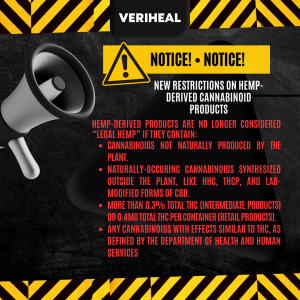
But the cat’s now out of the bag. The bill redefines what legal hemp is by banning all intoxicating hemp-derived cannabinoids like delta-8, delta-10, and hexahydrocannabinol (HHC). In the 2018 Farm Bill, hemp was defined as cannabis containing no more than 0.3% delta-9 THC by dry weight. This definition unintentionally left room for the legal extraction, conversion, and sale of other cannabinoids as long as they came from a hemp plant.
The loophole created a booming market for alternative cannabinoids, many of which became wildly popular in states without legal cannabis. The new proposal aims to close that loophole entirely by broadening the definition of “illegal THC,” effectively wiping out most psychoactive hemp products and reshaping the hemp industry overnight.
So no more isolates, distillates, or converted cannabinoids like delta-8, delta-10, and HHC, hexahydrocannabiphorol (HHCP), tetrahydrocannabiphorol (THCP), or tetrahydrocannabinol-O- acetate (THC)O. If it’s not naturally abundant in hemp, it’s out. This isn’t necessarily a bad thing, as it could reduce the risk of untested or unsafe synthetic products hitting the market. But on the downside, enforcing the bill could create major headaches for both consumers and businesses.
Banning hemp-derived THC and other cannabinoids with similar effects would immediately shrink the number of accessible and available cannabis alternatives. Millions of people, especially those living in states without legal weed, rely on products like delta-8 and HHC because they’re affordable, easy to find, and offer a gentler experience than traditional dispensary THC.
If these products suddenly disappear, people are left with two choices – pay higher prices at regulated dispensaries (if their state even has them) or turn to the unregulated market. Neither is ideal. For many folks who use these cannabinoids for sleep, stress, or pain relief, losing access means losing something that genuinely improves their day-to-day life.
And it’s not just about getting high. Plenty of people prefer hemp-derived THC products because they are predictable and less intimidating than the heavy-hitting dispensary stuff. A blanket ban would basically pull the rug out from under these users.
READ: What Are the Dangers of Synthetic Cannabinoids
If the new ban passes, it could shake the hemp industry to its core. Many small and medium-sized businesses, like DistroMike, have built their entire model around hemp-derived THC products. Suddenly having to pull these items from shelves would mean lost revenue, wasted inventory, and major operational upheaval.
Even larger companies that produce or sell delta-8, HHC, and other alternative cannabinoids would face compliance headaches, potential legal risks, and shrinking markets. Beyond the immediate financial hit, businesses could also lose consumer trust and brand loyalty, as longtime customers struggle to find their preferred products.
Supply chain disruptions could occur, and some companies might have to pivot entirely or shut down, putting thousands of jobs at risk. In an already tumultuous economy, it’s a scary prospect.
The enforcement of Trump’s THC ban doesn’t start until November 2026. In other good news, well-meaning members of Congress are fighting back. GOP lawmakers like Sen. Rand Paul (R-KY) and Rep. Thomas Massie (R-KY) attempted to strike the hemp prohibition from the spending bill, though their amendments ultimately didn’t make it into the final package.
On the Senate side, Paul was joined by 22 Democrats and even anti-marijuana Sen. Ted Cruz (R-TX) in opposing a motion to table the amendment, but the majority quashed it.
Industry leaders are also pushing back, planning to spend the year before enforcement lobbying for changes to the bill’s language.
According to Jim Higdon, cofounder of the company Cornbread Hemp, “We can get a bill through Congress next year before this 365-day deadline… and it’s time for everybody to come together and focus on what we can get passed in Congress to remediate the worst of it.”
Rep. Nancy Mace (R-SC) is going a step further by pushing to have the entire bill thrown out. She’s putting forward a bill titled “The American Hemp Protection Act of 2025,” which would prevent Trump’s ban from taking effect next year.
In her words, Trump’s bill would “Effectively turn out the lights on America’s legal hemp farmers, preempt the work being done in states to create regulatory frameworks for hemp products and restrict consumer choice for the tens of millions of Americans who use hemp-derived products…”
Mace also points out that, “Approximately 20 percent of American adults report using CBD or a hemp-derived product in the preceding 12 months… As the failed war on drugs has shown, provisions like this drive out responsible actors from the industry and embolden shady, black-market actors who care not for consumer safety or the protection of children. Rather than have a substantive, open debate on the future of hemp policy in America, prohibitionists slipped this provision into a must-pass government funding bill, forcing members of Congress to choose between voting their conscience on hemp and paying our military service members. This is wrong.”
With so many powerful voices pushing back, there’s hope Congress could amend or block the ban before enforcement in November 2026. The year-long window gives lawmakers and industry leaders time to rally support, propose alternative regulatory frameworks, and ensure that hemp farmers, businesses, and consumers remain heard, protected, and taken care of.
Sign up for our newsletter
Learn the process in your state
All Rights Reserved Veriheal Inc. ©
Terms Privacy Policy Advertising Agreement Content Disclamer


Get your medical marijuana card today
Sign up in under 5 minutes
Start By Selecting Your State
 Alabama
Alaska
Arizona
Arkansas
California
Colorado
Connecticut
Delaware
Florida
Georgia
Hawaii
Idaho
Illinois
Indiana
Iowa
Kansas
Kentucky
Louisiana
Maine
Maryland
Massachusetts
Michigan
Minnesota
Mississippi
Missouri
Montana
Nebraska
Nevada
New Hampshire
New Jersey
New Mexico
New York
North Carolina
North Dakota
Ohio
Oklahoma
Oregon
Pennsylvania
Rhode Island
South Carolina
South Dakota
Tennessee
Texas
Utah
Vermont
Virginia
Washington
West Virginia
Wisconsin
Wyoming
Puerto Rico
Alabama
Alaska
Arizona
Arkansas
California
Colorado
Connecticut
Delaware
Florida
Georgia
Hawaii
Idaho
Illinois
Indiana
Iowa
Kansas
Kentucky
Louisiana
Maine
Maryland
Massachusetts
Michigan
Minnesota
Mississippi
Missouri
Montana
Nebraska
Nevada
New Hampshire
New Jersey
New Mexico
New York
North Carolina
North Dakota
Ohio
Oklahoma
Oregon
Pennsylvania
Rhode Island
South Carolina
South Dakota
Tennessee
Texas
Utah
Vermont
Virginia
Washington
West Virginia
Wisconsin
Wyoming
Puerto Rico