Your medical cannabis journey simplified: find partnered dispensaries, explore pricing options, earn rewards, and get answers to FAQs, all in one spot.
January 13, 2026 12:22 pm ETEstimated Read Time: 9 Minutes
Living with chronic pain can feel like juggling symptoms, side effects, and guesswork. Veriheal’s Six-Week Chronic Pain Workshop is designed to replace that guesswork with a clear, clinician-guided plan that blends medical oversight, practical self-care, and modern cannabis education. Below is a plain-English tour of what it is, what you get, and how each week builds toward steadier relief.
What Is the Veriheal Chronic Pain Workshop?
The Veriheal chronic pain workshop is a six-week, doctor-led program that helps you build a personalized, evidence-informed pain-care routine. You’ll combine telemedicine visits, a tailored cannabis plan, anti-inflammatory nutrition, pain-safe movement, and sleep/nervous-system support. The goal isn’t a one-size-fits-all “cure,” but a sensible toolkit you can sustain, measured by fewer flares, better function, and more good days.
Core outcomes of Veriheal’s Chronic Pain Management Program:
Pain relief personalized to your needs: cannabis advice catered to your unique medical history, with supplemental resources for improved all-around wellness
Quality-of-life wins: steadier sleep, easier movement, and real, actionable strategies for reducing pain
Sustainable pain management routine: smart dosing recommendations paired with exercise therapy, nutrition guidance, and other resources that empower you to create long-lasting results
Comprehensive understanding of how cannabis works for you: Through your initial consultation and follow-up appointments, your practitioner can help you narrow down the perfect cannabis formulations, cannabinoid ratios, and dosing for your needs and goals
Service One: Telemedicine Appointments with Licensed Pain Specialists
Your program starts and ends with clinicians who understand pain medicine and medical cannabis. Visits are conducted via secure video, so you can attend from home, even on challenging days.
You’ll meet with your doctor for an initial evaluation, after which they’ll send you your personalized pain management plan within 48 hours. You’ll then follow up with your doctor at weeks 2, 4, and 6 of your program, where you can discuss what’s working (and what isn’t) and adjust your plan accordingly.
What this includes:
Initial intake & goals: history, current meds, pain map, triggers, and functional goals (e.g., sit through meetings, sleep 6–7 hrs)
Risk review: screen your current medication regimen for prescription drug interactions and safety risks
Follow-ups: adjust dosing, movement, and sleep strategies based on your real-world log
In this stage of the workshop,you’ll move from trial-and-error to a monitored plan, making your plan safer, faster, and more sustainable.
Service Two: Personalized Cannabis Treatment Plan with THC and CBD Guidance
Within 48 hours of your initial consultation, you’ll receive your personalized cannabis treatment plan for chronic pain management. This plan is a personalized routine created with a clinician to help you use cannabis safely and intentionally. Together, you’ll narrow down products (tinctures, capsules, vaporizers, topicals), match them to your symptoms, and determine initial doses that fit your tolerance, lifestyle, and goals. The result is steadier symptom control, fewer side effects, and less wasted money.
Depending on your symptoms and needs, your plan may include:
Baseline daytime support: Often CBD-forward (e.g., 10–20 mg CBD with trace THC). Aim: calmer mood, lighter inflammation, clear function for work/school.
Strategies for fast, on-demand relief: Micro-THC in quick-onset forms (e.g., 1–2.5 mg per dose via rapid-onset edible or 1–2 small puffs). Wait 60–120 minutes before repeating to avoid “stacking.”
Options for evening/winding down before bed: Balanced THC:CBD (e.g., 2.5–5 mg THC + matched CBD) as a tincture or gummy 1–2 hours before bed. Your clinician can adjust timing if you’re sensitive to THC.
Targeted topicals: Creams, balms, or patches for localized discomfort (joints, back) to use alongside, not instead of, your baseline plan.
Your clinician will help you plan a structured pain management routine, with safety tips for prescription drug interactions and gradually increasing cannabis dosages. They’ll give you advice on tracking your cannabis intake, how thes products impact your symptoms, and any side effects you experience.
By the end of the 6-week workshop, you’ll have a deeper understanding about how to tailor cannabis use for your specific needs – whether that’s structured dosing to get you through the day or a back-up plan for particularly challenging moments.
Service Three: Anti-Inflammatory Nutrition Guidance
Your personalized plan isn’t just about cannabis. Instead, your practitioner will provide you supplementary resources for a holistic approach to pain management and overall wellness. Anti-inflammatory nutrition guidance is just one of these supplementary approaches.
By swapping out ultra-processed snacks and trans fats for anti-inflammatory foods like colorful produce, fatty fish, whole grains, nuts, and healthy fats like olive oil and avocados, patients will double down on preventing chronic pain flare-ups. Combined with consistent structured cannabis dosing, anti-inflammatory nutrition can help patients experience better GI comfort that supports easier movement and higher quality of life overall.
While food certainly won’t replace medicine, it can help to lower overall discomfort. The program emphasizes realistic, budget-friendly swaps rather than rigid rules.
Service Four: Movement Therapy and Pain-Safe Exercise Routines
In addition to nutrition guidance, patients will also receive gentle, joint-friendly options for movement therapy. Patients’ personalized plans will include pain-safe exercise routines that respect pain thresholds and build confidence.
Personalized plans may include:
Short mobility options: 5–10 minute daily exercises to reduce stiffness
Core and posture support: simple, scalable movements that strengthen the core and protect the back and neck
Pacing strategy: “little and often” instead of “big and crash”
Plans for flare-ups: lower-effort options that keep you moving safely on challenging days
Service Five: Sleep Optimization and Nervous System Support
Pain and poor sleep fuel each other. In the 6-week chronic pain management workshop, your practitioner will help you establish cues to support a calm nervous system and establish an effective wind-down routine for sleep.
See If You Qualify For Medical Marijuana -Select Your State!
Select Your State
Alabama
Alaska
Arizona
Arkansas
California
Colorado
Connecticut
Delaware
Florida
Georgia
Hawaii
Idaho
Illinois
Indiana
Iowa
Kansas
Kentucky
Louisiana
Maine
Maryland
Massachusetts
Michigan
Minnesota
Mississippi
Missouri
Montana
Nebraska
Nevada
New Hampshire
New Jersey
New Mexico
New York
North Carolina
North Dakota
Ohio
Oklahoma
Oregon
Pennsylvania
Rhode Island
South Carolina
South Dakota
Tennessee
Texas
Utah
Vermont
Virginia
Washington
West Virginia
Wisconsin
Wyoming
Never miss a post
Get updates on cannabis culture, new research, and expert insights
This personalized plan may include caffeine intake timing, managing light and temperature in your bedroom, and other calming cues such as breathwork, body scans, or guided meditations.
Your practitioner will also help you time your cannabis use for bedtime, such as avoiding high-THC products late in the day or switching to a higher CBD, CBG, or CBN dosage 2-3 hours before bed.
Week-by-Week Overview of the Chronic Pain Workshop
Veriheal’s Chronic Pain Management Workshop includes an initial intake and evaluation, a personalized chronic pain plan, and ongoing support from your Veriheal practitioner through regular follow-up appointments. The workshop is broken down into the following timeline.
Week 1: Intake and Evaluation
Your first appointment includes:
30-minute telemedicine visit with a licensed physician
Review of pain history, lifestyle, goals, and current treatments
Establishment of baseline pain, sleep, mood, and mobility scores
Within 48 hours of your intake and evaluation, you’ll receive your personalized chronic pain plan. This plan will include cannabis dosing and product guidance, an anti-inflammatory nutrition plan, tailored movement therapy routines, and strategies for sleep optimization and nervous system support.
Week 2: Follow-Up Appointment
After two weeks, your doctor will review your progress and adjust your treatment plan accordingly. They’ll provide additional coaching on cannabis optimization, exercise pacing, or diet improvements.
Week 4: Follow-Up Appointment
In Week 4 of your plan, you’ll meet with your doctor to refine your personalized plan based on your progress. This adjustment may include new exercises or dietary adjustments and updates on measurable improvement and sustained pain reduction.
Week 6 Final Appointment
At your final appointment in the Chronic Pain Relief Program, your Veriheal practitioner will conduct a comprehensive outcome review.
This appointment will include:
A detailed comparison against your baseline to demonstrate your improvement
A long-term maintenance plan to help you continue your progress beyond the program
Throughout the six-week period, patients will receive reminder emails to stay on track and educational blogs tailored to their personalized pain plans. Between follow-up appointments, patients will have access to a refresh library with dosing tutorials, stretching routines, nutrition content, and sleep strategies, as well as a downloadable pain journal for tracking daily symptoms and progress.
Frequently Asked Questions
Can I join the chronic pain workshop if I am new to medical cannabis?
Yes, beginners are welcome to join the chronic pain management workshop. You’ll get step-by-step education on basics (THC vs. CBD, dosing, timing, product types) and a cautious “start low, go slow” plan with check-ins so you never have to guess.
Does the chronic pain program include nutrition support?
Most programs include simple, practical guidance—think anti-inflammatory meal patterns, hydration, protein targets for muscle repair, and trigger-food journaling. You won’t need a complicated diet; it’s about small, sustainable changes that support sleep, mood, and recovery. Some clinics also offer optional consults with a dietitian.
What exercises are used in a chronic pain workshop?
Expect gentle, graded movement: mobility work, light stretching, breathwork, posture/core stability, and low-impact options (e.g., walking, chair yoga). The emphasis is pacing—short sessions, frequent breaks, and gradual progression to avoid flare-ups. Modifications are provided so you can work within your limits.
Does the program include THC and CBD dosing support?
Yes. You’ll receive a personalized titration plan (day vs. night routines), guidance on routes (tincture, capsule, topical, vaporizer), and a symptom/dose log to find your minimal effective dose. Safety rules (no driving impaired, interaction checks) are built in.
How long does it take to see results in a chronic pain workshop?
Many patients notice small wins in 1–2 weeks (better sleep, fewer spikes), with clearer improvements by weeks 4–6 as pacing, sleep, and dosing settle in. Timelines vary—consistent practice and tracking make the difference.
How many doctor visits are included in the chronic pain program?
Typical formats include one initial evaluation and follow-up appointments every 2 weeks. Additional support is available throughout the workshop for questions between appointments.
Does the chronic pain workshop include medical cannabis guidance?
Yes, your personalized plan includes tailored medical cannabis guidance for your specific symptoms and goals. Additional education covers product selection, dosing ranges, timing (baseline vs. breakthrough), and side-effect prevention. You’ll get clear guardrails tailored to your health history and medications.
What services are offered in an online chronic pain program?
Common components: telehealth visits with a licensed clinician, weekly learning modules, short movement videos, sleep and stress tools, dosing plans, secure messaging, and downloadable logs. Many also provide templates for flare plans and workplace/ADL pacing.
How does a six-week chronic pain program work?
Your six-week program includes your initial evaluation and personalized plan within 48 hours of your first appointment. Every two weeks, you’ll have a follow-up appointment with your practitioner to track progress and adjust your plan. Between appointments, you’ll have access to an extensive resource library, downloadable tracking journals, and regular reminders from the Veriheal team to stay on track.
What is included in a chronic pain workshop?
A cohesive toolkit: clinical evaluation, individualized plan (movement + sleep + stress + dosing), education modules, progress tracking, and follow-ups. You’ll leave with a personalized maintenance plan, clear success metrics, and a clear understanding of how to adjust during future flares.
Kenneth Bancale is an avid traveler, always seeking to immerse himself in new cultures and experiences that embody the essence of life and freedom. His passion for writing extends beyond mere expression; it serves as a vehicle for education and truth. Kenneth finds solace in the simple pleasures of coffee and the joy of singing. An innovator at heart, he constantly seeks new ways to push boundaries and challenge the status quo. When he’s not on the road or at his desk, you can find Kenneth exploring the great outdoors, indulging his love for hiking and connecting with nature.
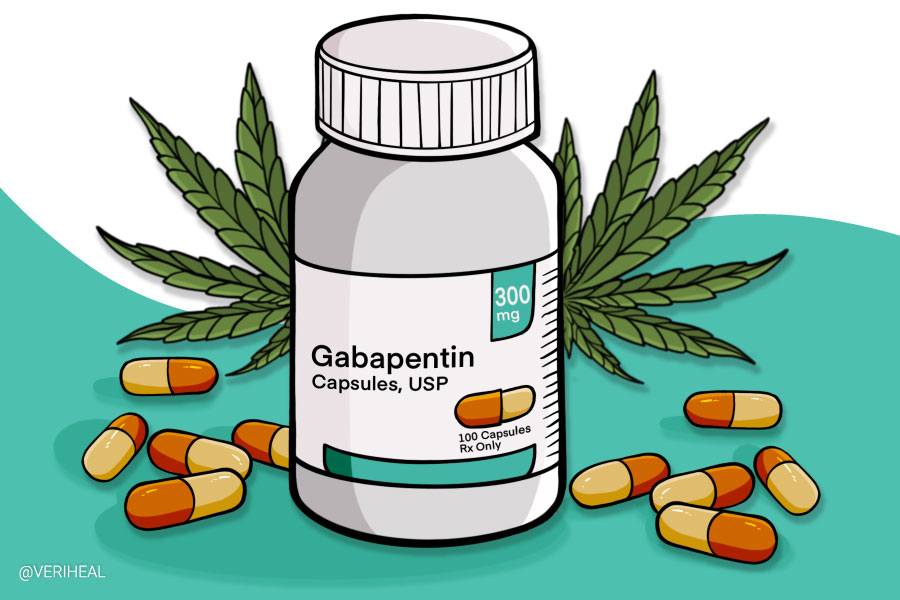
According to the New York Times, 64 million gabapentin prescriptions were dispensed in 2016, with numbers continuing to rise each year. Many patients now explore medical cannabis as an alternative after experiencing gabapentin’s concerning side effects, including FDA warnings about serious respiratory problems. Both treatments target similar conditions like nerve pain and seizures, but they…
An Oklahoma medical marijuana card provides legal protection under state law, but it can still affect employment, commercial driving, firearms, privacy, and federally regulated situations. This guide explains the main consequences to consider before applying, including workplace drug testing, CDL rules, insurance, housing, and registry privacy.
Getting a medical marijuana card in Oklahoma can be completed online, with no specific qualifying condition required for adult applicants. This guide covers eligibility, telehealth evaluations, required documents, OMMA application steps, fees, processing times, and what patients can do once approved.
A same-day telehealth appointment in Oklahoma can get you a physician recommendation quickly, but OMMA still needs to process your medical marijuana license application. This guide explains the timeline, required documents, costs, and when you can legally visit a dispensary while waiting for the physical card.
Medical marijuana has been legal in Oklahoma since 2018, with eligibility determined by physician judgment rather than a fixed list of qualifying conditions. This guide explains how the OMMA program works, patient rights and possession limits, recreational cannabis laws, federal restrictions, and how Oklahoma compares with neighboring states.
The statements made regarding cannabis products on this website have not been evaluated by the Food and Drug Administration (FDA). Cannabis is not an FDA-approved substance and is still illegal under federal law. The information provided on this website is intended for educational purposes only and is not intended to diagnose, treat, cure, or prevent any disease. It is not intended as medical advice and should not be considered as a substitute for advice from a healthcare professional. We strongly recommend that you consult with a physician or other qualified healthcare provider before using any cannabis products. The use of any information provided on this website is solely at your own risk.