Your medical cannabis journey simplified: find partnered dispensaries, explore pricing options, earn rewards, and get answers to FAQs, all in one spot.
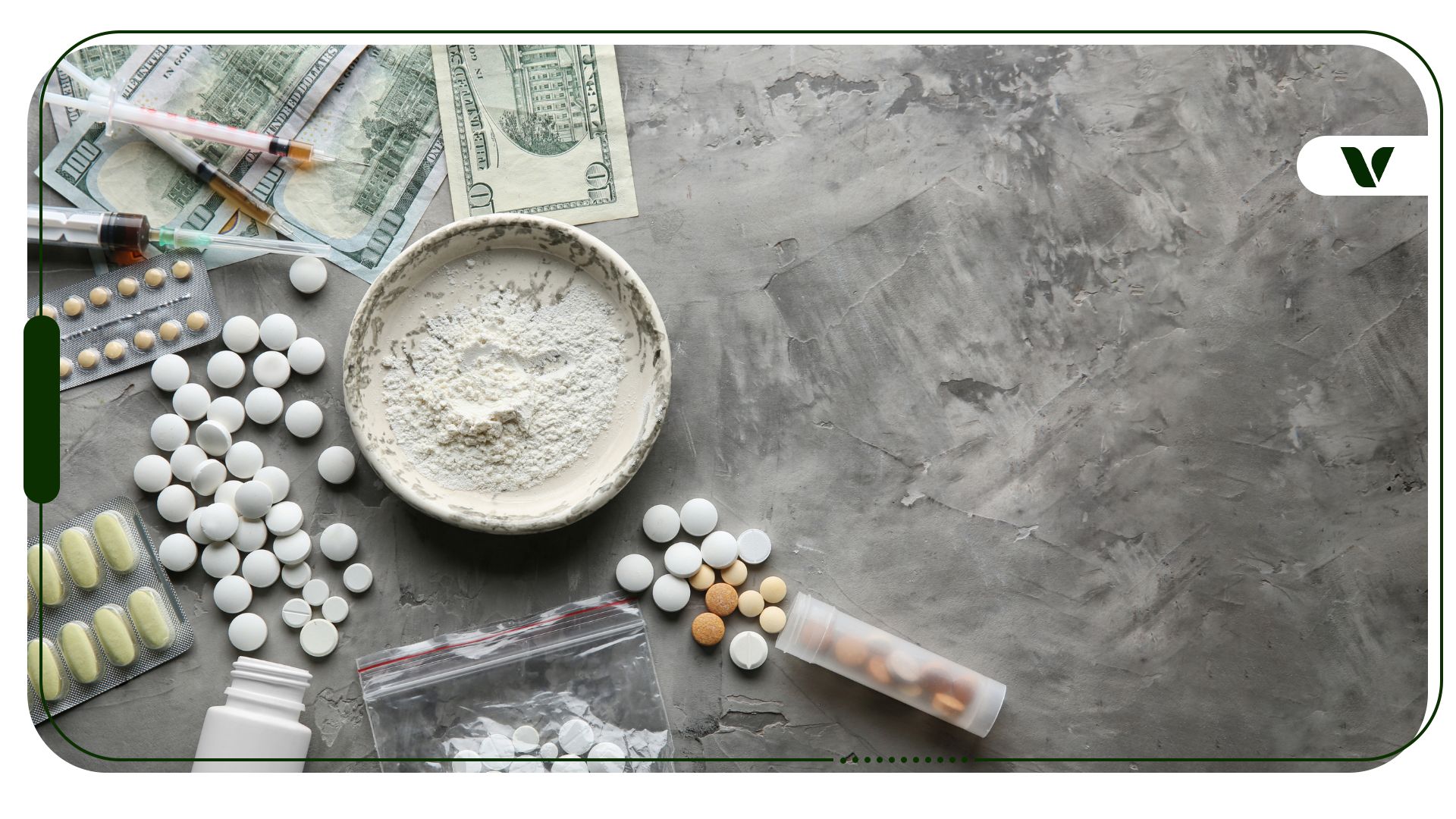
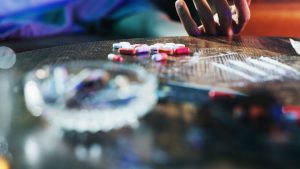
Nitrous. Xanax. Cocaine. Molly. Ketamine. LSD. Go to enough parties, and you’re sure to see one or more of these drugs being freely used and passed around among friends.
The 2020s aren’t the first decade to experience an explosion in recreational drug popularity – nearly every era throughout the 20th century saw the rise of one substance or another. In the 60s, cannabis took off. The 70s brought about the psychedelic boom. The 80s were dominated by cocaine. The 90s led to the MDMA surge.
Now, we’re using all of those and more – all at once. Polysubstance use, or the consumption of more than one drug at a time, is bigger than ever. Take a visit to r/drugs on Reddit to be inundated with terms such as “candyflipping” or “speedballs,” which reference combining substances like molly and LSD or cocaine and heroin.
It’s clear by this point that President Nixon’s historic and deeply problematic War on Drugs failed to stop the drug trade in America in any measurable way. Addiction and overdoses have actually gotten worse, largely due to the widespread takeover of hard drugs like fentanyl. But how did we get here? And how do we support the freedom to experiment without crossing the line into harm?
Modern Trends in Party Drugs
Not all drugs are created equal, and various substances tend to “trend” at different points in time.
To truly understand what’s popular right now, we need to look at our younger generations – namely, Millennials and Gen Z. In 2025, party drugs (i.e., ketamine, ecstasy, psychedelics, or nitrous) have dominated on social media and internet forums as fun, mind-expanding, and “safer” substances to experiment with.
In fact, even as alcohol use reaches historic lows among young people, their drug use continues to increase. While Baby Boomers struggle with alcoholism and prescription opioid abuse, Millennials and Gen Z generally prefer weed, nicotine, and hallucinogens. They’re also more likely to misuse pharmaceuticals like Adderall and Xanax.
Cocaine use has become particularly troubling. Although it’s still not as predominant as it was during its peak in the 1980s, it’s making a strong comeback, with global cocaine production doubling since 2010. In the U.S., usage rates among young adults have risen steadily over the past five years.
Meanwhile, psychedelics are going through a new renaissance, driven by trends like microdosing and psilocybin treatment centers for mental health issues. But most people aren’t doing them at treatment centers – they’re doing them at parties, raves, or music festivals.
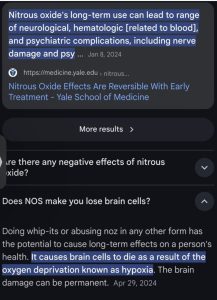
The line between “party drug” and “therapeutic drug” is blurrier than ever. Ketamine, which was once associated largely with clubs and raves, is now viewed both as a clinical antidepressant and a recreational dissociative. Nitrous oxide, also known as “laughing gas,” has seen a similar surge in popularity thanks to its newfound accessibility at smoke shops and gas stations.
The rising consumption of these drugs isn’t happening in a vacuum. Instead, it’s a peek into our current culture’s focus on escapism and self-medication – but our society doesn’t quite seem ready to look at the dark side of these drugs just yet.
The Culture: How Did We Get Here?
It’s easy to want to pin the boom in recreational drugs to black and white reasons, such as the growing positivity around cannabis, the need for self-medication from the stresses of daily life, and influences from movies and music in pop culture. The truth, however, is that all of these and more are adding to the problem, and it’s much more complex than it may initially seem.
For example, look at one of the most common scapegoats: weed legalization. Although weed is overwhelmingly deemed safe for most people, it still regularly gets framed by a shrinking minority as a “gateway drug” that’s capable of corrupting the youth. We now know that this is largely untrue, but those old stigmas led to the creation of programs like D.A.R.E., which failed spectacularly at preventing drug use.
Some believe D.A.R.E. actually exacerbated the problem since they typically preached for total abstinence, often saying that you’d face immediate harm and addiction if you ever tried a drug. When those students grew up and experimented with cannabis or psychedelics, they found this wasn’t true, leading to less fear when trying harder, more harmful drugs like cocaine or Xanax.
See If You Qualify For Medical Marijuana -Select Your State!
Select Your State
Alabama
Alaska
Arizona
Arkansas
California
Colorado
Connecticut
Delaware
Florida
Georgia
Hawaii
Idaho
Illinois
Indiana
Iowa
Kansas
Kentucky
Louisiana
Maine
Maryland
Massachusetts
Michigan
Minnesota
Mississippi
Missouri
Montana
Nebraska
Nevada
New Hampshire
New Jersey
New Mexico
New York
North Carolina
North Dakota
Ohio
Oklahoma
Oregon
Pennsylvania
Rhode Island
South Carolina
South Dakota
Tennessee
Texas
Utah
Vermont
Virginia
Washington
West Virginia
Wisconsin
Wyoming
Never miss a post
Get updates on cannabis culture, new research, and expert insights
We’ve seen this with cannabis and its widespread acceptance as a plant containing genuine health benefits. This has undoubtedly helped millions of people access cannabis as a health tool, but it also means young people may view it as “no big deal.”
Similar to cannabis are psychedelics and hallucinogens like mushrooms, LSD, ketamine, and MDMA. With new trials emerging about their potential ability to help lessen severe mental health issues – and the opening of psychedelic treatment centers in parts of the country – these substances are increasingly regarded as safe, or even healthy. Silicon Valley leaned in to psychedelic microdosing so hard in the 2010s that it’s now a staple of wellness culture, with accompanying microdosing retreats.
Party drugs like these certainly do have possible benefits, but they should be used with care – something many young people don’t know to do. Music festival culture, movies and TV shows like Euphoria or Narcos, and pop music all highlight the good side of drugs. With them, you too can stay up all night with ease, escape the collapse of society, and connect with others like you never have before.
Now, we’re faced with underage kids huffing nitrous, college students abusing MDMA, and people from all walks of life doing cocaine on a casual Tuesday.
Here at Veriheal, we do believe in the potential healing benefits of substances like mushrooms, cannabis, or MDMA. In proper settings, they can help with depression, anxiety, post-traumatic stress disorder (PTSD), or chronic pain. They certainly have value as an exciting, fun, or spiritual experience, which helped lead to their popularity in the first place.
But we would be remiss if we didn’t also acknowledge the potential harms of these drugs, particularly if they are used too frequently or by adolescents.
Many people who try out recreational drugs for a night are fine, and they rarely lead to substance use issues so quickly. As such, it’s easy to see them as safe and slip into a habit where you partake every month – or every week. From there, things can quickly snowball.
Some risks cannot be ignored, but there are also safer ways to move forward. If we want to build a healthier society, we must focus on harm reduction rather than abstinence. The key is awareness: people who are fully, properly educated on both the benefits and risks of substances can make better choices on how to use them. Children need to be given a true understanding of why drugs are harmful to a developing brain and provided support – not punishment – if they encounter them.
Fortunately, cultural tides can quickly shift. We’re already seeing it in the “sober curious” movement, which is taking off with a more health-conscious Gen Z. Louisiana has banned nitrous oxide in an effort to prevent children from accessing it (whether or not this is fair to adults is hotly debated).
There is a healthy line to stay behind when it comes to recreational drugs. Respect your body’s limits, take the time to educate yourself, and don’t make choices based on what’s popular. Substances like mushrooms, cannabis, and MDMA can offer genuine healing and memorable experiences, but they must be used responsibly.
By combining education, harm reduction, and cultural mindfulness, we can preserve our freedom to explore while minimizing the very real dangers that come with crossing that line.
Emily is a Denver-based transplant from Virginia who is passionate about substance use harm reduction, yoga, and music. She writes and edits to support the extravagant lifestyles of her pug and cat. When she's not writing, she can be found doing flow and aerial arts or browsing flights to faraway places.
Oklahoma’s medical-only dispensary market gives licensed patients access to a wide range of cannabis products, but every purchase must follow OMMA rules. This guide explains how to find licensed dispensaries, what identification to bring, purchase and possession limits, product testing, pricing, and what to expect during a visit.
Oklahoma’s advertised $25 medical marijuana card renewal covers the physician evaluation, but patients must also pay a separate OMMA license fee. This guide explains the full renewal cost, reduced-fee eligibility, required documents, online renewal steps, processing times, and the new physician recommendation requirement.
An Oklahoma medical marijuana card provides legal protection under state law, but it can still affect employment, commercial driving, firearms, privacy, and federally regulated situations. This guide explains the main consequences to consider before applying, including workplace drug testing, CDL rules, insurance, housing, and registry privacy.
Getting a medical marijuana card in Oklahoma can be completed online, with no specific qualifying condition required for adult applicants. This guide covers eligibility, telehealth evaluations, required documents, OMMA application steps, fees, processing times, and what patients can do once approved.
A same-day telehealth appointment in Oklahoma can get you a physician recommendation quickly, but OMMA still needs to process your medical marijuana license application. This guide explains the timeline, required documents, costs, and when you can legally visit a dispensary while waiting for the physical card.
The statements made regarding cannabis products on this website have not been evaluated by the Food and Drug Administration (FDA). Cannabis is not an FDA-approved substance and is still illegal under federal law. The information provided on this website is intended for educational purposes only and is not intended to diagnose, treat, cure, or prevent any disease. It is not intended as medical advice and should not be considered as a substitute for advice from a healthcare professional. We strongly recommend that you consult with a physician or other qualified healthcare provider before using any cannabis products. The use of any information provided on this website is solely at your own risk.