Your medical cannabis journey simplified: find partnered dispensaries, explore pricing options, earn rewards, and get answers to FAQs, all in one spot.
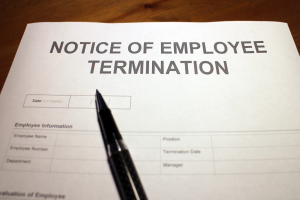
Millions of Americans have medical marijuana cards, providing them with legal access to the therapeutic benefits of cannabis. Despite this expanded access, cannabis is still illegal under federal law. This can make for some sticky situations regarding employment. If you’re a card-carrying patient, you may be wondering, Can my boss still fire me for medical marijuana in 2025?
The short answer is maybe. Let’s take a closer look at why.
Medical Cannabis and the Workplace
The National Conference of State Legislatures reports that about half of the states with legal medical cannabis have implemented policies to address discrimination against medical cannabis patients. Most of these policies contain exceptions, though.
Most states lack any workplace accommodation requirements for medical cannabis patients, instead letting employers decide on their own rules. However, Nevada law requires employers to reasonably accommodate the medical needs of employees who use medical cannabis, so long as it doesn’t cause hardship on the employer or prevent the employee from carrying out their duties.
The specific rules of medical cannabis in the workplace vary greatly from state to state. It’s crucial to look into the specific laws and regulations for the state you live in if you are a medical cannabis user in the workplace. But even if your state has specific rules in place about medical marijuana use, federal law can override such regulations and land you in trouble.
Can Employers Drug Test for Cannabis?
Even in states with legal cannabis, employers can test for the substance, with varying rules and exceptions. Some states have banned pre-employment testing for cannabis and only permit employers to test for tetrahydrocannabinol (THC) under reasonable suspicion. Other states allow employers to carry out pre-employment drug tests at their discretion.
Jobs with significant safety risks may also test for cannabis and other drugs. Fire departments, law enforcement, and other high-risk jobs where on-the-job cannabis use could cause extreme harm may allow for drug testing, even if state law otherwise prohibits it.
What About Off the Job Consumption?
If you’re worried about being fired for medical cannabis use, it’s important to know that drug tests don’t just look for recent use. Unlike breathalyzers or blood tests to look for on-the-job alcohol use, you can test positive for cannabis days, weeks, or even months after your last use.
But some states offer protections. In New York, for example, employees need to demonstrate “articulable symptoms of cannabis impairment” at work before they can be reprimanded for cannabis use. Many states, like California and Washington, prevent employers from firing employees for off-duty, off-the-job cannabis consumption.
However, other states clearly allow employers to enforce their own drug-free workplaces, even when medical cannabis laws are in place. For example, Florida law states:
“This section does not limit the ability of an employer to establish, continue, or enforce a drug-free workplace program or policy. This section does not require an employer to accommodate the medical use of marijuana in any workplace or any employee working while under the influence of marijuana. This section does not create a cause of action against an employer for wrongful discharge or discrimination.”
This may change soon, though. Florida Senator Tina Scott Polsky recently filed a bill to provide protections for public employees who use medical cannabis.
See If You Qualify For Medical Marijuana -Select Your State!
Select Your State
Alabama
Alaska
Arizona
Arkansas
California
Colorado
Connecticut
Delaware
Florida
Georgia
Hawaii
Idaho
Illinois
Indiana
Iowa
Kansas
Kentucky
Louisiana
Maine
Maryland
Massachusetts
Michigan
Minnesota
Mississippi
Missouri
Montana
Nebraska
Nevada
New Hampshire
New Jersey
New Mexico
New York
North Carolina
North Dakota
Ohio
Oklahoma
Oregon
Pennsylvania
Rhode Island
South Carolina
South Dakota
Tennessee
Texas
Utah
Vermont
Virginia
Washington
West Virginia
Wisconsin
Wyoming
Never miss a post
Get updates on cannabis culture, new research, and expert insights
Does the ADA Protect Medical Cannabis Users?
Despite widespread acceptance of medical cannabis, it’s still illegal under federal law. Because the Americans with Disabilities Act (ADA) is a federal civil rights law, federally illegal substances like cannabis are not covered.
Last year, a Vermont federal judge ruled that a plaintiff’s medical cannabis use was not protected by the ADA in a Supreme Court case. The plaintiff’s employer fired him after he tested positive for THC in a random drug test. He argued that his state-issued medical cannabis card exempted him from failing the test for cannabis alone.
The federal judge examined whether the ADA covered the case and ultimately ruled against the plaintiff, finding that the law excludes employees who engage in illegal drug use.
Although some states have enacted protections against discrimination for medical cannabis use, the ADA does not protect employees at the federal level.
Which States Protect Employees With Medical Marijuana Cards?
According to JDSupra, the following states prohibit discrimination against qualified medical cannabis patients in some form.
Arizona
Arkansas
Delaware
Illinois
Maine
Minnesota
Missouri
New Jersey
New Mexico
Oklahoma
Pennsylvania
Rhode Island
Utah
Virginia
Washington
West Virginia
In Arizona, Delaware, Illinois, Maine, Utah, and West Virginia, these protections are waived if employee cannabis use would cause the employer to lose financial or licensing benefits under federal law.
For employees in Missouri, protections are waived if lawful cannabis use would affect their ability to perform job-related responsibilities, impact other people’s safety, or conflict with a bona fide workplace qualification reasonably related to their job.
In Washington, discrimination is only prohibited in pre-employment screenings. This means employers cannot include cannabis testing in the hiring process. Exceptions to the rule include jobs that require federal background investigation or security clearance, law enforcement, fire protection, first responders, and other safety-sensitive positions. The safety-sensitive nature of the job must be clearly stated to applicants before hiring.
Additionally, California, the District of Columbia, Massachusetts, Nevada, and New York all have some form of protection for off-duty cannabis use outside of the workplace, regardless if it’s recreational or medical.
Until federal law changes, medical cannabis users should always exercise caution about their use related to their job. If you’re a medical patient, be sure to fully understand your state laws and know your rights as a patient to protect yourself from termination.
If you’re worried about cannabis affecting your employment, we’re here for you. Veriheal users can request a medical letter during or after their evaluations. When you provide job details, your doctor can tailor the note to your specific situation and include a physician license number, your registry ID, and a workplace-ready statement you can share at your discretion with your HR team, union representatives, or legal counsel.
HIPAA-compliant telehealth systems store and send all records to protect users’ private data. Doctors can reference your state’s specific employment protection statutes in the letter while using clear language to avoid diagnosis details.
Macey is a freelance writer from Seattle. She's covered the cannabis industry extensively, emphasizing the economic opportunities for Indigenous entrepreneurs. Her writing focuses on the people, stories, and labors of love behind every venture.
According to 2020 data from the Centers for Disease Control (CDC), 14.5% of adults have trouble falling asleep most days, while 17.8% have trouble staying asleep. Other reports estimate that 50 to 70 million Americans have sleep disorders, and roughly 84 million don’t regularly get enough sleep to stay healthy. This widespread lack of sleep…
In a safe and perfect world, everyone who needs cannabis could go to a dispensary and buy safety-tested products from licensed producers. Unfortunately, we are far from living in a perfect world. Despite most states recognizing that cannabis has therapeutic potential, it’s not an easily obtainable substance for many. Many people in states without legal…
For many, dating today feels more challenging than ever. The competition is fierce, with many having to fake it to match the expectations and preferences of a limited pool of potential partners. The question that you need answered today is whether your cannabis use might be sabotaging your chances at romance. Sadly, it just might….
Whoever says only women can use beauty products needs to hush. Men deserve to look good, too, because the better you look, the better you feel. Research suggests younger men aged 18-34 are most likely to use CBD for skin conditions, but so do those 34–55 still. You don’t have to go as far as…
A major part of the cannabis legalization process in many states occurs both before and after ratification — it’s called fearmongering. This unfortunate side effect of liberty takes on many forms: legal hypocrisy, religious and gender discrimination, racism, and so many more abhorrent realities. Much of the same misinformed and hateful rhetoric hardens and congeals around…
The statements made regarding cannabis products on this website have not been evaluated by the Food and Drug Administration (FDA). Cannabis is not an FDA-approved substance and is still illegal under federal law. The information provided on this website is intended for educational purposes only and is not intended to diagnose, treat, cure, or prevent any disease. It is not intended as medical advice and should not be considered as a substitute for advice from a healthcare professional. We strongly recommend that you consult with a physician or other qualified healthcare provider before using any cannabis products. The use of any information provided on this website is solely at your own risk.