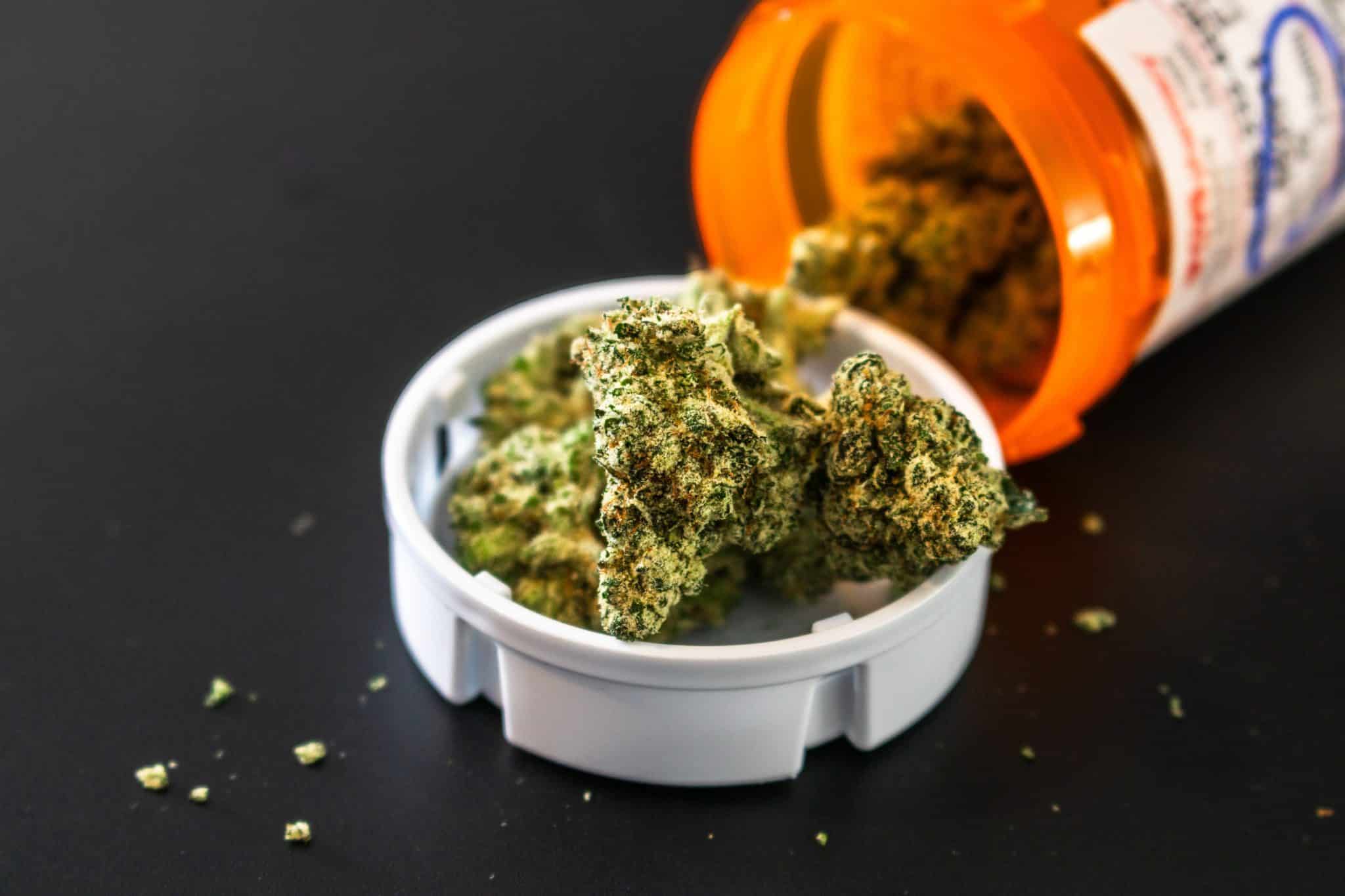
Through endocannabinoid system optimization, cellular protection, and inflammation reduction, research suggests cannabis compounds may offer anti-aging benefits. While cannabis isn’t a fountain of youth, emerging studies indicate it may support healthy aging processes when used appropriately.
As we age, the physical and mental components we rely on start breaking down. Cell regeneration slows, muscles and bones weaken, mental sharpness drops, and the immune system becomes less effective. The longer you live, the more wear and tear accumulates on your body’s systems.
Your endocannabinoid system plays a crucial role in maintaining balance throughout these aging processes. Understanding how cannabis interacts with this system reveals why some researchers are exploring its potential as an anti-aging tool.
What Happens As You Age?
Aging affects every system in your body through interconnected biological processes. Your cells gradually lose their ability to repair DNA damage and remove waste products efficiently. Mitochondria, the powerhouses of your cells, produce less energy while generating more harmful free radicals.
Inflammation becomes chronic rather than acute, creating a low-level state of cellular stress that accelerates tissue damage. Your immune system weakens through a process called immunosenescence, making you more vulnerable to infections and less responsive to vaccines. Hormonal changes disrupt sleep patterns, metabolism, and cognitive function.
These changes don’t happen overnight but accumulate over decades. The key to healthy aging lies in supporting your body’s natural repair mechanisms and reducing the inflammatory burden that accelerates cellular damage.
How Aging Affects the ECS and How Cannabis Might Support It
Your endocannabinoid system undergoes significant changes as you age, potentially contributing to many age-related health challenges. Endocannabinoid production decreases, receptor sensitivity changes, and the enzymes that break down cannabinoids become less efficient.
CB1 receptors in your brain decrease in number and function, which may contribute to cognitive decline and mood changes. CB2 receptors, primarily found in immune tissue, also show reduced activity, potentially weakening your body’s ability to manage inflammation and immune responses.
Cannabis compounds may help compensate for these age-related changes by providing external cannabinoids that interact with your existing receptors. THC can bind directly to CB1 and CB2 receptors, while CBD influences the system indirectly by inhibiting enzymes that break down your natural endocannabinoids. This interaction may help restore some balance to an aging endocannabinoid system.
Research on Cannabis and Cellular Aging
Emerging research explores how cannabis compounds affect fundamental aging processes at the cellular level. Studies suggest cannabinoids may influence telomere length, mitochondrial function, and cellular repair mechanisms that determine how quickly your body ages.
A 2019 study on cannabinoids and neuroprotection found that CBD treatment helped protect brain cells from oxidative stress, one of the primary drivers of cellular aging. The researchers observed improved mitochondrial function and reduced inflammatory markers in treated cells compared to controls.
Research on cannabis users and aging markers indicates that long-term cannabis users may show different patterns of cellular aging compared to non-users. While more research is needed to establish causation, these preliminary findings suggest cannabis compounds might influence fundamental aging processes.
Key research findings include:
- Cannabinoids demonstrate antioxidant properties that may protect cells from free radical damage
- CBD shows potential for supporting mitochondrial health and energy production
- THC and CBD may influence inflammatory pathways linked to accelerated aging
- Cannabis compounds appear to support neuroplasticity and cognitive function in aging brains
Cannabis Compounds with Anti-Aging Properties
Specific cannabis compounds show promising anti-aging properties through different biological mechanisms. While cannabis cannot reverse aging, research suggests certain cannabinoids and terpenes may slow age-related cellular damage and support healthy longevity.
CBD demonstrates neuroprotective effects that may help preserve cognitive function as you age. Studies on CBD and neuroinflammation show it reduces brain inflammation and supports the formation of new neural connections. CBD also acts as a potent antioxidant, potentially protecting cells from the oxidative stress that accelerates aging.
THC may support cellular health through its interaction with CB1 receptors in the brain and nervous system. Low doses of THC have shown potential for protecting brain cells and supporting memory formation in aging populations, though higher doses may have the opposite effect.
Key compounds and their anti-aging mechanisms:
- CBD: Reduces inflammation, provides antioxidant protection, supports neuroplasticity, and may protect against age-related cognitive decline
- THC: Shows neuroprotective effects at low doses, may support sleep quality and appetite regulation in older adults
- CBG: Demonstrates antibacterial properties and may support bone health as you age
- Beta-caryophyllene: Acts as a CB2 receptor agonist, potentially reducing systemic inflammation linked to aging
Cannabis and Age-Related Conditions
Cannabis shows potential for managing several age-related conditions that commonly develop with age. While it’s not a cure, research suggests it may help alleviate symptoms and improve quality of life for older adults dealing with chronic health challenges.
Arthritis and chronic pain affect millions of older adults, and cannabis may offer relief through its anti-inflammatory effects. Studies indicate that both THC and CBD can reduce pain perception and inflammation in joints, potentially slowing the progression of arthritis-related damage.
Sleep disorders become more common with age, and cannabis may help restore healthy sleep patterns. THC can reduce the time it takes to fall asleep, while CBD may improve sleep quality by addressing anxiety and pain that often disrupt rest in older adults.
Neurodegenerative diseases like Alzheimer’s and Parkinson’s may benefit from cannabis treatment. Research on cannabinoids and neurodegeneration suggests that cannabis compounds may slow the progression of these conditions by reducing brain inflammation and supporting neural protection.
Practical Anti-Aging Cannabis Protocols for Older Adults
Implementing cannabis for anti-aging benefits requires careful attention to dosing, timing, and consumption methods. Older adults often have different tolerances and medication interactions that affect how cannabis works in their bodies.
Start with the lowest possible dose and increase gradually over several weeks. Your cannabis dosing considerations become more complex with age due to changes in metabolism and potential drug interactions. A microdose of 1-2.5 mg THC or 5-10 mg CBD provides a good starting point for most older adults.
Follow these protocol steps for safe anti-aging cannabis use:
- Consult your healthcare provider before starting any cannabis regimen, especially if you take prescription medications or have chronic health conditions
- Choose appropriate consumption methods such as tinctures, capsules, or vaporizers that allow precise dosing and avoid respiratory irritation
- Time your doses strategically by taking CBD in the morning for daily anti-inflammatory support and THC in the evening to support sleep quality
- Monitor your response carefully by keeping a journal of effects, side effects, and any changes in your existing health conditions
- Adjust your protocol based on results by working with a cannabis-friendly healthcare provider to optimize your regimen over time
Your body processes cannabis differently as you age, so what works for younger users may not be appropriate for your needs. Focus on consistency and gradual adjustments rather than dramatic changes to your protocol.
Cannabis Risks, Side Effects, and Concerns for Older Adults
Cannabis use in older adults requires special consideration due to age-related changes in drug metabolism and increased risk of medication interactions. While generally well-tolerated, cannabis can cause side effects that may be more problematic for seniors than younger users.
Cognitive effects pose the greatest concern for older adults using cannabis. THC can impair memory, attention, and decision-making abilities that may already be declining with age. These effects are typically dose-dependent and temporary, but they can increase fall risk and affect medication adherence.
Cardiovascular effects require monitoring in older adults with heart conditions. Cannabis can cause temporary increases in heart rate and blood pressure, particularly with THC-dominant products. If you have a history of heart disease, stroke, or blood pressure issues, consult your cardiologist before using cannabis.
Getting your medical cannabis card ensures legal access and professional guidance for safe use. Medical cannabis programs often provide better quality control and dosing information than recreational markets.
Dos and Don’ts of Using Cannabis as You Age
Dos
Start low and go slow with all cannabis products, especially if you’re new to cannabis or haven’t used it in decades. Your tolerance is likely much lower than you expect, and age-related changes in metabolism mean effects last longer than in younger users.
Work with healthcare providers who understand both cannabis and geriatric medicine. Many doctors are becoming more cannabis-friendly as research expands, and their guidance helps you avoid dangerous interactions with existing medications.
Choose high-quality products from licensed dispensaries that provide lab testing results. Contaminated cannabis poses greater risks for older adults with compromised immune systems, making product quality especially important for your safety.
Don’ts
Don’t combine cannabis with alcohol or sedating medications without medical supervision. This combination increases fall risk and can cause dangerous respiratory depression, particularly in older adults who may already have breathing difficulties.
Don’t drive or operate machinery while using cannabis, even if you feel unimpaired. Age-related changes in vision, reflexes, and cognitive processing compound cannabis impairment effects, making activities requiring coordination more dangerous than you might realize.
Don’t stop or change prescription medications without consulting your doctor first. Cannabis may allow you to reduce some medications, but this process requires medical supervision to avoid withdrawal symptoms or disease complications.
Other Things You Can Do to Slow Aging
Cannabis works best as part of a comprehensive anti-aging strategy that includes proven lifestyle interventions. While cannabis may support healthy aging, it cannot replace fundamental health practices that research has shown to extend both lifespan and healthspan.
Regular exercise remains the most powerful anti-aging intervention available. Resistance training maintains muscle mass and bone density, while cardiovascular exercise supports heart health and cognitive function. Even moderate activity like daily walking can significantly impact your aging trajectory.
Nutrition plays an equally important role in healthy aging. A Mediterranean-style diet rich in antioxidants, healthy fats, and anti-inflammatory compounds supports the same cellular processes that cannabis compounds may influence. Quality sleep, stress management, and social connections complete the foundation of successful aging.
Cannabis can complement these evidence-based strategies by potentially reducing inflammation, supporting sleep quality, and managing age-related conditions that interfere with healthy lifestyle practices. The key is viewing it as one tool among many rather than a standalone solution.
Note: The content on this page is for informational purposes only and is not intended to be professional medical advice. Do not attempt to self-diagnose or prescribe treatment based on the information provided. Always consult a physician before making any decision on the treatment of a medical condition.
Note: Veriheal does not support illegally consuming therapeutic substances such as cannabis but acknowledges that it transpires because of the current illicit status, which we strive to change by advocating for research, legal access, and responsible consumption. Always consult a physician before attempting alternative therapies.
Ready to explore whether cannabis might support your healthy aging goals? Find a qualified medical cannabis doctor who can evaluate your individual needs and guide you through the process safely.
Frequently Asked Questions
Can cannabis actually reverse aging?
Cannabis cannot reverse aging or biological clock processes. Research suggests it may slow certain age-related cellular damage and support healthy aging processes, but it’s not a fountain of youth.
What’s the best cannabis dose for anti-aging benefits?
Most older adults should start with 1-2.5 mg THC or 5-10 mg CBD daily. Your optimal dose depends on your body weight, metabolism, health conditions, and individual tolerance levels.
Is CBD or THC better for aging?
Both compounds offer different anti-aging benefits, with CBD providing anti-inflammatory and neuroprotective effects while THC may support sleep and appetite. Many older adults benefit from products containing both compounds in balanced ratios.
How long does it take to see anti-aging effects from cannabis?
Anti-aging benefits develop gradually over weeks to months of consistent use. You may notice improvements in sleep, pain, or mood within days, but cellular-level anti-aging effects take longer to manifest.
Can cannabis interact with my current medications?
Cannabis can interact with many common medications older adults take, including blood thinners, heart medications, and sedatives. Always consult your healthcare provider before combining cannabis with prescription drugs.
Author, Share & Comments