Your medical cannabis journey simplified: find partnered dispensaries, explore pricing options, earn rewards, and get answers to FAQs, all in one spot.
Cannabis is a green industry, right? After all, it’s really just about plants at its core. What could be a more eco-friendly industry than the cultivation of marijuana?
Unfortunately, the truth is not so simple.
The commercial cannabis industry has exploded over the last two decades, generating thousands of jobs and billions of dollars in revenue as legalization spreads across the country. Countless cannabis businesses have sprung up, selling everything from hemp drinks to highly potent extracts or cheap pre-rolled joints. Dispensaries are abundant in legal states like Colorado and California, and more research is being conducted every year into weed’s ability to help with mental and physical health issues.
But all of this growth comes at a cost, most significantly to the planet. Indoor cultivation in massive warehouses is incredibly energy-intensive. Laws regarding the sale of cannabis products are quite strict, leading to literal tons of single-use plastic packaging. This, along with high water use, carbon emissions from transportation, and fertilizers, has made cannabis a serious ecological problem.
So, what do we do about it? How can the average cannabis connoisseur make a difference? Not all hope is lost – studies have found that many cannabis users want greener options. There is a better way forward, although it will require effort from both the industry and consumers to achieve it.
Greener Home Growing
Before cannabis can be packaged, it must be grown – and this is where a lot of the sustainability issues come into play. According to research from Colorado State University, the industrial production of a single kilogram of dried flower can emit as much as 5.5 tons of carbon into the atmosphere. The impact of a pound of weed is larger than a round-trip flight from San Francisco to Tokyo.
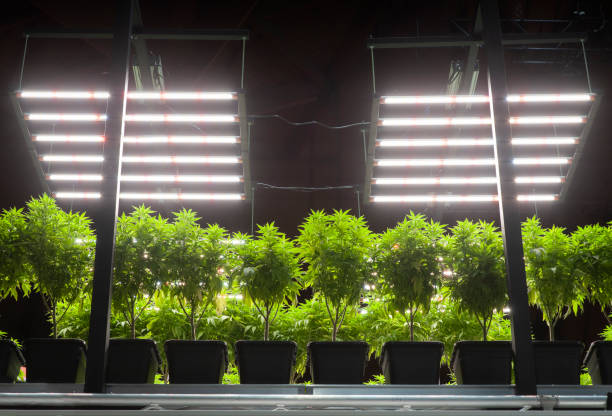
It’s illegal to transport cannabis across state lines, meaning optimal outdoor grow areas like California cannot ship more sustainably-grown products to other areas. As a result, most states must cultivate their product indoors, leading to exorbitant energy usage to maintain proper light, humidity, and temperature levels for the plants.
The most obvious step to a more sustainable cannabis consumption? Growing your own! It’s also typically cheaper in the long run, more fun, and better for your health than simply buying weed at the dispensary.
(Note: Please check the laws in your state first to ensure that growing cannabis at home is legally viable.)
There are countless methods for growing cannabis at home, from space buckets for people who live in apartments to more advanced hydroponic setups. On average, however, they are all more eco-friendly than turning to industrial growth companies for your product.
Cannabis is an easy plant to grow organically. It’s naturally pest-resistant, so you don’t need to use harmful pesticides and herbicides. It’s good for the soil and actually removes toxins from the ground, making it ideal for areas that need a little extra love before cultivating another crop. Turning away from chemical fertilizers in favor of more organic growing methods will not only lead to better final results but also help ensure healthier soil in the long run.
When you’ve harvested your flower at the end, try composting the remaining stalks and leaves to create an even greener grow.
Check out a few of our top resources for home growing cannabis:
See If You Qualify For Medical Marijuana -Select Your State!
Select Your State
Alabama
Alaska
Arizona
Arkansas
California
Colorado
Connecticut
Delaware
Florida
Georgia
Hawaii
Idaho
Illinois
Indiana
Iowa
Kansas
Kentucky
Louisiana
Maine
Maryland
Massachusetts
Michigan
Minnesota
Mississippi
Missouri
Montana
Nebraska
Nevada
New Hampshire
New Jersey
New Mexico
New York
North Carolina
North Dakota
Ohio
Oklahoma
Oregon
Pennsylvania
Rhode Island
South Carolina
South Dakota
Tennessee
Texas
Utah
Vermont
Virginia
Washington
West Virginia
Wisconsin
Wyoming
Never miss a post
Get updates on cannabis culture, new research, and expert insights
Avoiding Plastic Packaging
If you’re not in a position to grow cannabis at home, don’t fret – there are ways to make greener choices at the dispensary, too.
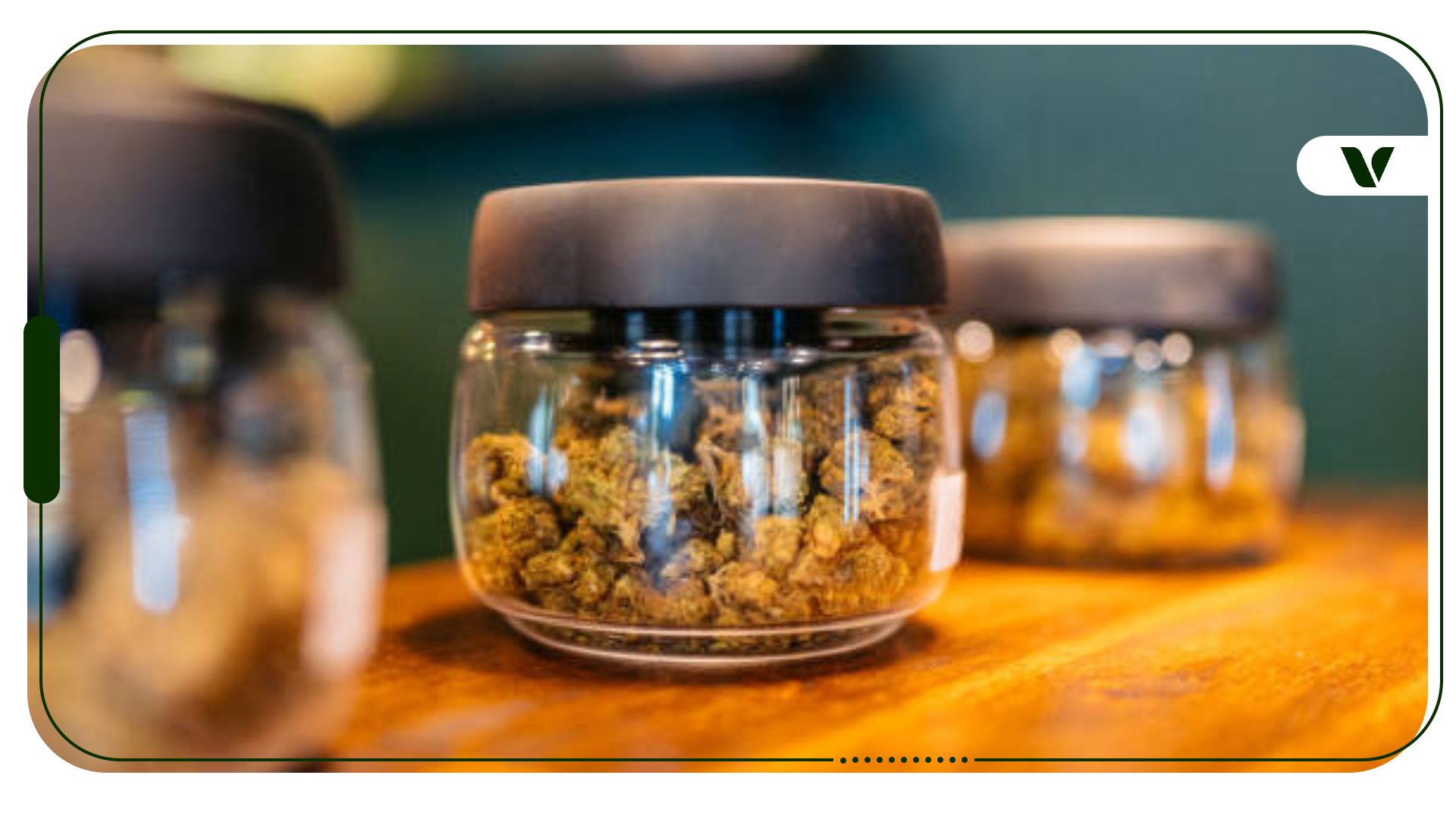
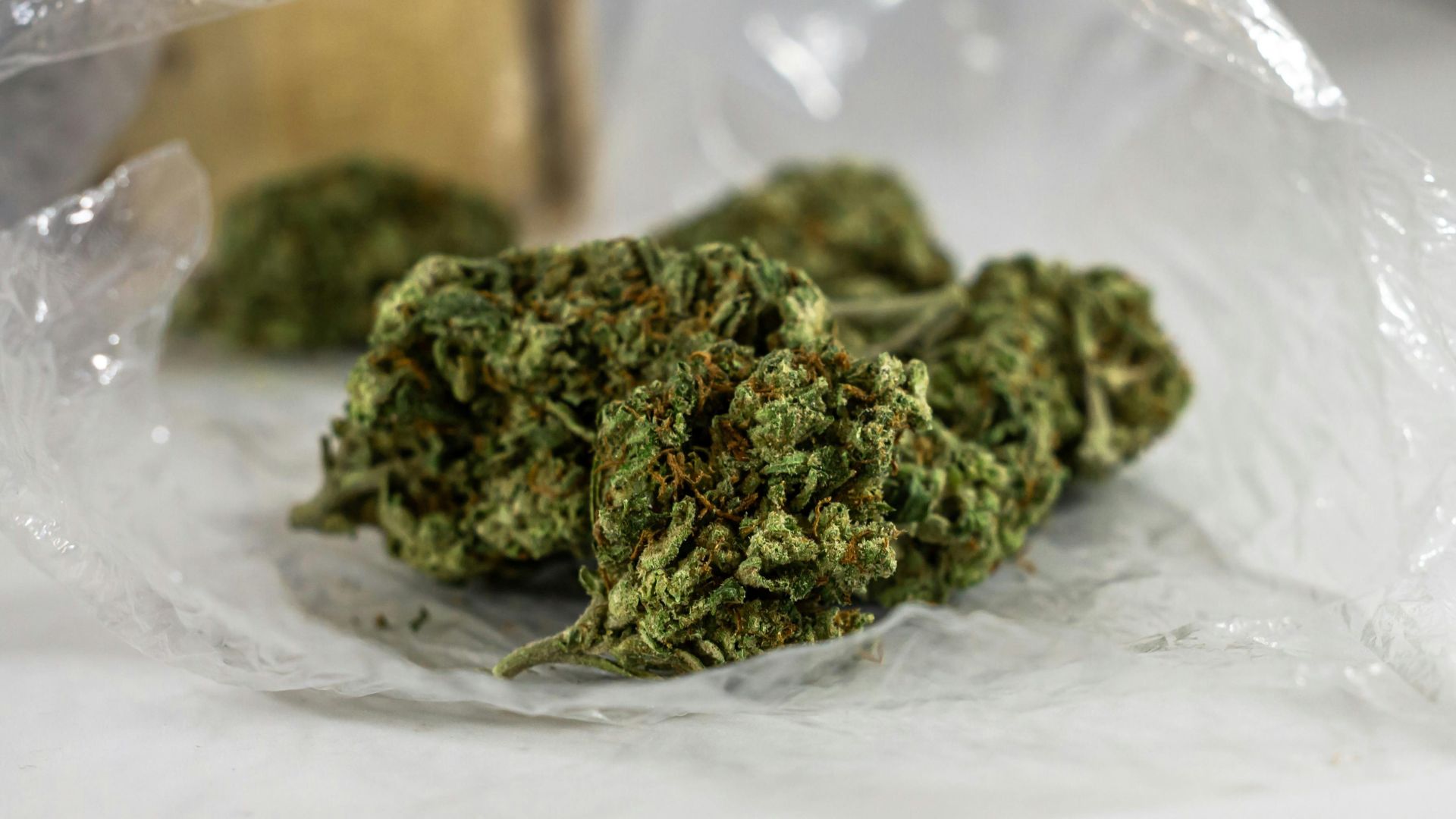
First, look at the packaging. Plastic is still an unfortunate necessity in some states due to legal restrictions, but several companies are working to provide greener options. Hemp packaging, which is biodegradable, is becoming increasingly popular. Companies like Sana Packaging, Calyx Containers, and 420 Packaging are working with retailers to provide bags and containers made from hemp, recycled plastic, and vegetable ink, which have a much lower environmental impact.
To find companies using these products, look for some of these brands the next time you’re browsing:
These are just a few of the brands making greener choices. If you can’t find one, search for cannabis packaged in glass, cardboard, or post-consumer recycled plastic. Don’t be afraid to ask your budtender for help!
Next, remember that the specific products you buy make an impact. Disposable vapes, while convenient, are one of the most harmful cannabis products on the market due to lithium mining and their plastic components. Opt for reusable batteries and cartridges instead.
Finally, consider your cannabis accessories. Pick metal or glass for your grinders, pipes, and ashtrays, as these materials are much easier to recycle and break down naturally. You can even find pre-rolls with wildflower seeds in the tips – plant them anywhere you’d like to see a little extra beauty and life.
Going the extra mile for the planet extends beyond home grows and avoiding plastic – you can also choose to purchase from cannabis companies that make eco-friendly cultivation practices.
While you can’t exactly go to a dispensary and look for “organic” products (cannabis companies are not legally allowed to use that label), states such as California have started implementing other labels, like EnviroCann, to identify eco-conscious growers.
A number of cultivators have started using something known as “regenerative farming” practices. This may include composting, using living soil, rainwater recycling, outdoor growing, avoiding pesticides, and using organic nutrients. Some go as far as relying on solar power or capturing carbon to lower their net emissions.
Choosing to be an eco-conscious cannabis consumer takes a little effort, but it pays off in spades for the planet.
By voting with our dollars and choosing to support sustainable cannabis brands, we can send a message to corporations about the kinds of products and innovation we want to see from the industry. It will take effort from all of us, but the results are already showing as more farms and dispensaries alike turn toward planet-minded practices.
The cannabis industry is still quite young, so it will take some time to get there. Activism starts with us, whether it’s picking out a preroll instead of a vape or messaging your representatives to push for more sustainable law reform. But if we start now, we can make a major difference for future generations – and we will have a healthier earth to show for it.
Emily is a Denver-based transplant from Virginia who is passionate about substance use harm reduction, yoga, and music. She writes and edits to support the extravagant lifestyles of her pug and cat. When she's not writing, she can be found doing flow and aerial arts or browsing flights to faraway places.
According to 2020 data from the Centers for Disease Control (CDC), 14.5% of adults have trouble falling asleep most days, while 17.8% have trouble staying asleep. Other reports estimate that 50 to 70 million Americans have sleep disorders, and roughly 84 million don’t regularly get enough sleep to stay healthy. This widespread lack of sleep…
Whoever says only women can use beauty products needs to hush. Men deserve to look good, too, because the better you look, the better you feel. Research suggests younger men aged 18-34 are most likely to use CBD for skin conditions, but so do those 34–55 still. You don’t have to go as far as…
For many, dating today feels more challenging than ever. The competition is fierce, with many having to fake it to match the expectations and preferences of a limited pool of potential partners. The question that you need answered today is whether your cannabis use might be sabotaging your chances at romance. Sadly, it just might….
A major part of the cannabis legalization process in many states occurs both before and after ratification — it’s called fearmongering. This unfortunate side effect of liberty takes on many forms: legal hypocrisy, religious and gender discrimination, racism, and so many more abhorrent realities. Much of the same misinformed and hateful rhetoric hardens and congeals around…
Wedding Cake stands as one of the most celebrated hybrid strains of modern cannabis. This award-winning strain captured titles such as Best Hybrid Flower at the 2018 SoCal High Times Medical Cannabis Cup and Strain of the Year 2019 from Leafly, cementing its place among cannabis icons. Wedding Cake’s true-to-its-name rich flavor and aroma profile…
The statements made regarding cannabis products on this website have not been evaluated by the Food and Drug Administration (FDA). Cannabis is not an FDA-approved substance and is still illegal under federal law. The information provided on this website is intended for educational purposes only and is not intended to diagnose, treat, cure, or prevent any disease. It is not intended as medical advice and should not be considered as a substitute for advice from a healthcare professional. We strongly recommend that you consult with a physician or other qualified healthcare provider before using any cannabis products. The use of any information provided on this website is solely at your own risk.