Your medical cannabis journey simplified: find partnered dispensaries, explore pricing options, earn rewards, and get answers to FAQs, all in one spot.
August 14, 2024 08:30 am ETEstimated Read Time: 5 Minutes
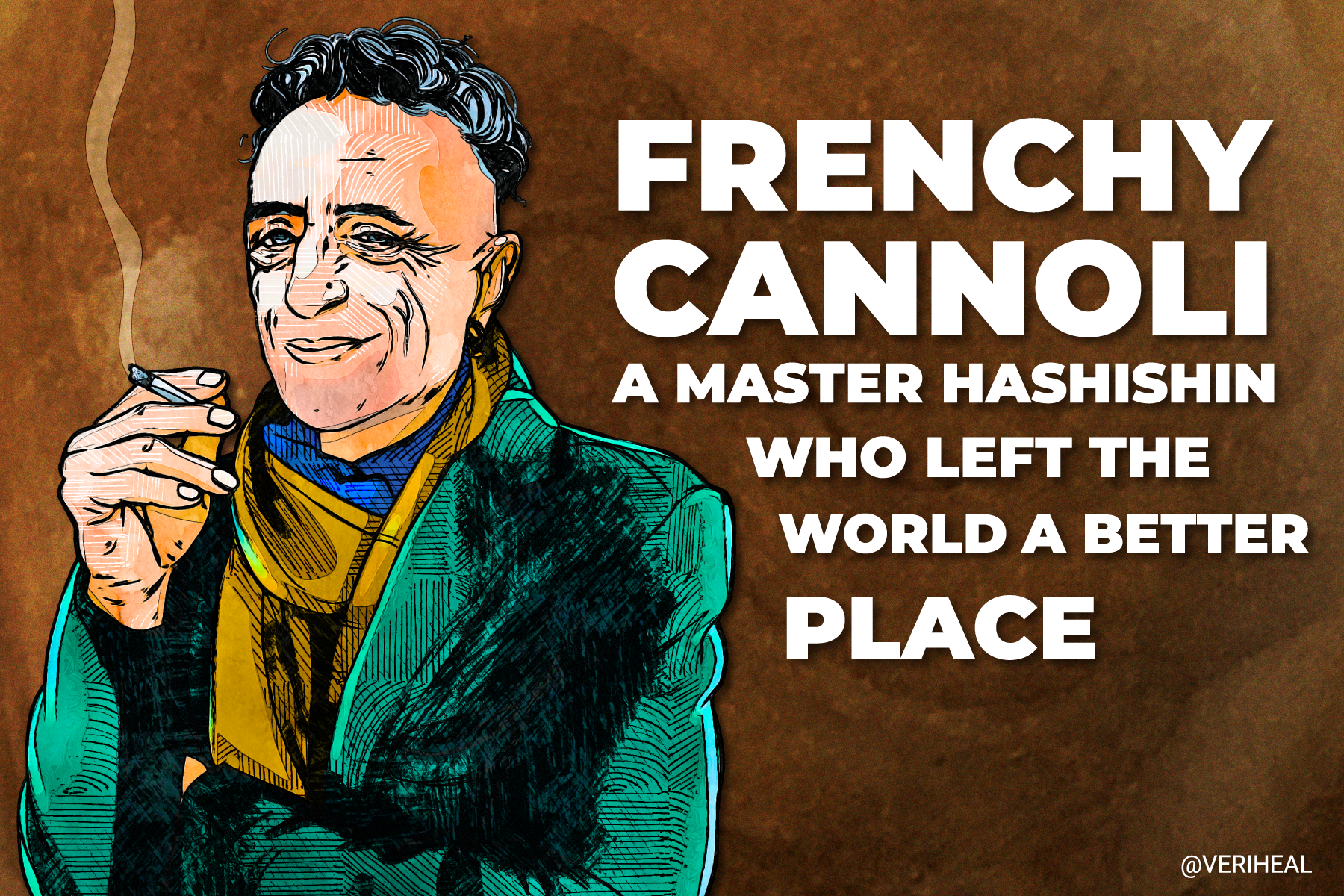
Frenchy Cannoli is a name that will live on throughout time. He was a husband, a father, and a compassionate human being who always took time for others, according to friends, family, and those who had the pleasure of meeting him. As a master hashishin, his name is highly revered throughout the cannabis community, culture, and even within the budding business sector of the legal cannabis industry.
If you know who Frenchy Cannoli is, chances are you love hashish. Hashish, more commonly known as hash, is a concentrated form of cannabis that has been around for quite some time. Cannoli was not only a master of making hashish, but he also educated others on the traditional ways of the craft. By sharing his knowledge and love for the art of making hashish with others, he made many friends and was admired globally by the cannabis culture and community.
Let’s take a look at Frenchy Cannoli, hashish, and the legacy that Frenchy Cannoli left behind.
The Story of Frenchy Cannoli
According to Cannoli’s website, he was “a California-based teacher, consultant, artisan, and activist dedicated to the production and appreciation of traditional cannabis concentrates.” Although Cannoli spent the last couple of decades of his life in California with his wife, Kimberly Hooks, the hash expert grew up in France.
Born under the name Didier Camilleri in 1956, Cannoli was raised in Nice, France before setting off for grand adventures around the world at the age of 18. According to The New York Times, Cannoli’s first experience with hashish at the age of 17 inspired him to set out on “an 18-year pilgrimage to smoke the best hashish he could find and to learn how to cultivate it from those who knew the best traditional techniques.” Up until the early 1990s, he lived a nomadic life among many different master hashishins.
During his travels, Cannoli was embraced by those he met. The art of making hash was handed down to him through hands-on experience. His travels took him to many destinations, including Mexico, Nepal, Morocco, Pakistan, and India, each place bringing new knowledge about hashish. While in the Parvati Valley of northern India, Cannoli lived in caves and harvested cannabis resin, which he called “by far the most engaging and extraordinary experience of my life.”
Cannoli himself would be the first to tell you that these travels fueled his passion for the widely misunderstood plant and helped shape him into the legend he would become. He told Marijuana Venture in 2016,
“My years of travel in producing countries are the source of many adventures that made me the person I am, and they are the reason for my dedication to the plant and to producing a quality product, and my passion for understanding the science that validates traditional methodology.”
A believer in sharing information openly, Cannoli left behind an insurmountable amount of knowledge regarding the art of making quality hashish. He facilitated education about hashish-making through YouTube videos, articles in cannabis publications, and seminars so that others could learn the craft. Those who attended his seminars, read his content, and watched his videos say they are saturated with a wealth of knowledge.
Sadly, Cannoli passed away unexpectedly on July 18, 2021 due to surgery complications. His sudden passing at the age of 64 tugged at the hearts of family and a global community of friends. Shortly after his death, Cannoli’s wife posted on Instagram, “His passing was unexpected and leaves his family with a gaping hole of emotion where his smile and energy usually filled us so completely.”
Hashish, the OG Cannabis Concentrate
Hashish goes way back into history. Since about 4000 BCE, when the medicinal attributes of the cannabis plant are said to have first been embraced, hashish has been very popular in European and Arab countries around the world. Persia, Arabia, Northern India, and Nepal are just a few regions where hashish flourished. Today, hash is still widely used.
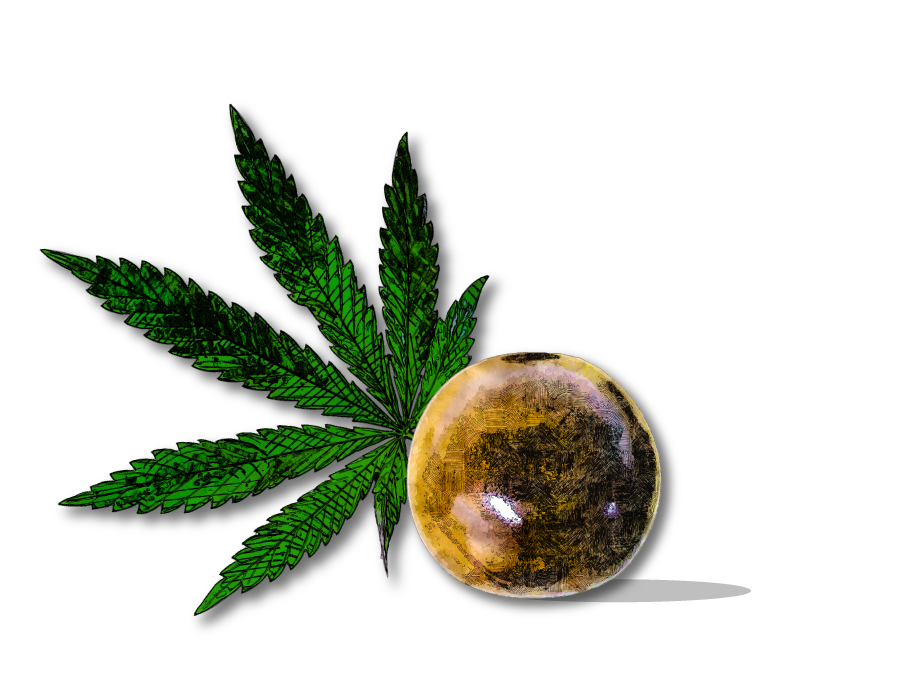
Hash is the OG cannabis concentrate. It comes directly from the cannabis plant—just like the cannabis flower that is more widely consumed in the U.S.—but can be made in a few different ways. Different from concentrates used for dabbing, hash is commonly made by removing and processing the trichomes (the resin glands) of a cannabis plant into a concentrated brick or ball. This is done with a combination of pressure and heat before curing it per specific requirements.
Similar to hashish is charas. Unlike hashish, charas isn’t made from dried cured cannabis. Instead, it is produced by collecting resin fresh from the plant. It is often collected by rubbing the hand against fresh growing buds. The resin sticks to the skin and then is removed using a warm knife.
As for the consumption of hash, it is generally smoked in a small bowl, pipe, or hookah. It can also be added to a joint or mixed with cannabis flower in a bowl or bong. Good hashish is super “stoney,” meaning it induces a fairly strong and heavy high. Interested in dabbling in hashish? Check out Frenchy Cannoli’s website for everything you need to know about this buzzy little product right from the legend himself.
Ashley Priest is a patient, mother, entrepreneur, and activist that fights to end prohibition globally for a better future for all. Ashley has a passion for sharing education pertaining to the goddess plant known as cannabis. She believes that a single seed can tip the scales and that together through education we can end the stigma that is preventing cannabis from flowering to its full potential globally.
In the confusing landscape of state-by-state medical marijuana legalization and federal prohibition lies a patient’s pursuit of a better quality of life, balanced with an unrestricted financial livelihood. In workplaces across many different medical marijuana legal states, no law guarantees that a valid, card-carrying MMJ patient status exempts an employee from termination or discrimination stemming…
It feels like every other day, a fresh slang term pops up in the cannabis lexicon, and today, we’re looking at an entry that’s all over TikTok and Reddit – Yart! Spoiler alert: it has everything to do with the humble vape cart (and how challenging it is to talk about cannabis on social media). …
The final stage of life often brings profound challenges for both patients and their families. For patients in hospice and palliative care, common symptoms not only affect the physical body but also their mental well-being. While traditional medications may dull pain, they often come with heavy sedation, confusion, and loss of clarity. Fortunately, medical cannabis…
The old “lazy stoner” stereotype is quickly fading. We now see bodybuilder moms using cannabis for better sleep, runners getting in the zone with the help of weed, and many other examples of cannabis being used in ways that counter the unmotivated stereotypes of the past. As legal access to the plant increases, more people…
If you’re planning to get a medical marijuana card in 2026, you might be wondering whether you need to meet with a certified cannabis doctor—either online or in person. Still, finding a qualified medical marijuana doctor near you can feel overwhelming and confusing if you’re not sure where to start. This guide shows you exactly…
The statements made regarding cannabis products on this website have not been evaluated by the Food and Drug Administration (FDA). Cannabis is not an FDA-approved substance and is still illegal under federal law. The information provided on this website is intended for educational purposes only and is not intended to diagnose, treat, cure, or prevent any disease. It is not intended as medical advice and should not be considered as a substitute for advice from a healthcare professional. We strongly recommend that you consult with a physician or other qualified healthcare provider before using any cannabis products. The use of any information provided on this website is solely at your own risk.