Your medical cannabis journey simplified: find partnered dispensaries, explore pricing options, earn rewards, and get answers to FAQs, all in one spot.
TikTok has some of the most extreme censorship ever found on a social media platform. The list of banned words and topics is extensive, but their reach expands beyond even that – you also can’t depict mature themes like smoking, nudity, violence, or certain political content.
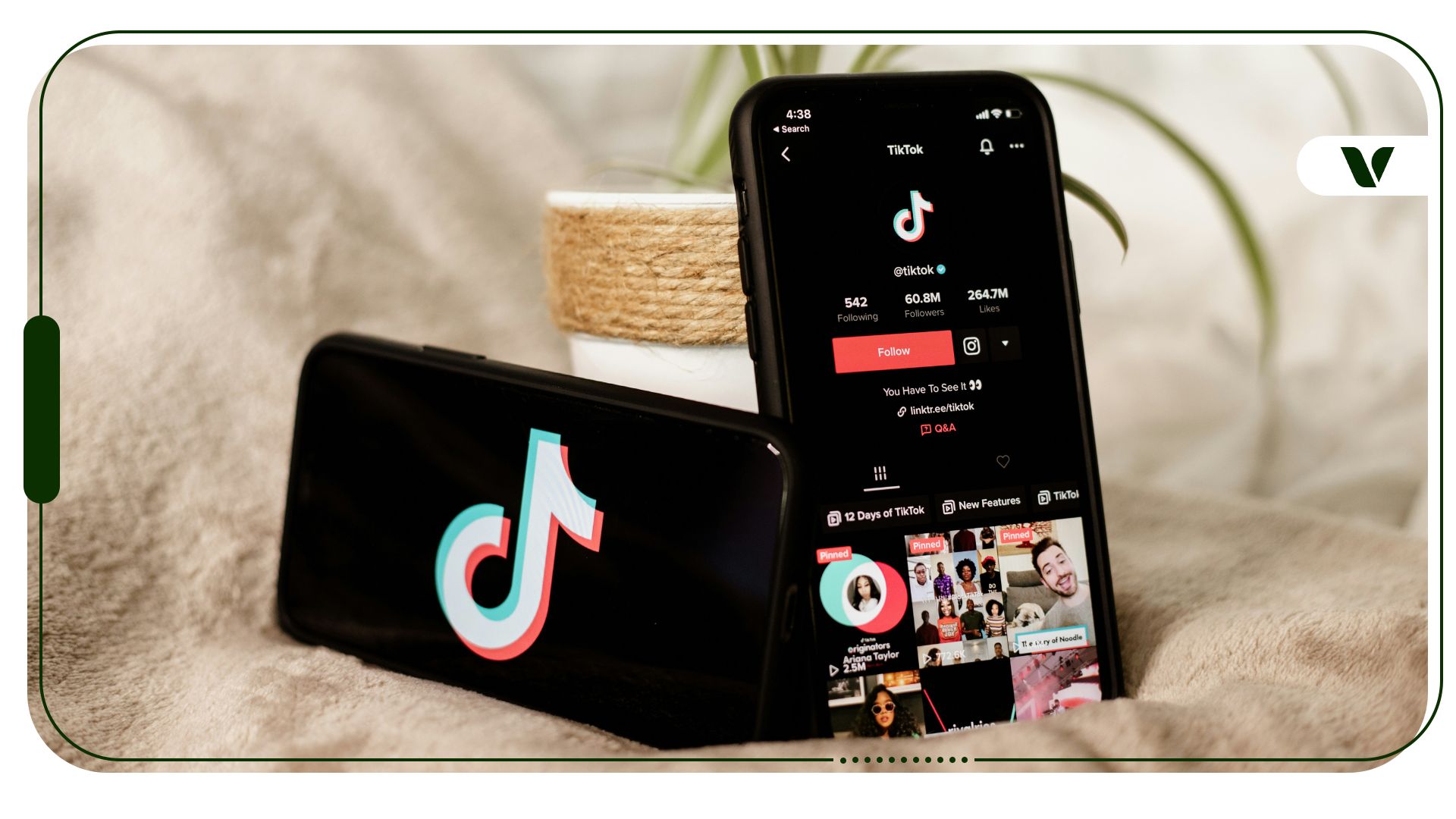
ByteDance, a China-based company, owns and operates the app, which is well-known in the United States.. An astonishing 1.12 billion people worldwide, with 170 million registered American accounts (over half the country), were active on the app in 2025.
TikTok has virtually birthed its own culture, affecting all of us in the process. You’ve likely heard children saying “6-7” or “bussin.” Maybe you’ve seen an influencer filming in the wild. The slang, dances, and memes have stealthily crept their way into our daily lives, whether we want them or not.
But unlike prior generations of internet youths, we’re not just seeing silly slang coming from TikTok – we’re also witnessing suppression of speech.
A C*lture of C*nsor*d Sp*ech
The top 7% of content creators on TikTok earn more than $200,000 per year. Some earn well into the millions. For other creators, the average hovers around $20,000 a year – still a significant source of income for tens of thousands of influencers.
When you tie up most of your money in an app, you put yourself under its rules and regulations. We’ve dealt with this as a cannabis company; one day, social media platforms will permit ads about cannabis. Next, they don’t. And if your content gets demonetized because you said or did something not allowed by TikTok, you risk losing your job and a lot of money.
Therefore, it’s really not a surprise that TikTok creators censor themselves so much. The app’s algorithm and screening tools are buggy, but they’re also strict. Some people may squeak through with a swear word or nude video, but others face a ban from the platform if they say “kill.” It’s easier not to tempt fate by violating the guidelines at all.
And there’s another unfortunate elephant in the room when it comes to TikTok – namely, the censoring and shadowbanning of people in marginalized groups. The app is known for pushing right-wing agendas in America, Poland, and other countries, and its censorship often quietly buries the LGBTQ+ community, disabled people, or those speaking out against fascism and war. The app’s owners claim this is to prevent them from becoming victims of bullying, but it’s difficult to deny the sinister overtones.
Why, exactly, TikTok is so strict is a matter of debate. Many attribute it to corporate reluctance to pay for ad space on an app with swearing and adult content, but on Instagram, you can find those things alongside a plethora of advertisers. Others believe it comes from China’s lack of freedom of speech and tight control over its internet. No matter the source, its impact is noticeable.
Essentially, TikTok has built a system of control that rewards compliance and punishes deviation from the norm, whether that means toning down your language, your politics, or your identity. The app’s wide reach gives it especially powerful control: as it governs the most prominent space for digital culture with tightly enforced, invisible rules, it quietly erases the boundaries of free expression—often without anyone realizing it.
Algospeak and the Rise of Code Words
“Algospeak” refers to the creation of a coded language to skirt around algorithms and content moderation, and it’s more prevalent on TikTok than any other social media platform.
As TikTok exploded in popularity across the U.S. in 2019, it drew in a tsunami of new users – including plenty of adults far removed from the app’s Musical. ly-era base. Children no longer dominated it, but it still enforced strict rules on swearing and adult content.
When the COVID-19 pandemic hit, TikTok became the “it girl” of social media. Everyone had it. And everyone was trying to become an influencer before the market got too saturated. Naturally, it didn’t take long for algospeak to emerge from the chaos.
Creators quickly invented their own language, replacing words and phrases like “dead,” “smoking weed,” and “sex” with “unalived,” “gardening,” and “seggs.” Their creativity soon influenced everyone on TikTok, who began speaking and writing in euphemisms.
Some common algospeak words you may have encountered include:
See If You Qualify For Medical Marijuana -Select Your State!
Select Your State
Alabama
Alaska
Arizona
Arkansas
California
Colorado
Connecticut
Delaware
Florida
Georgia
Hawaii
Idaho
Illinois
Indiana
Iowa
Kansas
Kentucky
Louisiana
Maine
Maryland
Massachusetts
Michigan
Minnesota
Mississippi
Missouri
Montana
Nebraska
Nevada
New Hampshire
New Jersey
New Mexico
New York
North Carolina
North Dakota
Ohio
Oklahoma
Oregon
Pennsylvania
Rhode Island
South Carolina
South Dakota
Tennessee
Texas
Utah
Vermont
Virginia
Washington
West Virginia
Wisconsin
Wyoming
Never miss a post
Get updates on cannabis culture, new research, and expert insights
“Corn” – porn
“Spicy accountant” – sex worker
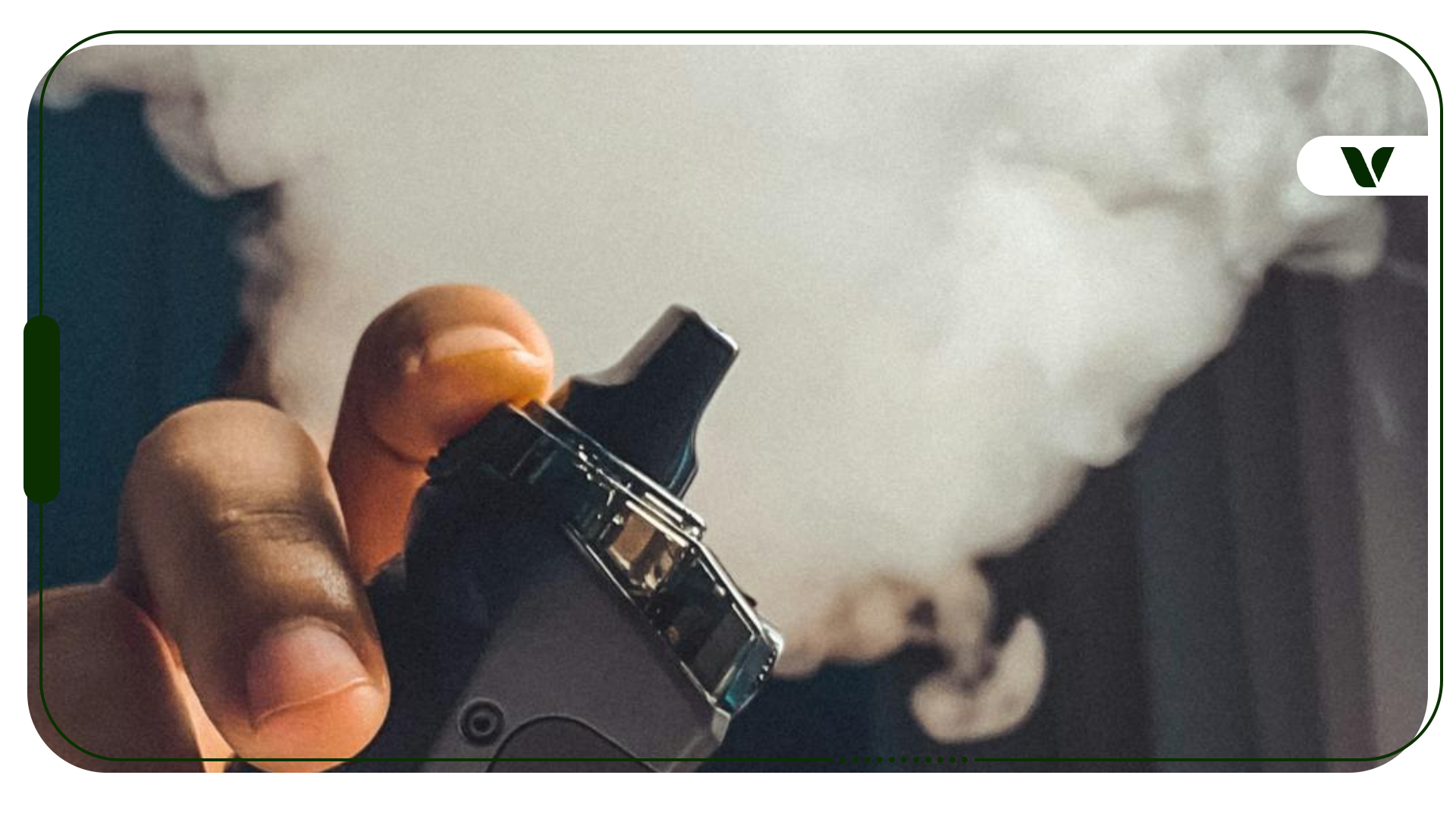
“Penjamins” – weed vape
“Ahh” – ass
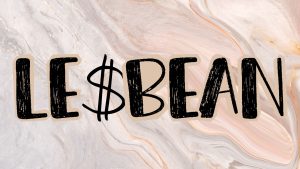
“Le$bean” – lesbian
“Grape” – rape
“Going camping” – getting an abortion
“Kermit sewer slide” – commit suicide
“Ouid” – weed
Countless other words don’t have replacements and are simply forbidden. Users of the app have reported warnings or bans for using non-swear words like weird, jerk, dense, thick, bean, dumb, melon, sexy, kiss, non-binary, explode, and many more.
This is just the tip of the iceberg; other phrases, emojis, and even hand gestures are used as replacements for banned words on the app. To make it even more confusing, the slang is constantly evolving as the content moderation system catches on and outlaws the most common euphemisms. For example, many people have already moved on from “unalived” to other options like “perished” or “ceased to be.”
For a while, these words stayed on TikTok. Now, they’re everywhere.
TikTok Slang IRL
Instagram was one of the first apps to begin adopting algospeak, largely due to the sharing of TikTok videos on its Reels platform. Soon after, it infiltrated Facebook, YouTube, and Reddit, slowly but surely creeping into every corner of the internet.
At first, it was fairly innocuous – an “ahh” here, a “Penjamin Franklin” there. It was easy to ignore, for a while, brushing them off as high-school kids merely repeating what they see on TikTok. Unfortunately, it didn’t stay that way, mutating into a near-staple of culture both online and off. I’ve heard people use “grape” and “unalive” in regular conversation, seeming almost fearful of saying the real thing. People self-censor on platforms that don’t ban swearing (like Reddit), typing out dr*gs or s*x in forums where it’s completely acceptable to discuss such topics.
Algospeak may seem harmless. After all, it’s just some censored words, right? But when you dive in, the ugly truth lying beneath these words begins to take shape.
In the Harry Potter series, many of the characters are afraid to say the name of the villainous wizard Voldemort. If they even hear it, they may scream, run away, or pale in fright. It becomes a widespread social stigma, encouraged by the villain, to the point where simply speaking “Voldemort” results in the characters being hunted. The phenomenon is summed up succinctly by wise wizard Dumbledore, who says, “Fear of a name only increases fear of the thing itself.”
While only a plot point in a children’s book, it speaks to our lives now more than ever. It’s starting to feel taboo to type or say many of the words censored by TikTok, particularly those related to dark topics like death or assault.
But refusing to use those words doesn’t help anybody – in fact, it can actually make it more challenging for people with trauma to speak out about what has happened to them and find support. It makes it harder to censor tags that may be triggering, as you can’t just block “suicide” – you have to block “sewer slide,” “unalived,” “s*ic*de,” and countless other variations.
Purity culture and conservative values are on the rise, and self-censorship only threatens to contribute to those causes. An increasing number of young people are disgusted by mentions of sex online. They reject nuance in conversation, adhering to increasingly black-and-white worldviews and political sides. Trad wives, the manosphere, and anti-LBGTQ+ sentiments are gaining traction – and it all stems from algorithms.
Our hyper-connected world allows us to transform language faster than ever before in human history. It’s up to us to make sure it’s a language that works for us, rather than corporations profiting off of our content.
Final Thoughts
TikTok algospeak certainly has its problems, and it will likely continue to bleed into our lives further as long as the app is around. It’s certainly more than a little worrying that a massive corporation from another country can affect our speech and writing on this level.
Perhaps, though, there is a bright side: some people find Gen Z’s refusal to back down to content moderation a sign of rebellion. When one word gets banned, another emerges. Young people are routinely creating and innovating new ways to talk about topics that TikTok would rather we ignore, and they’re doing it successfully. The app stays flooded with content about sex, weed, abortion, LGBTQ+ people, and political news, despite facing the strictest moderation ever enforced.
Would it be better if we didn’t have to resort to algospeak? Absolutely. But TikTok, for better or worse, isn’t going anywhere. And in times when we are pushed to conform and avoid certain topics, it’s comforting to know that language will always find a way forward.
Emily is a Denver-based transplant from Virginia who is passionate about substance use harm reduction, yoga, and music. She writes and edits to support the extravagant lifestyles of her pug and cat. When she's not writing, she can be found doing flow and aerial arts or browsing flights to faraway places.
In the confusing landscape of state-by-state medical marijuana legalization and federal prohibition lies a patient’s pursuit of a better quality of life, balanced with an unrestricted financial livelihood. In workplaces across many different medical marijuana legal states, no law guarantees that a valid, card-carrying MMJ patient status exempts an employee from termination or discrimination stemming…
It feels like every other day, a fresh slang term pops up in the cannabis lexicon, and today, we’re looking at an entry that’s all over TikTok and Reddit – Yart! Spoiler alert: it has everything to do with the humble vape cart (and how challenging it is to talk about cannabis on social media). …
The final stage of life often brings profound challenges for both patients and their families. For patients in hospice and palliative care, common symptoms not only affect the physical body but also their mental well-being. While traditional medications may dull pain, they often come with heavy sedation, confusion, and loss of clarity. Fortunately, medical cannabis…
If you’re planning to get a medical marijuana card in 2026, you might be wondering whether you need to meet with a certified cannabis doctor—either online or in person. Still, finding a qualified medical marijuana doctor near you can feel overwhelming and confusing if you’re not sure where to start. This guide shows you exactly…
Cannabis consumers in the legal market rely on proper analysis and testing as a matter of knowledge and safety regarding the composition of the weed they’re purchasing. One of the main differences between the state-run legal market and the black and gray cannabis markets is how they handle testing. Those of us in medical and…
The statements made regarding cannabis products on this website have not been evaluated by the Food and Drug Administration (FDA). Cannabis is not an FDA-approved substance and is still illegal under federal law. The information provided on this website is intended for educational purposes only and is not intended to diagnose, treat, cure, or prevent any disease. It is not intended as medical advice and should not be considered as a substitute for advice from a healthcare professional. We strongly recommend that you consult with a physician or other qualified healthcare provider before using any cannabis products. The use of any information provided on this website is solely at your own risk.