Your medical cannabis journey simplified: find partnered dispensaries, explore pricing options, earn rewards, and get answers to FAQs, all in one spot.
With so many Western contexts for cannabis (legal dispensaries, lounges, education pathways, etc), we sometimes forget the big picture. The history of cannabis use spans centuries, with unique applications across China, India, and many other regions. Throughout centuries of use, many cultures have developed traditions that are still in practice today.
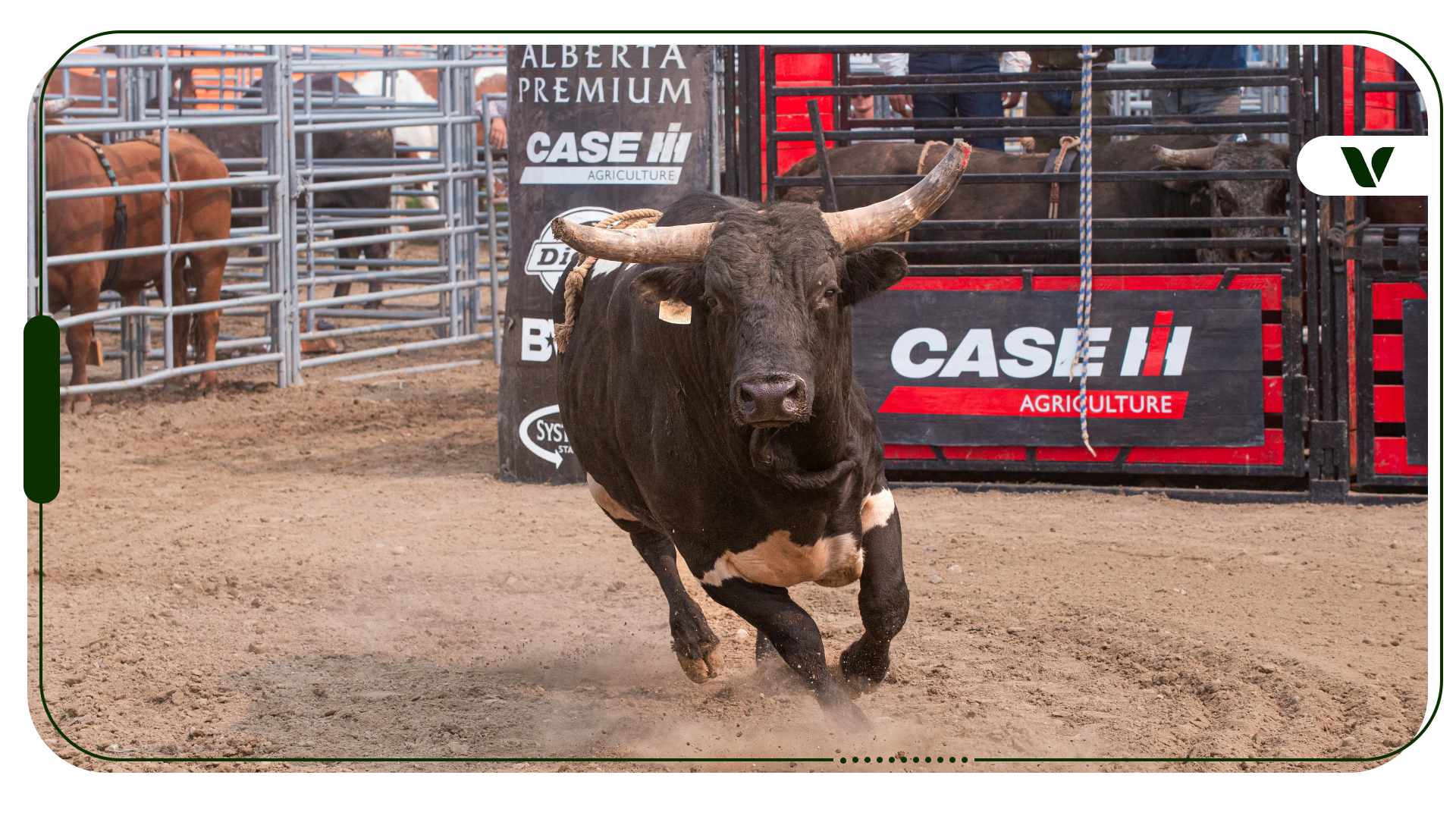
One scarcely documented example of cannabis use across the globe centers on bullfighting. In some Kenyan cultures, bullfighting is a popular activity that brings in large crowds. Some owners feed their bulls cannabis ahead of a fight to boost their performance. Cannabis is illegal in the country, though it remains a popular and abundant drug. But as one participant said in a Citizen TV Kenya feature, the practice fulfills the will of their ancestors.
Let’s take a closer look at the world of bullfighting and cannabis.
But in Kenya and other regions, the term “bhang” has taken on a broader meaning as slang for cannabis. In the aforementioned Citizen TV Kenya feature, “Bulls On Fire,” one bull owner wraps dried cannabis inside a corn husk or similar fiber and says, “This is my special way of giving him bhang.” Then, he feeds the wrapped-up cannabis to his animal.
Why Cannabis for Bullfighting?
People have reportedly given cannabis to bulls in an effort to improve their fighting skills, though documentation of this Kenyan tradition remains limited. From what we do know, it’s clear that the practice draws heavily on traditions and nods to ancestors.
Whether the bull is given cannabis–and the frequency of its use–appears to be dependent on the situation. In one article examining bullfighting culture across the greater Luhya communities, a veteran bullfighter explains that some, but not all, bulls can benefit from cannabis use for their fights.
“There are those that you will give bhang, and they become stupefied instead of wild. And others will do the opposite. It all depends on how you have conditioned your bull and how you treat it,” he told the journalist.
Bull owner Roger Mwachi explained in the Citizen TV Kenya documentary that there’s a simple formula for dosing the bulls: If the bull performs well, keep giving it what you’re giving it. If it’s a loser, adjust the amount.
The impacts of cannabis on bullfighting range based on the report.
In 2016, researchers gathered at a veterinary meeting in Meru, Kenya. Presenter Mercy Barasa shared her findings on what she described as torturous conditions that animals go through when bullfighting.
An article summarizing the meeting stated that in the town of Kakamega, “Bulls involved in fighting in Kakamega are fed with herbs and bhang to reduce their sexual libido and endure tremendous amounts of distress.”
See If You Qualify For Medical Marijuana -Select Your State!
Select Your State
Alabama
Alaska
Arizona
Arkansas
California
Colorado
Connecticut
Delaware
Florida
Georgia
Hawaii
Idaho
Illinois
Indiana
Iowa
Kansas
Kentucky
Louisiana
Maine
Maryland
Massachusetts
Michigan
Minnesota
Mississippi
Missouri
Montana
Nebraska
Nevada
New Hampshire
New Jersey
New Mexico
New York
North Carolina
North Dakota
Ohio
Oklahoma
Oregon
Pennsylvania
Rhode Island
South Carolina
South Dakota
Tennessee
Texas
Utah
Vermont
Virginia
Washington
West Virginia
Wisconsin
Wyoming
Never miss a post
Get updates on cannabis culture, new research, and expert insights
Bullfighting is a controversial activity, regardless of whether owners give the animals cannabis. The biggest concerns center around animal welfare. Though bullfighting has a long history as a cultural event, it has been banned in many countries.
Most recently, Mexico City lawmakers overwhelmingly approved a ban on violent bullfighting. To preserve the long tradition of bullfighting, the new law prohibits killing the bulls and using sharp objects to injure them. The new rules still allow the fighting but now impose a time limit on each match. This change is part of an initiative called “bullfighting without violence.”
Bullfighting in Kenya also draws on a long tradition and cultural history. The activity’s origins span back several centuries, with researchers describing the tradition as one that represents resilience, prosperity, and cohesion. Researchers also say that the Isukha and Idakho people shape their traditional identities through the act of bullfighting, which often takes place at significant life events like weddings and burials.
Animal rights groups opposed a brief attempt to bring bullfighting outside its traditional locations in Kenya. Some legislators called it a “barbaric sport” and made other critical remarks.
And then there was the research presented by Mercy Barasa, who concluded that “the practice of bullfighting denies these animals their basic freedoms, especially:
– freedom from pain, injury, and disease
– freedom to express normal behaviour
– freedom from fear and distress.”
In contrast, research published in the African Journal of Empirical Research states that “The Isukha-Idakho style of bullfighting places a strong emphasis on treating the bulls with kindness.” The researchers also say that judges are present to oversee the event and ensure that animals are safe and treated fairly.
While there is not a lot of published criticism about administering cannabis to bulls, the practice is often lumped into the larger criticisms about bullfighting in general.
Cannabis in Kenya
Cannabis use is illegal across Kenya for medical or recreational purposes. While there have been past attempts to legalize the plant, nothing has come to fruition yet. Cannabis use appears to be widespread across the country, though, with recent significant increases in use among the youth.
While there is limited research on the use of cannabis for bullfighting, the oral history from bull owners suggests that the practice spans generations as well.
Macey is a freelance writer from Seattle. She's covered the cannabis industry extensively, emphasizing the economic opportunities for Indigenous entrepreneurs. Her writing focuses on the people, stories, and labors of love behind every venture.
In the confusing landscape of state-by-state medical marijuana legalization and federal prohibition lies a patient’s pursuit of a better quality of life, balanced with an unrestricted financial livelihood. In workplaces across many different medical marijuana legal states, no law guarantees that a valid, card-carrying MMJ patient status exempts an employee from termination or discrimination stemming…
It feels like every other day, a fresh slang term pops up in the cannabis lexicon, and today, we’re looking at an entry that’s all over TikTok and Reddit – Yart! Spoiler alert: it has everything to do with the humble vape cart (and how challenging it is to talk about cannabis on social media). …
The final stage of life often brings profound challenges for both patients and their families. For patients in hospice and palliative care, common symptoms not only affect the physical body but also their mental well-being. While traditional medications may dull pain, they often come with heavy sedation, confusion, and loss of clarity. Fortunately, medical cannabis…
If you’re planning to get a medical marijuana card in 2026, you might be wondering whether you need to meet with a certified cannabis doctor—either online or in person. Still, finding a qualified medical marijuana doctor near you can feel overwhelming and confusing if you’re not sure where to start. This guide shows you exactly…
Cannabis consumers in the legal market rely on proper analysis and testing as a matter of knowledge and safety regarding the composition of the weed they’re purchasing. One of the main differences between the state-run legal market and the black and gray cannabis markets is how they handle testing. Those of us in medical and…
The statements made regarding cannabis products on this website have not been evaluated by the Food and Drug Administration (FDA). Cannabis is not an FDA-approved substance and is still illegal under federal law. The information provided on this website is intended for educational purposes only and is not intended to diagnose, treat, cure, or prevent any disease. It is not intended as medical advice and should not be considered as a substitute for advice from a healthcare professional. We strongly recommend that you consult with a physician or other qualified healthcare provider before using any cannabis products. The use of any information provided on this website is solely at your own risk.