Your medical cannabis journey simplified: find partnered dispensaries, explore pricing options, earn rewards, and get answers to FAQs, all in one spot.
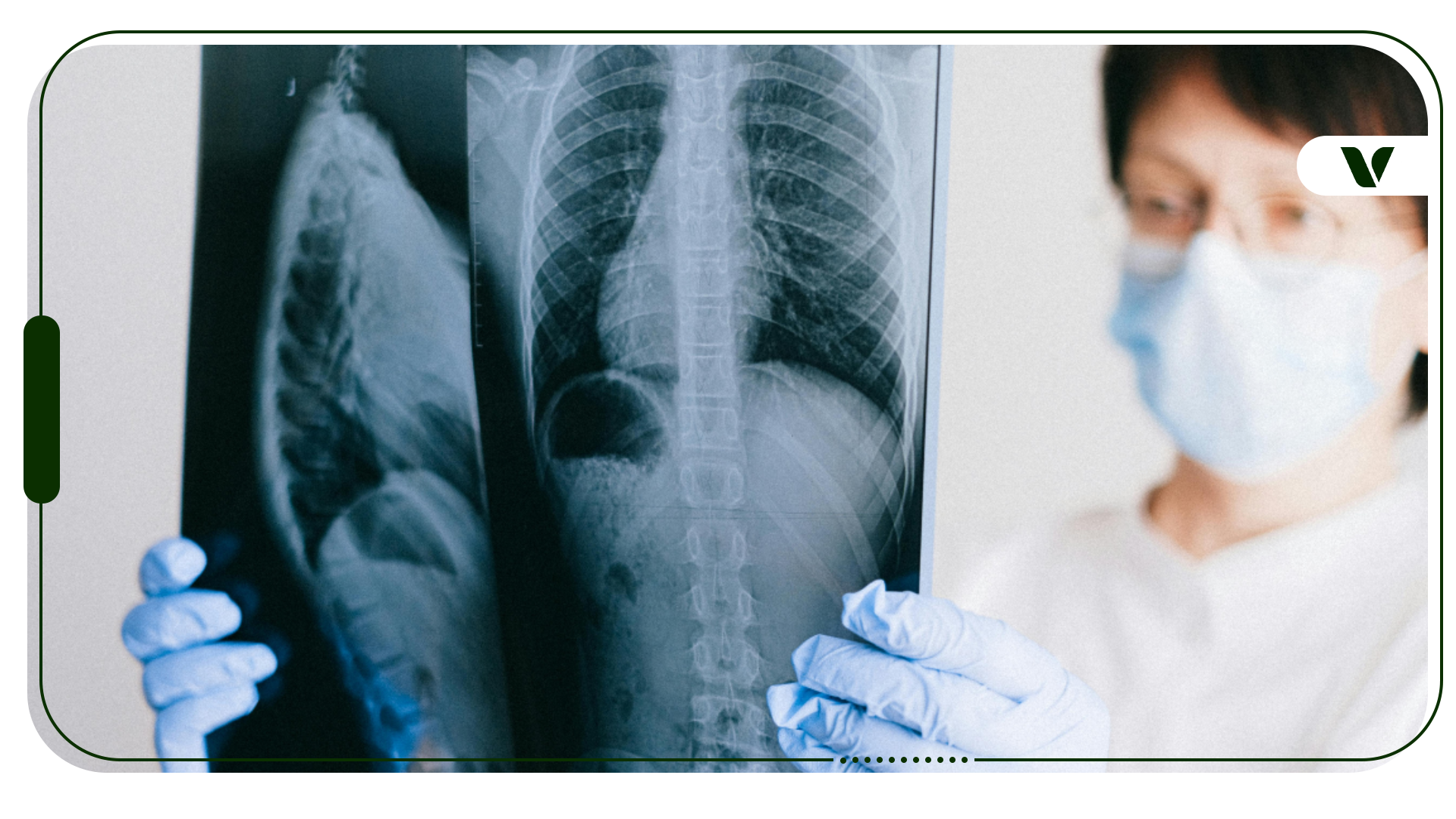
An alarming trend has recently come to light: more non-smokers are getting lung cancer than ever before. Given that lung cancer is the most common worldwide and the leading cause of cancer death, you may be worried about the implications of your cannabis habits. How much does cannabis contribute to lung cancer risk?
According to a BBC report, the number of smokers around the globe is in decline, while lung cancer diagnoses among people who have never smoked cigarettes are on the rise. Now we’re seeing somewhere between 10 and 20% of lung cancer cases in people who have never smoked before.
We know that smoking cigarettes is clearly not the only risk factor for lung cancer. Here’s what the Lung Cancer Foundation of America lists as the most common risk factors for the disease, after smoking:
Secondhand smoke exposure
Radon gas exposure
Asbestos exposure
Exposure to other carcinogens (inhaled arsenic, beryllium, cadmium, silica, etc.)
Arsenic in drinking water
Pollution
Previous exposure to lung radiation
Past diagnosis or family history
Why Are Lung Cancer Rates Increasing Among Non-Smokers?
Squamous cell carcinoma was the most commonly diagnosed form of lung cancer until the 1950s and ‘60s. That specific type of cancer begins with lung-lining cells. Today, we see adenocarcinoma starting in mucus-producing cells as the most commonly diagnosed form of lung cancer – often more aggressively at an advanced stage – both for smokers and those who have never smoked before.
So what’s causing people who have never smoked before to develop lung cancer? It’s not always clear, as illustrated by the many risk factors listed above. The BBC reports that lung cancer in never-smokers is more commonly diagnosed in women, over twice as likely perhaps due to genetic mutations most commonly associated with women, such as EGFR.
Researchers still don’t fully understand why these mutations occur so commonly in women of Asian descent. Some evidence suggests that female hormones may impact the risk of developing genetic mutations, but we don’t have concrete evidence of that yet.
Some suggest that exposure to cooking fumes or burning wood stove tops in poorly ventilated rooms may also increase the risk of lung cancer. As the BBC points out, women traditionally spend more time inside in the US, which could increase their exposure to such carcinogens.
Around the world, the UN Environment Programme acknowledges that women and children are at particular deadly risk from household smoke exposure. For example, women and children in Africa account for 60% of early deaths from smoke inhalation and household air pollution, including lung cancer. The UN is working to raise awareness and promote clean cooking practices around the world (looking at you, too, trendy wood-fired restaurants polluting our neighborhoods and world).
Regardless of the exact causes, somewhere between 20,000 and 40,000 non-smokers (either those who have never smoked or have smoked fewer than 100 cigarettes in their lives) are developing lung cancer each year in the United States. Of these, researchers estimate about 7,300 are attributed to secondhand smoke. They estimate another 2,900 cases to stem from exposure to radon, an odorless radioactive gas that can seep into buildings and homes.
Cannabis and Lung Cancer Risk
There is a clear link between lung cancer and cigarette smoking. After all, it’s the number one risk factor, accounting for 80 to 90% of cases. But do the same risks exist with cannabis smoking?
See If You Qualify For Medical Marijuana -Select Your State!
Select Your State
Alabama
Alaska
Arizona
Arkansas
California
Colorado
Connecticut
Delaware
Florida
Georgia
Hawaii
Idaho
Illinois
Indiana
Iowa
Kansas
Kentucky
Louisiana
Maine
Maryland
Massachusetts
Michigan
Minnesota
Mississippi
Missouri
Montana
Nebraska
Nevada
New Hampshire
New Jersey
New Mexico
New York
North Carolina
North Dakota
Ohio
Oklahoma
Oregon
Pennsylvania
Rhode Island
South Carolina
South Dakota
Tennessee
Texas
Utah
Vermont
Virginia
Washington
West Virginia
Wisconsin
Wyoming
Never miss a post
Get updates on cannabis culture, new research, and expert insights
We’ve previously compared tobacco and cannabis smoking risks, concluding that research shows cannabis smoke is considerably safer than tobacco smoke. But some experts still believe that cannabis smoke may also be a risk factor for lung cancer. We need more research to say whether that’s true or not, but so far the connection certainly isn’t nearly as evident as with tobacco smoke.
A 2025 review of cannabis research concludes that there’s no connection between cannabis smoking and lung cancer, despite the fact that cannabis smoke can lead to changes in lung cells. Additionally, they point out that mixing cannabis and tobacco smoke can be worse than tobacco alone.
Because cannabis smoke contains many of the same irritants, toxins, and carcinogens as tobacco smoke, it’s commonly suggested that it may also carry a lung cancer risk alone or synergistically. This risk may be furthered by the tendency for cannabis smokers to inhale for longer periods of time, retaining more of the toxins and carcinogens in the lungs. Many consumers also mix tobacco with cannabis in blunts or water pipes for social bonding or longstanding cultural reasons (e.g. hookah, Northern Africa, West Asia).
For now, the link between lung cancer and cannabis smoke is unknown – but evidently not strong. We don’t know for sure if cannabis smoke may increase the risk of developing the disease, despite having some similarities to tobacco smoke, a known risk factor. While some studies link cannabis use with lung cancer, the majority have not found a concrete association.
How to Reduce Your Risk of Lung Cancer
The CDC reports that the most important way to reduce your risk of lung cancer is not to start smoking. And if you do smoke, they recommend you quit. In fact, quitting smoking at any age is always beneficial – health benefits of quitting start within the first 20 minutes and last even 15 years later.
Their recommendation is broad and doesn’t specify whether they mean all forms of smoking. But they do later specify the link between cigarette smoke and cancer, without any mention of cannabis.
In addition to not smoking, the CDC also recommends that people avoid secondhand smoke, as it can also increase their risk of developing lung cancer. They also suggest testing your home’s radon levels and reducing your exposure if necessary. Likewise, they recommend following all health and safety guidelines at work to avoid carcinogen exposure.
The American Cancer Society also points to a healthy diet for cancer prevention. They suggest eating lots of fruits and vegetables to reduce the risk of developing lung cancer.
Alternatives to Smoking for Medical Cannabis Patients
Regardless of the motivation, if you want to reduce or stop smoking altogether, there are plenty of options to still consume cannabis. Edibles, tinctures, and topicals are all easy ways to get your cannabis fix without inhaling anything.
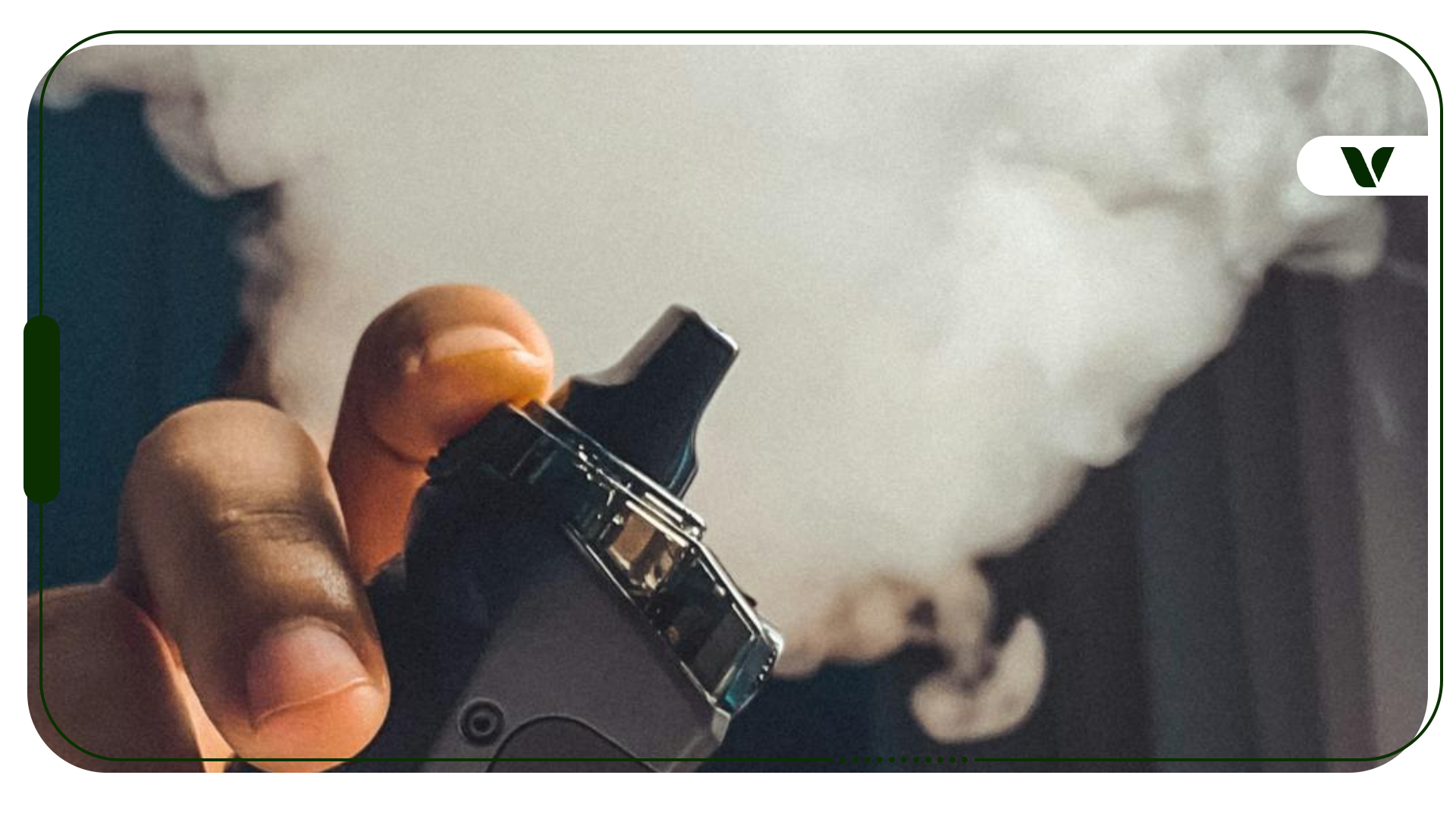
Some people may opt to vape cannabis instead. We particularly like dry herb vaporizers for a true-to-the-flower experience without any combustion. They’re a great option for a smoke-adjacent experience with less lung irritation.
If you want to quit smoking cigarettes, cannabidiol (CBD) may be your new favorite tool. Research shows that CBD may help cigarette smokers cut back on or quit their habit entirely.
Macey is a freelance writer from Seattle. She's covered the cannabis industry extensively, emphasizing the economic opportunities for Indigenous entrepreneurs. Her writing focuses on the people, stories, and labors of love behind every venture.
In the confusing landscape of state-by-state medical marijuana legalization and federal prohibition lies a patient’s pursuit of a better quality of life, balanced with an unrestricted financial livelihood. In workplaces across many different medical marijuana legal states, no law guarantees that a valid, card-carrying MMJ patient status exempts an employee from termination or discrimination stemming…
It feels like every other day, a fresh slang term pops up in the cannabis lexicon, and today, we’re looking at an entry that’s all over TikTok and Reddit – Yart! Spoiler alert: it has everything to do with the humble vape cart (and how challenging it is to talk about cannabis on social media). …
The final stage of life often brings profound challenges for both patients and their families. For patients in hospice and palliative care, common symptoms not only affect the physical body but also their mental well-being. While traditional medications may dull pain, they often come with heavy sedation, confusion, and loss of clarity. Fortunately, medical cannabis…
The old “lazy stoner” stereotype is quickly fading. We now see bodybuilder moms using cannabis for better sleep, runners getting in the zone with the help of weed, and many other examples of cannabis being used in ways that counter the unmotivated stereotypes of the past. As legal access to the plant increases, more people…
If you’re planning to get a medical marijuana card in 2026, you might be wondering whether you need to meet with a certified cannabis doctor—either online or in person. Still, finding a qualified medical marijuana doctor near you can feel overwhelming and confusing if you’re not sure where to start. This guide shows you exactly…
The statements made regarding cannabis products on this website have not been evaluated by the Food and Drug Administration (FDA). Cannabis is not an FDA-approved substance and is still illegal under federal law. The information provided on this website is intended for educational purposes only and is not intended to diagnose, treat, cure, or prevent any disease. It is not intended as medical advice and should not be considered as a substitute for advice from a healthcare professional. We strongly recommend that you consult with a physician or other qualified healthcare provider before using any cannabis products. The use of any information provided on this website is solely at your own risk.