Your medical cannabis journey simplified: find partnered dispensaries, explore pricing options, earn rewards, and get answers to FAQs, all in one spot.
Days after the Drug Enforcement Administration agreed to reclassify cannabis under federal law, the march toward country-wide legalization continues.
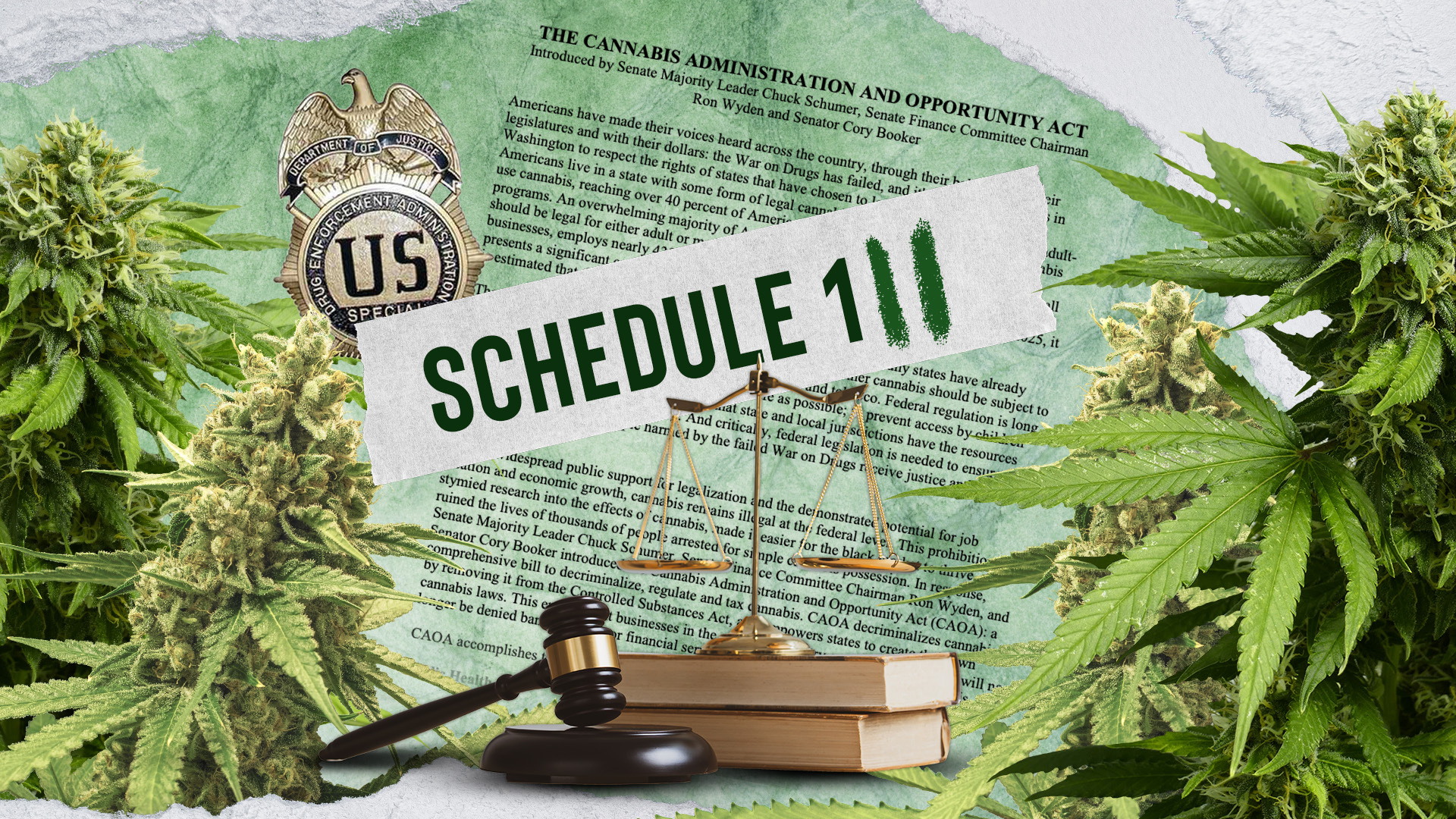
With cannabis rescheduling paving the way for new research and financial opportunities in the industry, it seems this reform has also opened doors for more massive changes. The Cannabis Administration and Opportunity Act was reintroduced this week by 18 Democratic Senators, including Sen. Cory Booker, Senate Majority Leader Chuck Schumer, and Sen. Ron Wyden. The bill aims to legalize marijuana nationwide, reflecting a historic shift in public opinion and federal restrictions.
The Cannabis Administration and Opportunity Act (CAOA) would remove cannabis from the Controlled Substances Act (CSA), ending the criminal prohibition of marijuana at the federal level and allowing the states to adopt their own laws to regulate the drug.
With all of these proposed changes, the future of cannabis is uncertain – from all angles. As such, we want to hear how Veriheal readers feel about these changes. Vote or comment below to let us know which changes you’re most eager to see.
We seek to help people live better lives by changing the stigma on cannabis. Our aim is to change the image of alternative medicine by creating more ease for all users, more growth in science, more access for all patients, and more transparency in the industry.
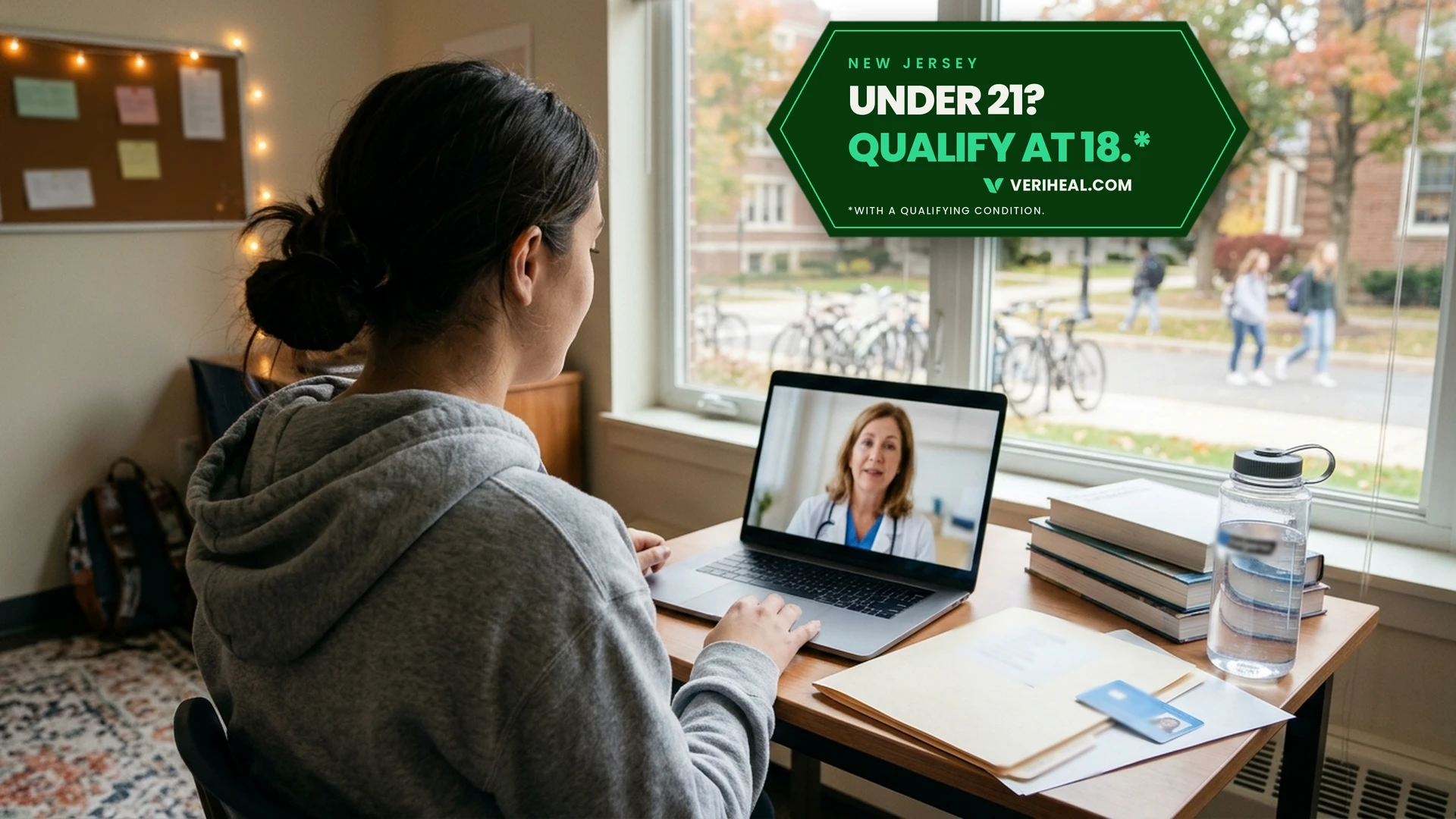
A New Jersey medical marijuana card can still offer benefits despite recreational legalization, including sales tax savings, workplace protections, and access for eligible adults under 21. This guide compares medical and recreational cannabis costs, purchase limits, eligibility requirements, potential savings, registration steps, and the drawbacks patients should consider before applying.
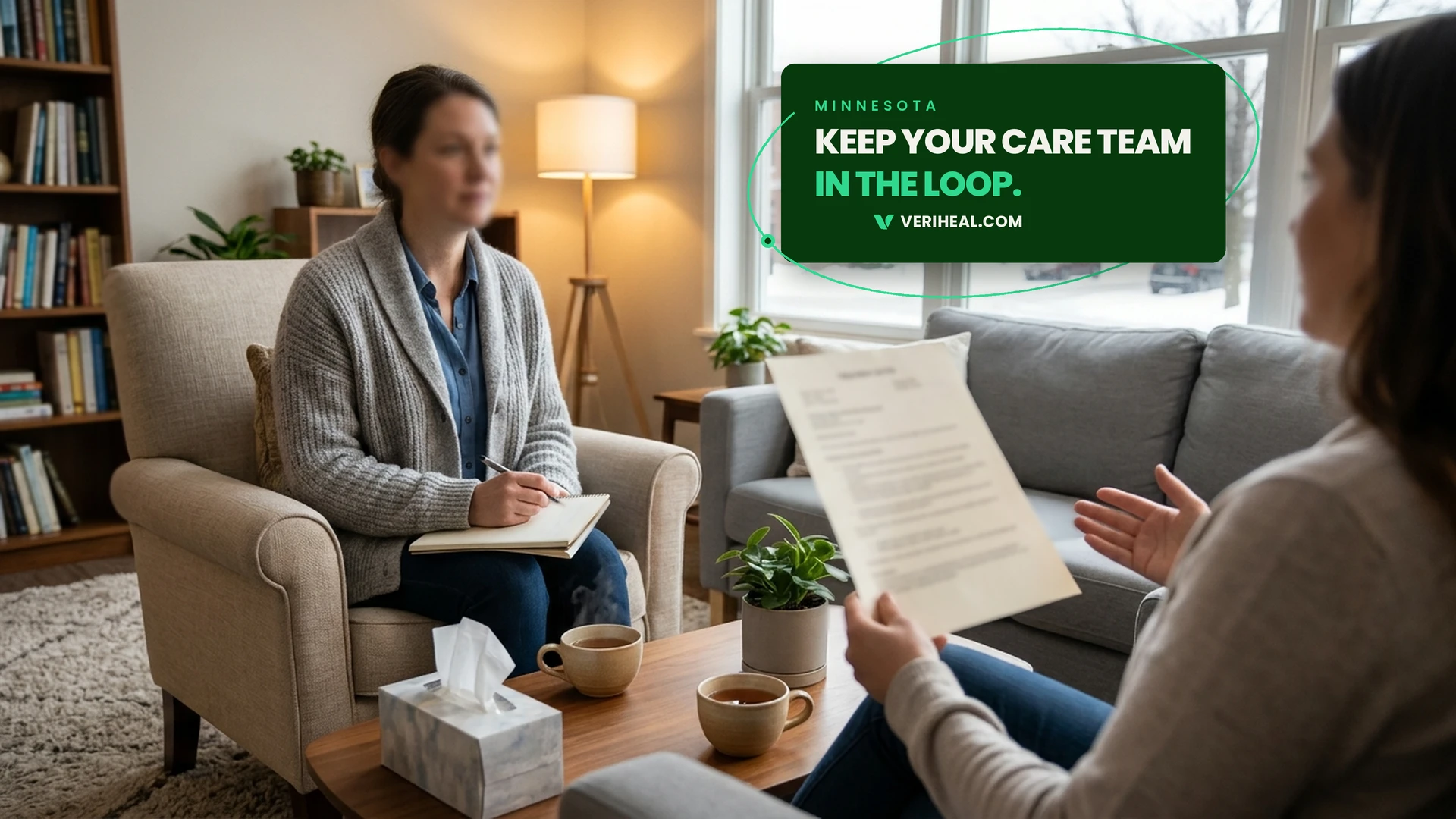
Post-traumatic stress disorder (PTSD) is a qualifying condition for medical cannabis in Minnesota, with a separate enrollment pathway available to eligible veterans. This guide explains practitioner certification, free state enrollment, veteran exemptions, telehealth evaluations, tax savings, medical versus recreational cannabis benefits, and important considerations involving existing PTSD treatments, insurance coverage, and patient rights.
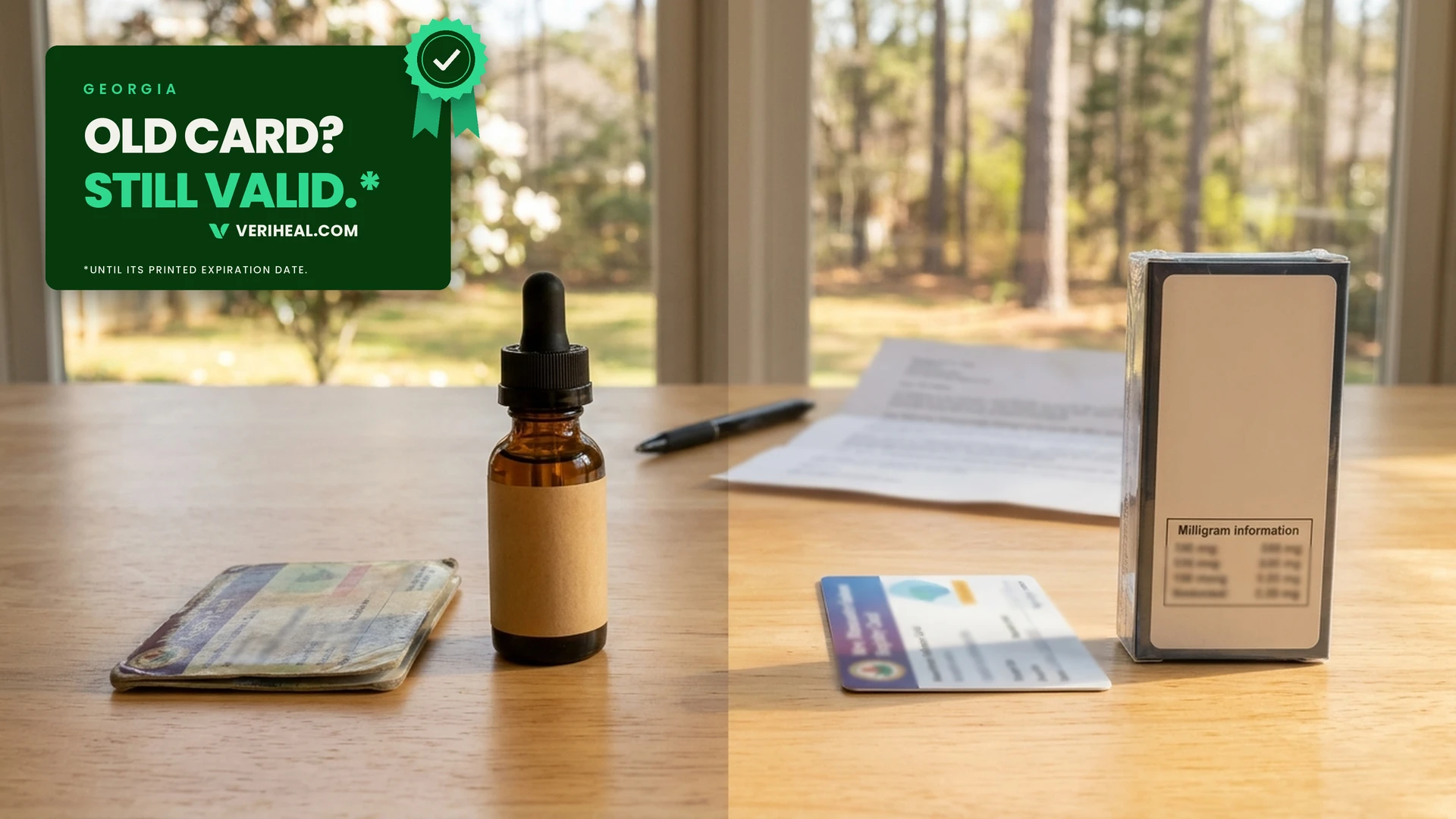
Georgia’s SB 220 replaced the Low THC Oil program with the Medical Cannabis Patient Registry, removing the 5% THC cap and expanding patient access. This guide compares the old and new rules, including possession limits, qualifying conditions, permitted products, physician certification, registration costs, and what existing cardholders need to know about the transition.
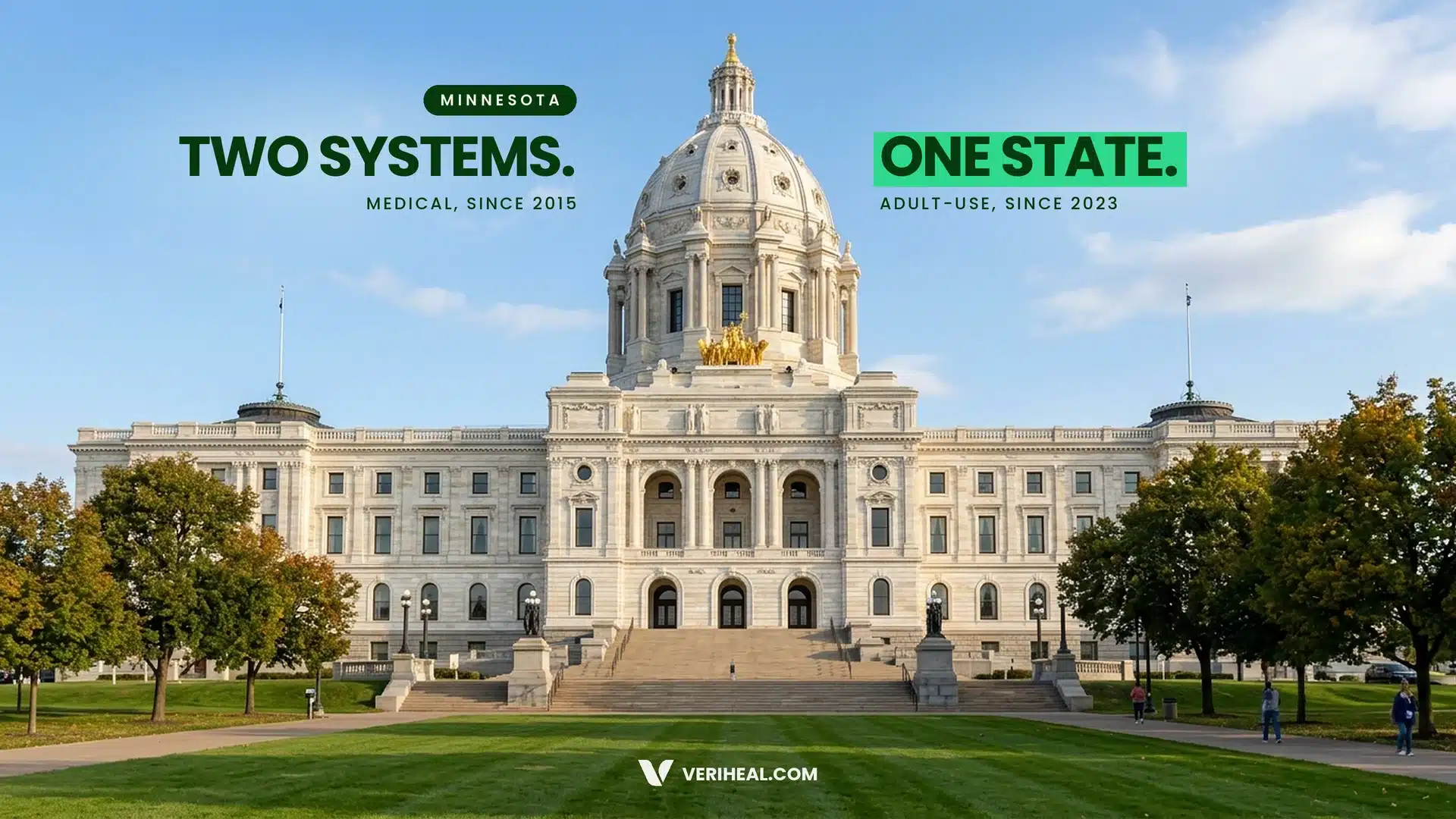
Medical marijuana and recreational cannabis are both legal in Minnesota, but each operates under different rules and eligibility requirements. This guide explores the state’s legalization history, qualifying medical conditions, patient registration, tax benefits, possession limits, home cultivation rules, and federal restrictions affecting cannabis consumers in 2026.
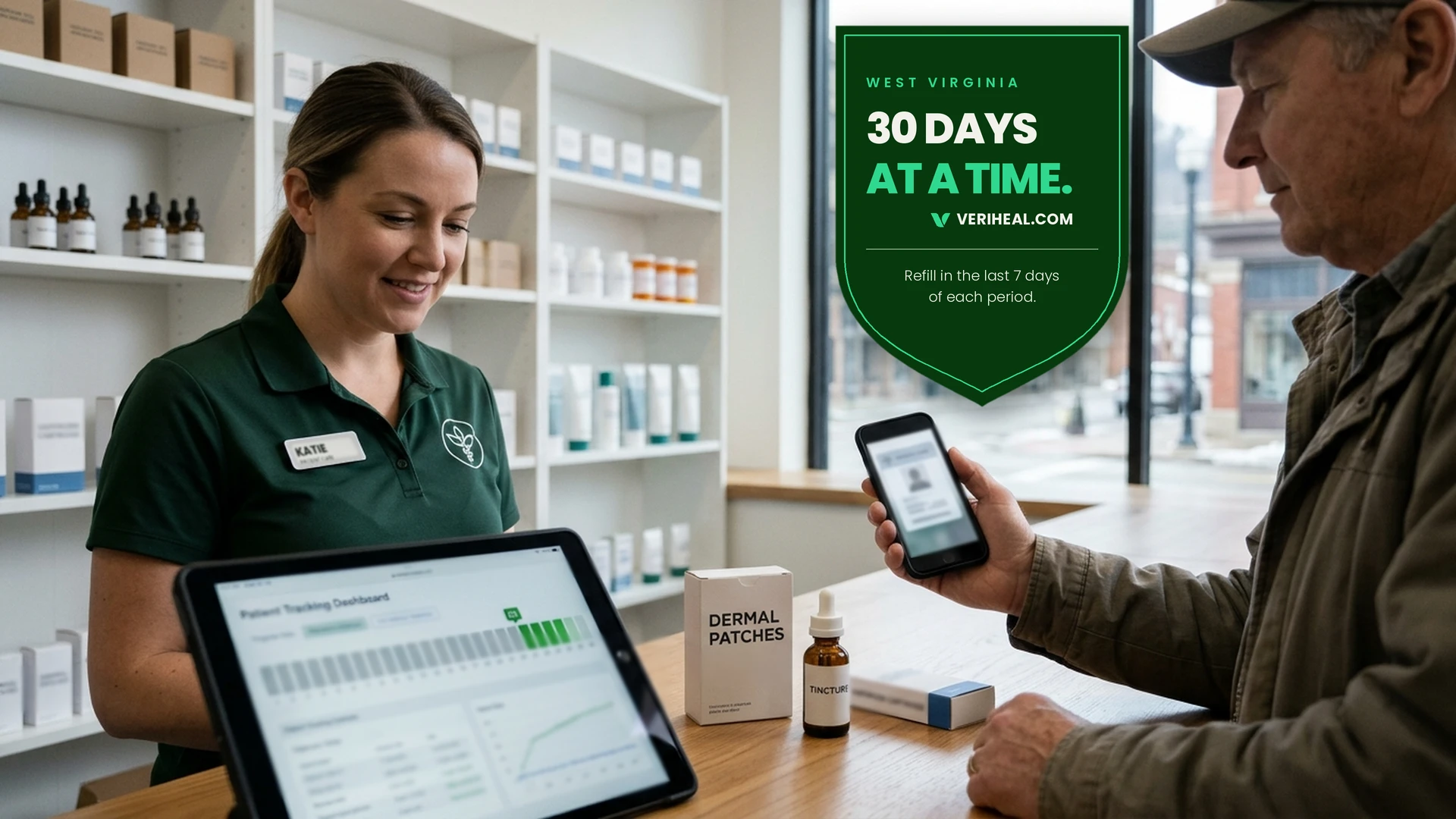
West Virginia medical marijuana dispensaries serve registered patients and caregivers, offering state-approved cannabis products through licensed locations. This guide explains how to find dispensaries, obtain a medical cannabis card, prepare for your first visit, understand application costs and financial hardship waivers, and navigate qualifying conditions, purchase limits, and patient privacy considerations.
The statements made regarding cannabis products on this website have not been evaluated by the Food and Drug Administration (FDA). Cannabis is not an FDA-approved substance and is still illegal under federal law. The information provided on this website is intended for educational purposes only and is not intended to diagnose, treat, cure, or prevent any disease. It is not intended as medical advice and should not be considered as a substitute for advice from a healthcare professional. We strongly recommend that you consult with a physician or other qualified healthcare provider before using any cannabis products. The use of any information provided on this website is solely at your own risk.