Your medical cannabis journey simplified: find partnered dispensaries, explore pricing options, earn rewards, and get answers to FAQs, all in one spot.
August 3, 2024 08:00 am ETEstimated Read Time: 3 Minutes
In May of this year, President Biden and his officials formally announced their plans to reschedule cannabis alongside support from the Drug Enforcement Administration (DEA). This move made headlines across the country, as it marks the first time in American history that cannabis will be considered a medically beneficial drug with purposeful uses.
Per DEA policy, a change this big requires a public comment period lasting two months before they can officially begin the rescheduling process. The comment period closed last week, and more than 40,000 American citizens and organizations chimed in with their thoughts, setting a record for the most comments the DEA has ever gathered for a proposed regulation change.
The best part? Around 70% of commenters were in support of cannabis. An analysis from Headset revealed that 57% of the public comments advocated for fully de-scheduling cannabis, 35% were in favor of rescheduling it, and a slim 8% margin opposed the reforms, pushing to keep cannabis illegal and classified as a Schedule I substance.
This exciting news highlights the growing support the cannabis movement is accumulating from Americans nationwide. And, with more than half of the comments pushing for decriminalization entirely, it demonstrates that additional change is likely coming down the line in upcoming years.
See If You Qualify For Medical Marijuana -Select Your State!
Select Your State
Alabama
Alaska
Arizona
Arkansas
California
Colorado
Connecticut
Delaware
Florida
Georgia
Hawaii
Idaho
Illinois
Indiana
Iowa
Kansas
Kentucky
Louisiana
Maine
Maryland
Massachusetts
Michigan
Minnesota
Mississippi
Missouri
Montana
Nebraska
Nevada
New Hampshire
New Jersey
New Mexico
New York
North Carolina
North Dakota
Ohio
Oklahoma
Oregon
Pennsylvania
Rhode Island
South Carolina
South Dakota
Tennessee
Texas
Utah
Vermont
Virginia
Washington
West Virginia
Wisconsin
Wyoming
Never miss a post
Get updates on cannabis culture, new research, and expert insights
“These numbers paint a clear picture: over 9 out of 10 individuals who took the time to comment believe that cannabis should not remain a Schedule I substance,” Headset wrote in their report. “Moreover, the majority of commenters went beyond the proposed rescheduling to Schedule III, arguing for complete removal from the controlled substances list. This overwhelming show of public support, equivalent to the unanimous voice of an entire state capital, sends a powerful message to policymakers. It suggests that not only is there broad backing for the proposed rescheduling, but there’s also a significant push for even more comprehensive reform.”
While rescheduling is largely viewed as a favorable step in the right direction, many rightfully believe that it doesn’t address many of the cannabis issues currently plaguing society. It doesn’t automatically grant pardons or record expungement to people with non-violent cannabis charges, it will remain federally illegal, and it does little to help marginalized communities who have been the most heavily impacted by the War on Drugs.
On the side of the opposition, Headset pointed out that the majority of comments came in large surges of form letters from anti-cannabis organizations like Smart Approaches to Marijuana (SAM). These letters cited fears over cannabis as a gateway drug or its potential harm to children, but they were largely overruled by individuals reporting its positive benefits in treating mental and physical health disorders.
These comments are overwhelmingly positive toward cannabis, but the work isn’t over yet. Headset writes, “The rescheduling process involves multiple steps, including a potential hearing phase and a final review by the Office of Management and Budget. Additionally, the DEA must ensure compliance with international treaty obligations, particularly the 1961 Single Convention on Narcotic Drugs.”
Fortunately, the government is highly motivated to get this done before the upcoming election in November, so the DEA may fast-track this process. Public opinion is firmly on the side of cannabis, and it has a fair amount of bipartisan support — something many other hot topics in politics can’t claim. Now that American citizens have made their voices heard, all we can do is wait for the next steps and continue pushing for proper cannabis reform along the way.
Emily is a Denver-based transplant from Virginia who is passionate about substance use harm reduction, yoga, and music. She writes and edits to support the extravagant lifestyles of her pug and cat. When she's not writing, she can be found doing flow and aerial arts or browsing flights to faraway places.
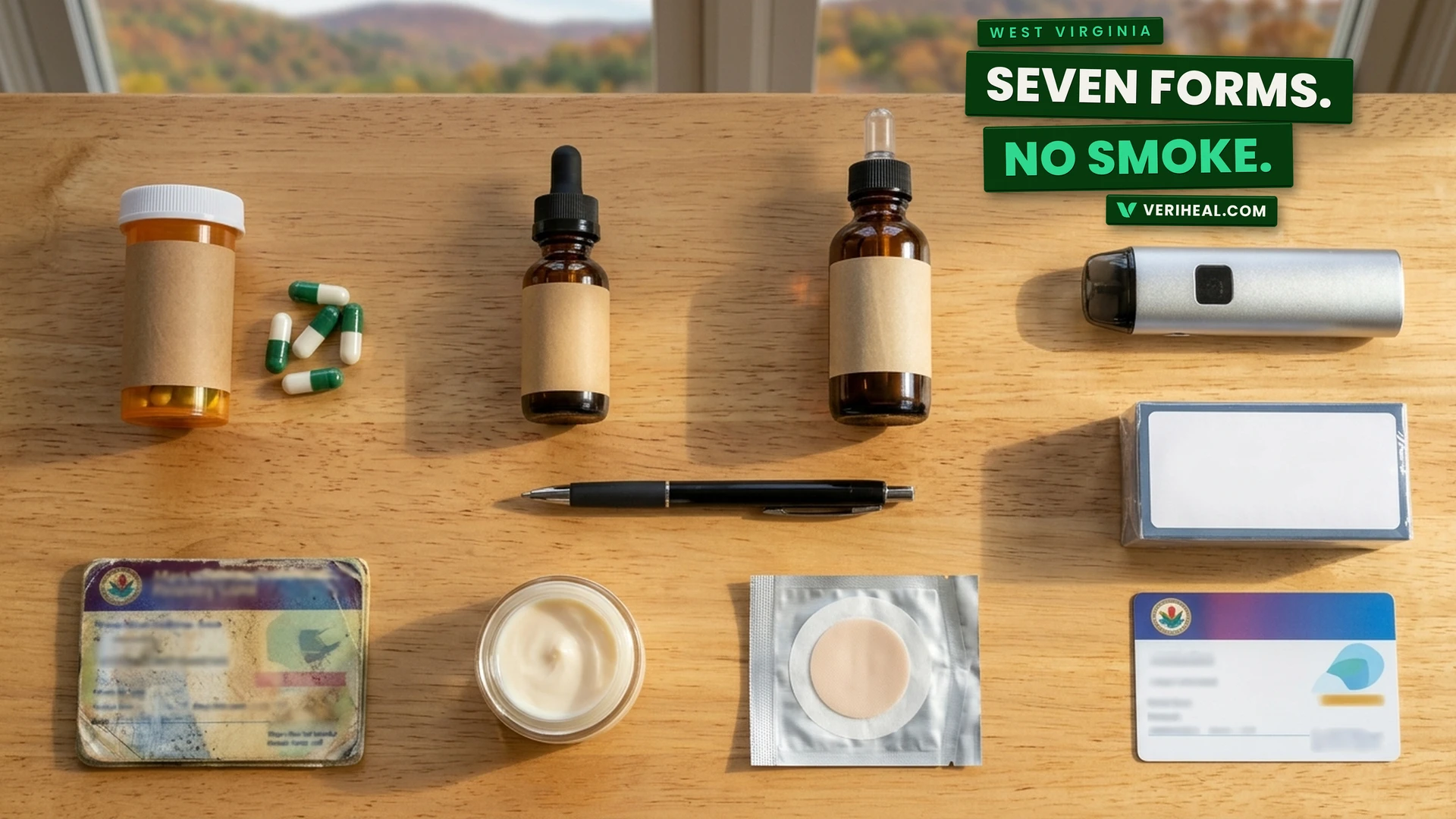
West Virginia allows medical cannabis in approved forms, including pills, oils, tinctures, topicals, patches, and products intended for vaporization, while prohibiting smoking and dispensary-sold edibles. This guide explains the differences between permitted products, dry leaf restrictions, purchase and possession limits, patient registration requirements, certification costs, and important legal considerations for medical cannabis patients.
A New Jersey medical marijuana card can still offer benefits despite recreational legalization, including sales tax savings, workplace protections, and access for eligible adults under 21. This guide compares medical and recreational cannabis costs, purchase limits, eligibility requirements, potential savings, registration steps, and the drawbacks patients should consider before applying.
Post-traumatic stress disorder (PTSD) is a qualifying condition for medical cannabis in Minnesota, with a separate enrollment pathway available to eligible veterans. This guide explains practitioner certification, free state enrollment, veteran exemptions, telehealth evaluations, tax savings, medical versus recreational cannabis benefits, and important considerations involving existing PTSD treatments, insurance coverage, and patient rights.
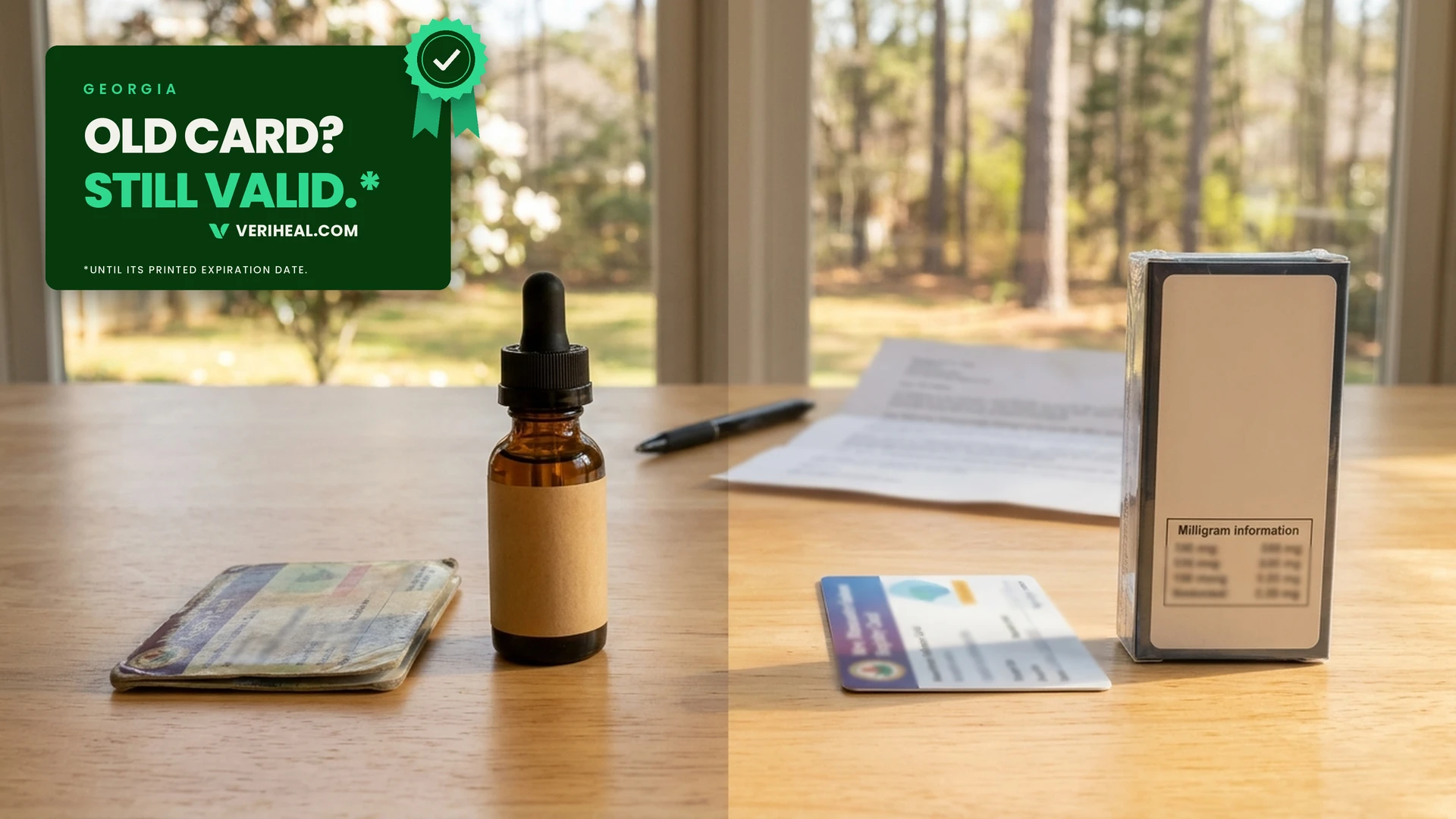
Georgia’s SB 220 replaced the Low THC Oil program with the Medical Cannabis Patient Registry, removing the 5% THC cap and expanding patient access. This guide compares the old and new rules, including possession limits, qualifying conditions, permitted products, physician certification, registration costs, and what existing cardholders need to know about the transition.
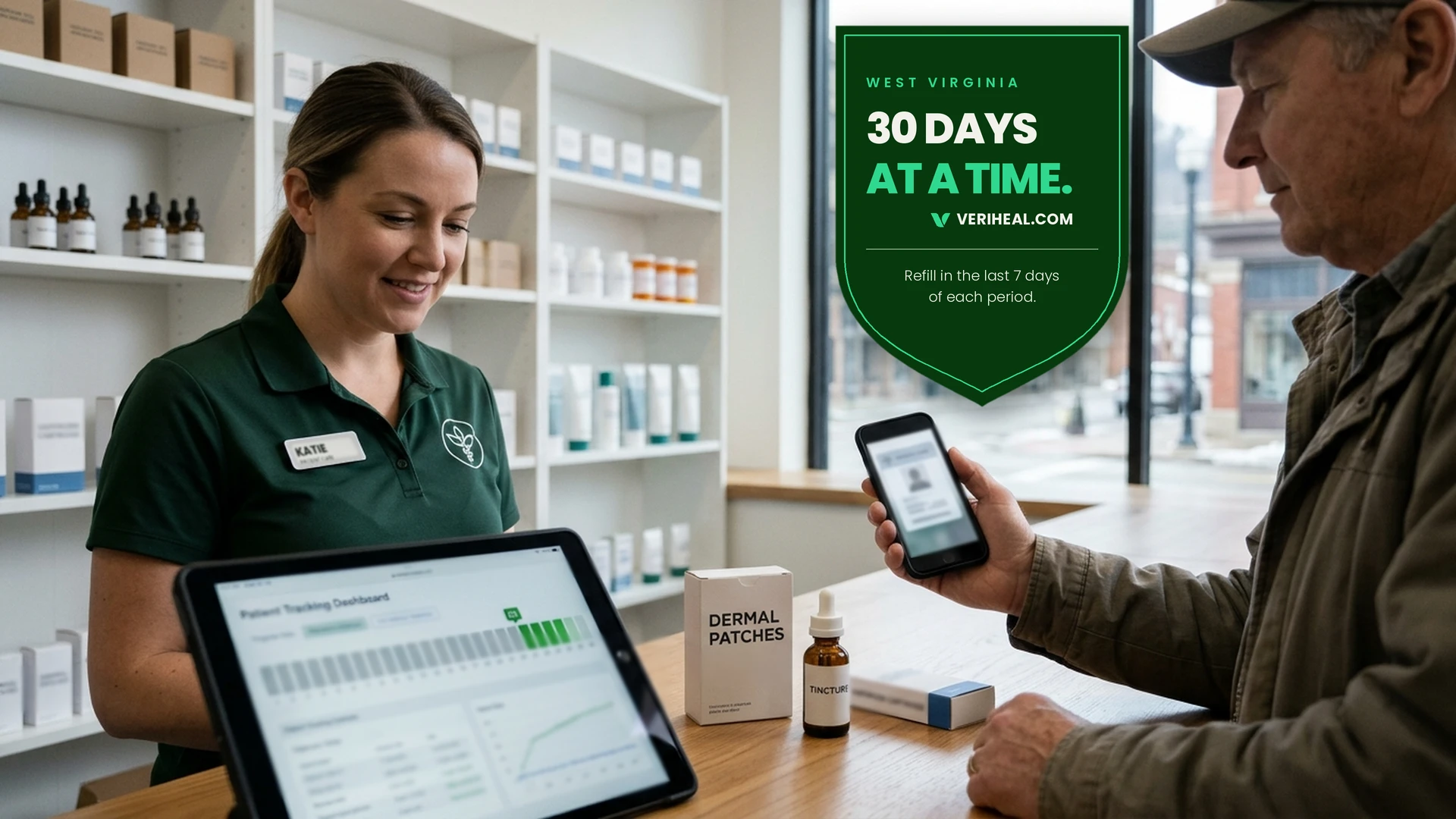
West Virginia medical marijuana dispensaries serve registered patients and caregivers, offering state-approved cannabis products through licensed locations. This guide explains how to find dispensaries, obtain a medical cannabis card, prepare for your first visit, understand application costs and financial hardship waivers, and navigate qualifying conditions, purchase limits, and patient privacy considerations.
The statements made regarding cannabis products on this website have not been evaluated by the Food and Drug Administration (FDA). Cannabis is not an FDA-approved substance and is still illegal under federal law. The information provided on this website is intended for educational purposes only and is not intended to diagnose, treat, cure, or prevent any disease. It is not intended as medical advice and should not be considered as a substitute for advice from a healthcare professional. We strongly recommend that you consult with a physician or other qualified healthcare provider before using any cannabis products. The use of any information provided on this website is solely at your own risk.