Your medical cannabis journey simplified: find partnered dispensaries, explore pricing options, earn rewards, and get answers to FAQs, all in one spot.
Many people know by now that the ways to use cannabis include much more than just smoking to get a high. In addition to the potential medical benefits of cannabis, there are also many ways to use cannabis in its other formats and derivatives.
One of these is topical CBD. We’ll explore whether topical CBD could function as a treatment for skin conditions like psoriasis or hidradenitis suppurativa, including what the research says, what the best practices are, and some potential products to try.
What Is Topical CBD?
First, what is topical CBD? Cannabis is typically discussed through its two main compounds: cannabidiol (CBD) and tetrahydrocannabinol (THC). In contrast to THC, CBD is a non-intoxicating part of cannabis. This means that it won’t give you a high the way that smoking cannabis will.
Using topical THC won’t get you high, either. That’s because topicals are only absorbed locally on the skin, but that doesn’t change its legal standing. THC in any form is simply more difficult to acquire than abundant, federally legal hemp formulations carrying CBD or hemp seed oil.
Although research is limited and ongoing, cannabinoids like CBD and THC are associated with positive effects on the skin when used topically. These include “…anti-inflammatory, anti-itching, analgesics, wound healing, and anti-proliferative effects.” This makes topical CBD a possible solution for a variety of skin conditions nationwide. We’ll investigate two that are common but often difficult to tackle: psoriasis and hidradenitis suppurativa.
Psoriasis
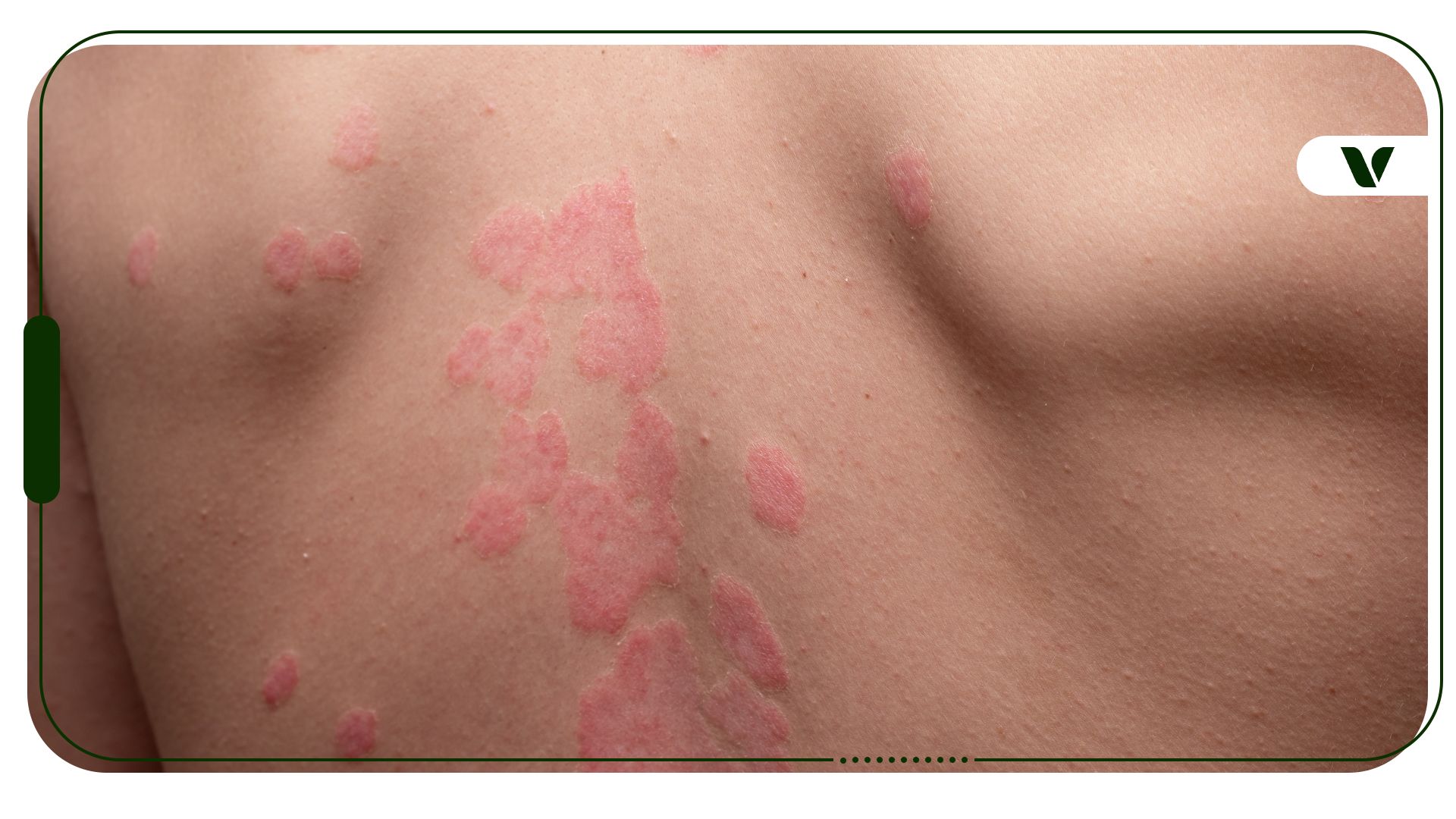
Whether you’re struggling with psoriasis yourself or you have a loved one who is, you know how frustrating it can be to deal with. Psoriasis.org describes the condition as: “…a chronic, immune-mediated systemic condition that includes psoriasis and psoriatic arthritis. It results from abnormal immune activity that promotes inflammation, which can affect the skin or the joints…”
Psoriasis presents itself in several ways. Externally, it results in rough, painful, itchy patches on the skin. However, because it is inflammatory, it can also result in other symptoms associated with psoriatic arthritis, which can include morning stiffness, fatigue, and swollen joints, among others.
Although there is no definitive proof that topical CBD can aid in the treatment of psoriasis, there are clear reasons that it can be well worth a try. Adam Friedman, M.D., Professor and Chair of Dermatology in the Department of Dermatology at George Washington School of Medicine and Health Sciences in Washington, D.C., explains, “We know that when CBD binds to the CB2 [cannabinoid receptor type 2] as well as other receptors, it can be involved in not just anti-inflammatory activity, but it can facilitate an array of activities that resolve inflammation. It can stimulate the secretion and recruitment of cells that are important for removing debris and allowing for proper skin maturation and healing.”
This means that CBD can work through multiple pathways to reduce inflammation and potentially treat psoriasis. There are several studies suggesting this as well. These include a 2022 study finding that regular topical application of CBD induced significant improvements in psoriasis compared to placebo-treated areas, and another 2022 study finding that 54.3% of the studied cannabis users reported using it for arthritis for pain relief.
Hidradenitis Suppurativa
Another skin condition that topical CBD may help treat is hidradenitis suppurativa (HS), also known as acne inversa. Hidradenitis suppurativa is a skin condition that causes painful boils in areas where sweat glands are. It is an auto-inflammatory disease of the hair follicles, and it is not contagious, but it is painful.
See If You Qualify For Medical Marijuana -Select Your State!
Select Your State
Alabama
Alaska
Arizona
Arkansas
California
Colorado
Connecticut
Delaware
Florida
Georgia
Hawaii
Idaho
Illinois
Indiana
Iowa
Kansas
Kentucky
Louisiana
Maine
Maryland
Massachusetts
Michigan
Minnesota
Mississippi
Missouri
Montana
Nebraska
Nevada
New Hampshire
New Jersey
New Mexico
New York
North Carolina
North Dakota
Ohio
Oklahoma
Oregon
Pennsylvania
Rhode Island
South Carolina
South Dakota
Tennessee
Texas
Utah
Vermont
Virginia
Washington
West Virginia
Wisconsin
Wyoming
Never miss a post
Get updates on cannabis culture, new research, and expert insights
Because CBD has anti-inflammatory, antibacterial, and hair follicle- and skin-regulating effects, it may aid in the symptoms of hidradenitis suppurativa. A survey of HS specialty clinic patients, for example, finds that most patients use some form of complementary or alternative medicine (CAM) due to frustration with typical treatments. It is also noted that “topical CBD oil was perceived as one of the three most helpful CAM options.”
In 2024, another survey on HS patients and cannabis products reinforces that, “Cannabis may play a role in analgesia, improved quality of life, pain, itch, and overall mental health in patients with HS, and healthcare providers, including dermatologists, should increase their familiarity in the appropriate use of cannabis-related products.”
Outside of formal studies and surveys, people with hidradenitis suppurativa have anecdotally reported success with topical CBD. Unfortunately, there are no preclinical or clinical trials to date with HS.
Looking to try out some products? Whether you’re dealing with psoriasis, hidradenitis suppurativa, or another skin condition, topical CBD and THC products could be well worth a try.
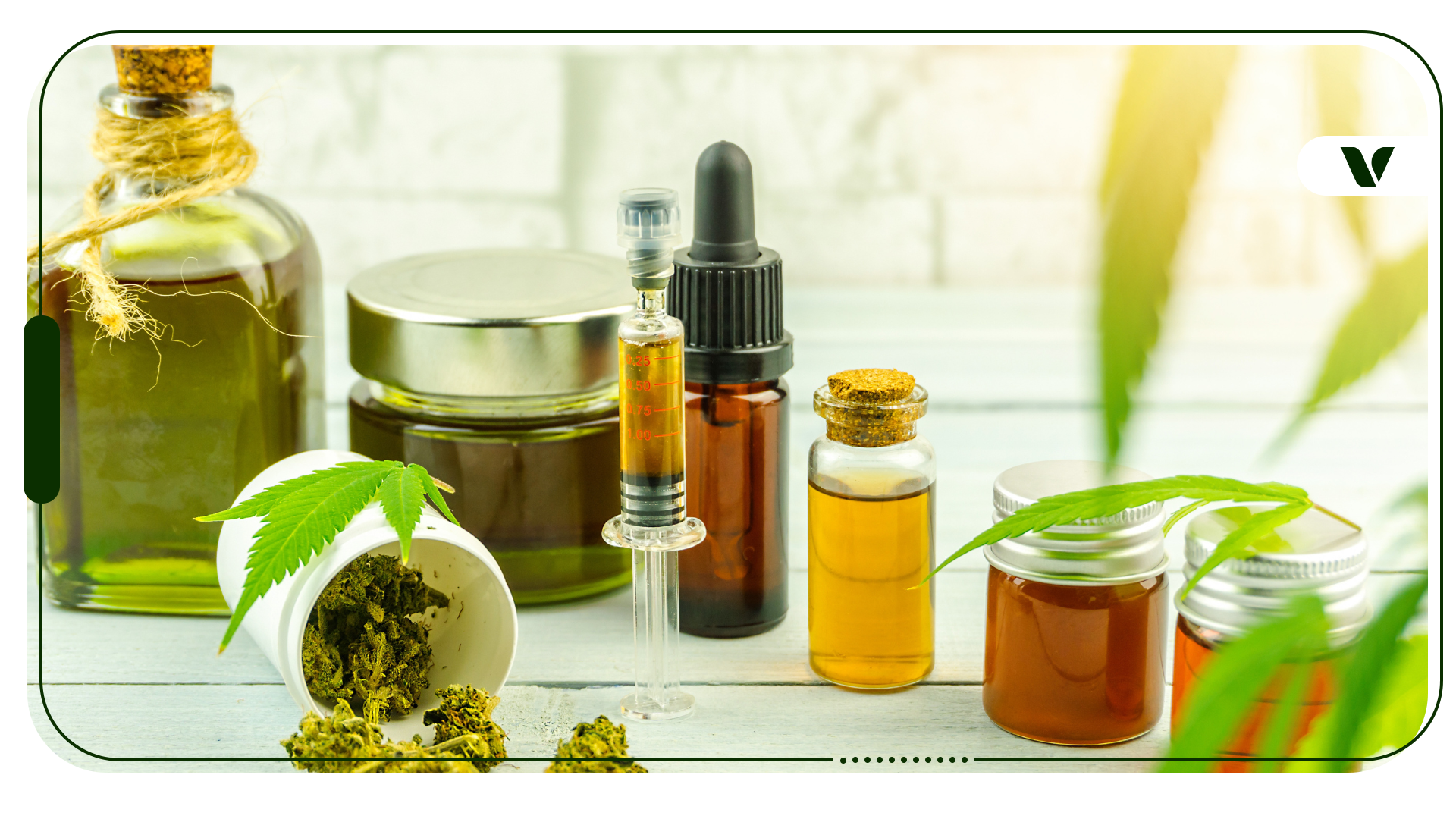
Topical CBD products include balms, creams, oils, and sprays. Many CBD topicals will also contain other ingredients like hemp oil, coconut oil, or other essential oils – so it’s important to verify the full list of ingredients in case you have allergies. Here are a few well-reviewed options:
Many people struggle with tricky skin conditions like psoriasis and hidradenitis suppurativa. Although these conditions are common, doctors often prescribe treatments that fall short.
Luckily, there is both anecdotal and clinical evidence that topical CBD may be an effective alternative. In contrast to smoking marijuana, utilizing topical CBD or THC products comes without the risk of chemical dependency. Always consult your doctor before starting a new treatment, especially if you’re already using prescribed topical medications, as this will ensure that it’s safe to use them together. Do you have any favorite topical CBD products? Share with us!
Jasmine Cook is a Los Angeles copywriter. She’s loved writing since elementary school, and she’s so excited to bring her passion to Veriheal. When she’s not writing, you can find her rewatching Succession and Gilmore Girls, hiking, or frequenting cafes.
Reclaim edibles are re-purposed leftovers. You see that sticky residue sitting in your dab rig? Take a look, it is there. With a teensy bit of creativity, you can actually transform it into something amazing. The downside? Probably won’t hit exactly like fresh cannabis and won’t taste great either. However, if for whatever reason you…
In the school of life, tetrahydrocannabinol (THC), the most popular intoxicating cannabis compound, is like the popular kid everyone knows by name. The center of attention, always getting talked about, and highly sought after. Cannabidiol (CBD), on the other hand, gets a little less love. It’s more like the quiet honor student: low-key, non-intoxicating, rarely…
In the confusing landscape of state-by-state medical marijuana legalization and federal prohibition lies a patient’s pursuit of a better quality of life, balanced with an unrestricted financial livelihood. In workplaces across many different medical marijuana legal states, no law guarantees that a valid, card-carrying MMJ patient status exempts an employee from termination or discrimination stemming…
An alarming trend has recently come to light: more non-smokers are getting lung cancer than ever before. Given that lung cancer is the most common worldwide and the leading cause of cancer death, you may be worried about the implications of your cannabis habits. How much does cannabis contribute to lung cancer risk? According to…
It feels like every other day, a fresh slang term pops up in the cannabis lexicon, and today, we’re looking at an entry that’s all over TikTok and Reddit – Yart! Spoiler alert: it has everything to do with the humble vape cart (and how challenging it is to talk about cannabis on social media). …
The statements made regarding cannabis products on this website have not been evaluated by the Food and Drug Administration (FDA). Cannabis is not an FDA-approved substance and is still illegal under federal law. The information provided on this website is intended for educational purposes only and is not intended to diagnose, treat, cure, or prevent any disease. It is not intended as medical advice and should not be considered as a substitute for advice from a healthcare professional. We strongly recommend that you consult with a physician or other qualified healthcare provider before using any cannabis products. The use of any information provided on this website is solely at your own risk.