Your medical cannabis journey simplified: find partnered dispensaries, explore pricing options, earn rewards, and get answers to FAQs, all in one spot.
We’ve heard a lot about drug schedules lately, including talks of rescheduling cannabis from a Schedule I to a Schedule III controlled substance. But what exactly are Schedule 1 drugs, and why would cannabis move from one category to another? Let’s take a closer look.
Drug Scheduling Overview
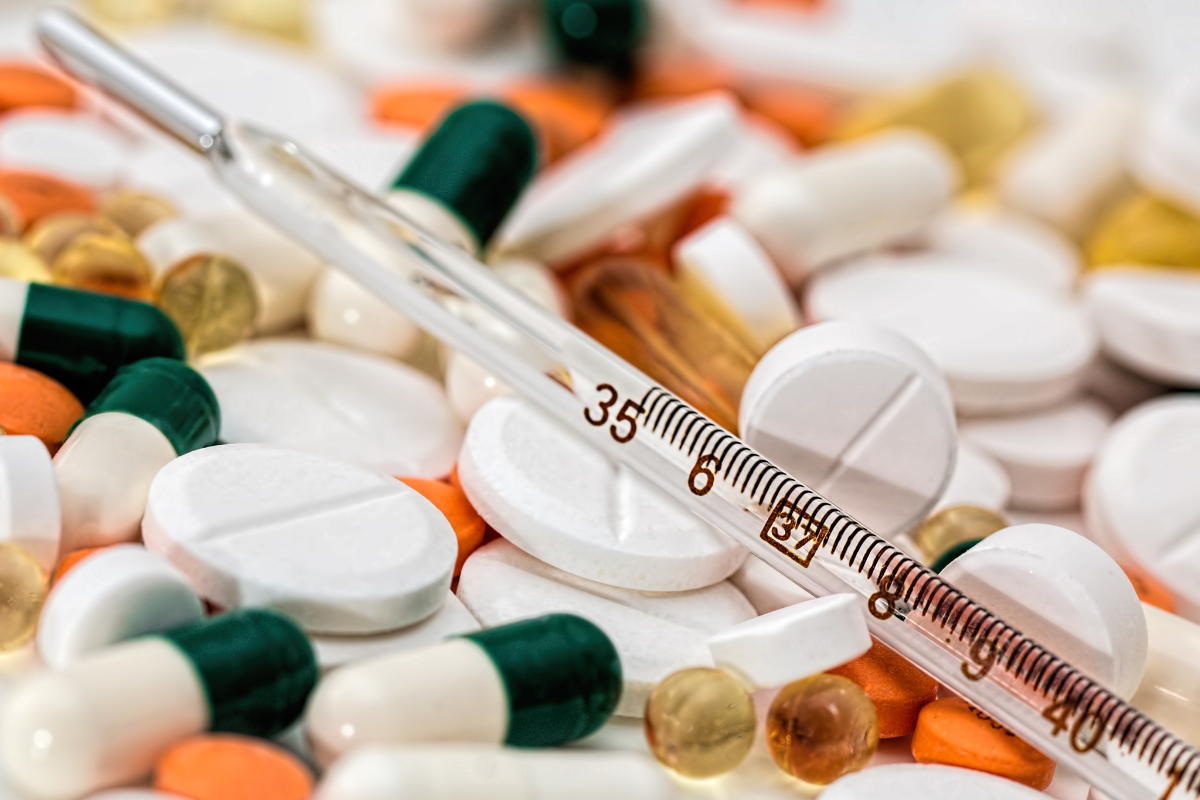
Under the Controlled Substances Act, the United States Drug Enforcement Administration (DEA) classifies all regulated substances into one of five different categories. The classification of each drug, substance, or chemical depends on its acceptable medical uses and abuse potential.
(1) Its actual or relative potential for abuse. (2) Scientific evidence of its pharmacological effect, if known. (3) The state of current scientific knowledge regarding the drug or other substance. (4) Its history and current pattern of abuse. (5) The scope, duration, and significance of abuse. (6) What, if any, risk there is to public health. (7) Its psychic or physiological dependence liability. (8) Whether the substance is an immediate precursor of a substance already controlled under this subchapter.
Common Drugs in Each Class: Schedules I-V
Here’s a quick overview of each drug class and the substances that fall under them:
Schedule 1
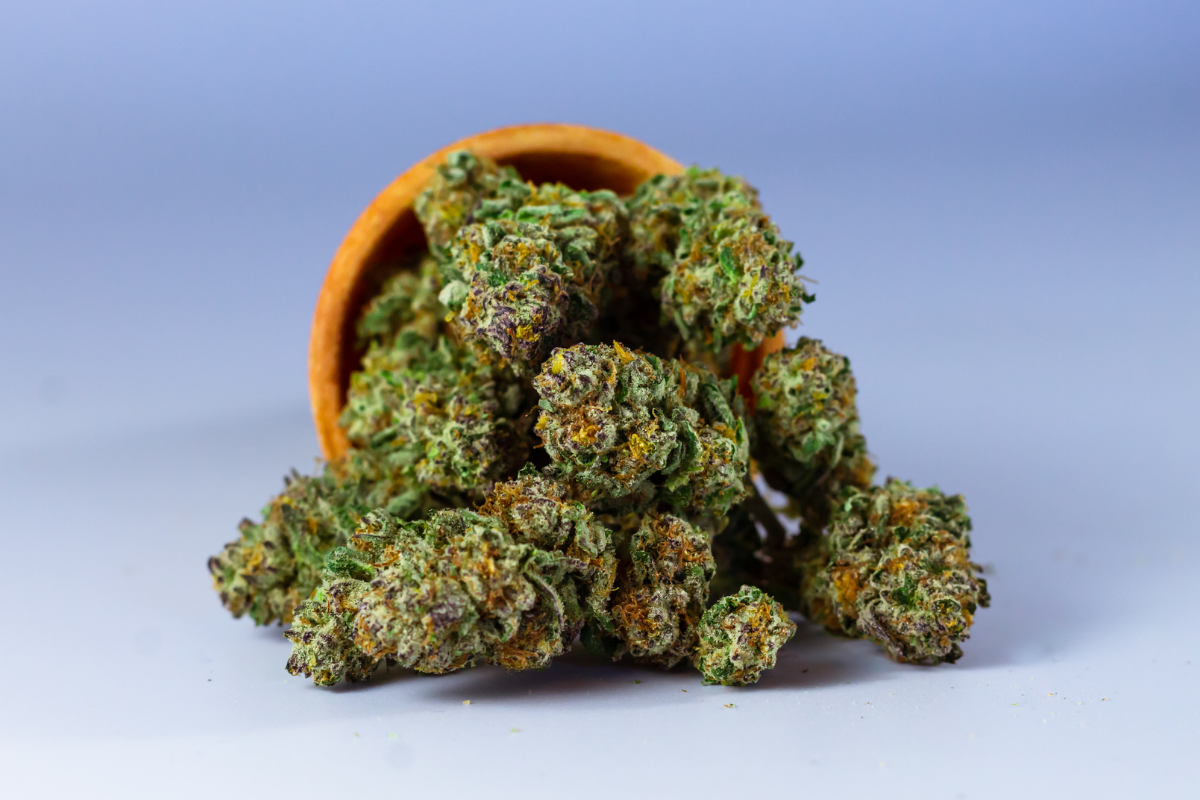
The DEA considers Schedule I substances to have no accepted medical use and a high abuse potential. Common examples of Schedule 1 substances include heroin, lysergic acid diethylamide (LSD), cannabis (we’ll talk more about this later), ecstasy, methaqualone, and peyote.
Schedule II
Schedule II substances carry a high risk of abuse and can cause severe psychological or physical dependence. Oxycodone, amphetamines (i.e., Adderall), methylphenidate (i.e., Ritalin), methamphetamine, methadone, and cocaine are all common examples of Schedule II substances.
Schedule III
Substances that the DEA considers to have moderate to low potential for physical and psychological dependence fall under Schedule III. These include ketamine, anabolic steroids, and testosterone, among others.
Schedule IV
Schedule IV drugs refer to those with low potential for abuse and low risk of dependence. Common examples include alprazolam (i.e., Xanax), diazepam (i.e., Valium), lorazepam (i.e., Ativan), and zolpidem (i.e., Ambien).
Schedule V
Schedule V substances have a lower potential for abuse than Schedule IV drugs and typically contain only limited quantities of narcotics. Typically used to alleviate diarrhea, coughs, or pain, these include cough medicines with less than 200 milligrams of codeine per 100 milliliters, pregabalin (i.e., Lyrica), and attapulgite (i.e., Parapectolin), among others.
See If You Qualify For Medical Marijuana -Select Your State!
Select Your State
Alabama
Alaska
Arizona
Arkansas
California
Colorado
Connecticut
Delaware
Florida
Georgia
Hawaii
Idaho
Illinois
Indiana
Iowa
Kansas
Kentucky
Louisiana
Maine
Maryland
Massachusetts
Michigan
Minnesota
Mississippi
Missouri
Montana
Nebraska
Nevada
New Hampshire
New Jersey
New Mexico
New York
North Carolina
North Dakota
Ohio
Oklahoma
Oregon
Pennsylvania
Rhode Island
South Carolina
South Dakota
Tennessee
Texas
Utah
Vermont
Virginia
Washington
West Virginia
Wisconsin
Wyoming
Never miss a post
Get updates on cannabis culture, new research, and expert insights
Why Is Cannabis a Schedule 1 Drug?
Under the 1970 Controlled Substances Act, all regulated drugs fall into one of five classifications. According to the DEA, anything classified as Schedule I lacks any potential for medical use and poses a high risk of abuse and dependence.
You may look at some of the drugs on the list and see why they’re classified as such. For example, heroin is a highly addictive drug that can lead to devastating personal and societal impacts. But then there are some drugs on the list that feel out of place. Most notably, cannabis.
While scientists and researchers may have the most knowledge about the risks and benefits of certain drugs, the scheduling process comes down to decisions from two federal agencies: the DEA and the Food and Drug Administration (FDA). Drug classifications are used to guide courts in offender sentences, to prioritize targets of prevention measures, and to educate the public about risks.
Some have proposed that scientists and drug experts should classify substances based on fact rather than political bias. Even if this idea were implemented, it would be impossible to fully pull off because part of the rank-ordering system involves making value judgments on the severity of potential harm. These judgments require subjective thought along with legitimate, unbiased expertise, not just scientific facts or avoiding political appointments of so-called “experts” as puppets.
You might notice that the Controlled Substances Act was launched under Nixon’s administration. The former president ran a racially-charged propaganda campaign against cannabis, which landed the substance in the same danger category as heroin. Since his presidency, an audio recording of Nixon saying he knew that “cannabis is not particularly dangerous” and used the law to counter the voices of anti-war hippies, minorities, and pro-Civil Rights activists.
So here we are today in 2026, with the majority of U.S. states providing some form of access to medical cannabis, while the federal government maintains the plant’s classification as having no accepted medical uses.
Will the Government Reschedule Cannabis?
The vast majority of Americans think cannabis should be legal in some form, whether for medical purposes only or for medical and recreational use. Between this and the fact that the majority of the states offer some form of medical marijuana, it’s clear that medical cannabis uses are generally accepted by the public.
Before former President Joe Biden left office, he signaled that there may be a change coming to the classification of cannabis. While nothing played out under his administration, Trump has also made comments and even issued an executive order to expedite rescheduling, indicating that his administration may eventually change the plant’s classification. So far, nothing has come to fruition.
If the government does reschedule cannabis from a Schedule I to a Schedule III controlled substance, we could see certain regulatory burdens eased. One of the biggest perks would be the ability for researchers to more easily obtain and study the plant, allowing the scientific community to better understand its medical potential.
Cannabis reform and rescheduling have long been an important political talking point. But so far, it’s never gone further than just that. We’ve now seen multiple presidents mention the idea of rescheduling the substance with little action to indicate it will become more than a political talking point.
Macey is a freelance writer from Seattle. She's covered the cannabis industry extensively, emphasizing the economic opportunities for Indigenous entrepreneurs. Her writing focuses on the people, stories, and labors of love behind every venture.
Reclaim edibles are re-purposed leftovers. You see that sticky residue sitting in your dab rig? Take a look, it is there. With a teensy bit of creativity, you can actually transform it into something amazing. The downside? Probably won’t hit exactly like fresh cannabis and won’t taste great either. However, if for whatever reason you…
In the school of life, tetrahydrocannabinol (THC), the most popular intoxicating cannabis compound, is like the popular kid everyone knows by name. The center of attention, always getting talked about, and highly sought after. Cannabidiol (CBD), on the other hand, gets a little less love. It’s more like the quiet honor student: low-key, non-intoxicating, rarely…
In the confusing landscape of state-by-state medical marijuana legalization and federal prohibition lies a patient’s pursuit of a better quality of life, balanced with an unrestricted financial livelihood. In workplaces across many different medical marijuana legal states, no law guarantees that a valid, card-carrying MMJ patient status exempts an employee from termination or discrimination stemming…
An alarming trend has recently come to light: more non-smokers are getting lung cancer than ever before. Given that lung cancer is the most common worldwide and the leading cause of cancer death, you may be worried about the implications of your cannabis habits. How much does cannabis contribute to lung cancer risk? According to…
It feels like every other day, a fresh slang term pops up in the cannabis lexicon, and today, we’re looking at an entry that’s all over TikTok and Reddit – Yart! Spoiler alert: it has everything to do with the humble vape cart (and how challenging it is to talk about cannabis on social media). …
The statements made regarding cannabis products on this website have not been evaluated by the Food and Drug Administration (FDA). Cannabis is not an FDA-approved substance and is still illegal under federal law. The information provided on this website is intended for educational purposes only and is not intended to diagnose, treat, cure, or prevent any disease. It is not intended as medical advice and should not be considered as a substitute for advice from a healthcare professional. We strongly recommend that you consult with a physician or other qualified healthcare provider before using any cannabis products. The use of any information provided on this website is solely at your own risk.