1-855-452-6224 (Customer Support Available 24/7)

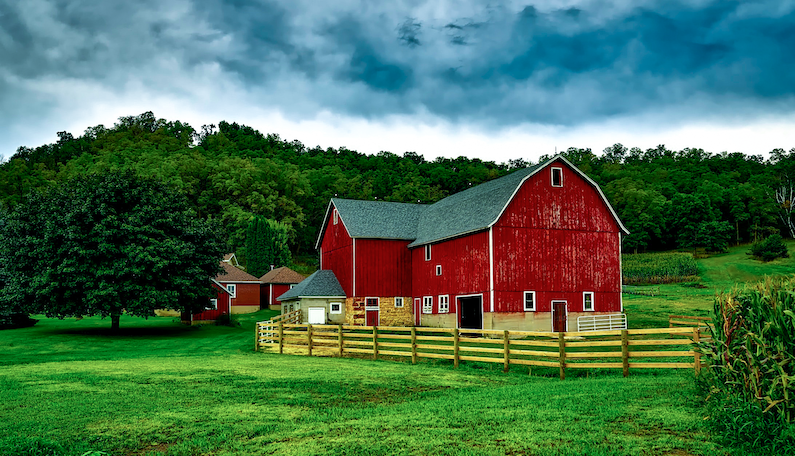
Farm-to-table has become a common term. This includes references to hip eateries and fresh produce delivery. There is no doubt that local, fresh, and organic foods are healthier.
No less important is the independent marijuana grower. Local, organic marijuana remains vital in a growing industry—one that is slowly being threatened by corporate, government control.
When California first legalized medical marijuana in 1996, the nation took a collective sigh of relief. Prohibition of a plant that has numerous benefits and minimal risks was being directly challenged. Access to the benefits was given to those who needed it most. According to Dr. Peter Grinspoon, a contributor to the Harvard Health Blog, patients with chronic nerve pain and multiple sclerosis experience pain relief with medical marijuana treatment. This is also true for those with appetite issues, nausea from cancer treatments, glaucoma, and PTSD.
There is little argument that medical marijuana is effective for many people, but where does legalization become detrimental?
We spoke with a seasoned grower from the Pacific Northwest. He chose to remain anonymous, and this article will reference him as only JC.
JC agreed that “legalization is great”—but only to a degree.
“Legalization brings in more farmers with corporate interests in mind,” he said, “and that hurts the local growers like myself and lots of other growers I know.”
His stance is simple: when the government sticks its finger in just about anything things get hairy fast. The U.S. government tends to favor corporations over local farmers. One just has to look at the food industry in the United States to see that surplus production and focus on money dampen quality, health, and future outlooks. Regulations can become more of a bureaucratic nightmare rather than a helpful guideline.
For marijuana growers, this remains true. An influx of new growers with their sights on profit saturates the medical marijuana market. Our source states that “farm-to-table growth, in a sense, builds relationships with dispensaries and medical patients.” Corporations looking to make an extra dollar will not see the relationships, just the dollar signs.
Quality is typically higher with local farmers of organic marijuana. Government over-regulation hampers quality. JC told us that too much regulation “creates a high financial barrier to entry, which forces massive large scale investment and industrial style farming practices to recoup said investments.” He furthered that the end results is “more security cameras, barbed wire, padlocked containers, fewer gardeners per plant, and less quality.”
He told us that when “the harvest comes these corporations are desperate to recoup anything. They undercut everyone around here on price and have a massive quantity. I’d say they drove prices down ~60% while tanking the quality.”
While over-regulation sounds bleak, regulation in and of itself does not have to mean Orwellian control over the industry.
Providing legalization in the sense that growers cannot be unjustly punished is key—as long as their practices are clean, safe, humane, and environmentally conscious.
This sort of open market creates a thriving ecosystem in which medical marijuana can remain focused on quality plants, grower rights, and personal relationships. Corporations are the ones who need the most regulation. A clear example would be the food industry. One does not have to look far to see the effects industrialized mass-production of food has on our health. Think inhumane chicken farms, GMO vegetables, and chain restaurants.
Despite a push for corporate medical marijuana control, JC says that “consumers have finally wised up” to the shady practices, lack of experience, and low quality provided by large-scale investors.
Consumers are fed up with third-world quality products. Prices are slowly rising. Well grown material is taking preference.
This change for the better has come several years after new investors have experienced how difficult being a grower can be. Their undercutting has not paid off. Losses are becoming substantial enough to where the only option is to either improve their processes or get out.
One truth about capitalism is that when one entity does not deliver, another will. In this case, the local, organic growers are the winners. Medical marijuana patients deserve and need the highest quality plant that they can afford. Paying more for that quality ensures the best treatment.
Medical marijuana has its place in our society. Thousands of patients are finding relief without reliance on any corporations. Keeping the farmer in mind is key to a future where quality relationships and quality products are emphasized over profit. Less regulation and more control in the hands of growers ensures this.
Greener pastures do exist, and many hardworking US farmers are making sure the highest standards are met.
Sign up for our newsletter
Learn the process in your state
All Rights Reserved Veriheal Inc. ©
Terms Privacy Policy Advertising Agreement Content Disclamer


Get your medical marijuana card today
Sign up in under 5 minutes
Start By Selecting Your State
 Alabama
Alaska
Arizona
Arkansas
California
Colorado
Connecticut
Delaware
Florida
Georgia
Hawaii
Idaho
Illinois
Indiana
Iowa
Kansas
Kentucky
Louisiana
Maine
Maryland
Massachusetts
Michigan
Minnesota
Mississippi
Missouri
Montana
Nebraska
Nevada
New Hampshire
New Jersey
New Mexico
New York
North Carolina
North Dakota
Ohio
Oklahoma
Oregon
Pennsylvania
Rhode Island
South Carolina
South Dakota
Tennessee
Texas
Utah
Vermont
Virginia
Washington
West Virginia
Wisconsin
Wyoming
Puerto Rico
Alabama
Alaska
Arizona
Arkansas
California
Colorado
Connecticut
Delaware
Florida
Georgia
Hawaii
Idaho
Illinois
Indiana
Iowa
Kansas
Kentucky
Louisiana
Maine
Maryland
Massachusetts
Michigan
Minnesota
Mississippi
Missouri
Montana
Nebraska
Nevada
New Hampshire
New Jersey
New Mexico
New York
North Carolina
North Dakota
Ohio
Oklahoma
Oregon
Pennsylvania
Rhode Island
South Carolina
South Dakota
Tennessee
Texas
Utah
Vermont
Virginia
Washington
West Virginia
Wisconsin
Wyoming
Puerto Rico