1-855-452-6224 (Customer Support Available 24/7)

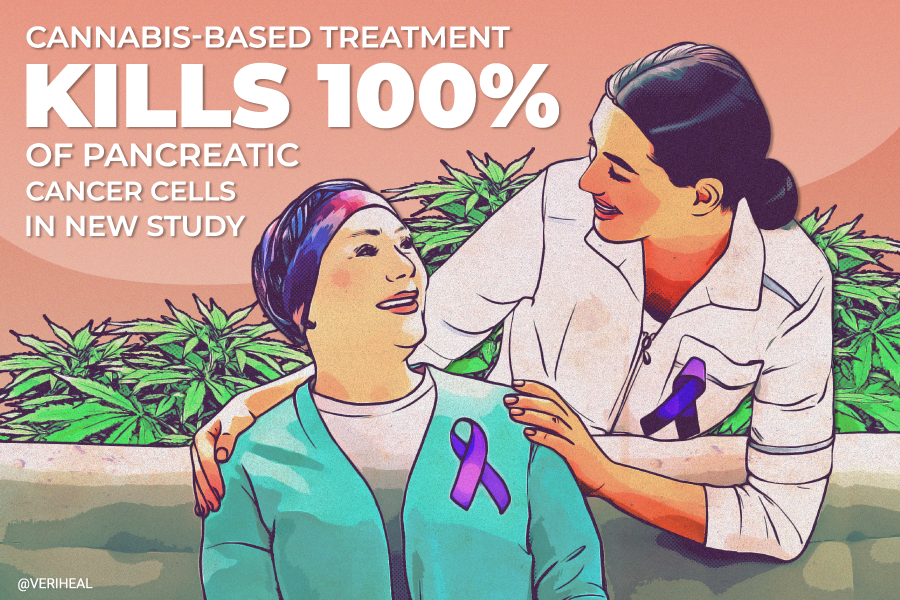
New cannabis research found that a cannabis-based drug was able to kill pancreatic cancer cells. This cannabis-based drug, or rather miraculous medication, is a botanical combination of extracts from the Cyathus striatus fungus and cannabis. This powerful combo was even able to destroy all of the cancer cells without damaging any healthy cells, unlike conventional cancer treatments.
Cyathus striatus fungus is otherwise known as a fluted bird’s nest as a result of being a “group of gasteromycetes group of mushrooms named for their similarity in shape to small bird’s nests.” These fungi are generally considered to be inedible but not poisonous “due to their tiny size,” which is also why they are easy to miss in nature.
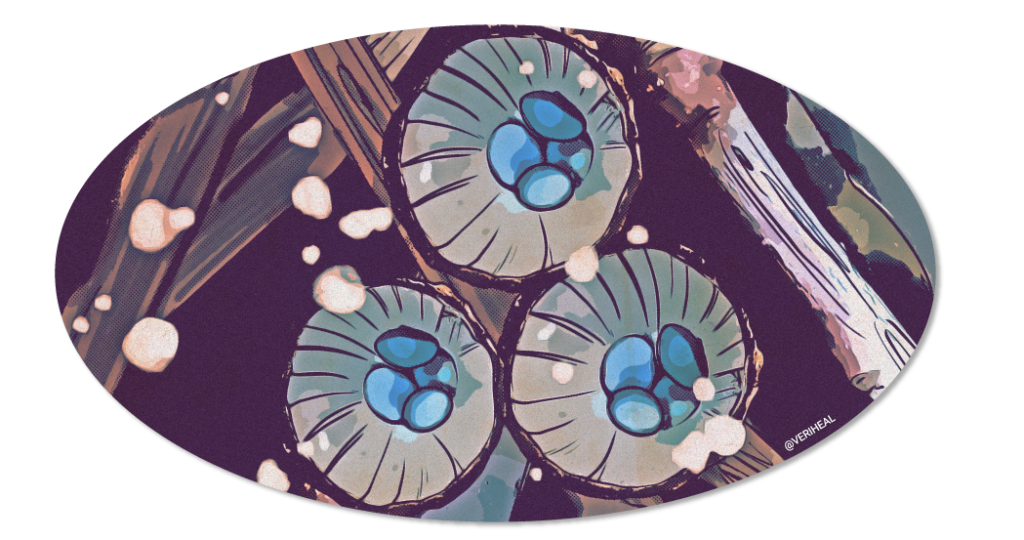
Researchers Waill Elkhateeb and Ghoson Daba explain that this group of mushrooms has been able to “produce many novel and potent secondary metabolites that exerted different bioactivities especially as antimicrobial, antitumor, and anti-neuro inflammation activities.” The fungi found on Cyathus are saprophytes, microorganisms that live on dead organic matter. They are most commonly seen during autumn but can also be found year-round in damp and shady locations.
In their study on bird’s nest fungi, Elkhateeb and Daba explain that the “anti-inflammatory, antimicrobial and antitumor compounds isolated from these mushrooms belong to different chemical classes including steroids, terpenes, polysaccharides, fatty acids, phenolic acids and other metabolites.” However, much like cannabis, they concluded that information on these mushrooms is still unclear and that further research and investigation are needed.
The treatment was developed by the biomedical company known as Cannabotech, while the study was led by Professor Faud Fares (a senior cancer researcher at the University of Haifa). The fungus was used based on the fact that it has been the subject of eight years of testing for anti-cancer properties, during which it demonstrated to have better anti-cancer results than most other fungi that were being tested.
According to PR Newswire, which reported the news from Cannabotech, the researchers made use of a cell model in order to experiment with their killer combo in order to see if it had any desirable effects on cancer cells—which it did. The cannabinoid and fungus extract duo was able to eliminate 100% of the pancreatic cancer cells in the model and it did so without damaging normal cells.
Since the Cyathus striatus fungus demonstrated better anti-cancer properties in comparison to other fungi, Fares was able to secure global and exclusive rights to use for patents he created. The professor began leading the study in an “accelerated process of developing a botanical drug as defined by the FDA.”
Cannabotech reported that the first milestone in the botanical drug development process was “defined as the adaptation of fungal growth and extraction methods to the FDA protocol for botanical drug development, which the company expects to be significantly cheaper and shorter than the development process of a standard ethical drug.” Then, the combination of the cannabinoid and fungal extract composition was examined.
The researchers were pleased to report that their cell model trial with the adapted extract was able to demonstrate five times higher anti-cancer efficacy than their original extract on top of “causing 100% mortality of pancreatic cancer cells.” They reported that they observed no damage to healthy cells in the model and that the cannabinoid extract was responsible for an 80% mortality of pancreatic cancer cells.
The team plans to complete the feasibility part of the study within 12 months (by mid-2023) and will then work with a large pharmaceutical company for its development. As part of their next milestone, the team plans to test both “the active mechanism of killing cancer cells by extracts and the combined anti-cancer efficacy of the fungus and cannabinoids together, in cells and animals.” The development of this revolutionary drug will be accompanied by Dr. Yitzhak Angel, who is a pharmacologist specializing in drug development with more than 35 years of experience.
There are many types of fatal cancers, but pancreatic cancer is one of the most aggressive, with a very low survival rate- contributing to very high rates of mortality. So having a potential treatment for this cancer creates heaps of possibilities for other forms too. Fares stated:
“I am happy that the collaboration with Cannabotech is bearing fruit and achieving very impressive results to strengthen the research we conducted at the University of Haifa in recent years. The fact that such impressive results have been obtained in cells that mimic a subtype of pancreatic cancer that is known to be highly aggressive, reinforces the assessment that anti-cancer activity will be effective in other subtypes of pancreatic cancer as well.”
Angel, the pharmacologist consultant for Cannabotech, stated that “developing a botanical drug is a challenging process and the results we have achieved are a real indication that the extracts are effective and safe to use as an anti-cancer treatment for pancreatic cancer. We still have a way to go to substantiate that expectation, but we have good hopes to deliver real news to patients and develop a concrete solution to one of the most aggressive cancers.”
Considering the number of lives claimed by cancer and the amount of cancer-causing risks that surround us each day, research like this provides hope and comfort for those with cancer as well as those who are at high risk of developing cancer. Not only is this potential cannabis cure botanical, but it is also shaping up to be a safer and less risky treatment—which is important considering the harsh side effects associated with current cancer treatments.
Samuel Smiles, a cancer patient, stated, “Hope is like the sun, which, as we journey toward it, casts the shadow of our burden behind it”—and this research is hope.
Cannabis contains many compounds such as Terpenes, and many Cannibaniods that we are just now starting to unlock their potential for medical use. Cultures around the globe have utilized Cannabis for thousands of years to treat all sorts of conditions and illness. Unfortunately, Cannabis had gained stigma due to political agendas and ignorance. I am glad that opinions are starting to change, safe Cannabis is becoming more available, and is finally getting the research it deserves. It holds great potential to cure, and improve the quality of life for so many people.
Having pancreatic cancer with very little time to leave knowing that before we are able to have a cure takes time I don’t understand why to cut short we can’t have access to it are they afraid we might DIE we are dying so please hurry
Sign up for our newsletter
Learn the process in your state
All Rights Reserved Veriheal Inc. ©
Terms Privacy Policy Advertising Agreement Content Disclamer


Get your medical marijuana card today
Sign up in under 5 minutes
Start By Selecting Your State
 Alabama
Alaska
Arizona
Arkansas
California
Colorado
Connecticut
Delaware
Florida
Georgia
Hawaii
Idaho
Illinois
Indiana
Iowa
Kansas
Kentucky
Louisiana
Maine
Maryland
Massachusetts
Michigan
Minnesota
Mississippi
Missouri
Montana
Nebraska
Nevada
New Hampshire
New Jersey
New Mexico
New York
North Carolina
North Dakota
Ohio
Oklahoma
Oregon
Pennsylvania
Rhode Island
South Carolina
South Dakota
Tennessee
Texas
Utah
Vermont
Virginia
Washington
West Virginia
Wisconsin
Wyoming
Puerto Rico
Alabama
Alaska
Arizona
Arkansas
California
Colorado
Connecticut
Delaware
Florida
Georgia
Hawaii
Idaho
Illinois
Indiana
Iowa
Kansas
Kentucky
Louisiana
Maine
Maryland
Massachusetts
Michigan
Minnesota
Mississippi
Missouri
Montana
Nebraska
Nevada
New Hampshire
New Jersey
New Mexico
New York
North Carolina
North Dakota
Ohio
Oklahoma
Oregon
Pennsylvania
Rhode Island
South Carolina
South Dakota
Tennessee
Texas
Utah
Vermont
Virginia
Washington
West Virginia
Wisconsin
Wyoming
Puerto Rico