Your medical cannabis journey simplified: find partnered dispensaries, explore pricing options, earn rewards, and get answers to FAQs, all in one spot.
February 3, 2026 02:06 pm ETEstimated Read Time: 5 Minutes
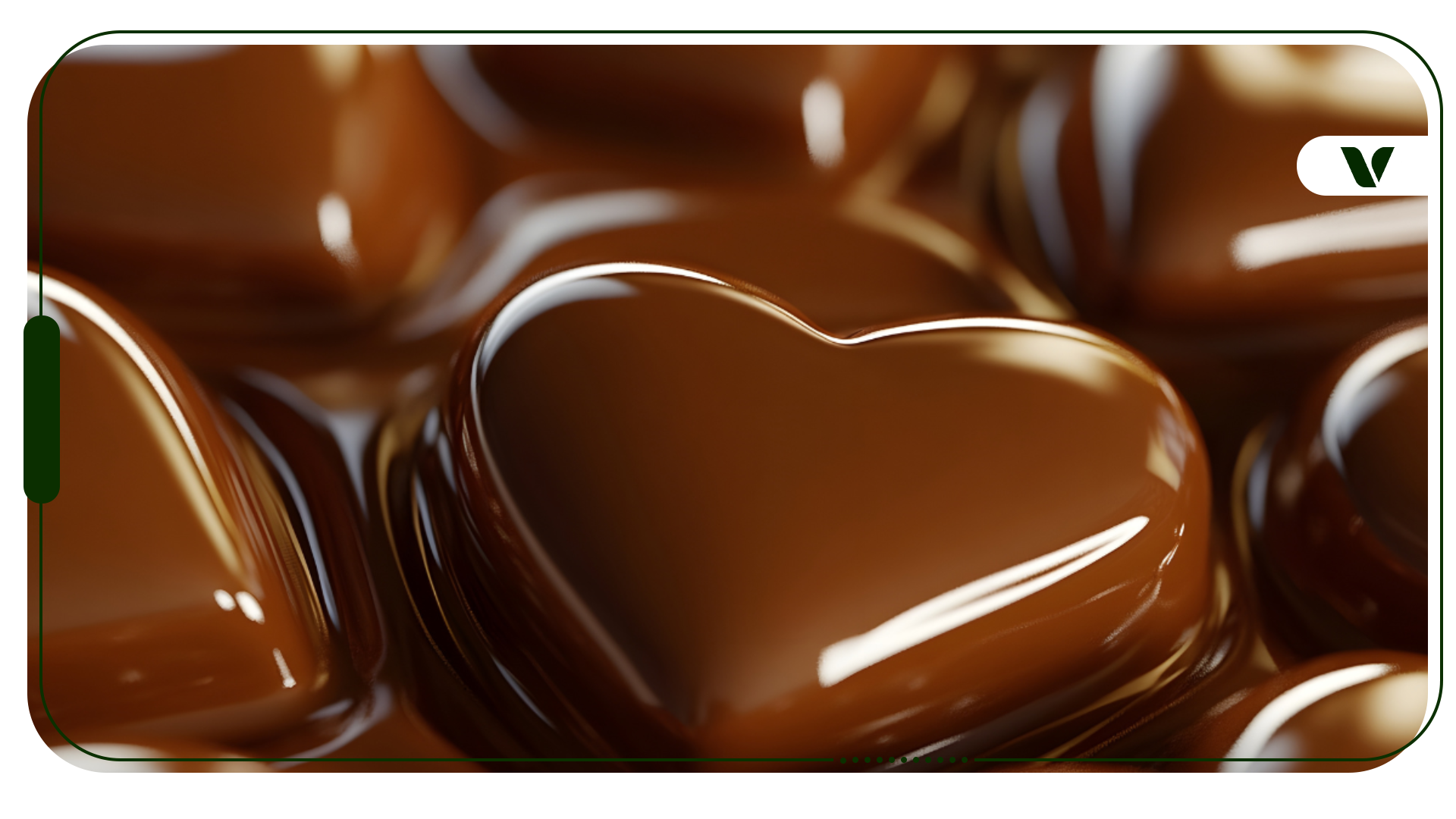
With Valentine’s coming up, we’re always looking for new and creative ways to impress our loved ones. Whether you have a special someone you want to celebrate or would rather use the holiday to spread gratitude to your loved ones, it’s always a good time to pull out the chocolate. And hey, there’s nothing wrong with making a batch for yourself this holiday, too. If you want to go the extra mile this Valentine’s Day, try this recipe for cannabis infused chocolates.
I’ve made homemade cannabis chocolates before with cannabutter. While they turned out delicious, the extra step of making cannabutter turned the process into much more of an ordeal than I had wanted. Because of the hassle, I’ve decided on an easier way to make homemade cannabis infused chocolates for Valentine’s Day: tinctures.
Tinctures are already infused with a precise dose of tetrahydrocannabinol (THC) or other cannabinoids. By using tinctures, you give yourself more freedom to experiment with the recipe and create the exact kind of treat your loved one will enjoy. For example, if your special someone likes a little bit of THC but gets paranoid easily, you can find a 2:1 cannabidiol (CBD) and THC ratio tincture and make the infused chocolates with that. With every bite, they can enjoy a little bit of THC with the protective effects of CBD.
On the other hand, if you have a loved one who never gets high enough from edibles, you can wow them with a super potent chocolate delight. Just add a high-potency tincture.
Tinctures are also great for this recipe because you can get a pretty accurate dosage per chocolate. By adding precise drops to each chocolate, you can know just how much THC or other cannabinoids are in each bite. With cannabutter, this is much more difficult and time-consuming to work out.
With all that said, let’s dive in and make cannabis infused chocolates for Valentine’s Day.
Cannabis Infused Chocolates: Ingredients and Supplies
1 cup of dark chocolate chips (feel free to swap for milk chocolate if you prefer
2 tsp of coconut oil
Bottle of your preferred cannabis tincture*
Optional flavor add-ins: 1 tsp of fruit extract (try strawberry or raspberry), 1 tsp of vanilla extract, 1 tsp of orange extract, or 1 tsp of almond extract are all great options (just don’t combine them all!)
*You can use just about any tincture, but be sure that the tincture is unflavored or a flavor that will match well with the chocolates. Many tinctures are made with additional flavorings to cover the earthy taste of weed, and many of the flavors are bad matches for chocolate.
See If You Qualify For Medical Marijuana -Select Your State!
Select Your State
Alabama
Alaska
Arizona
Arkansas
California
Colorado
Connecticut
Delaware
Florida
Georgia
Hawaii
Idaho
Illinois
Indiana
Iowa
Kansas
Kentucky
Louisiana
Maine
Maryland
Massachusetts
Michigan
Minnesota
Mississippi
Missouri
Montana
Nebraska
Nevada
New Hampshire
New Jersey
New Mexico
New York
North Carolina
North Dakota
Ohio
Oklahoma
Oregon
Pennsylvania
Rhode Island
South Carolina
South Dakota
Tennessee
Texas
Utah
Vermont
Virginia
Washington
West Virginia
Wisconsin
Wyoming
Never miss a post
Get updates on cannabis culture, new research, and expert insights
Supplies Needed:
Heat-safe bowl to melt the chocolate
Microwave (you can also use a double boiler if you want the highest quality melt)
Spoon or spatula
Baking sheet
Heart-shaped silicone molds (you can use other shapes, too)
Steps to Make Cannabis-Infused Chocolate Hearts
Once you’ve gathered all your supplies and ingredients, it’s time to get rolling. These chocolate hearts are quick and easy to make. If you are running late on a heartfelt gesture for that special someone, whipping up a batch of these infused hearts could easily save the day.
Here’s how to make them:
Put the chocolate chips and coconut oil in the microwaveable bowl
Microwave for 30 seconds
Stir
Repeat for 3-5 rounds until the chocolate is thin and completely melted
Stir in your preferred flavoring, if using
Place the silicone molds on a baking sheet
Fill each mold with the melted chocolate mixture
Add your desired amount of tincture to each mold and gently fold it in
Place the molds in your freezer for at least 30 minutes
Once the chocolate has set, you can serve the hearts at room temperature or chilled
*You can mix the entire tincture amount into your chocolate mixture to start, but I prefer to dose the chocolates individually. Since THC degrades at high temperatures, putting the chocolate in individual molds first allows a little extra time for the mixture to cool off.
Variations for Cannabis-Infused Chocolates
The above recipe is super simple, allowing plenty of room for creativity. If you feel like taking your chocolates to the next level, go ahead and get creative.
You could chop up and blend in some nuts for a chunky treat. Or you could top it off with sprinkles to add some color and Valentine’s charm. Coconut, coffee, dried fruit–all of these are great options to add to your infused chocolates, depending on the recipients’ preferences.
Because tinctures are so easy and versatile, you can take your infused chocolates in many directions. You can even use a few different types of tinctures for low, medium, and high potency options. Just be sure to label them properly.
To highlight just how much you care, you could even go for effect-specific tinctures that match your loved one’s needs. If you are making chocolates for someone with insomnia, you might opt for a sleep-formulated tincture. If your loved one struggles with daytime energy, you could use an energizing formulation that they can snack on when the urge for an afternoon nap hits.
The tincture bottle should give you a good idea of what to expect with your chocolates. Most tinctures take anywhere from 30 minutes to an hour to kick in when eaten like an edible. Be sure to start low and go slow when you first give them a try.
Be sure to store these in a relatively cool place if you have leftovers. If you live somewhere warm, you may want to store them in the fridge and take them out a few minutes before eating. Otherwise, they could easily melt and create a cannabis-infused mess.
Macey is a freelance writer from Seattle. She's covered the cannabis industry extensively, emphasizing the economic opportunities for Indigenous entrepreneurs. Her writing focuses on the people, stories, and labors of love behind every venture.
Anxiety is not explicitly listed as a qualifying condition for medical marijuana in Florida, but patients may qualify through the state’s comparable-condition provision. This guide explains physician eligibility assessments, required medical documentation, in-person evaluations, cannabis product considerations, application fees, and potential implications for firearm ownership.
Florida patients with chronic pain may qualify for a medical marijuana card through a recognized condition or the state’s comparable-condition provision. This guide explains eligibility for neuropathic, musculoskeletal, arthritic, and fibromyalgia-related pain, along with medical documentation, physician evaluations, cannabis product options, and employment considerations.
Getting a medical marijuana card in Georgia involves confirming eligibility, obtaining physician certification, and completing registration through the state’s medical cannabis program. This guide covers qualifying conditions, online applications, telehealth evaluations, registration fees, processing times, caregiver requirements, and the legal rights and restrictions affecting patients under Georgia’s updated 2026 laws.
Getting a medical marijuana card in New York primarily involves paying a practitioner certification fee, with no mandatory state registration charge. This guide breaks down Veriheal’s pricing, renewal costs, insurance considerations, potential discounts, telehealth evaluations, and how reduced medical cannabis taxes can help patients save money on dispensary purchases.
Getting a medical cannabis card in Minnesota involves practitioner certification but no state enrollment fee, making provider costs the main expense. This guide compares affordable telehealth and in-person options, veteran enrollment benefits, three-year renewal costs, and potential tax savings to help patients find the most cost-effective certification option.
The statements made regarding cannabis products on this website have not been evaluated by the Food and Drug Administration (FDA). Cannabis is not an FDA-approved substance and is still illegal under federal law. The information provided on this website is intended for educational purposes only and is not intended to diagnose, treat, cure, or prevent any disease. It is not intended as medical advice and should not be considered as a substitute for advice from a healthcare professional. We strongly recommend that you consult with a physician or other qualified healthcare provider before using any cannabis products. The use of any information provided on this website is solely at your own risk.