1-855-452-6224 (Customer Support Available 24/7)


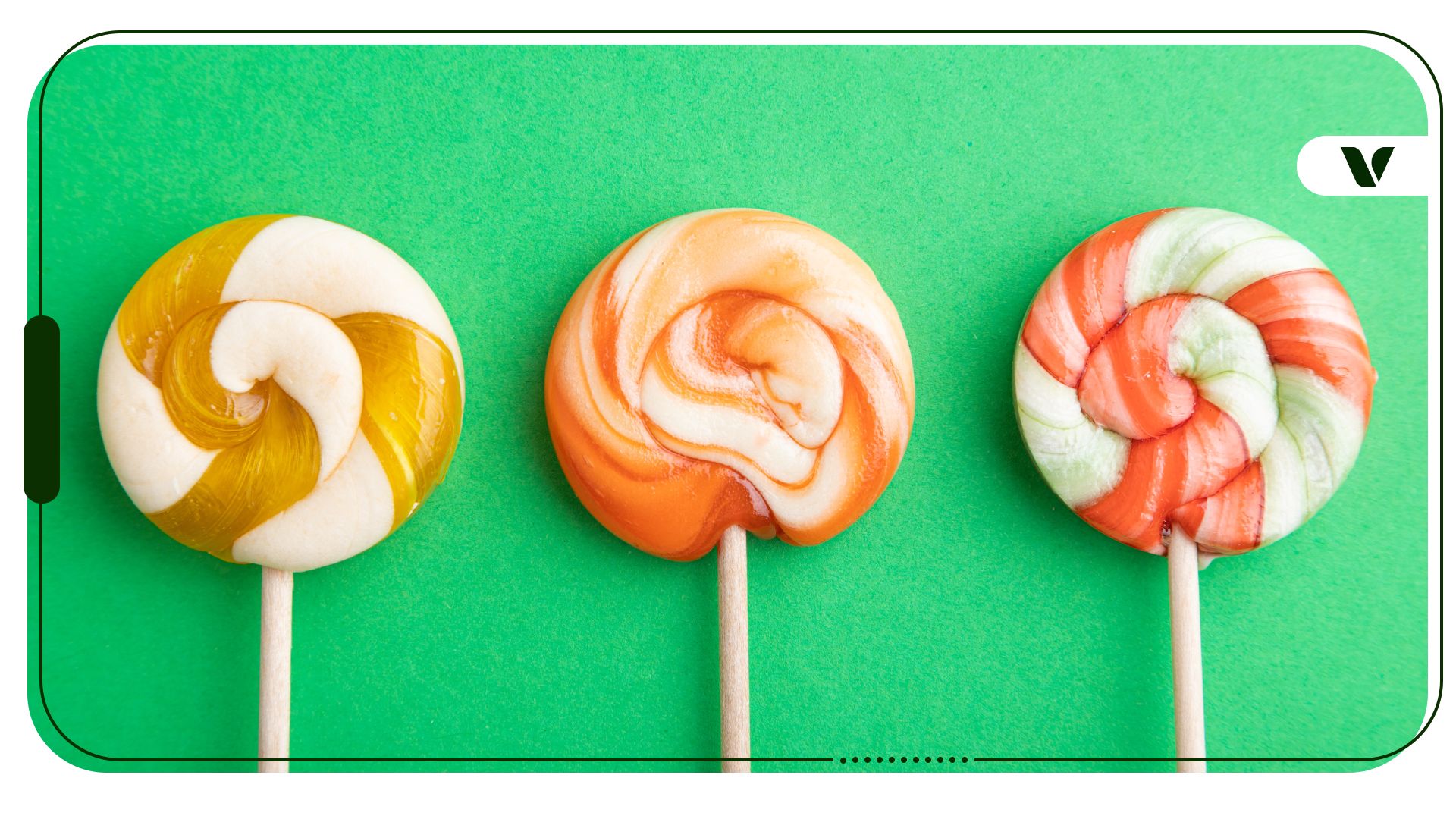
THC lollipops are one of the most approachable cannabis edibles you can make at home. With a handful of ingredients, basic candy-making equipment, and the right infusion technique, you can produce a full batch of hard candy lollipops with consistent flavor and controlled dosing.
The process follows the same logic as any hard candy recipe, with one critical difference: you are incorporating a heat-sensitive cannabinoid into a mixture that reaches extreme temperatures. Getting that step right is what separates a potent batch from a wasted one.
The type of infusion you use affects how the finished lollipop looks, feels, and holds up over time. The three most common options each behave differently in a hot sugar solution.
| Infusion Type | Texture Effect | Best For |
| Alcohol-based tincture | Flashes off quickly; minimal candy impact | Easiest to incorporate; best for beginners |
| Vegetable glycerin tincture | Hygroscopic; can make candy tacky in humidity | Works well in dry climates; wrap finished pieces immediately |
| Cannabis-infused oil or distillate | May cause slight cloudiness; requires continuous stirring | Best potency consistency; suits hard candies, gummies, and chocolates where precise dosing matters |
Whichever infusion you choose, it must be added after the sugar mixture has cooled below the hard crack threshold. The section below explains exactly when.
Before you begin, make sure your cannabis infusion is ready. If you are starting from raw flower rather than a store-bought tincture, you will need to complete decarboxylation first. Skipping that step means the tetrahydrocannabinol (THC) in your flower has not been activated, and the finished candy will have little to no effect.
Knowing how your recent food intake may influence edible onset is useful context, but before that question becomes relevant, you need to know how much THC is actually in each piece. The formula is straightforward.
(mg of THC per mL × mL of tincture used) ÷ number of molds = mg THC per lollipop
Here is a worked example using 2 tablespoons (approximately 30 mL) of a 10 mg/mL tincture poured into 18 molds:
| Variable | Example Value |
| THC concentration | 10 mg/mL |
| Volume of tincture used | 30 mL |
| Total THC in batch | 300 mg |
| Number of molds | 18 |
| Estimated THC per lollipop | ~16.7 mg |
One caveat applies to every home batch: cannabinoids in a hot sugar mixture do not distribute with perfect evenness across all molds, especially if stirring was uneven before pouring. Piece-to-piece potency can vary as a result. For that reason, start with one lollipop and wait the full onset window before consuming more.
How long an edible high lasts depends on factors including your tolerance, body weight, and whether you have eaten recently, so patience matters more here than with most other consumption methods.
Hard candy is hygroscopic, meaning it draws moisture from the air and becomes sticky over time. That stickiness is accelerated if your infusion contained vegetable glycerin. Proper storage prevents the texture from deteriorating and slows cannabinoid oxidation, which degrades potency through a separate mechanism from the physical candy breaking down.
Wrap each lollipop individually in cellophane twist wrappers as soon as the candy has fully set. Individual wrapping prevents moisture transfer between pieces and slows oxidation at the surface. Place wrapped lollipops in a sealed tin or glass jar rather than a plastic bag, and store in a cool, dark location.
Under those conditions, hard candy lollipops typically hold their texture and potency for four to eight weeks. If you notice stickiness developing despite proper wrapping, adding a food-safe silica packet to the storage container helps maintain a dry environment.
Applying gentle heat to re-dry sticky THC lollipops is not recommended because of the same thermal degradation risk described in the recipe steps above. To learn more about whether your stored batch has expired, see research on the stability of cannabis preparations on storage.
THC lollipops come together with minimal ingredients and a process that most home cooks can manage on a first attempt. The steps that separate a successful batch from a failed one are temperature control at the infusion stage, an accurate candy thermometer throughout cooking, and realistic dosage math before you consume.
Start low, especially if this is your first homemade edible batch. Individual piece potency can vary, and edibles absorb differently depending on your metabolism and food intake at the time of consumption.
If you are making these lollipops for medical cannabis reasons and want guidance on dosing, access, or whether cannabis is an option for your condition, speak with a qualified cannabis physician before proceeding.
Note: The content on this page is for informational purposes only and is not intended to be professional medical advice. Do not attempt to self-diagnose or prescribe treatment based on the information provided. Always consult a physician before making any decision on the treatment of a medical condition.
Note: Veriheal does not support illegally consuming therapeutic substances such as cannabis but acknowledges that it transpires because of the current illicit status, which we strive to change by advocating for research, legal access, and responsible consumption. Always consult a physician before attempting alternative therapies.
For most people new to THC edibles, one lollipop is the right starting point. Edible onset typically takes 30 minutes to two hours depending on metabolism and recent food intake, so waiting the full window before consuming more reduces the risk of unintentional overconsumption.
Cannabutter can be used in place of tincture, though oil-based infusions require continuous stirring during the addition step to prevent separation. Melt the cannabutter fully and add it during the same cooling window described in the recipe, at approximately 250 to 260°F.
Hard candy and sublingual edibles such as lollipops tend to produce faster onset than baked goods because cannabinoids absorb partially through the mucous membranes while the candy dissolves. Onset is generally quicker than with brownies or gummies, though effects still vary by individual.
For someone without established edible tolerance, 20 mg of THC is considered a moderate to high dose. Most first-time edible consumers are advised to start at 2.5 to 5 mg and wait for the full onset window before assessing effects.
THC lollipops typically begin to produce effects within 30 minutes to two hours. Partial sublingual absorption during consumption may shorten onset slightly compared to swallowed edibles, but the full effect often peaks one to three hours after consumption.
Can I use the distillate? The liquid in the syringes? Anxiously awaiting ur response! Thx!
Easy recipe, Thank you.
My candy did not get hard it’s more like a soft sticky toffee. Not sure what to do different? Maybe I didn’t get the temperature truly up to 300, would that have been the problem?
Sign up for our newsletter
Learn the process in your state
All Rights Reserved Veriheal Inc. ©
Terms Privacy Policy Advertising Agreement Content Disclamer


Get your medical marijuana card today
Sign up in under 5 minutes
Start By Selecting Your State
 Alabama
Alaska
Arizona
Arkansas
California
Colorado
Connecticut
Delaware
Florida
Georgia
Hawaii
Idaho
Illinois
Indiana
Iowa
Kansas
Kentucky
Louisiana
Maine
Maryland
Massachusetts
Michigan
Minnesota
Mississippi
Missouri
Montana
Nebraska
Nevada
New Hampshire
New Jersey
New Mexico
New York
North Carolina
North Dakota
Ohio
Oklahoma
Oregon
Pennsylvania
Rhode Island
South Carolina
South Dakota
Tennessee
Texas
Utah
Vermont
Virginia
Washington
West Virginia
Wisconsin
Wyoming
Puerto Rico
Alabama
Alaska
Arizona
Arkansas
California
Colorado
Connecticut
Delaware
Florida
Georgia
Hawaii
Idaho
Illinois
Indiana
Iowa
Kansas
Kentucky
Louisiana
Maine
Maryland
Massachusetts
Michigan
Minnesota
Mississippi
Missouri
Montana
Nebraska
Nevada
New Hampshire
New Jersey
New Mexico
New York
North Carolina
North Dakota
Ohio
Oklahoma
Oregon
Pennsylvania
Rhode Island
South Carolina
South Dakota
Tennessee
Texas
Utah
Vermont
Virginia
Washington
West Virginia
Wisconsin
Wyoming
Puerto Rico