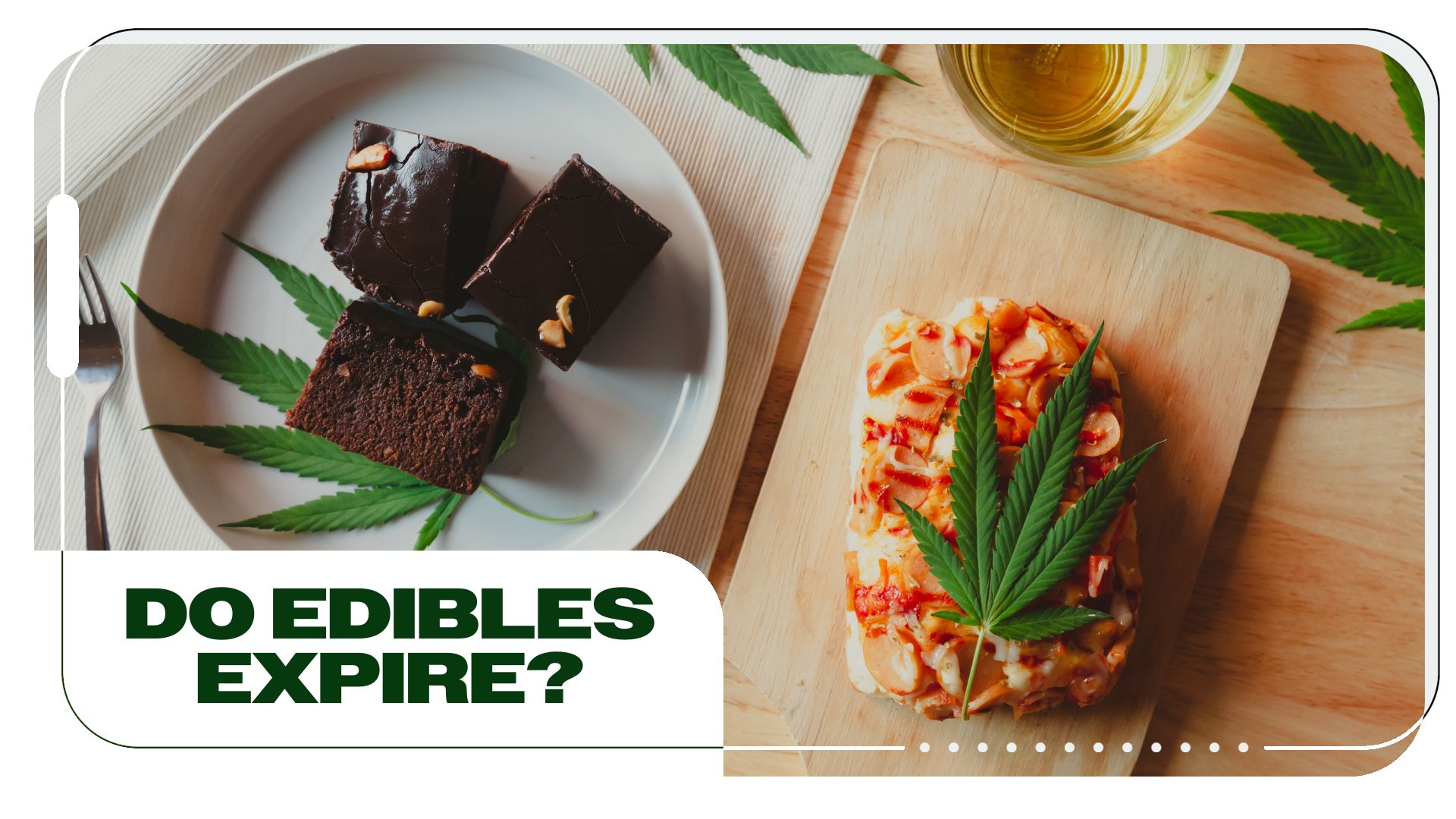
Edibles do expire. Most cannabis gummies and chocolates stay usable for 6–12 months; baked goods made with butter or dairy can spoil faster. How long yours last depends on the ingredients, storage conditions, and whether the package has been opened.
What Are Edibles?
Cannabis edibles are essentially any ingestible product that has been infused with cannabinoids like THC and CBD. Unlike cannabis products that are smoked or vaporized (e.g., flower, concentrates), edibles are swallowed and processed by the body’s digestive system.
Thanks to the liver’s conversion of THC to hydroxy-11-THC, edibles offer more intense and long-lasting effects compared to other consumption methods. Starting with a low dose helps you avoid an unexpectedly strong experience. Aside from the strong effects they bring, many cannabis consumers choose edibles to avoid the risks involved with smoking.
How Long Do Edibles Last?
Most edibles stay at their best within one year of production. Both the food ingredients and the THC content degrade over time, so older edibles may feel weaker even if they look fine. Dispensary-purchased edibles include an expiration date on the packaging; that date is the most reliable guide to freshness.
Are Expired Edibles Safe to Eat?
Consuming expired edibles is usually safe, though the experience may change. You might notice lower potency, altered flavors, and changes in texture. THC levels drop over time, sometimes by up to 16% after a year in typical storage conditions.
You may still feel effects, but they can feel weaker or inconsistent. This matters if you rely on edibles for steady relief or predictable dosing. CBD levels also decline, which can affect therapeutic use.
Food safety depends on the ingredients. Edibles made with butter, dairy, or eggs can spoil like any perishable item. Mold is a primary concern, particularly in baked goods. Look for visible spots, sour smells, or a soft, damp texture as signs of spoilage.
Packaged edibles like gummies and hard candies tend to last longer due to low moisture content, which limits bacterial growth. However, heat, light, and air exposure can still reduce quality over time.
For a closer look at gummies specifically, see our guide on edible expiration.
How to Store Edibles to Maximize Shelf Life
Storage plays a direct role in how long your edibles keep their quality. You can slow down potency loss and protect flavor by limiting exposure to air, heat, and light.
A stable environment helps maintain both texture and effectiveness. Edibles stored in controlled conditions can retain most of their potency for up to 12 months.
Here are storage options that help preserve your edibles:
- Airtight glass containers help reduce oxygen exposure and protect cannabinoid content.
- Cool and dark spaces, such as cabinets or drawers, help limit heat and light damage.
- Refrigeration helps extend shelf life for items made with butter, dairy, or eggs.
- Freezer storage helps preserve edibles for longer periods without major potency loss.
- Humidity control around 55 to 62 percent helps maintain texture and reduce mold risk.
- Original packaging with sealed labels helps track freshness and expiration timelines.
You may notice changes in texture if storage conditions vary. The same principles apply to dried flower. Read our guide on how to properly store cannabis flower for a full breakdown.
Final Takeaways
Edibles have a clear shelf life, and that timeline depends on what goes into them. Products with higher sugar content tend to hold their form longer, while items made with butter or dairy break down faster due to spoilage risk.
Storage conditions shape how well your edibles hold up over time. Stable environments help preserve both structure and cannabinoid content, which supports a more consistent experience.
If you rely on edibles for medical use, a licensed doctor can help you choose options that meet your needs and comply with local guidelines. Find a doctor today on Veriheal.
Frequently Asked Questions
How long do edibles last for expiration?
Edibles generally last up to a year if stored properly. However, their potency may decrease after six months. Always check for signs of spoilage before consuming.
Are edibles good after 6 months?
Yes, most edibles are still good after six months if stored correctly. However, their freshness and potency may start to diminish slightly.
How long do gummy edibles last in the freezer?
Gummy edibles can last up to a year or more in the freezer without losing potency. Freezing them preserves both their flavor and texture.
How do you store edibles long-term?
For long-term storage, keep edibles in airtight containers in a cool, dry place. Freezing is also an effective way to store edibles like gummies and baked goods for extended periods.
Author, Share & Comments