Your medical cannabis journey simplified: find partnered dispensaries, explore pricing options, earn rewards, and get answers to FAQs, all in one spot.
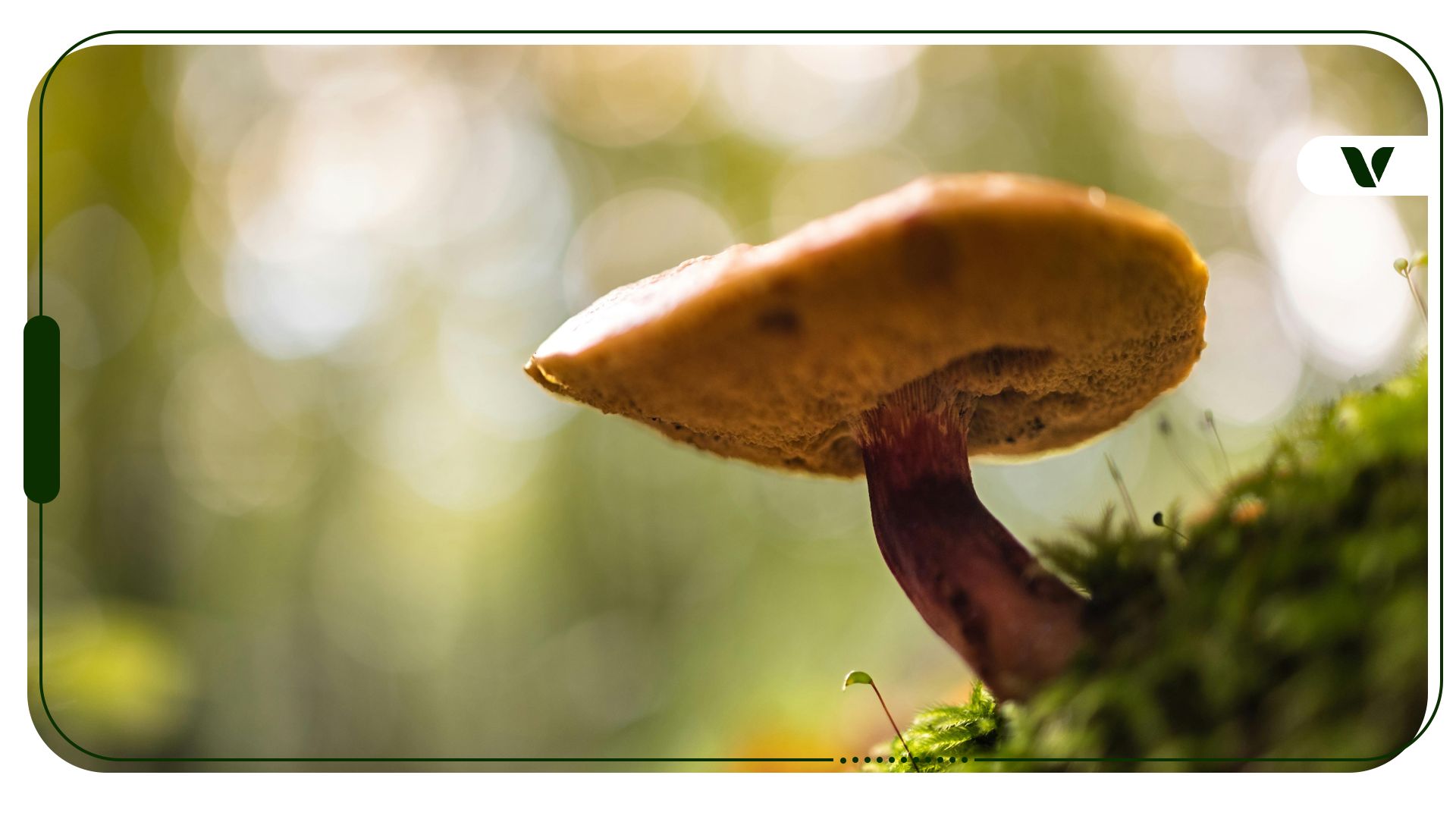
Researchers have steadily advanced the field of psychedelic-assisted therapy over the last decade or two. This incremental push partially results from clinical studies that have shown substances like magic mushrooms and their active ingredient, psilocybin, to have the potential to help treat a variety of mental health issues.
Voters in Colorado have again broken new ground with their passage of Proposition 122–now known as the Natural Medicine Health Act–during the 2022 election. This act is significant for making the cultivation, possession, and usage of natural medicines like psilocybin, DMT, ibogaine, and mescaline legal in the state. This passage also spurred the development of an eagerly anticipated psychedelic-assisted therapy industry, now ready to see its very first patients very soon. How this industry operates and succeeds will be a bellwether for future states to adopt similar programs.
What Does the Colorado Law Legalize Specifically?
Photo Credit: Wikipedia
Colorado law does not allow retail sales of psilocybin, unlike cannabis, which can be sold both recreationally and medically in the state. But it allows adults 21 and older to grow, use, and share psychedelic mushrooms for personal use. Colorado, of course, made headlines back in 2012 when voters passed the nation’s first adult-use and recreational marijuana program. Here are some of the guidelines found on the state’s Natural Medicine Division website:
Unlike that historic adult-use passage, Proposition 122 does not allow for recreational or medical sales of psilocybin mushrooms, DMT, ibogaine, and mescaline.
It does, however, allow for anyone 21 and over to grow, use, and share psychedelic mushrooms, DMT, and mescaline legally.
There is no possession limit for psilocybin, DMT, and mescaline for personal use.
You can grow cannabis at home, but only within a designated 12’ x 12’ space.
You’re allowed to share cannabis as long as it’s done for counseling, spiritual guidance, or within a community-oriented setting.
You can’t sell psilocybin, use it in public, or display it openly.
Colorado Natural Medicine Division License Types
Colorado’s Natural Medicine Advisory Board has hammered out the licensing details for the emerging psychedelic-assisted therapy industry it supports since passage three years ago. The Colorado Department of Revenue has designated the Natural Medicine Division to license and regulate businesses that offer psilocybin-assisted therapy. There are five different types of licenses available to applicants for psilocybin-assisted therapy.
Healing
Applicants must obtain a natural medicine handler license to operate their healing center locations legally. Once licensed, healing centers may keep up to 10g of dried mushrooms on-site at any given time. Micro-healing center licenses are also available for already existing wellness and therapy centers that wish to integrate psychedelic-assisted therapy into their services offered.
Cultivation
All of those mushrooms aren’t going to grow themselves, so over time, there will need to be a multitude of cultivators to provide the mushrooms themselves to healing centers and therapists. There are two types of licenses available to potential cultivators–a standard tier license allows for 5kg of dried mushrooms to be on site, while a micro tier license permits 750g at a time.
Manufacturing
Manufacturers are responsible for creating products from the mushrooms themselves, similar to what extractors do for cannabis edibles and concentrates. Extraction endorsement licenses are mandatory for potential licensees to produce pressed tablets, chocolates, gummies, and tinctures. Tea bags and capsule production don’t require an extraction endorsement license.
Testing
A reliable testing framework is already in place for R&D testing firms that work in the state’s recreational and medical cannabis programs. These companies will only need to apply for a license to test natural medicine that’s produced specifically by state-licensed cultivators and not for personal use, psilocybin.
Facilitator & Handlers
Potential healers specializing in natural medicine are a huge part of psychedelic-assisted therapy. These people are recognized as facilitators according to the program guidelines and must undergo a vigorous facilitator training program certified by the state.
Handlers are anyone who works in any of the above roles and physically handles any psilocybin products at any point in the process. Licenses for facilitators and handlers of natural medicine are issued by the Department of Regulatory Agencies.
Owners
Owners of natural medicine therapy locations must apply for an owner’s license to operate their businesses legally in Colorado. This license type provides the same access as a Natural Medicine Handler license, which is not additionally required when an applicant already holds an owner’s license. Owners can also have a vested interest in five locations in total, while hybrid owner-facilitator licenses are also an option.
See If You Qualify For Medical Marijuana -Select Your State!
Select Your State
Alabama
Alaska
Arizona
Arkansas
California
Colorado
Connecticut
Delaware
Florida
Georgia
Hawaii
Idaho
Illinois
Indiana
Iowa
Kansas
Kentucky
Louisiana
Maine
Maryland
Massachusetts
Michigan
Minnesota
Mississippi
Missouri
Montana
Nebraska
Nevada
New Hampshire
New Jersey
New Mexico
New York
North Carolina
North Dakota
Ohio
Oklahoma
Oregon
Pennsylvania
Rhode Island
South Carolina
South Dakota
Tennessee
Texas
Utah
Vermont
Virginia
Washington
West Virginia
Wisconsin
Wyoming
Never miss a post
Get updates on cannabis culture, new research, and expert insights
How Does Colorado’s Natural Medicine Program Compare to Oregon’s?
Colorado takes first place in history for its adult-use cannabis program, but when it comes to psilocybin health services, Oregon takes the cake. Voters in Oregon passed Measure 109 via the ballot box in 2020, marking the first time any state allowed licensed providers to use psilocybin in a therapy setting for people 21 and over.
This undertaking paved the way for Oregon’s current Psilocybin Services Act, which only provides for psilocybin during treatment, compared to Colorado’s plan to eventually roll the program out to other psychedelics like DMT, mescaline, and ibogaine. Also, Oregon’s Psilocybin Services Act currently only decriminalizes minor possession of psilocybin, whereas Colorado has allowed for complete legal personal use possession with no limits for adults 21 and over.
No Prescriptions or PhD Needed for Treatment
Oregon and Colorado do not require a prescription from a medical professional for eligibility for psychedelic-assisted therapy, however, there are several steps in the process. These include an initial health screening, preparation and support plans, administration of the psychedelics themselves, and a follow-up integration session between facilitator and patient.
Anyone seeking to be a hands-on facilitator therapist in either state can do so without a clinical license. Both states require enrollment in a state-sponsored curriculum training program, however, Colorado has some additional training, practicum, and continued education requirements.
Healing Center Designations in Colorado and Oregon
Doctors’ offices and wellness centers in Colorado can host psychedelic-assisted therapy sessions. These locations must securely store psilocybin when not in use, especially if they also offer traditional treatments during other hours.
Existing wellness and therapy centers can apply for a micro-healing center license that can integrate psychedelic-assisted therapy into their offerings for their patients. Traditional wellness and therapy centers in Oregon aren’t fortunate enough to have the same flexibility. Therapy can also take place at authorized homes and care facilities outside of licensed healing centers in Colorado for anyone with an approved disability or who may be in hospice.
The Center Origin Denver to Begin Psilocybin Assisted Therapy
Photo Credit: KXAN
Colorado’s first designated psilocybin-assisted therapy center is getting lots of attention lately. The Center Origin in Denver, a yoga and wellness studio since 2023, is now ready to begin administering psilocybin therapy sessions as soon as the first batch receives approval.
The Center Origin will start with 10 patients a month, according to its CEO and co-founder, Elizabeth Cooke, in a recent interview. The company will then see how successful things go first before expanding its pool of patients. Guided trips with psilocybin and a licensed facilitator will integrate facets of yoga, massage, sound therapy, meditation, and aromatherapy to enhance and personalize experiences. Cooke also mentioned in the interview that prospective patients can expect to pay $3,500 for a full therapy plan, plus the cost of the psilocybin.
What Does A Psilocybin-Assisted Healing Center Mean for the Future of Psychedelic Therapy?
Psychedelic endeavors like what patients will experience at the Center Origin and many other subsequent healing centers in Colorado can dictate the future of this type of therapy. Colorado boasts a larger population sample than Oregon, featuring considerable demographics of both wellness and psychedelic advocates.
The hope is that, just like the Centennial State’s historic adult-use adoption, more states will see that safe access coupled with legitimate professional support is a reality for this type of therapy and will begin their own programs. Establishing those important factors can give people more choices than just relying on pharmaceuticals for conditions like PTSD, addiction, and depression, and may lead to a better quality of life without the long list of side effects.
Anthony DiMeo is a Southern New Jersey-based journalist and cannabis advocate whose work and advocacy have been featured in Leafly, DOPE Magazine, and the Philadelphia Inquirer. Hobbies include navigating interdimensional psychedelic energy vortexes and tennis.
Oklahoma’s advertised $25 medical marijuana card renewal covers the physician evaluation, but patients must also pay a separate OMMA license fee. This guide explains the full renewal cost, reduced-fee eligibility, required documents, online renewal steps, processing times, and the new physician recommendation requirement.
An Oklahoma medical marijuana card provides legal protection under state law, but it can still affect employment, commercial driving, firearms, privacy, and federally regulated situations. This guide explains the main consequences to consider before applying, including workplace drug testing, CDL rules, insurance, housing, and registry privacy.
Getting a medical marijuana card in Oklahoma can be completed online, with no specific qualifying condition required for adult applicants. This guide covers eligibility, telehealth evaluations, required documents, OMMA application steps, fees, processing times, and what patients can do once approved.
Oklahoma’s medical-only dispensary market gives licensed patients access to a wide range of cannabis products, but every purchase must follow OMMA rules. This guide explains how to find licensed dispensaries, what identification to bring, purchase and possession limits, product testing, pricing, and what to expect during a visit.
A same-day telehealth appointment in Oklahoma can get you a physician recommendation quickly, but OMMA still needs to process your medical marijuana license application. This guide explains the timeline, required documents, costs, and when you can legally visit a dispensary while waiting for the physical card.
The statements made regarding cannabis products on this website have not been evaluated by the Food and Drug Administration (FDA). Cannabis is not an FDA-approved substance and is still illegal under federal law. The information provided on this website is intended for educational purposes only and is not intended to diagnose, treat, cure, or prevent any disease. It is not intended as medical advice and should not be considered as a substitute for advice from a healthcare professional. We strongly recommend that you consult with a physician or other qualified healthcare provider before using any cannabis products. The use of any information provided on this website is solely at your own risk.