1-855-452-6224 (Customer Support Available 24/7)

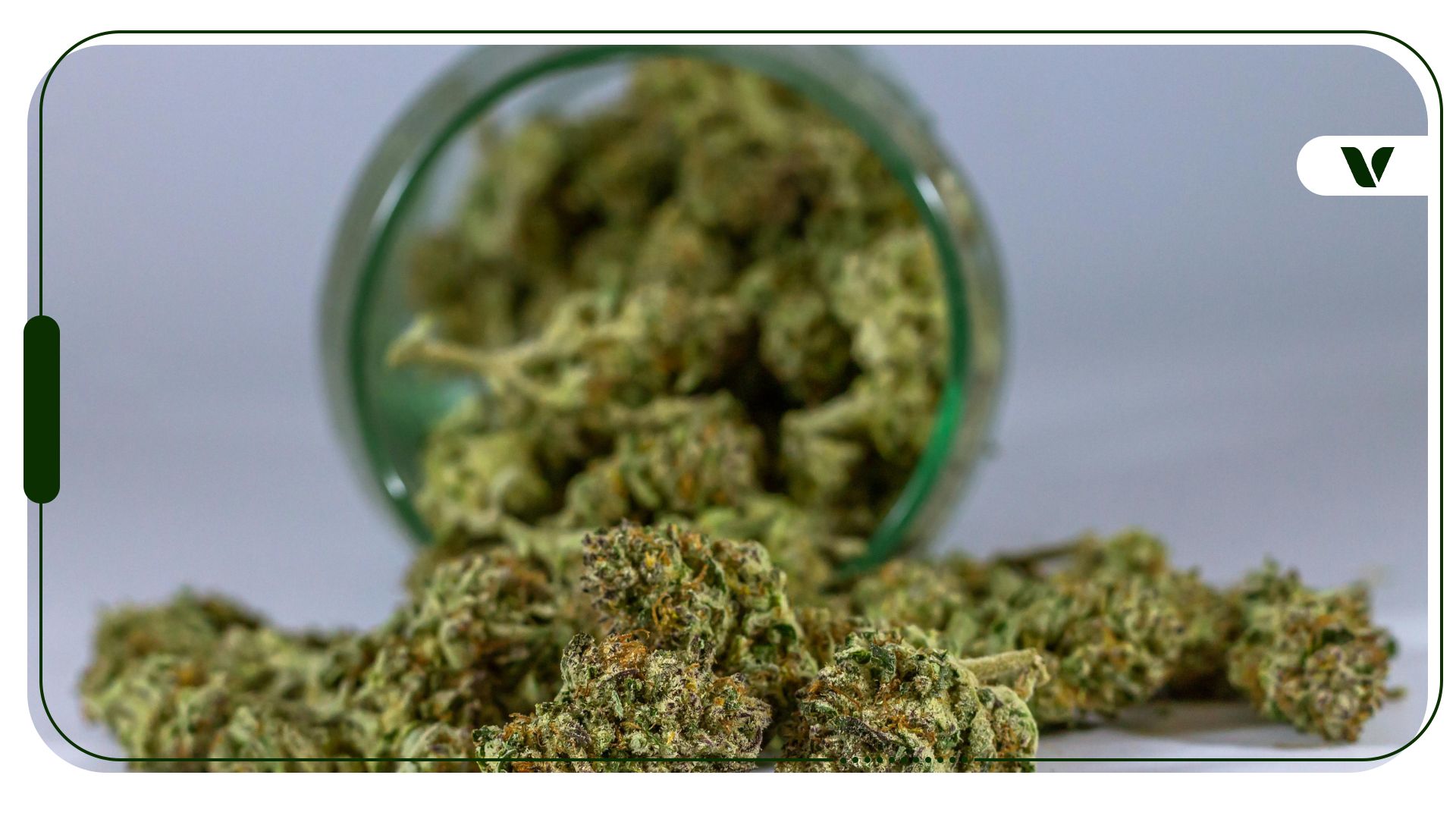
Candy strains are cannabis varieties bred to emphasize sweet, dessert-like flavors through specific terpene profiles, primarily limonene, myrcene, and linalool. These strains have become incredibly popular because they offer the potency experienced users expect while delivering flavors that appeal to newcomers and connoisseurs alike.
The sweetness comes from careful breeding programs that select for specific terpenes rather than artificial flavoring. You can find candy strains across the indica and sativa spectrum, from sedating candy kush varieties to energetic fruity sativas that taste like actual desserts.
Candy strains are cannabis varieties specifically bred to produce sweet, dessert-like flavors through their natural terpene profiles. Unlike artificially flavored products, these strains develop their sweetness through selective breeding that emphasizes terpenes like limonene, myrcene, and linalool.
Three main characteristics define authentic candy strains:
The term “dessert cannabis” encompasses a broader category that includes candy strains but also covers creamy, vanilla-forward varieties and baked goods-inspired strains. What separates candy strains from other dessert cannabis is their emphasis on fruit-forward sweetness rather than rich, heavy flavors.
Candy kush strains represent a specific subset of sweet cannabis that combines the sedating effects of traditional kush genetics with dessert-like flavors. These strains typically lean indica-dominant and produce more relaxing effects than their fruity sativa counterparts.
The key differences become clear when you compare the three main sweet cannabis categories:
| Category | Effects Profile | Dominant Terpenes | Example Strains |
| Candy Kush | Sedating, body-heavy | Myrcene, caryophyllene | Zkittlez Kush, Candy Kush |
| Fruity Sativas | Energetic, cerebral | Limonene, pinene | Runtz, Lemon Cherry Gelato |
| Creamy Hybrids | Balanced, euphoric | Linalool, myrcene | Gelato, Ice Cream Cake |
Candy kush strains appeal to indica lovers who want sweetness without sacrificing the heavy, relaxing effects they expect from kush genetics. The earthy undertones from caryophyllene balance the sweetness, creating a more complex flavor profile than purely fruity strains.
The sweetness in candy strains comes from specific terpenes that interact to create dessert-like flavor profiles. Breeding programs select for these compounds rather than relying on artificial additives, which means the flavors develop naturally during the plant’s growth cycle.
Four primary terpenes drive the sweet flavors you taste in candy strains:
| Terpene | Flavor Profile | Example Strains |
| Limonene | Citrus sweetness, bright and zesty | Lemon Cherry Gelato |
| Myrcene | Fruity sweetness, grape-like | Purple Punch, Grape Ape |
| Linalool | Floral sweetness, vanilla notes | Lavender Kush, Zkittlez |
| Caryophyllene | Spicy-sweet, cinnamon-like | Girl Scout Cookies, Wedding Cake |
These terpenes work synergistically through what researchers call the entourage effect. When limonene combines with myrcene, you get the bright fruit flavors found in strains like Runtz strain. When linalool pairs with caryophyllene, the result is the creamy, spicy sweetness of Gelato strain.
The concentration and ratio of these terpenes determine whether a strain tastes like citrus candy, berry desserts, or vanilla treats. Breeding programs manipulate these ratios across multiple generations to achieve specific flavor targets.
The most sought-after candy strains balance exceptional flavor with reliable effects that work for both recreational enjoyment and therapeutic use. These varieties have proven themselves in dispensaries nationwide and represent the gold standard for sweet cannabis.
This indica-dominant hybrid combines Thin Mint Girl Scout Cookies with Sunset Sherbet genetics to produce THC levels between 20-25%. The dominant terpenes include limonene and caryophyllene, creating a creamy vanilla flavor with citrus undertones.
Gelato produces balanced euphoric effects that users describe as uplifting without being overwhelming. The strain works well for evening relaxation while maintaining enough mental clarity for social activities.
Originally bred from Zkittlez and Gelato genetics, Runtz typically tests between 22-28% THC with high myrcene and limonene content. The flavor profile mirrors tropical fruit candy with sweet berry notes.
This balanced hybrid provides euphoric head effects paired with gentle body relaxation. Users report enhanced creativity and mood elevation, making it popular for artistic activities and stress relief.
A cross between Wedding Cake and Gelato #33, this indica-leaning strain averages 20-24% THC. The terpene profile emphasizes caryophyllene and linalool, producing vanilla and spicy-sweet flavors.
Ice Cream Cake delivers potent physical relaxation with mild cerebral effects. The strain works well for evening use and has gained popularity among users seeking pain relief and sleep support.
Dessert strains inspired by frozen treats and baked goods represent some of the most popular candy varieties available in dispensaries today. These strains emphasize creamy, rich flavors that mirror their dessert namesakes.
The frozen treat category includes strains like Sherbet, Sorbet, and various ice cream-inspired varieties. These typically feature citrus-forward terpene profiles with creamy undertones that create cooling, refreshing effects on the palate.
Cake-inspired strains focus on rich, sweet flavors with vanilla and spice notes. Wedding Cake, Birthday Cake, and Pound Cake exemplify this category, often featuring caryophyllene and linalool terpenes that produce warm, comforting flavors alongside relaxing effects.
Fruity cannabis strains divide into several distinct categories based on their flavor profiles and genetic backgrounds. Understanding these categories helps you choose strains that match your taste preferences and desired effects.
Tropical Fruit Strains emphasize bright, citrusy flavors through high limonene content. Varieties like Pineapple Express and Mango Haze deliver energetic, cerebral effects alongside their fruit-forward taste profiles.
Berry Strains feature deep, sweet flavors from myrcene and anthocyanin compounds that also create purple coloration. Blueberry, Strawberry Cough, and Purple Punch represent classic examples that often lean toward relaxing effects.
Citrus Candy Strains combine multiple fruit terpenes to create complex sweet-and-sour profiles. Zkittlez, Skittles, and similar varieties attempt to replicate actual candy flavors through careful terpene manipulation.
These categories often overlap, with modern breeding programs creating strains that incorporate elements from multiple fruit flavor profiles. The best hybrid strains frequently combine fruit genetics to achieve unique flavor combinations.
Selecting the ideal candy strain requires matching your taste preferences with your desired effects and consumption method. The sweetness level, terpene profile, and THC content all influence your overall experience.
Shopping Tips:
Cultivation Factors for Maximum Sweetness:
Storage Guidance: Sweet strains maintain their flavor best in airtight glass containers stored below 70°F. Exposure to heat and light degrades the terpenes responsible for candy flavors, typically reducing sweetness within 6-8 weeks of improper storage.
Successfully cultivating candy strains requires attention to factors that maximize terpene production and preserve the sweet flavors these varieties are known for. Environmental conditions during flowering significantly impact final flavor profiles.
Key Growing Factors:
Selection Criteria When Shopping:
Proper storage maintains candy strain flavors for 6-12 months when kept in airtight containers away from light and heat. Vacuum sealing can extend this period but may compress trichomes and reduce overall quality.
The popularity of candy strains continues growing as breeding programs develop increasingly sophisticated approaches to flavor manipulation. New varieties appearing in dispensaries push the boundaries of what cannabis can taste like while maintaining the potency levels experienced users expect.
Recent developments include strains that replicate specific dessert brands and seasonal flavors. Breeders are experimenting with rare terpene combinations to create novel flavor experiences that distinguish their products in competitive markets.
The medical cannabis community has embraced sweet strains as gateway varieties for patients who find traditional cannabis flavors unpalatable. This acceptance has driven research into terpene effects on treatment outcomes, potentially expanding therapeutic applications.
Future breeding efforts focus on stabilizing sweet traits across multiple phenotypes and developing strains with specific terpene ratios for targeted effects. As legalization expands, expect candy strains to play an increasingly important role in introducing cannabis to mainstream consumers.
Ready to explore candy strains for yourself? Find qualified medical cannabis physicians in your area who can help determine which sweet varieties might work for your needs.
Note: The content on this page is for informational purposes only and is not intended to be professional medical advice. Do not attempt to self-diagnose or prescribe treatment based on the information provided. Always consult a physician before making any decision on the treatment of a medical condition.
Note: Veriheal does not support illegally consuming therapeutic substances such as cannabis but acknowledges that it transpires because of the current illicit status, which we strive to change by advocating for research, legal access, and responsible consumption. Always consult a physician before attempting alternative therapies.
Candy strains are cannabis varieties bred specifically for sweet, dessert-like flavors through natural terpene profiles, particularly limonene, myrcene, and linalool. The sweetness comes from selective breeding rather than artificial additives.
Most candy strains maintain THC levels between 20-28%, comparable to other premium cannabis varieties. Breeders focus on balancing flavor with potency rather than sacrificing strength for taste.
Terpene profiles in sweet strains can influence effects through the entourage effect. Limonene may promote alertness while myrcene tends toward relaxation, but THC content remains the primary factor determining potency.
Properly stored candy strains maintain their sweet flavors for 6-12 months in airtight containers kept below 70°F. Exposure to heat, light, and air degrades the terpenes responsible for sweetness.
Yes, home cultivation allows control over factors that enhance sweet flavors. Cool nighttime temperatures during flowering, proper harvest timing when trichomes are milky white, and slow curing processes all preserve and develop candy-like terpenes.
Sign up for our newsletter
Learn the process in your state
All Rights Reserved Veriheal Inc. ©
Terms Privacy Policy Advertising Agreement Content Disclamer


Get your medical marijuana card today
Sign up in under 5 minutes
Start By Selecting Your State
 Alabama
Alaska
Arizona
Arkansas
California
Colorado
Connecticut
Delaware
Florida
Georgia
Hawaii
Idaho
Illinois
Indiana
Iowa
Kansas
Kentucky
Louisiana
Maine
Maryland
Massachusetts
Michigan
Minnesota
Mississippi
Missouri
Montana
Nebraska
Nevada
New Hampshire
New Jersey
New Mexico
New York
North Carolina
North Dakota
Ohio
Oklahoma
Oregon
Pennsylvania
Rhode Island
South Carolina
South Dakota
Tennessee
Texas
Utah
Vermont
Virginia
Washington
West Virginia
Wisconsin
Wyoming
Puerto Rico
Alabama
Alaska
Arizona
Arkansas
California
Colorado
Connecticut
Delaware
Florida
Georgia
Hawaii
Idaho
Illinois
Indiana
Iowa
Kansas
Kentucky
Louisiana
Maine
Maryland
Massachusetts
Michigan
Minnesota
Mississippi
Missouri
Montana
Nebraska
Nevada
New Hampshire
New Jersey
New Mexico
New York
North Carolina
North Dakota
Ohio
Oklahoma
Oregon
Pennsylvania
Rhode Island
South Carolina
South Dakota
Tennessee
Texas
Utah
Vermont
Virginia
Washington
West Virginia
Wisconsin
Wyoming
Puerto Rico