Your medical cannabis journey simplified: find partnered dispensaries, explore pricing options, earn rewards, and get answers to FAQs, all in one spot.
You may have heard cannabis referred to as the “devil’s lettuce,” either in a fun, playful tone, or as a condemnation of the plant. The exact origins of the term are unclear, but we know it became popular in the 1930s as cannabis prohibition was heating up. But the use of “devil” sparked our curiosity about the plant’s role in Christianity. What does the Bible say about cannabis and other drugs?
We may not be experts on any faith-based texts, but we can take a look at the literature available to get a better understanding. With so many sectors of Christianity (and other religions), it’s impossible for us to provide a one-size-fits-all analysis. Instead, we’ll compare and contrast what we know about drugs in the Bible.
Does the Bible Mention Cannabis?
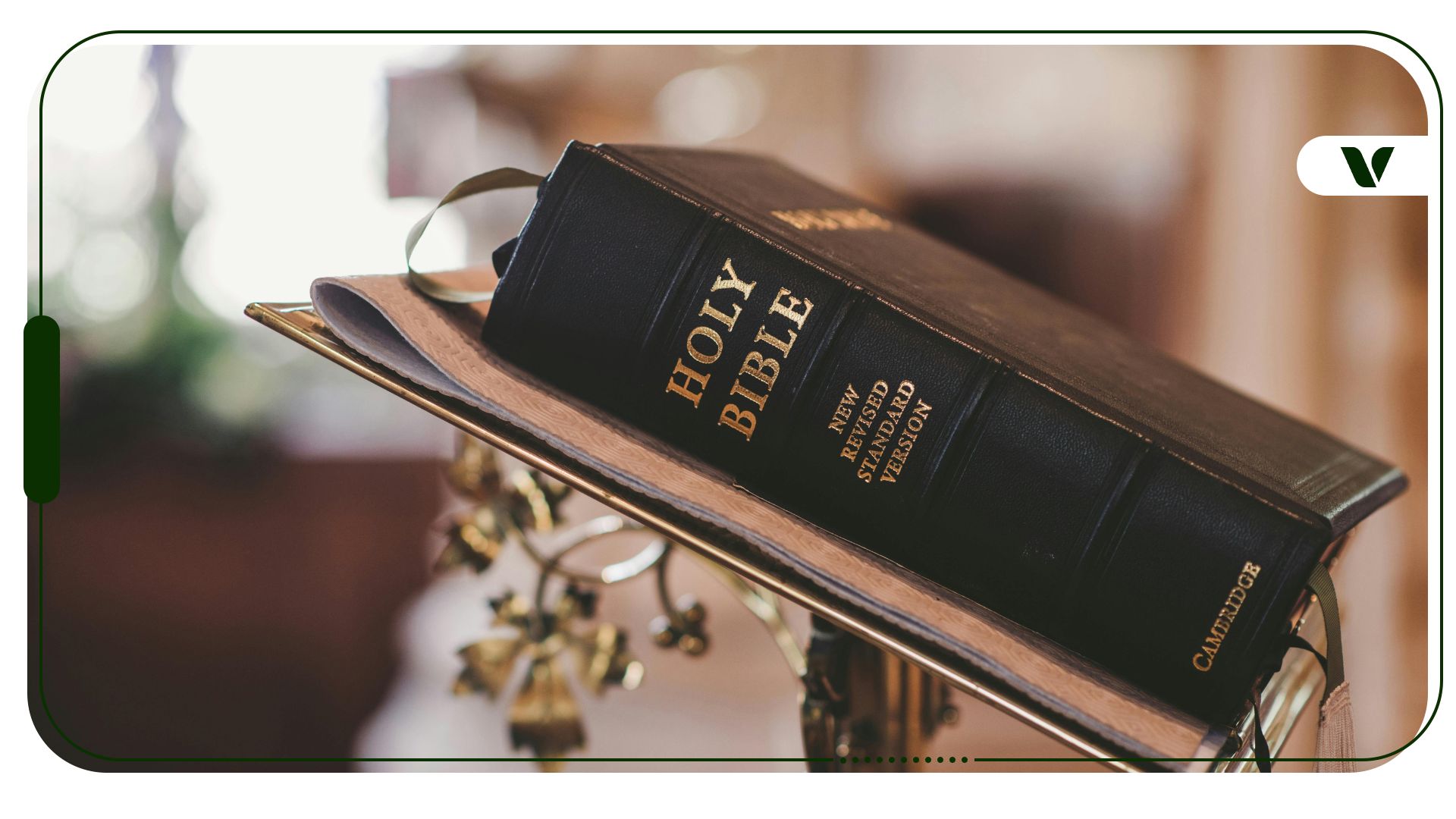
To better understand Christianity’s take on cannabis, we can go straight to the source: the Bible.
The Bible never explicitly mentions cannabis. However, some people believe the book does hint at cannabis in other terms.
For example, the Christian Research Institute points to Gen. 1:12, where the Bible says that all the seeds and herbs brought forth were created and blessed by God. Because cannabis is a plant, many people cite this excerpt as proof that the Bible permits its use. However, this claim remains widely debated.
Another potential reference comes from Exodus 30:23-34, according to a blog published by For the Church. In Exodus 30:23-24, God tells Moses to make incense for worship and lists off several ingredients. According to the blog, God says to, “Take the finest spices: of liquid myrrh 500 shekels, and of sweet-smelling cinnamon half as much, that is, 250, and 250 of aromatic cane, and 500 of cassia, according to the shekel of the sanctuary, and a hin of olive oil.”
The author explains that the interpretation of cannabis comes from the English Standard Version of the Bible, which mentions “aromatic cane”—a term translated from the Hebrew “qanēh-bōśem.”He claims that Polish anthropologist Sula Bene decided that “qanēh-bōśem” sounds like the word cannabis, and therefore deemed the excerpt to be in reference to the cannabis plant.
If Bene’s interpretation of the Bible is accurate, there are several references to cannabis in the Bible. But her interpretation appears to be widely debated among Christians. The author countered her take with, “Bennett’s claims are complete and utter nonsense and demonstrate a fundamental lack of understanding of anything closely related to the historical background of the New Testament.”
Another popular and widely debated potential nod to cannabis in the Bible comes from Psalm 104:14, which says, “He causeth the grass to grow for the cattle, And herb for the service of man; That he may bring forth food out of the earth.” Many cannabis advocates have suggested that “herb for the service of man” is a clear nod to cannabis use.
See If You Qualify For Medical Marijuana -Select Your State!
Select Your State
Alabama
Alaska
Arizona
Arkansas
California
Colorado
Connecticut
Delaware
Florida
Georgia
Hawaii
Idaho
Illinois
Indiana
Iowa
Kansas
Kentucky
Louisiana
Maine
Maryland
Massachusetts
Michigan
Minnesota
Mississippi
Missouri
Montana
Nebraska
Nevada
New Hampshire
New Jersey
New Mexico
New York
North Carolina
North Dakota
Ohio
Oklahoma
Oregon
Pennsylvania
Rhode Island
South Carolina
South Dakota
Tennessee
Texas
Utah
Vermont
Virginia
Washington
West Virginia
Wisconsin
Wyoming
Never miss a post
Get updates on cannabis culture, new research, and expert insights
As we mentioned before, the Bible never explicitly mentions cannabis. All of the above examples showcase ways some people have chosen to interpret various verses.
Does the Bible Mention Any Other Drugs?
It’s not just cannabis—the Bible never explicitly mentions any drugs. While it doesn’t ever directly address drug use, many Christians interpret other teachings in the Bible to condemn it.
For example, Romans 13:1 says, “Let everyone be subject to the governing authorities, for there is no authority except that which God has established. The authorities that exist have been established by God.” Some interpretations of this verse suggest that the Bible says Christians must obey the laws of their government and thus, must avoid using drugs.
Corinthians 6:20 says, “You were bought at a price. Therefore honor God with your bodies.” Some interpret this as a condemnation of drug use, noting its harmful effects on the body.
Some people firmly believe that Christians cannot incorporate cannabis into their lives. But others are more lenient and incorporate cannabis into their lives so long as it does not interfere with their relationship with God. Some Christians may allow more room for medical cannabis use when recommended by a doctor, too. It all comes down to the individual and their interpretation of the Bible.
A group called Christian Cannabis says on their website that “we believe in the broad range of benefits that cannabis can offer regarding the physical, emotional, and spiritual well-being of those who use it.” The group also acknowledges that cannabis and Christianity is a complicated subject and states that “if you’re looking for a biblical permission slip, OR, a specific, scriptural condemnation, neither clearly exists, thus, we won’t be providing them for you.
While the Bible may be silent on cannabis and other drugs, many Christians believe that the use of cannabis directly contradicts the book’s teachings. On the other hand, some have interpreted the Bible to celebrate cannabis use through mentions of herbs and other plants. The truth probably lies somewhere in the middle.
Those struggling to know if they can use cannabis with their religion should look to the literature and their leaders for additional context. But when it comes down to it, the decision is solely based on the individual’s comfort and intent.
Macey is a freelance writer from Seattle. She's covered the cannabis industry extensively, emphasizing the economic opportunities for Indigenous entrepreneurs. Her writing focuses on the people, stories, and labors of love behind every venture.
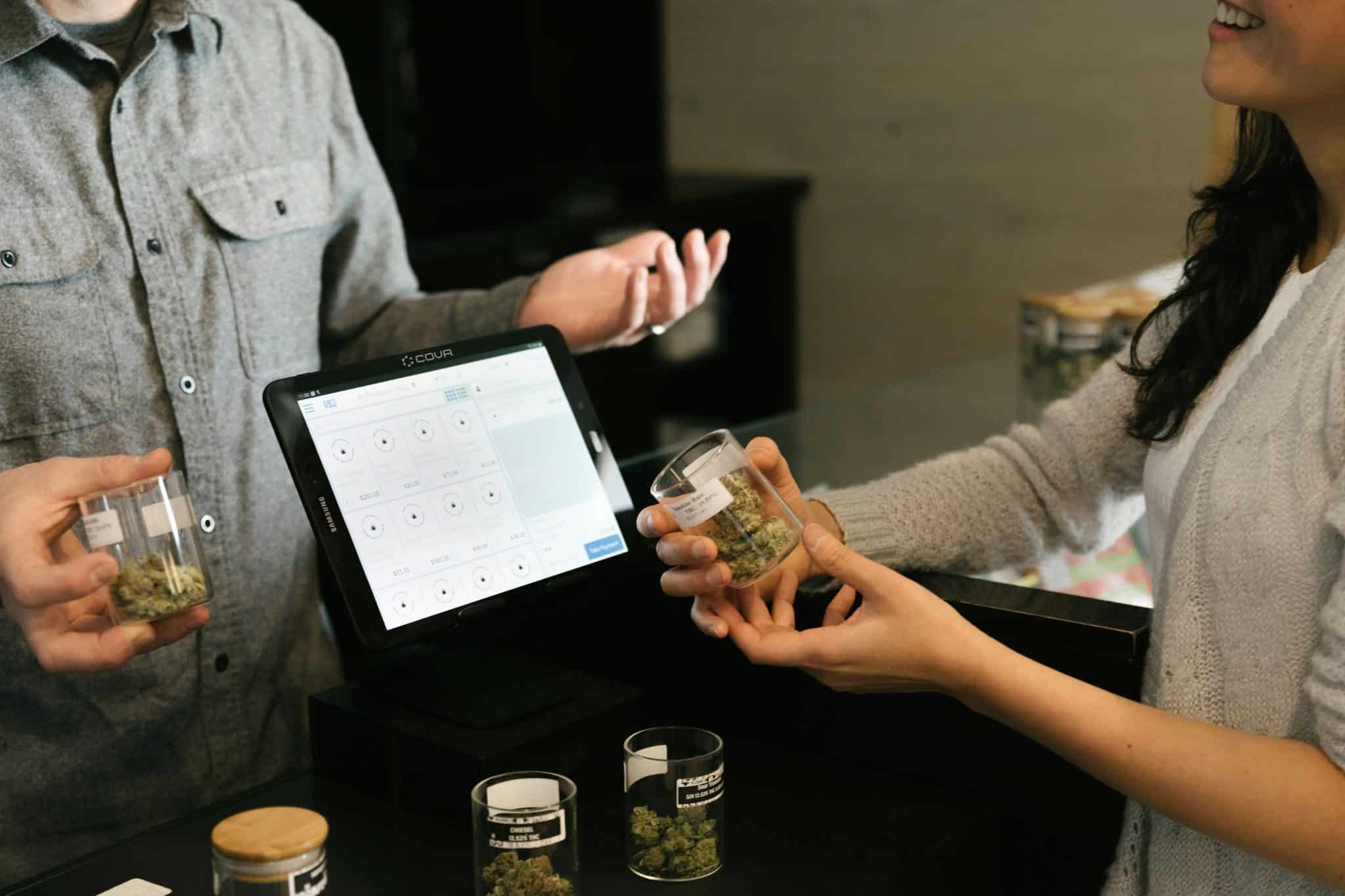
Oklahoma’s medical-only dispensary market gives licensed patients access to a wide range of cannabis products, but every purchase must follow OMMA rules. This guide explains how to find licensed dispensaries, what identification to bring, purchase and possession limits, product testing, pricing, and what to expect during a visit.
Oklahoma’s advertised $25 medical marijuana card renewal covers the physician evaluation, but patients must also pay a separate OMMA license fee. This guide explains the full renewal cost, reduced-fee eligibility, required documents, online renewal steps, processing times, and the new physician recommendation requirement.
An Oklahoma medical marijuana card provides legal protection under state law, but it can still affect employment, commercial driving, firearms, privacy, and federally regulated situations. This guide explains the main consequences to consider before applying, including workplace drug testing, CDL rules, insurance, housing, and registry privacy.
Getting a medical marijuana card in Oklahoma can be completed online, with no specific qualifying condition required for adult applicants. This guide covers eligibility, telehealth evaluations, required documents, OMMA application steps, fees, processing times, and what patients can do once approved.
A same-day telehealth appointment in Oklahoma can get you a physician recommendation quickly, but OMMA still needs to process your medical marijuana license application. This guide explains the timeline, required documents, costs, and when you can legally visit a dispensary while waiting for the physical card.
The statements made regarding cannabis products on this website have not been evaluated by the Food and Drug Administration (FDA). Cannabis is not an FDA-approved substance and is still illegal under federal law. The information provided on this website is intended for educational purposes only and is not intended to diagnose, treat, cure, or prevent any disease. It is not intended as medical advice and should not be considered as a substitute for advice from a healthcare professional. We strongly recommend that you consult with a physician or other qualified healthcare provider before using any cannabis products. The use of any information provided on this website is solely at your own risk.