Your medical cannabis journey simplified: find partnered dispensaries, explore pricing options, earn rewards, and get answers to FAQs, all in one spot.
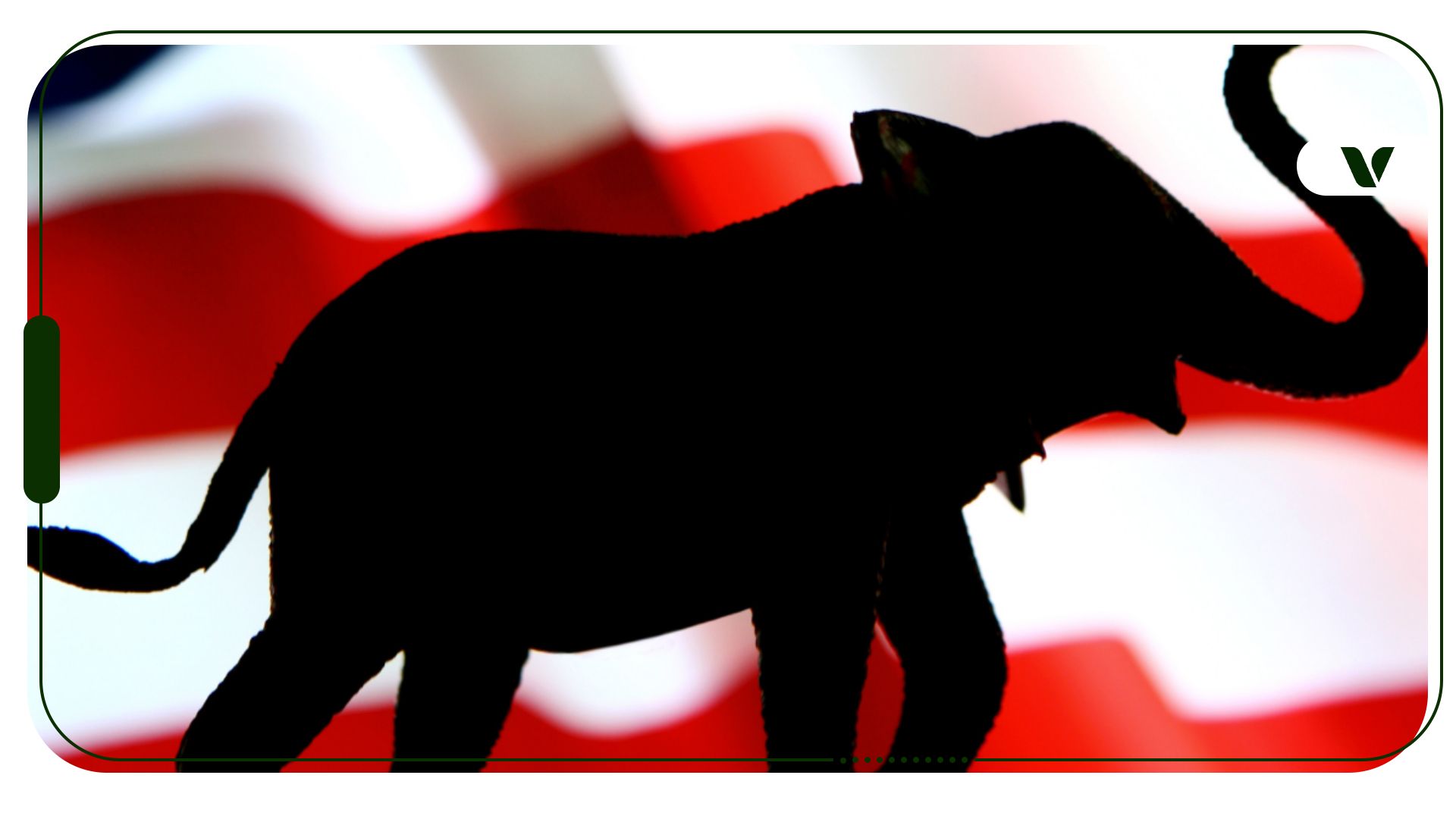
Pew Research Center recently published “9 facts about Americans and marijuana,” leading with the fact that the vast majority of Americans support some form of cannabis legalization. The research center reports that only one in 10 Americans thinks cannabis should be completely illegal in all contexts. Support for cannabis access and legalization can be found on all sides of the political spectrum, including continued rising support from republican voters.
Researchers found that 43% of republicans and GOP-leaning independents favor legalization for both medical and recreational uses. The numbers also show that moderate and liberal republicans have the same levels of support for legalization as conservative and moderate democrats, with 56-57% of voters supporting legalization.
Although the bill had made it all the way to the Governor’s desk with Senate and House support, Texas Governor Greg Abbott vetoed the bill, citing a need to focus on regulating the hemp industry.
Although the measure was unsuccessful, voting data and support from republican politicians signal shifting GOP perceptions about cannabis.
Results from 2023 polling by the Coalition for Cannabis Policy, Education, and Regulation (CPEAR) also point to this trend. The group found that 68% of likely 2024 republican presidential voters nationally supported federal reform while only 29% opposed it. Support among republicans for federal reform had increased by 10% between 2022 and 2023 polling.
Healthcare Contradictions
Despite continuously growing support for cannabis reform among republican voters, other policy decisions highlight several disparities.
Dr. Drew Altman of “Beyond the Data” spoke with republican voters in February. One Arizona republican voter said, “I think Trump knows that people are struggling right now, and I don’t think he’s gonna do, at least right now, cut anything Medicaid because he knows people’s financial problems right now.”
See If You Qualify For Medical Marijuana -Select Your State!
Select Your State
Alabama
Alaska
Arizona
Arkansas
California
Colorado
Connecticut
Delaware
Florida
Georgia
Hawaii
Idaho
Illinois
Indiana
Iowa
Kansas
Kentucky
Louisiana
Maine
Maryland
Massachusetts
Michigan
Minnesota
Mississippi
Missouri
Montana
Nebraska
Nevada
New Hampshire
New Jersey
New Mexico
New York
North Carolina
North Dakota
Ohio
Oklahoma
Oregon
Pennsylvania
Rhode Island
South Carolina
South Dakota
Tennessee
Texas
Utah
Vermont
Virginia
Washington
West Virginia
Wisconsin
Wyoming
Never miss a post
Get updates on cannabis culture, new research, and expert insights
But the recently passed “Big Beautiful Bill” is set to cut health spending by about $1 trillion over a decade. NPR reports that this decision will “jeopardize the physical and financial health of tens of millions of Americans.”
Although Cole said that rescheduling cannabis from Schedule 1 to Schedule 3 in the Controlled Substances Act would be “one of [his] first priorities,” Marijuana Moment reports that proceedings are still on hold, with no future actions on the schedule.
Though Cole has not been forthcoming about his plans to reschedule, we can look to his past posts to see where he stands on the issue. Over a year ago, he posted a selfie from a visit to the Virginia Cannabis Control Authority with a caption stating, “Everybody knows my stance on marijuana after 30 plus years in law enforcement, so don’t even ask!” followed by hashtags like “#justsayno” and “notlegal4distribution.”
In 2024, he also tweeted a link to an article to “learn the dangers of peer pressure and marijuana use.”
Nearly a decade ago, Trump said, “In terms of marijuana and legalization, I think that should be a state issue, state-by-state. … Marijuana is such a big thing. I think medical should happen — right? Don’t we agree? I think so.”
But as part of his 2021 fiscal year budget plan, he had proposed the end of an existing policy that protected state medical programs from interference by the Justice Department.
These examples are just two of many highlighting the contradictions around future cannabis policy. As politicians write bills, debate, and vote on cannabis legislation and healthcare reforms, we often fail to see public opinion reflected.
We know republican voters tend to support cannabis on some level, even if just for medical uses. But we also know that the new DEA administrator has previously taken hard stances against cannabis.
We will keep a close eye on future policy reform decisions.
Macey is a freelance writer from Seattle. She's covered the cannabis industry extensively, emphasizing the economic opportunities for Indigenous entrepreneurs. Her writing focuses on the people, stories, and labors of love behind every venture.
Oklahoma’s medical-only dispensary market gives licensed patients access to a wide range of cannabis products, but every purchase must follow OMMA rules. This guide explains how to find licensed dispensaries, what identification to bring, purchase and possession limits, product testing, pricing, and what to expect during a visit.
Oklahoma’s advertised $25 medical marijuana card renewal covers the physician evaluation, but patients must also pay a separate OMMA license fee. This guide explains the full renewal cost, reduced-fee eligibility, required documents, online renewal steps, processing times, and the new physician recommendation requirement.
Ohio medical marijuana dispensaries offer registered patients benefits such as lower taxes, higher purchase allowances, and access to certain medical-only products. This guide explains how to find licensed dispensaries, verify their credentials, understand purchase limits, prepare for your first visit, and navigate medical versus recreational purchasing rules.
Medical marijuana has been legal in Oklahoma since 2018, with eligibility determined by physician judgment rather than a fixed list of qualifying conditions. This guide explains how the OMMA program works, patient rights and possession limits, recreational cannabis laws, federal restrictions, and how Oklahoma compares with neighboring states.
Tulsa residents can apply for an Oklahoma medical marijuana card online through a telehealth physician evaluation followed by an OMMA application. This guide covers eligibility, application steps, costs, processing times, local dispensary access, out-of-state licenses, and card renewal or replacement.
The statements made regarding cannabis products on this website have not been evaluated by the Food and Drug Administration (FDA). Cannabis is not an FDA-approved substance and is still illegal under federal law. The information provided on this website is intended for educational purposes only and is not intended to diagnose, treat, cure, or prevent any disease. It is not intended as medical advice and should not be considered as a substitute for advice from a healthcare professional. We strongly recommend that you consult with a physician or other qualified healthcare provider before using any cannabis products. The use of any information provided on this website is solely at your own risk.