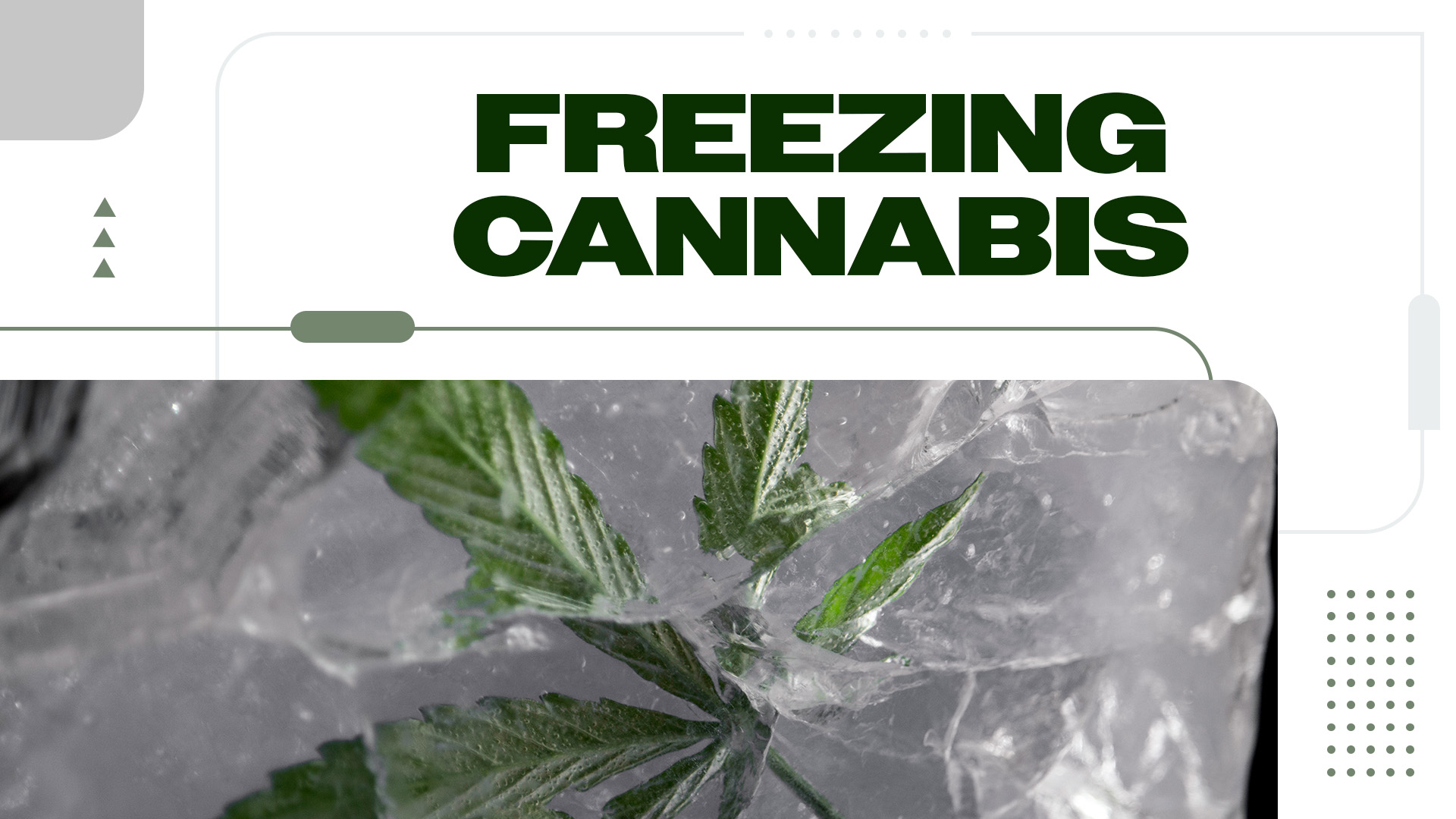
You can freeze weed for long-term storage, but it typically creates more problems than it solves. While freezing preserves cannabinoids and prevents mold growth, it makes cannabis trichomes brittle and prone to breaking off, which reduces potency and quality over time.
Freezing works best for cannabis you plan to store for over a year or for specific concentrate production methods. For most storage needs under 12 months, room temperature or refrigeration methods maintain better quality while avoiding the handling risks that come with frozen cannabis.
Freezing vs. Other Long-Term Storage Methods
Understanding your storage options helps you choose the method that best preserves your cannabis quality for your specific timeframe. Each approach balances convenience, preservation quality, and storage duration differently.
| Storage Method |
Effective Duration |
Pros |
Cons |
Best For |
| Room Temperature (jar) |
6-12 months |
Easy access, no equipment needed, preserves terpenes |
Limited shelf life, requires ideal conditions |
Daily use cannabis |
| Refrigeration |
8-15 months |
Slows degradation, maintains trichomes |
Condensation risk, takes up fridge space |
Medium-term storage |
| Vacuum Sealing |
12-18 months |
Prevents air exposure, compact storage |
Requires equipment, can crush delicate buds |
Bulk storage |
| Freezing |
1-2+ years |
Longest preservation, stops mold growth |
Brittle trichomes, handling difficulties |
Very long-term storage |
The key difference between these methods lies in how they balance preservation against usability. Proper room temperature storage maintains the best smoking experience but limits your storage window to under a year.
Refrigeration offers a middle ground by slowing cannabinoid degradation without creating the brittleness issues of freezing. However, temperature fluctuations and humidity control become critical factors that many home storage setups struggle to maintain consistently.
When You Should (and Shouldn’t) Freeze Cannabis
Freezing makes sense only in specific scenarios where long-term preservation outweighs the quality trade-offs. Understanding these situations helps you avoid unnecessary damage to your cannabis.
Freeze cannabis when:
- Storing for over 12 months: when properly stored cannabis at room temperature would lose significant potency before you use it
- Preserving large harvests: when you have more cannabis than you can consume within a year and want to prevent waste
- Making fresh-frozen concentrates: when you plan to use the frozen material for live resin or live rosin production specifically
- Preventing mold in humid climates: when your storage environment cannot maintain proper humidity levels consistently
Avoid freezing when:
- Planning to smoke within 6-12 months: room temperature storage maintains better trichome integrity and smoking quality
- You have limited freezer space: frozen cannabis requires dedicated, stable freezer conditions and cannot be moved frequently
- Working with already-degraded cannabis: freezing will not restore lost potency and may worsen the smoking experience
- Your freezer temperature fluctuates: repeated freeze-thaw cycles cause more damage than consistent room temperature storage
Cannabis exposed to natural freezing outdoors during cultivation requires immediate harvesting and proper drying. The plant material becomes more fragile, but the cannabinoid content remains largely intact if processed quickly after exposure.
How to Properly Freeze Cannabis: Step-by-Step Method
Proper freezing technique minimizes trichome damage while maximizing preservation time. Each step addresses a specific degradation factor that threatens cannabis quality during long-term storage.
Step 1: Ensure complete drying and curing
Your cannabis must contain less than 10% moisture before freezing. Wet or improperly cured cannabis will develop ice crystals that rupture cell walls and create a harsh smoking experience when thawed.
Step 2: Choose appropriate containers
Use glass mason jars or food-grade vacuum-sealed bags only. Plastic containers can leach chemicals at low temperatures, while non-airtight containers allow moisture infiltration that leads to freezer burn.
Step 3: Portion into single-use amounts
Divide your cannabis into quantities you will use completely after thawing. Opening and closing frozen containers repeatedly exposes the remaining cannabis to temperature fluctuations and humidity changes.
Step 4: Remove all air from containers
Fill jars completely or vacuum-seal bags to eliminate air pockets. Oxygen remaining in storage containers continues to degrade THC even at freezing temperatures.
Step 5: Label with strain and date
Include the strain name, THC content if known, and freezing date on each container. Frozen cannabis can look similar across strains, and tracking storage time helps you use older material first.
Step 6: Maintain consistent freezer temperature
Store at 0 degrees F (-18 degrees C) or lower in the back of your freezer where temperature remains most stable. Avoid freezer doors or areas near the defrost cycle that experience temperature swings.
Fresh Frozen Cannabis vs. Freeze-Dried Weed
The cannabis industry uses freezing for several distinct purposes beyond home storage, each requiring different techniques and producing different results. Understanding these methods helps you choose the right approach for your goals.
Fresh-frozen cannabis refers to flower frozen immediately after harvest without drying or curing. This technique preserves the full terpene profile for concentrate production, particularly live resin and live rosin. The rapid freezing locks in volatile terpenes that would otherwise evaporate during the traditional drying process.
Fresh frozen vs. storage freezing:
- Fresh frozen: Harvested wet, frozen within hours, used exclusively for concentrate extraction
- Storage freezing: Dried and cured flower, frozen for preservation, intended for smoking or vaping later
Freeze-drying represents a commercial preservation method that removes moisture through sublimation while maintaining cellular structure. Professional freeze-drying machines cost thousands of dollars and create a shelf-stable product different from home freezing results.
Home freezing cannot replicate freeze-drying results. Standard freezers lack the vacuum chambers and controlled temperature ramping that commercial freeze-drying requires. Attempting to freeze-dry cannabis in a home freezer typically produces freezer-burned material with compromised terpene profiles.
Risks and Downsides of Freezing Cannabis
Freezing cannabis creates several unavoidable quality trade-offs that affect both potency and user experience. Understanding these limitations helps set realistic expectations for frozen cannabis storage.
Primary risks include:
- Trichome brittleness: frozen resin glands shatter easily during handling, causing visible trichome loss that directly reduces potency
- Terpene degradation: volatile aromatic compounds break down over extended freezing periods, diminishing flavor and potentially altering effects
- Moisture problems: condensation during thawing can reintroduce humidity that promotes mold growth if not managed carefully
- Texture changes: frozen cannabis often becomes dry and crumbly after thawing, creating a harsher smoking experience than fresh material
Temperature fluctuations pose the greatest risk to frozen cannabis quality. Each freeze-thaw cycle expands and contracts plant cells, breaking down cellular structure and creating opportunities for trichome damage.
Recovery from improper freezing is limited but possible. If your cannabis shows signs of freezer burn or excessive dryness after thawing, consider using it for edibles or concentrates rather than smoking, as these methods are less sensitive to texture and terpene changes.
Cannabis frozen for over two years typically shows noticeable potency loss despite proper storage conditions. While the material remains safe to consume, expect reduced effects compared to the original fresh product.
Final Thoughts
Freezing weed works as a preservation method when you need truly long-term storage beyond what room temperature methods can provide. The technique successfully prevents mold growth and major cannabinoid degradation for extended periods, making it valuable for large harvests or infrequent users.
However, the quality trade-offs mean freezing should remain a last resort rather than your primary storage strategy. The brittleness, terpene loss, and handling difficulties that come with frozen cannabis make other methods preferable for storage periods under 12 months.
Consider your consumption timeline, available storage space, and quality priorities when choosing between freezing and alternative methods. For most situations, proper room temperature storage or refrigeration provides better results with less complexity and risk.
Ready to ensure you have a consistent supply of quality cannabis? Find a qualified medical marijuana doctor in your state to discuss your medical cannabis needs and establish legal access to laboratory-tested products.
Note: The content on this page is for informational purposes only and is not intended to be professional medical advice. Do not attempt to self-diagnose or prescribe treatment based on the information provided. Always consult a physician before making any decision on the treatment of a medical condition.
Note: Veriheal does not support illegally consuming therapeutic substances such as cannabis but acknowledges that it transpires because of the current illicit status, which we strive to change by advocating for research, legal access, and responsible consumption. Always consult a physician before attempting alternative therapies.
Frequently Asked Questions
Does freezing weed make it lose potency?
Freezing cannabis preserves most cannabinoid content but can reduce overall potency through trichome loss during handling. The freezing process itself does not significantly degrade THC, but the brittleness that develops makes trichomes break off easily when touched.
How long can you keep weed in the freezer?
Properly frozen cannabis maintains quality for 1-2 years in stable freezer conditions. After two years, expect noticeable potency loss and terpene degradation even with ideal storage practices.
Can you smoke weed that was frozen?
You can smoke frozen and thawed cannabis safely, but expect changes in texture and flavor. Frozen cannabis often becomes drier and harsher than fresh material, though the effects remain largely intact.
What happens if you put wet weed in the freezer?
Freezing wet or improperly dried cannabis creates ice crystals that damage plant cells and promote harsh smoking conditions. Always ensure cannabis is fully dried and cured before freezing to prevent quality degradation.
Is it better to freeze weed or keep it in a jar?
Jar storage at room temperature provides better quality for cannabis used within 6-12 months. Freezing only becomes advantageous for storage periods exceeding one year or when preventing mold in humid environments.
Author, Share & Comments