Your medical cannabis journey simplified: find partnered dispensaries, explore pricing options, earn rewards, and get answers to FAQs, all in one spot.
Medical marijuana sells for anywhere between $5 and $20 per gram, depending on your location. This seems affordable at a glance, but that changes when it becomes a weekly expense. For instance, if you use marijuana for pain, you likely use about two grams daily. Since cannabis only manages the pain, you’ll have to use it every day. Even at the lowest price of $5 per gram, you’ll be spending at least $3,650 a year.
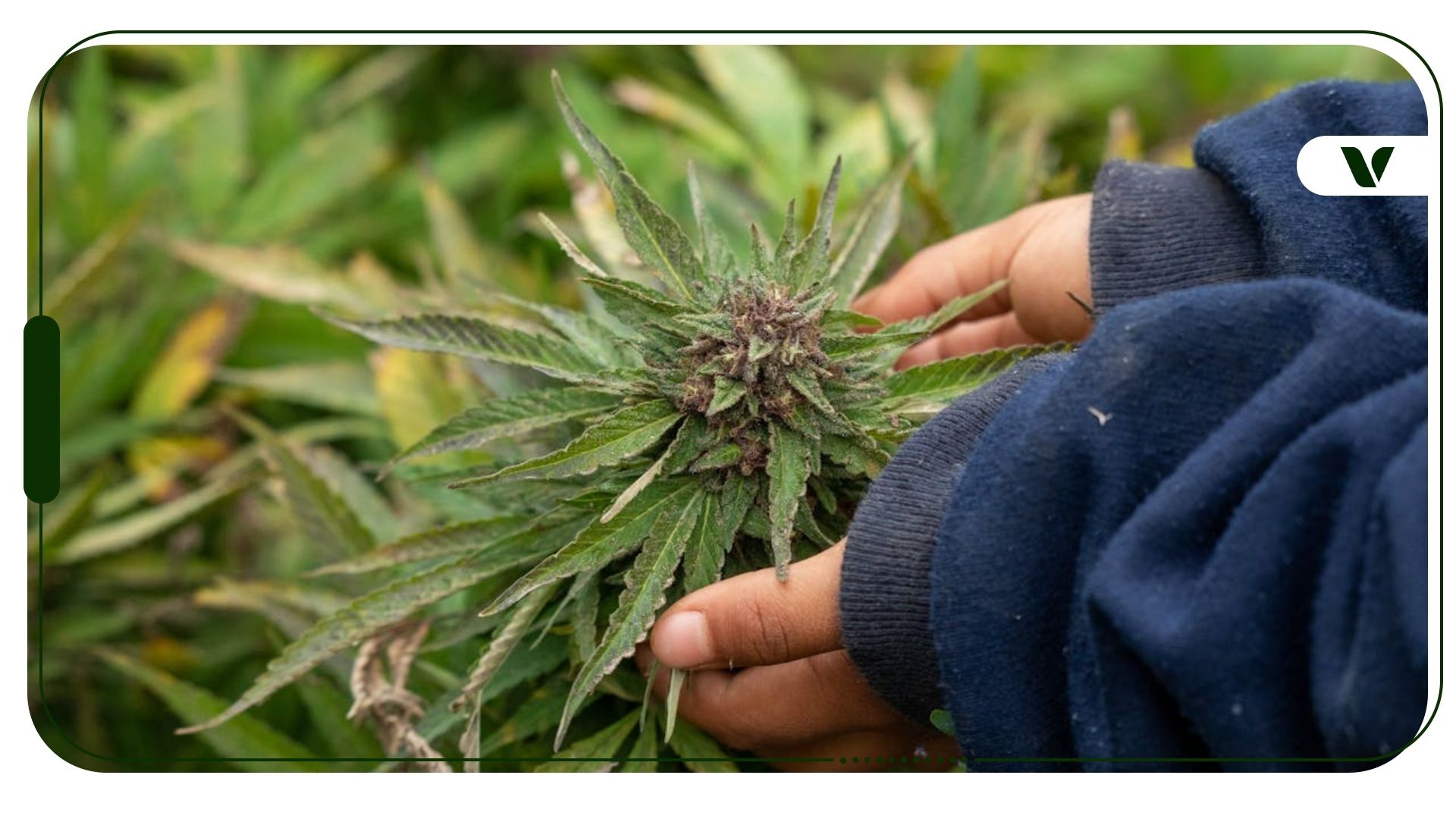
If this math has already crossed your mind, you’ve likely considered growing your own medical marijuana to save money. But can you do that without breaking the law if you have a medical marijuana card? The answer depends on where you live.
What’s a Medical Marijuana Card?
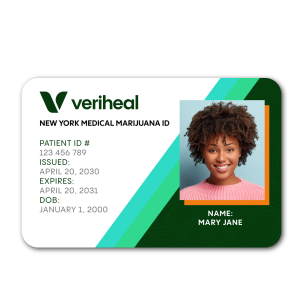
A medical marijuana (MMJ) card or medical cannabis card is a state-issued ID that allows holders to buy and use MMJ from licensed dispensaries legally. Some state governments and countries also recognize out-of-state cards and allow visiting holders to purchase or possess medical marijuana under certain conditions.
States typically issue medical marijuana cards only to patients diagnosed with qualifying conditions such as chronic pain, anxiety, epilepsy, or cancer-related symptoms. While each state has its own rules for issuing and using these cards, they all serve the same purpose — giving patients legal access to marijuana for therapeutic use.
Can I Grow Weed with a Medical Marijuana Card?
Some states allow medical cannabis cardholders to grow a limited number of plants at home for personal use. For example, in Arizona, you can grow up to 12 plants if you have an MMJ card and live more than 25 miles from a dispensary.
On the other hand, in Louisiana, you can get an MMJ card, but you can’t grow cannabis with it. In fact, MMJ patients caught cultivating cannabis in the state can face criminal charges, including fines and potential jail time.
In summary, not all states that issue medical marijuana cards allow patients to grow their own cannabis. MMJ patients can only cultivate plants in states that permit it, such as Arizona, Colorado, and California. Even in those states, they can grow only a limited number of plants, typically not more than 12.
States Where MMJ Cardholders Can Grow Weed
As of this publication, here are the U.S. states that allow MMJ holders to grow cannabis at home and their limits:
See If You Qualify For Medical Marijuana -Select Your State!
Select Your State
Alabama
Alaska
Arizona
Arkansas
California
Colorado
Connecticut
Delaware
Florida
Georgia
Hawaii
Idaho
Illinois
Indiana
Iowa
Kansas
Kentucky
Louisiana
Maine
Maryland
Massachusetts
Michigan
Minnesota
Mississippi
Missouri
Montana
Nebraska
Nevada
New Hampshire
New Jersey
New Mexico
New York
North Carolina
North Dakota
Ohio
Oklahoma
Oregon
Pennsylvania
Rhode Island
South Carolina
South Dakota
Tennessee
Texas
Utah
Vermont
Virginia
Washington
West Virginia
Wisconsin
Wyoming
Never miss a post
Get updates on cannabis culture, new research, and expert insights
Alaska: Alaskan MMJ patients can grow cannabis at home, but can’t grow more than six plants at a time. Only three of the plants can mature or flower at the same time. Also, a residence with multiple cardholders can grow up to 12 plants, with a maximum of six mature plants.
Arizona: It’s legal for MMJ patients to grow cannabis in Arizona if they live more than 25 miles from a licensed dispensary. However, they can’t grow more than 12 plants and require a cultivation license.
California: MMJ patients can grow six plants, or more if their doctor recommends it. However, some California cities and counties require permits to grow, while others only allow indoor cultivation.
Colorado: Coloradans can grow six cannabis plants, with only three allowed to flower at a time. However, the local laws of certain areas, such as Denver, allow up to 12 plants.
Connecticut: Adult MMJ patients can grow up to three mature and three immature plants at a time. Households with multiple patients can have up to 12 cannabis plants, and all of the cultivation must be indoors.
Michigan: The Michigan Medical Marijuana Program lets registered MMJ patients grow up to 12 plants.
Minnesota: Minnesota’s medical cannabis program lets MMJ patients grow up to eight cannabis plants. Households with multiple patients can’t grow more than eight plants.
Missouri: MMJ patients must get a cultivation card to grow cannabis in Missouri. With the card, you can grow up to six flowering marijuana plants, six non-flowering plants under 14 inches tall, and six non-flowering plants under 14 inches tall indoors.
Montana: Montana patients can grow up to 12 seedlings (immature plants under 12 inches) and up to four mature plants.
Nevada: Adult patients can grow up to 12 plants per household if they are more than 25 miles from a licensed dispensary in Nevada. The cultivation must be indoors.
New Mexico: Adults in New Mexico can grow up to 12 plants at home, but only six can be mature, flowering plants.
New York: Under New York’s Medical Cannabis Program, patients can grow three mature and three immature cannabis plants at any one time. However, a caregiver can grow six mature and six immature plants on behalf of a patient.
Ohio: Adult users in Ohio can grow six plants for personal use and not more than 12 plants per household.
Oklahoma: MMJ patients with a license can grow cannabis in their home or with the permission of their landlord. The grow area must not be visible from the street.
Oregon: Each patient can grow, or have grown for them, up to six mature plants in Oregon.
Rhode Island: Medical marijuana patients in Rhode Island can grow up to 12 mature plants and 12 immature plants for personal use. But they need a Plant Tag Certificate issued by the Office of Cannabis Regulation at the Rhode Island Department of Business Regulation to get started.
Washington: In Washington, MMJ patients with recognition cards can grow six plants for personal medical use. Your prescribing doctor may also allow you to grow up to 15 plants for personal medical use if they believe your condition requires it.
If you’re an MMJ patient in one of these states, you have to get your dose from licensed dispensaries.
What Can You Do with a Medical Marijuana Card?
Besides being able to buy cannabis legally or grow it, depending on where you live, having an MMJ card comes with other perks. These perks typically vary between states. For example, in Vermont, MMJ cardholders may qualify to buy and possess more cannabis than recreational users. You also don’t pay tax on cannabis purchases, which is a big money-saver compared to paying 20 to 21% tax.
Other benefits across various states include access to a wider variety of cannabis products, including more potent ones. Lastly, depending on your local laws, a medical card can help you qualify for medical use exceptions in certain work or housing situations. For example, some states protect MMJ patients from job terminations for off-duty medical use or eviction from rental homes that don’t allow it.
Can I Use a MMJ Card Abroad?
An American MMJ card doesn’t give you the right to buy, possess, or use cannabis in a country where it’s illegal. However, if you’re visiting a country that recognizes medical use, it might allow you to carry approved prescriptions or documentation for certain cannabis-based medications.
For instance, your medical marijuana card won’t do you any good in strongly anti-cannabis countries like China and Singapore. But in France or the U.K., you may be able to travel with doctor-prescribed, cannabis-based medications if you follow their import rules.
How to Get a Medical Marijuana Card
Getting your MMJ card with Veriheal is surprisingly simple. Just book a quick appointment, chat with a licensed doctor about your needs, and see if you qualify. If you’re approved, Veriheal helps you handle the state paperwork so you can start visiting dispensaries. From secure records to compassionate doctors, we make the whole process feel easy, supportive, and judgment-free. Talk to an MMJ doctor today to get started!
Tobi Moyela is an avid cannabis enthusiast who enjoys creating helpful, educational content that helps others better understand cannabis, especially its potential uses and benefits. When he's not researching or writing for brands, you can find him watching anime, cooking, or reading his latest fiction finds.
Reclaim edibles are re-purposed leftovers. You see that sticky residue sitting in your dab rig? Take a look, it is there. With a teensy bit of creativity, you can actually transform it into something amazing. The downside? Probably won’t hit exactly like fresh cannabis and won’t taste great either. However, if for whatever reason you…
In the school of life, tetrahydrocannabinol (THC), the most popular intoxicating cannabis compound, is like the popular kid everyone knows by name. The center of attention, always getting talked about, and highly sought after. Cannabidiol (CBD), on the other hand, gets a little less love. It’s more like the quiet honor student: low-key, non-intoxicating, rarely…
In the confusing landscape of state-by-state medical marijuana legalization and federal prohibition lies a patient’s pursuit of a better quality of life, balanced with an unrestricted financial livelihood. In workplaces across many different medical marijuana legal states, no law guarantees that a valid, card-carrying MMJ patient status exempts an employee from termination or discrimination stemming…
An alarming trend has recently come to light: more non-smokers are getting lung cancer than ever before. Given that lung cancer is the most common worldwide and the leading cause of cancer death, you may be worried about the implications of your cannabis habits. How much does cannabis contribute to lung cancer risk? According to…
It feels like every other day, a fresh slang term pops up in the cannabis lexicon, and today, we’re looking at an entry that’s all over TikTok and Reddit – Yart! Spoiler alert: it has everything to do with the humble vape cart (and how challenging it is to talk about cannabis on social media). …
The statements made regarding cannabis products on this website have not been evaluated by the Food and Drug Administration (FDA). Cannabis is not an FDA-approved substance and is still illegal under federal law. The information provided on this website is intended for educational purposes only and is not intended to diagnose, treat, cure, or prevent any disease. It is not intended as medical advice and should not be considered as a substitute for advice from a healthcare professional. We strongly recommend that you consult with a physician or other qualified healthcare provider before using any cannabis products. The use of any information provided on this website is solely at your own risk.