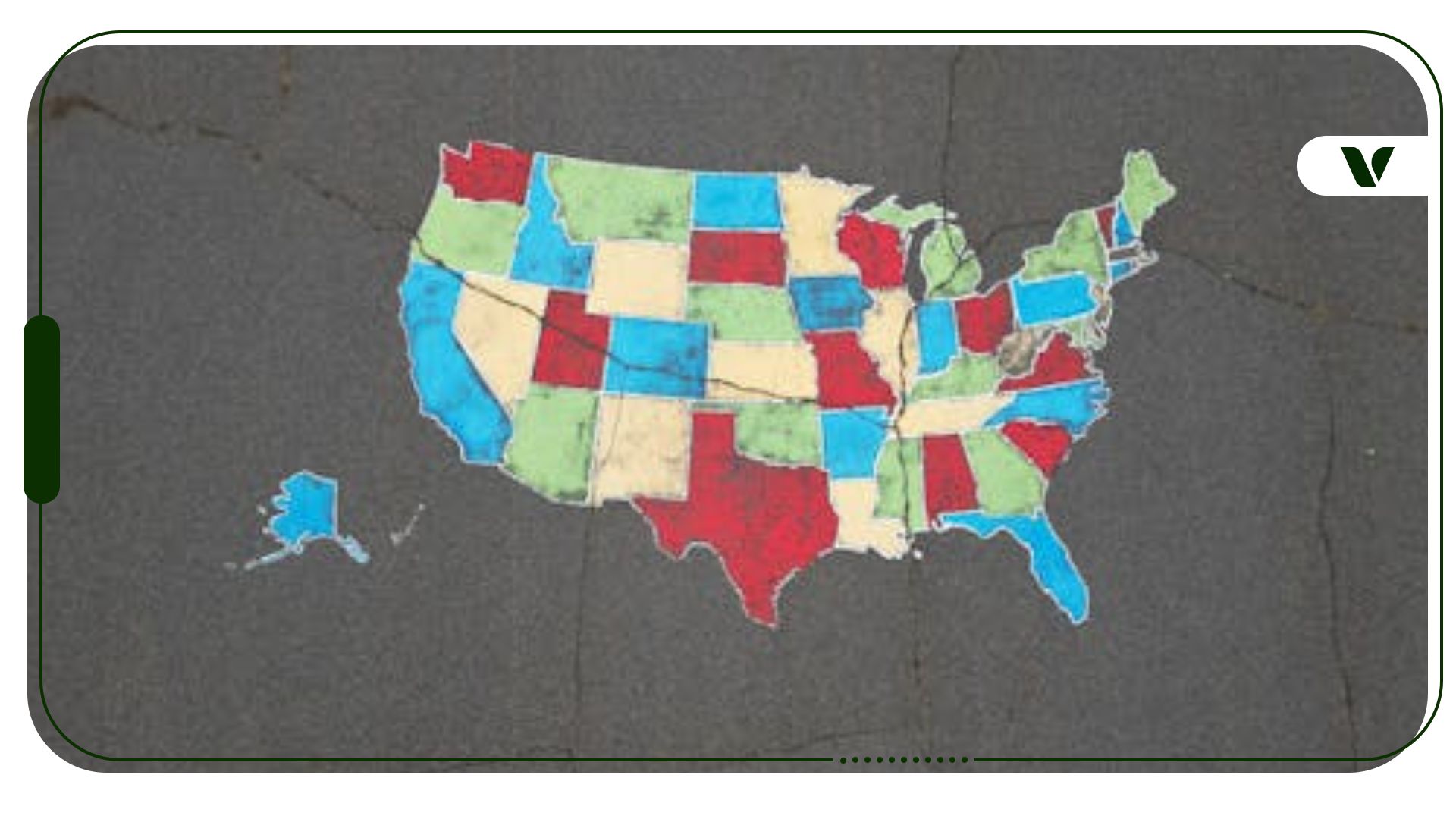
Medical cannabis laws vary significantly across the United States, with each state setting unique requirements for patient eligibility, application processes, and card renewal. As of 2026, 40 states plus Washington D.C. and three territories have legalized medical cannabis, but navigating the state-by-state differences can be complex for patients seeking legal access.
Understanding your state’s specific requirements helps you determine eligibility and avoid application delays. Federal law still classifies cannabis as a controlled substance, though rescheduling discussions continue, which means state programs operate under individual state authority with varying protections and regulations.
Overview of Medical Marijuana Card Laws in the U.S.
Medical cannabis is now authorized in 40 states plus Washington D.C. and three territories as of 2026, with adult-use legal in 24 states plus D.C. Each state maintains its own qualifying conditions list, application fees, and renewal requirements, creating a patchwork of regulations across the country.
The federal landscape remains complicated. Cannabis stays classified under the Controlled Substances Act while DEA rescheduling to Schedule III undergoes review. Public hearings that began in 2025 continue into 2026 without resolution, meaning state programs operate under state law protections with ongoing federal uncertainty.
Most medical cannabis programs require patients to register with their state health department and obtain an identification card before purchasing from licensed dispensaries. Card validity periods range from one to three years depending on the state, with renewal requirements that typically mirror the initial application process.
Medical Marijuana Card Requirements by State
Medical marijuana card requirements differ substantially between states, affecting everything from qualifying conditions to application costs. Understanding these variations helps patients choose the most accessible pathway to legal cannabis access.
The table below compares key requirements across the ten largest medical cannabis programs by patient enrollment:
| State |
Qualifying Conditions |
Application Fee |
Renewal Period |
Residency Required |
| California |
40+ conditions plus physician recommendation |
$100 |
1 year |
Yes |
| Florida |
21 specific conditions |
$75 |
210 days |
Yes |
| Pennsylvania |
23 qualifying conditions |
$50 |
1 year |
Yes |
| Ohio |
26 qualifying conditions |
$50 |
1 year |
Yes |
| Michigan |
Open physician recommendation |
$60 |
2 years |
Yes |
| Arizona |
15+ conditions or physician discretion |
$150 |
2 years |
Yes |
| Illinois |
50+ qualifying conditions |
$100-$200 |
3 years |
Yes |
| Maryland |
Any condition if physician recommends |
$50 |
3 years |
Yes |
| New York |
Any condition physician deems appropriate |
$50 |
1 year |
Yes |
| Colorado |
11 specific conditions |
$25-$50 |
1 year |
Yes |
State-Specific Application Requirements
Most states require similar documentation but with important variations. Standard requirements include proof of state residency, government-issued identification, and physician certification of a qualifying medical condition. Some states accept any physician’s recommendation while others require registration with specialized cannabis doctors.
Processing times vary from same-day approval in states like Florida to 30 days in states with manual review processes. Digital applications have become standard, though a few states still require physical mail submissions or in-person visits.
Qualifying condition lists range from restrictive (specific named conditions only) to open (any condition a physician deems appropriate). Benefits of a medical marijuana card extend beyond legal protection to include tax savings, higher possession limits, and access to medical-only products.
How to Apply for a Medical Marijuana Card
The medical marijuana card application process follows similar steps across most states, though specific requirements and timelines vary. Understanding the standard process helps you prepare documentation and avoid common delays.
Most applications follow this sequence:
- Schedule a physician consultation: Book an appointment with a licensed doctor registered in your state’s medical cannabis program. Some states allow telemedicine consultations while others require in-person visits.
- Obtain physician certification: During your appointment, the doctor will review your medical history and qualifying condition. If approved, they’ll provide a physician certification form required for your state application.
- Complete the state application: Submit your application through your state’s online portal, including physician certification, proof of residency, identification documents, and application fee.
- Wait for approval: Processing times range from immediate digital approval to 30-day review periods. Some states issue temporary cards while permanent cards are printed and mailed.
- Receive your card: Once approved, you’ll receive either a digital card for immediate use or instructions for receiving your physical card by mail.
How long it takes to get a medical card depends primarily on your state’s review process and whether you choose telemedicine or in-person consultation options.
Common application mistakes include incomplete residency documentation, expired identification, and submitting applications without proper physician certification. Double-checking requirements before submission prevents processing delays and additional fees.
Medical Marijuana Card Costs and Fees by State
Medical marijuana card costs vary significantly between states, affecting the total expense of legal cannabis access. Understanding fee structures helps patients budget for initial applications and ongoing renewals.
Application fees across major medical cannabis states break down as follows:
| State |
Application Fee |
Physician Fee Range |
Renewal Fee |
Annual Total |
| Arizona |
$150 |
$150-$300 |
$150 |
$300-$600 |
| California |
$100 |
$100-$250 |
$100 |
$200-$350 |
| Florida |
$75 |
$200-$400 |
$75 |
$350-$550 |
| Illinois |
$100-$200 |
$200-$350 |
$100-$200 |
$300-$550 |
| Maryland |
$50 |
$150-$250 |
$50 |
$200-$300 |
| Michigan |
$60 |
$100-$200 |
$60 |
$160-$260 |
| Ohio |
$50 |
$150-$300 |
$50 |
$200-$350 |
| Pennsylvania |
$50 |
$125-$225 |
$50 |
$175-$275 |
Fee Reduction Programs
Most states offer reduced fees for veterans, seniors, and low-income patients. Discount programs typically reduce application fees by 50-75% with proper documentation. Veterans often qualify for the largest discounts, with some states waiving all fees for service members and disabled veterans.
Medicare and Medicaid beneficiaries qualify for reduced fees in many states, though coverage varies. Some states require additional income documentation while others accept benefit enrollment as automatic qualification for fee reductions.
Payment options include credit cards, debit cards, and electronic checks in most states. A few states still require money orders or cashier’s checks for application fees. Renewal fees generally match initial application costs unless fee structures change between renewal periods.
Major Legal Changes and Updates in 2026
The 2026 legislative session brought significant changes to medical cannabis programs across multiple states. Key developments include expanded qualifying conditions, improved reciprocity agreements, and streamlined application processes that benefit patients nationwide.
Pennsylvania expanded its qualifying conditions list to include anxiety disorders and migraines, adding an estimated 50,000 eligible patients to the program. The state also reduced application fees from $75 to $50 and extended card validity from one to two years, reducing administrative burden for patients.
Ohio implemented full reciprocity recognition for out-of-state medical cannabis patients, joining 15 other states that honor valid medical cards from other programs. This change significantly improves access for patients who travel frequently or relocate between medical cannabis states.
Federal rescheduling discussions continue with DEA hearings on cannabis rescheduling to Schedule III extending into 2026, though no final determination has been reached. State programs continue operating under existing frameworks while monitoring federal developments that could affect banking, taxation, and interstate commerce regulations.
Reciprocity and Travel Considerations
Medical cannabis reciprocity allows patients with valid cards from one state to purchase and possess cannabis in participating states. Understanding reciprocity rules helps traveling patients maintain legal compliance while accessing their medicine away from home.
Currently, 16 states offer some form of reciprocity recognition for out-of-state medical cannabis patients. However, reciprocity terms vary significantly, affecting possession limits, purchase amounts, and where patients can legally consume their medicine.
How Reciprocity Actually Works
Reciprocity typically allows visiting patients to purchase cannabis from licensed dispensaries using their home state medical card and a valid government ID. You must follow the host state’s possession limits and consumption laws, which may differ from your home state regulations.
Some states require advance registration or temporary visitor permits before you can make purchases. Nevada, for example, requires out-of-state patients to register online and pay a $50 fee for temporary access. Other states like Maine accept valid out-of-state cards immediately without additional registration.
Purchase limits for visiting patients often differ from resident limits. Arizona allows resident cardholders to purchase 2.5 ounces every 14 days but limits visiting patients to 2.5 ounces every 30 days. Always verify current limits before traveling to avoid legal complications.
What Reciprocity Does Not Cover
Reciprocity does not protect patients during travel between states, including airport travel or driving across state borders with cannabis products. Federal law still prohibits interstate cannabis transport, even between medical cannabis states with reciprocity agreements.
Reciprocity also does not extend to home cultivation in most states. Even if your home state allows cultivation and the destination state offers reciprocity, you typically cannot grow cannabis as a visiting patient. A full breakdown of which states allow out-of-state patients to purchase cannabis covers the details of each reciprocity program.
States with Medical Cannabis Reciprocity
The following states currently recognize valid out-of-state medical cannabis cards:
Full Reciprocity (No Additional Registration)
- Maine: accepts all valid medical cards
- Rhode Island: accepts cards from any medical state
- Hawaii: accepts valid cards with government ID
Limited Reciprocity (Registration or Restrictions Apply)
- Nevada: requires online registration and $50 fee
- Arizona: 30-day purchase limits for visitors
- New Mexico: accepts cards from specific partner states
- Montana: requires temporary visitor permit
Conditional Reciprocity (Specific Requirements)
- Arkansas: accepts cards from patients with qualifying conditions that match Arkansas law
- Oklahoma: accepts any valid medical card with purchase restrictions
States without reciprocity programs require patients to either apply for a new card in that state or rely on CBD-only products where legal. Some states offer expedited applications for temporary residents or students.
Preparation Before You Travel
Research the destination state’s laws thoroughly before traveling with your medical cannabis card. Verify possession limits, purchase restrictions, consumption locations, and whether advance registration is required for out-of-state patients.
Contact dispensaries in your destination area to confirm they accept out-of-state cards and understand their specific requirements. Some dispensaries require additional documentation beyond your medical card and ID, particularly in states with newer reciprocity programs.
Plan for potential supply gaps if reciprocity is not available or if local products differ significantly from your home state options. Our guide to traveling with a medical marijuana card covers what traveling patients need to know.
Transportation and Legal Boundaries
Never transport cannabis products across state lines, even between medical cannabis states. Federal law prohibits interstate cannabis transport regardless of state reciprocity agreements. Purchase cannabis in each state where you need it rather than attempting to transport products.
Flying with medical cannabis remains federally illegal and is not protected by state reciprocity laws. TSA operates under federal jurisdiction prohibiting cannabis transport on flights and may confiscate cannabis products regardless of your medical card status. Some airports in legal states have amnesty boxes for disposal before security screening.
Driving between states requires careful attention to state boundaries and local laws. Some states criminally prosecute possession even for medical patients from other states, particularly states without any cannabis legalization. Research each state’s laws along your travel route to avoid legal complications.
Ready to get your medical marijuana card? Start your application with a licensed physician today and join millions of patients accessing legal cannabis for their qualifying conditions.
Note: The content on this page is for informational purposes only and is not intended to be professional medical advice. Do not attempt to self-diagnose or prescribe treatment based on the information provided. Always consult a physician before making any decision on the treatment of a medical condition.
Note: Veriheal does not support illegally consuming therapeutic substances such as cannabis but acknowledges that it transpires because of the current illicit status, which we strive to change by advocating for research, legal access, and responsible consumption. Always consult a physician before attempting alternative therapies.
Frequently Asked Questions
What states allow medical marijuana in 2026?
Forty states plus Washington D.C. and three territories currently allow medical cannabis. The newest states to implement programs include Georgia (limited THC), Alabama (full medical program), and Mississippi (patient access began in 2025).
How do I get a medical marijuana card?
Schedule an appointment with a licensed physician, obtain certification for a qualifying medical condition, complete your state’s application with required documents and fees, then wait for approval. Processing times range from same-day to 30 days depending on your state.
Can I use my medical card in another state?
Sixteen states currently offer reciprocity for out-of-state medical cannabis patients, though terms and requirements vary. States like Maine accept any valid medical card while others like Nevada require advance registration and fees.
Do I need to visit a doctor in person for medical marijuana?
Many states now allow telemedicine consultations for medical cannabis certifications, though some still require in-person visits. Check your state’s specific requirements as regulations continue evolving toward digital access options.
Which states allow online medical marijuana cards?
Most states with medical cannabis programs now offer online applications and digital card issuance. States like Florida, Pennsylvania, and Ohio provide immediate digital access upon approval, while others mail physical cards after online application processing.
Author, Share & Comments