Your medical cannabis journey simplified: find partnered dispensaries, explore pricing options, earn rewards, and get answers to FAQs, all in one spot.
Over the last decade, there has been considerable discussion about the future of cannabis. Typically, those conversations center around legality, market size, and social and medical impacts, all of which are interesting topics in their own right. But there has been far less discussion about the digital future of cannabis. With more and more of our lives shifting online, how will cannabis fit into that? Is there space for cannabis in the metaverse? Or is it something that’s going to be relegated to the physical realm?
The Metaverse at a Glance
Odds are, you’ve heard the term metaverse thrown around online and in the news. But what is it exactly? That’s a hard question to answer.
According to Wired, the term metaverse “doesn’t really refer to any one specific type of technology, but rather a broad (and often speculative) shift in how we interact with technology.” In short, the metaverse is a pretty vague concept that tech giants are still working on fleshing out.
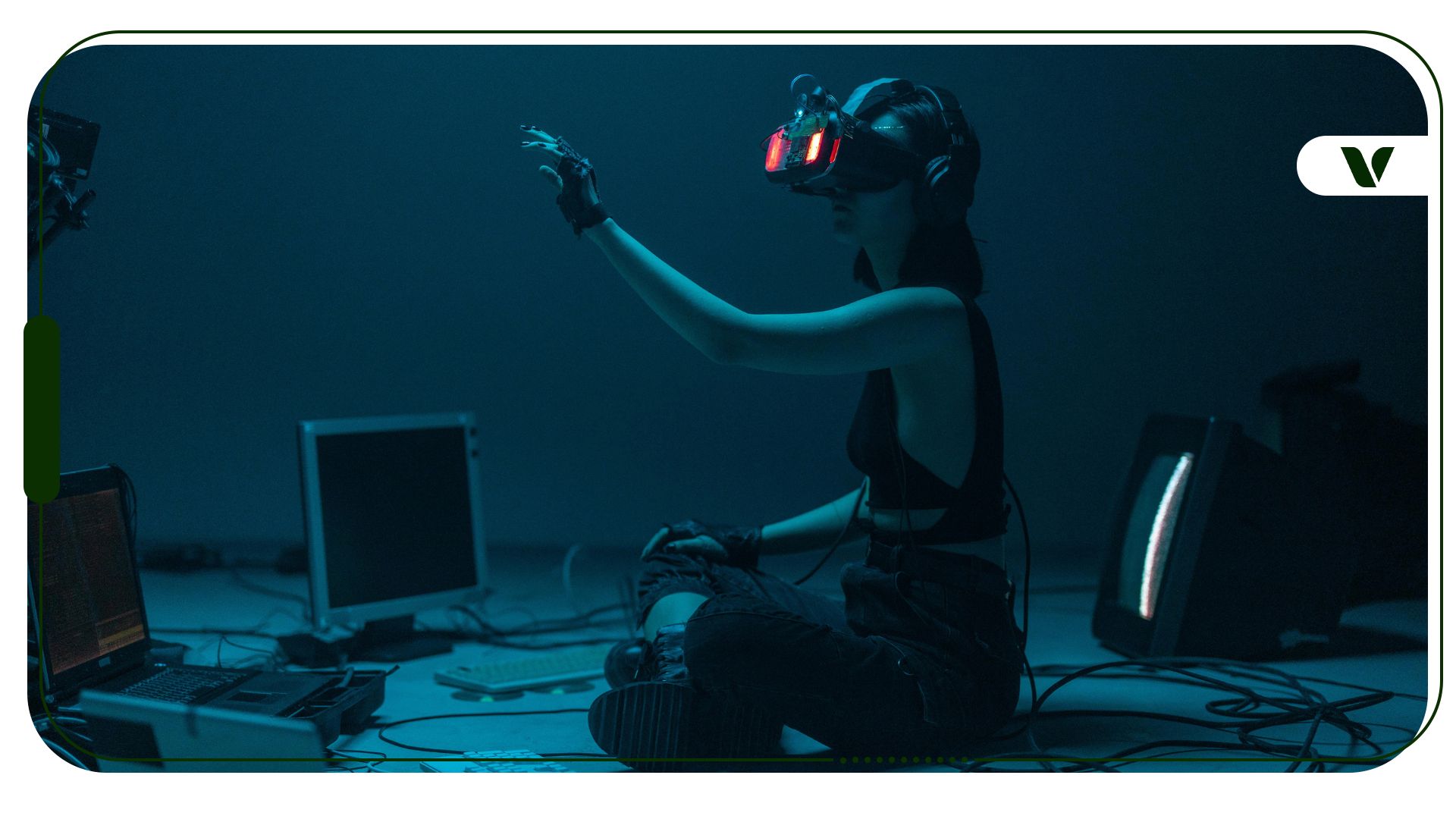
People can access the metaverse through various technologies, such as virtual reality, augmented reality, and even the traditional internet. Like the physical realm, it exists continuously and is a shared, collaborative, immersive, and interactive space.
The metaverse, as we see it in media like “Ready Player One,” does not yet exist. A complete online world, where users can jump from one realm or platform to another and back, purchase physical goods, and generally have every experience digitally that they could have physically, is still a long way off. The sheer amount of computing power necessary to produce a digital place like that is not something that’s within our grasp at this point.
However, smaller, more singular examples of the metaverse do exist. “Fortnite,” “World of Warcraft,” and other massive multiplayer online games are examples of metaverses and good blueprints for where the concept may take us. Many metaverse communities rely on platforms like Discord for communication, making them proto-metaverses—though they lack the virtual reality component most often tied to the full metaverse experience.
Does Cannabis Have a Place in the Metaverse?
The metaverse comprises millions of small communities. These communities form around every kind of shared interest you could possibly think of, including cannabis.
As it stands right now, the metaverse may actually be a more welcoming place for cannabis users and aficionados than the real world. Most traditional, or physical, communities still have strict legislation surrounding cannabis use. More than half the states in the U.S. still prohibit recreational cannabis use, and 11 states actively block its medicinal use.
Because of these restrictions, traditional cannabis businesses face strict regulations when it comes to education and marketing, as well as logistical hurdles when it comes to getting their products in the hands of customers.
The metaverse, which exists outside of geographical constraints as it’s a decentralized platform, can work around many of these regulations. Metaverse users can “walk into” a cannabis company in the virtual world and browse product options, have their questions answered by experts, and get sound medical and legal advice surrounding cannabis issues that may not be available to them in their home state.
The metaverse can make it easier for the broader cannabis community to connect, regardless of individuals’ physical locations. The virtual reality piece also helps to humanize cannabis, taking it from a high-level conceptual debate to a real-life issue that has actual impacts on ordinary lives.
See If You Qualify For Medical Marijuana -Select Your State!
Select Your State
Alabama
Alaska
Arizona
Arkansas
California
Colorado
Connecticut
Delaware
Florida
Georgia
Hawaii
Idaho
Illinois
Indiana
Iowa
Kansas
Kentucky
Louisiana
Maine
Maryland
Massachusetts
Michigan
Minnesota
Mississippi
Missouri
Montana
Nebraska
Nevada
New Hampshire
New Jersey
New Mexico
New York
North Carolina
North Dakota
Ohio
Oklahoma
Oregon
Pennsylvania
Rhode Island
South Carolina
South Dakota
Tennessee
Texas
Utah
Vermont
Virginia
Washington
West Virginia
Wisconsin
Wyoming
Never miss a post
Get updates on cannabis culture, new research, and expert insights
Cryptocurrency, a digital form of currency that relies on blockchain technology and operates outside the traditional banking and financial institution systems, is the metaverse’s preferred form of payment. It’s also hugely advantageous for the cannabis industry.
Many cannabis companies struggle to secure funding from traditional banks and financial institutions because the laws and restrictions surrounding the industry are still so complex. Oftentimes, these legal uncertainties make the risk placed on the banks too high, and they refuse to offer loans, extend lines of credit, or be involved in regular transactions.
Cryptocurrency, on the other hand, doesn’t need to worry about these legalities because it doesn’t fall under the purview of any one government. So, for the cannabis industry, it can provide a secure, cash-free option for payment that reduces transaction fees and streamlines the purchasing process on all levels.
Additionally, its blockchain technology acts as a ledger, marking each transaction and providing a roadmap of supply chain transactions, which can help to build trust among cannabis consumers and distributors. But it can also be used anonymously (you don’t need to tie your identity to your cryptowallet through things like your SSN), which can be a big draw for people who need to keep their usage under the radar for whatever reason.
Crypto Cannabis Club: A Case Study
The Crypto Cannabis Club is a perfect example of one way cannabis may exist in the metaverse. Founded in 2022, the club is both a Non-Fungible Token (a digital asset that represents ownership of something, similar to cryptocurrency) and a metaverse community.
The year it launched, the club released a NFT collection of 10,000 cannabis inspired characters, called NFTokers. It has a Discord server where users regularly meet to chat, a dedicated space on X, an NFT-based game, and facilitates real-life events.
It also became the first to offer real-world cannabis products to its members through partnerships with existing brands and the creation of its own premium packaged cannabis flower. Eventually, the club hopes to offer cannabis for free to anyone who holds one of their NFTs, fully bridging the gap between the online and real worlds.
CEO Ryan Hunter told Forbes, “Our hope is to be ambassadors between the Metaverse cannabis community and the IRL cannabis community… [we want] our Metaverse properties to become a virtual connection point for cannabis aficionados and for our live events and products to be a contact point for the Metaverse in the real world.”
“I don’t think that large tech companies are likely to develop an authentic and engaging virtual approximation of the IRL cannabis community,” he continued. “That’s where we come in. We are deeply involved in the IRL cannabis community while we build the largest cannabis community in the Metaverse. We think that an authentic community that spans both of these worlds will help ensure that the cannabis community has family in each.”
What’s To Come
The metaverse is still very much in development. Even those who actively have a hand in shaping it are uncertain what it will look like in the next five to ten years.
So who’s to say exactly what cannabis-centered metaverse communities will look like down the line? The Crypto Cannabis Club gives us a pretty good idea of one form they could take— an entity that exists in real life and online, that’s dedicated to sharing knowledge, creating community, and consuming the best products the industry has to offer— but it’s not the only possibility.
No matter the changes to come, it seems clear that cannabis absolutely has a place in the future of the digital world.
Madison Troyer is a Brooklyn-based freelancer with 10 years of experience covering pop culture, entertainment, lifestyle, and wellness content. Her work has appeared in outlets like The Chicago Tribune, Newsweek, and a host of other places. When she's not at her desk, you can find her training for her next marathon or reading.
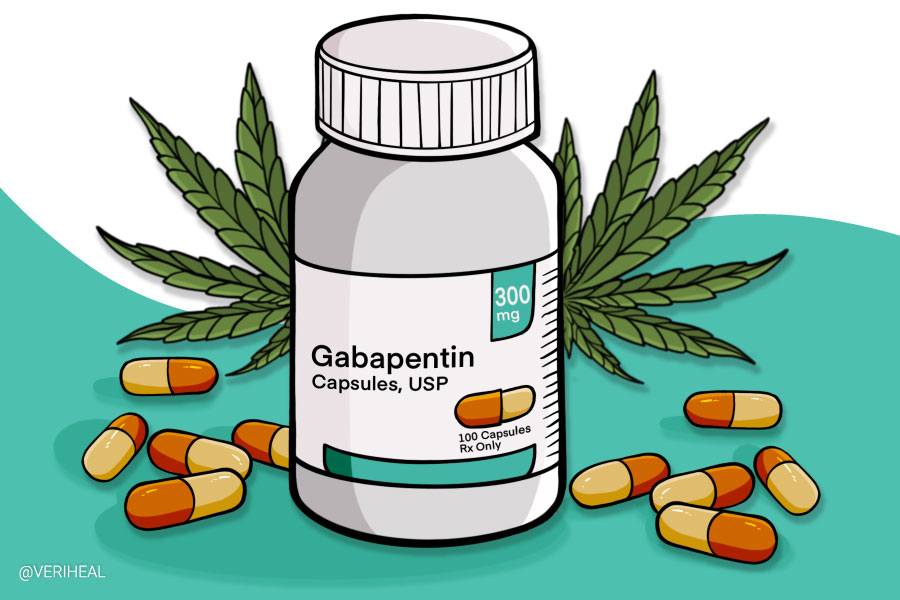
According to the New York Times, 64 million gabapentin prescriptions were dispensed in 2016, with numbers continuing to rise each year. Many patients now explore medical cannabis as an alternative after experiencing gabapentin’s concerning side effects, including FDA warnings about serious respiratory problems. Both treatments target similar conditions like nerve pain and seizures, but they…
A same-day telehealth appointment in Oklahoma can get you a physician recommendation quickly, but OMMA still needs to process your medical marijuana license application. This guide explains the timeline, required documents, costs, and when you can legally visit a dispensary while waiting for the physical card.
Getting a same-day medical marijuana appointment in Florida can speed up the physician certification process, but first-time patients still need OMMU approval before visiting a dispensary. This guide explains the realistic timeline, required documents, potential delays, renewals, and how to verify a state-certified marijuana doctor.
Getting an Oklahoma medical marijuana card involves more than the advertised physician evaluation fee. This guide breaks down the full OMMA costs, reduced-fee options, online application process, provider requirements, and ways to avoid paying for an evaluation that does not meet state rules.
The statements made regarding cannabis products on this website have not been evaluated by the Food and Drug Administration (FDA). Cannabis is not an FDA-approved substance and is still illegal under federal law. The information provided on this website is intended for educational purposes only and is not intended to diagnose, treat, cure, or prevent any disease. It is not intended as medical advice and should not be considered as a substitute for advice from a healthcare professional. We strongly recommend that you consult with a physician or other qualified healthcare provider before using any cannabis products. The use of any information provided on this website is solely at your own risk.