Your medical cannabis journey simplified: find partnered dispensaries, explore pricing options, earn rewards, and get answers to FAQs, all in one spot.
The Centers for Disease Control and Prevention estimates that 15.5 million adults in the United States have an ADHD diagnosis. Approximately half of those individuals received their diagnosis in adulthood, underscoring how difficult it can be to identify the condition.
After receiving a diagnosis, only one-third of adults take prescription medication for ADHD, the CDC reports. While medications can be incredibly helpful and raise one’s overall quality of life, many people struggle with the aggressive side effects that come along with them. Loss of appetite, dizziness, and trouble sleeping are among the more difficult-to-live-with complications that come with taking the medications.
As a result, many adults with ADHD find themselves looking for alternatives to help manage their diagnosis. Cannabis is one possible avenue many explore, but the scant amount of medical literature surrounding the subject can make it hard to determine whether it’s a realistic or helpful solution.
Here we’re taking a closer look at everything cannabis and ADHD. Can it help you manage your symptoms? Will it actually make them worse? What sorts of products are best for those with an ADHD diagnosis? Read on to find answers to all those questions and more.
What is ADHD?
Photo Credit: iStock
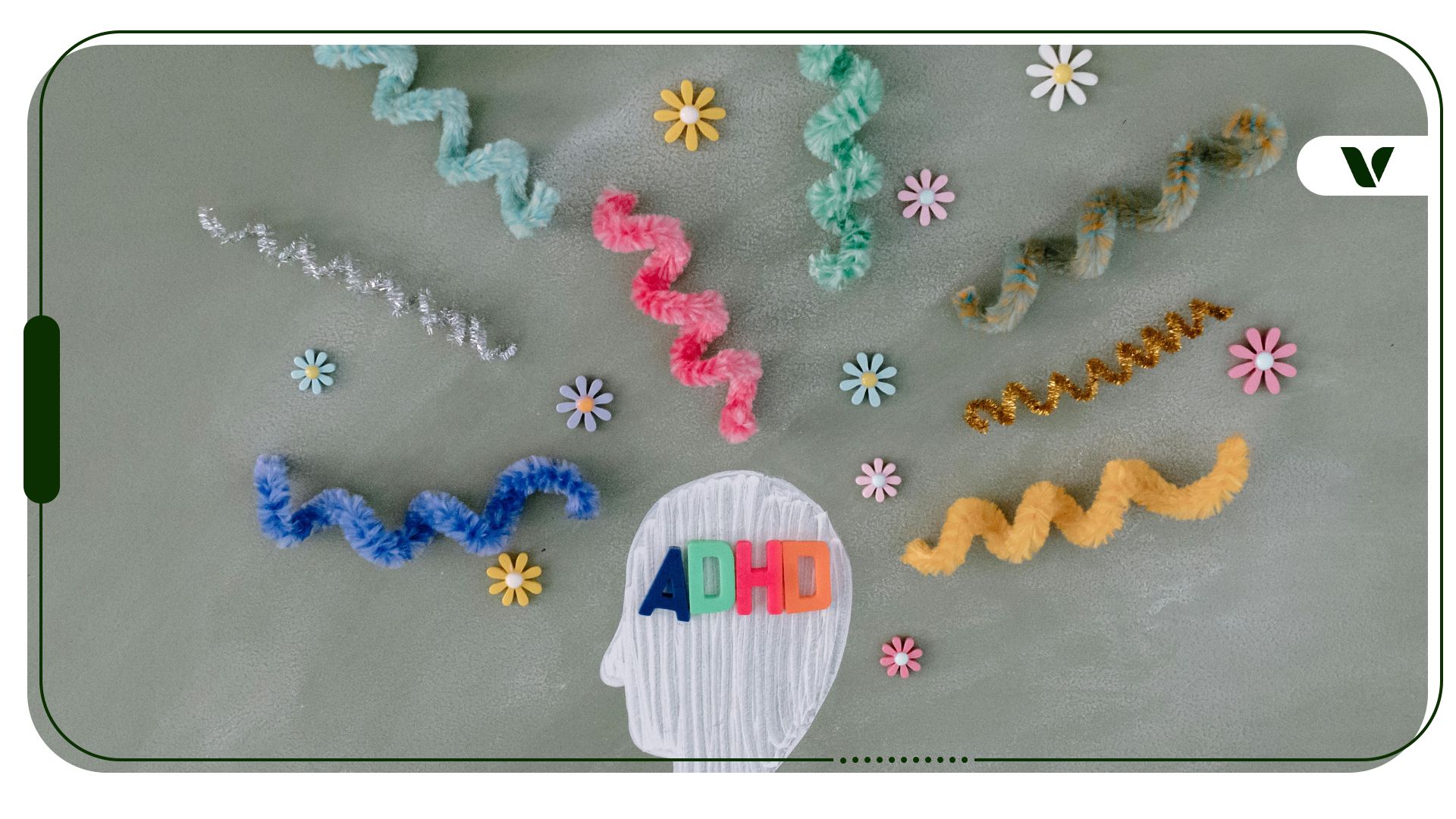
Attention-deficit/hyperactivity disorder, or ADHD, is a neurodevelopmental condition that affects how your brain works. The name may lead you to believe that it means one is unable to focus, but that’s far too basic a conceptualization to be entirely helpful.
Inattentive presentation – Where a person struggles to focus, finish tasks, or stay organized
Hyperactive-impulsive presentation – Where a person has excessive energy that prevents them from being still and causes them to act impulsively
Combined presentation – A mix of inattentive presentation and hyperactive-impulsive presentation, and the most common form of ADHD
ADHD has no formal causes, but medical professionals believe a variety of factors, from genetics to environmental factors (like exposure to lead or growing up in a home where one or more parents struggle with mental health conditions) to childhood brain injuries, could contribute to an eventual diagnosis.
What Are the Typical Treatment Options for ADHD?
The most common treatment options for ADHD include behavioral therapy and prescription medication. Most medical professionals prefer behavioral therapy as an initial treatment option, especially for young children (under 6 years). Still, medications like methylphenidate (Ritalin®) and dextroamphetamine-amphetamine (Adderall®), which work by boosting the levels of neurotransmitters in the brain, are highly effective (~70-80%) and can be instrumental in giving those diagnosed with ADHD a higher quality of life.
Medical experts also say that specific lifestyle changes can go a long way in making ADHD symptoms more manageable. Creating a routine, balanced eating habits, daily physical activity, limited screen time, breaking down projects into smaller tasks, using timers and organizers, and getting enough sleep each night can help you manage impulsivity and improve focus.
Managing common comorbid health conditions like anxiety, insomnia, depression, and substance abuse can also help achieve these goals.
At this time, it’s unclear whether cannabis could help manage ADHD symptoms. There is emerging evidence that the endocannabinoid system, a complex cell-signaling system found in all vertebrates, plays a significant role in disorders like ADHD. This means that the endocannabinoid systemcould be a potential target for treatment, specifically by activating CB1 receptors directly (via THC) or indirectly by boosting endocannabinoids (via CBD).
However, the evidence we currently have is fairly inconclusive because the data are small and limited. One small study of self-reported data done in 2022 found that people with ADHD felt that their symptoms improved when using cannabis. Another study, done in 2020, found that those who took medical marijuana to help manage their ADHD took fewer prescription medications.
Most of these studies are observational, which limits their applicability. So far, there is only one placebo-controlled study (RCT) from 2017 where a low-dose nabiximols formulation (1:1 THC:CBD, ~2.5mg each) gave secondary improvements in hyperactivity and impulsivity. A 2023 review notes improvements across 13 studies in:
See If You Qualify For Medical Marijuana -Select Your State!
Select Your State
Alabama
Alaska
Arizona
Arkansas
California
Colorado
Connecticut
Delaware
Florida
Georgia
Hawaii
Idaho
Illinois
Indiana
Iowa
Kansas
Kentucky
Louisiana
Maine
Maryland
Massachusetts
Michigan
Minnesota
Mississippi
Missouri
Montana
Nebraska
Nevada
New Hampshire
New Jersey
New Mexico
New York
North Carolina
North Dakota
Ohio
Oklahoma
Oregon
Pennsylvania
Rhode Island
South Carolina
South Dakota
Tennessee
Texas
Utah
Vermont
Virginia
Washington
West Virginia
Wisconsin
Wyoming
Never miss a post
Get updates on cannabis culture, new research, and expert insights
Concentration
Motivation
Learning
Memory
Impulsivity
While these are positive secondary improvements, most studies do not show improvements on core ADHD symptoms, or even show worsening. Researchers need to conduct more studies in this area before anyone can make a conclusive decision.
Photo Credit: iStock
Does Cannabis Make ADHD Symptoms Worse?
In the same way that there is no definitive link between cannabis and ADHD symptom relief, there is also no strong evidence that cannabis makes ADHD symptoms worse.
One review of studies done in 2023 found that there is some evidence that “cannabis can worsen symptoms of inattention, hyperactivity, and impulsivity,” and that “reduction in cannabis use might be connected with reduced use of other substances, such as alcohol, which may result in improved ADHD symptoms.”
Another study, published in 2017, found that consistent, long-term use of tetrahydrocannabinol (the primary psychoactive compound in cannabis) may be tied to a decrease in dopamine production levels. This is significant because some experts believe that lower levels of dopamine production may cause ADHD. Cannabis use, then, would become a compounding factor in the condition, which could worsen a person’s ADHD symptoms.
Researchers conducted the study on animals, so it’s still unclear whether the results apply to humans. CBD could be a better option than THC by inhibiting excitatory neurons and increasing both endocannabinoid and dopamine production that may have therapeutic effects.
Which Cannabis Products Are Best for Those with ADHD?
Although research has not yet confirmed that cannabis effectively treats ADHD, many people with the condition report that it helps them manage certain symptoms.
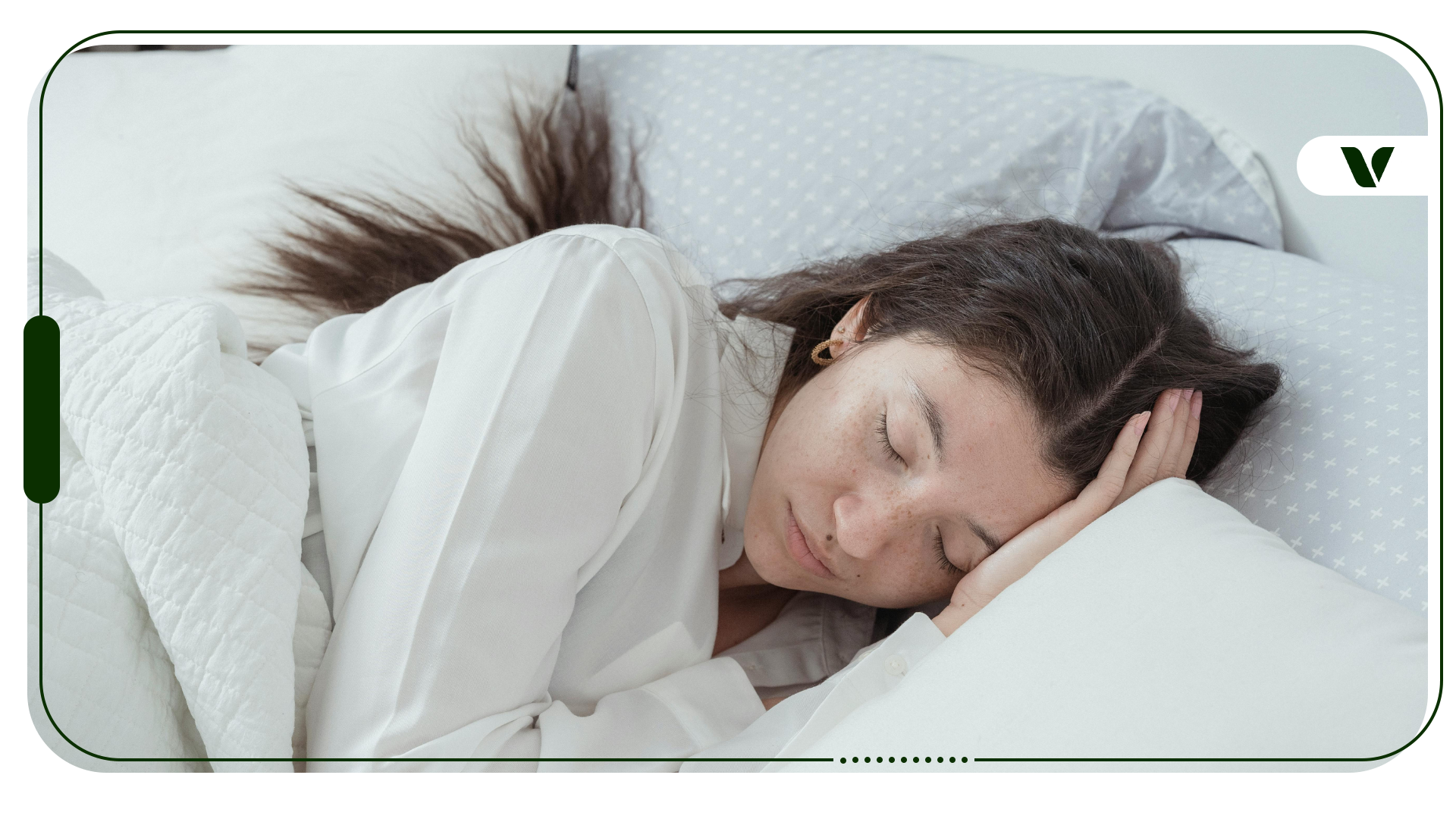
Anxiety and struggling to sleep are common effects of ADHD, and there is some good evidence that cannabis can be especially helpful in treating these symptoms for people with the condition.
For anxiety, products and strains with higher levels of cannabidiol and lower levels of tetrahydrocannabinol are most recommended. Some of the best high-CBD strains include Charlotte’s Web, Remedy, and Lifter. Brands like CBDX, Medterra, and Aspen Green also make CBD-based tinctures, gummies, and oils specifically for anxiety.
For insomnia, both THC-heavy and CBD-heavy strains of cannabis seem to work – likely ideal in a 1:1 combination, as aforementioned and shown in studies. Finding what is best for you will likely take some experimentation, since everyone is different. The most widely recommended strains for sleep include Pink Kush, ACDC, and Granddaddy Purple. Brands like cbdMD, Lazarus Naturals, and Cornbread also offer tinctures, gummies, and oils aimed specifically at helping you get a better night’s rest.
Is Cannabis Use Disorder More Prevalent in Those with ADHD?
One important thing to note in determining whether you can use cannabis to treat ADHD is that there is evidence that cannabis use disorder is more prevalent in those with ADHD.
One meta-analysis published last year finds that individuals with ADHD have nearly three times greater risk of developing CUD. Another recent study finds that people with ADHD had only a slightly increased risk of developing CUD. Keep in mind that these are focused on THC-dominant, or type I, cannabis.
There are clear links between ADHD and substance abuse in many contexts, including now with cannabis. Experts believe that personality traits that are amplified by ADHD (like impulsivity), dopamine, and reward timing changes by THC, as well as circumstances created by the condition (the need to slow a racing mind, internalization, and difficult social circumstances caused by kids with ADHD not fitting in), increase the risk of addiction.
Those who decide to use THC-dominant cannabis to help ameliorate ADHD symptoms need to be cautious that their usage doesn’t veer from productive to detrimental. Considering also that CBD and non-impairing cannabinoids have no demonstrated potential for abuse while hosting many potentially therapeutic avenues for mental and physical health, a CBD or CBG-dominant regimen may be a better option.
Speaking to your doctor about cannabis use and being honest with yourself about possible dependence are critical in ensuring cannabis remains a healthy part of a balanced lifestyle.
Madison Troyer is a Brooklyn-based freelancer with 10 years of experience covering pop culture, entertainment, lifestyle, and wellness content. Her work has appeared in outlets like The Chicago Tribune, Newsweek, and a host of other places. When she's not at her desk, you can find her training for her next marathon or reading.
According to 2020 data from the Centers for Disease Control (CDC), 14.5% of adults have trouble falling asleep most days, while 17.8% have trouble staying asleep. Other reports estimate that 50 to 70 million Americans have sleep disorders, and roughly 84 million don’t regularly get enough sleep to stay healthy. This widespread lack of sleep…
In a safe and perfect world, everyone who needs cannabis could go to a dispensary and buy safety-tested products from licensed producers. Unfortunately, we are far from living in a perfect world. Despite most states recognizing that cannabis has therapeutic potential, it’s not an easily obtainable substance for many. Many people in states without legal…
You’re here because you’ve probably considered the possibility of snorting weed like Scarface’s Tony Montana doing white lines. Now, while it is possible to shoot cannabis up your nose, it might not be your best choice. Keep reading to learn why, as we clarify what snorting cannabis means and share its pros and cons. What…
More people are talking about mast cell activation syndrome (MCAS) now than ever. The condition, marked by unexplained bouts of symptoms like swelling, diarrhea, vomiting, flushing, and itching, scientists only gave the condition a modernized classification and diagnostic criteria when they gathered at a special conference in 2010. Despite increased conversation around the condition through…
For many, dating today feels more challenging than ever. The competition is fierce, with many having to fake it to match the expectations and preferences of a limited pool of potential partners. The question that you need answered today is whether your cannabis use might be sabotaging your chances at romance. Sadly, it just might….
The statements made regarding cannabis products on this website have not been evaluated by the Food and Drug Administration (FDA). Cannabis is not an FDA-approved substance and is still illegal under federal law. The information provided on this website is intended for educational purposes only and is not intended to diagnose, treat, cure, or prevent any disease. It is not intended as medical advice and should not be considered as a substitute for advice from a healthcare professional. We strongly recommend that you consult with a physician or other qualified healthcare provider before using any cannabis products. The use of any information provided on this website is solely at your own risk.