Your medical cannabis journey simplified: find partnered dispensaries, explore pricing options, earn rewards, and get answers to FAQs, all in one spot.
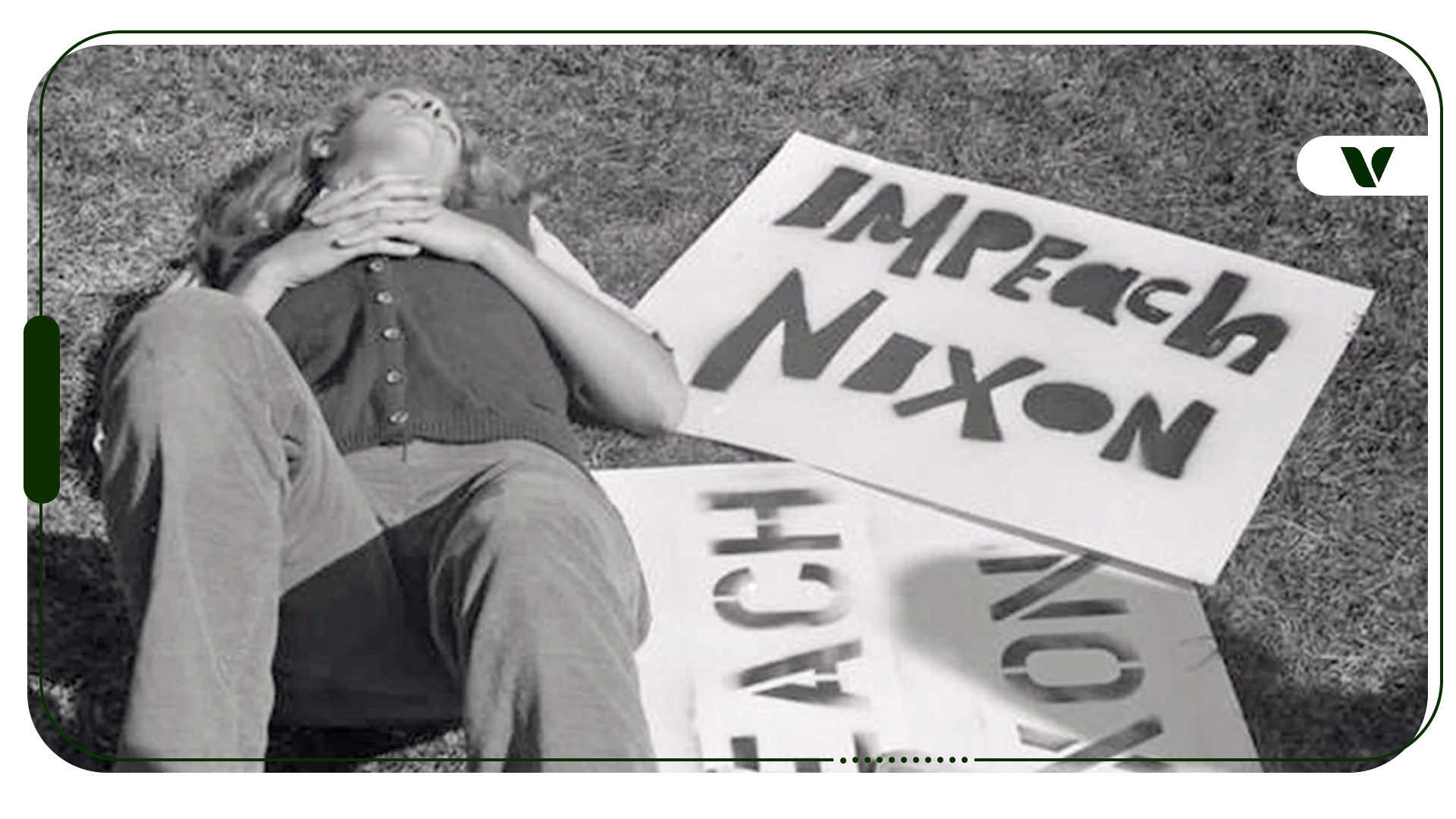
Since Richard Nixon launched the War on Drugs in 1970 — and Ronald Reagan escalated it in the 1980s — the U.S. has poured billions into fighting what those leaders labeled ‘national security threats.’ Today’s data shows that the war’s true casualties are the communities and individuals who needed treatment, not punishment.
Nixon Vs. The Counterculture of the 1960s
Vietnam War protests, the Black Power movement, and Women’s Rights all led to the development of what’s known as the counterculture— a social movement that went against the grain of conventional society and norms. The counterculture also included the youth drug culture, as marijuana, speed, and hallucinogens like lysergic acid diethylamide (LSD) all removed the collective veil of conventional norms for the first time.
For a while there, it looked like the counterculture could sustain and prevail. Thousands upon thousands of new young people expanded their minds against the many injustices contained within American life. Art, films, music, fashion, and more all reflected these deep new reflections, which no doubt sent a chill down the spine of typically straight-laced conservative folks.
The War on Drugs Begins
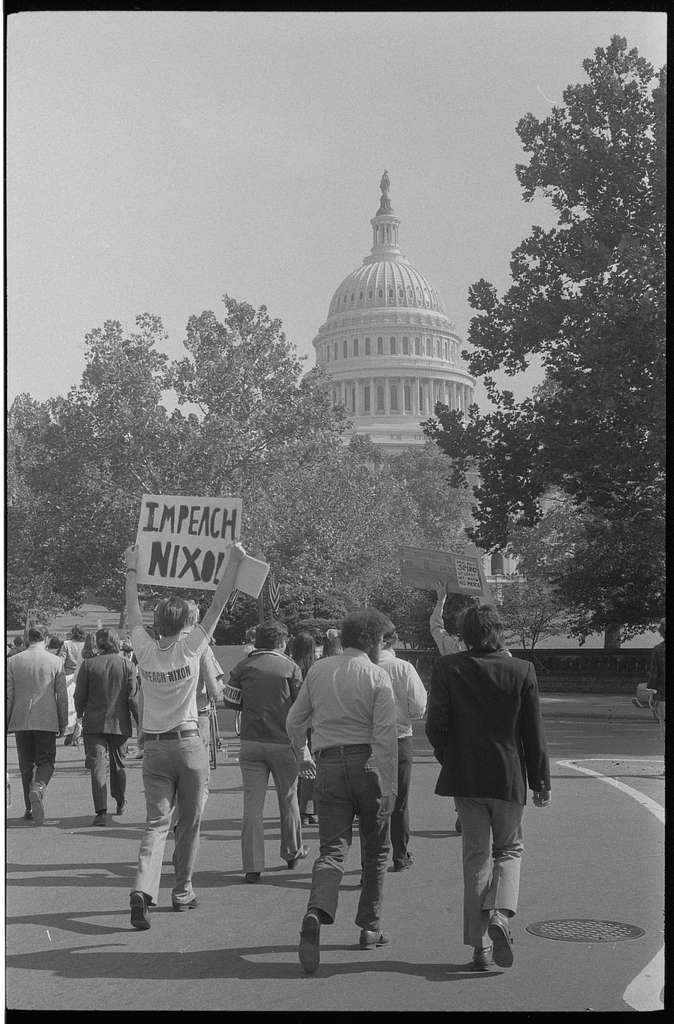
One of those ‘normies’ was Richard Milhouse Nixon, the 37th U.S. President, whose regime lasted from 1969 to 1974, when he was forced to resign for his shameful role in the Watergate scandal. Nixon was a conservative politician with strong traditional values — and a calculating streak.
Seeing the counterculture start to stem the tide of systemic racism, sexism, unnecessary war, and overall control of the hearts and minds of the youth deeply disturbed him, and so the War on Drugs began.
Controlled Substances Act
One of the first measures the Nixon administration made was to institute the Controlled Substances Act. In 1970, Nixon’s administration listed cannabis as a Schedule I drug—on par with heroin—where it remains today. This designation claims cannabis has ‘no medical value,’ ignoring decades of research proving otherwise.
The move was a purely political one: hippies, revolutionaries, and young moldable minds would be penalized harshly simply for consuming, growing, selling, and possessing a plant that has never caused any overdoses, ever.
LSD, perhaps the biggest lightning rod responsible for changes in perspectives and norms in conventional society, was made federally illegal several years ago. These classifications continue to bar important research funding regarding how cannabis and certain hallucinogens can potentially provide therapeutic value to the human race as a whole, not just Americans.
The Drug Enforcement Agency
A new era of enforcement and intimidation began during this time, continuing its reign of terror all the way up to the present day. Nixon created the Drug Enforcement Agency (DEA) in 1973 to enforce against illegal drug trafficking and distribution.
The DEA is in charge of scheduling drugs, like cannabis. Despite cannabis’s demonstrable efficacy in managing many ailments, the DEA still refuses to budge from its stance on cannabis as a Schedule I drug with no medicinal value. This classification is a huge crash and burn for its extremely wide spectrum of atrocities.
Prescription Drug Abuse
Due to cannabis’s Schedule I classification, it wasn’t previously allowed to be prescribed in place of more highly addictive and dangerous drugs such as OxyContin, benzodiazepines, adderall, and hydrocodone. Doctors over-prescribed these drugs from the late 1990s to the mid-2010s, leading an entire generation to opioid addiction solely rooted in greed by the pharmaceutical lobby.
Barriers to Research and Cannabis’s True Potential
Federal restrictions stifle research into the medicinal potential of cannabinoids. Federal prohibition means no grants or money allocated to furthering the research. This designation also affects the potential of psychedelic substances like psilocybin, ayahuasca, DMT, and others that have demonstrated efficacy in treating a host of mental health disorders.
The Rise of the Black Market
Cannabis prohibition fuels the black market. People still want and need access to cannabis despite laws saying otherwise. This need for access creates cartels and large-scale drug operations that are sometimes run by criminal enterprises.
It also removes safe access to weed, leaving consumers vulnerable to prosecution for simply looking for relief. Testing of contaminants is also nonexistent. Legalization creates safer, healthier access to cannabis, without fear of incarceration or adverse health effects.
Inconsistency Across Different States
Federal inaction forces states to design their own medical and recreational cannabis programs. One state may allow full access to all types of cannabis products, while another state next to it can throw the book at anyone caught with cannabis or psychedelics within their specific borders. Some Americans are allowed access, while others are barred with serious consequences if caught.
Reagan Takes the War On Drugs to The Next Level
After Nixon’s fall as a result of his Watergate involvement, the U.S. still did not see any significant shifts away from the heavy presence and inconsistency of the War on Drugs.
President Jimmy Carter supported the decriminalization of cannabis and efforts to treat cannabis possession and consumption as a public health crisis issue instead of a criminal act.
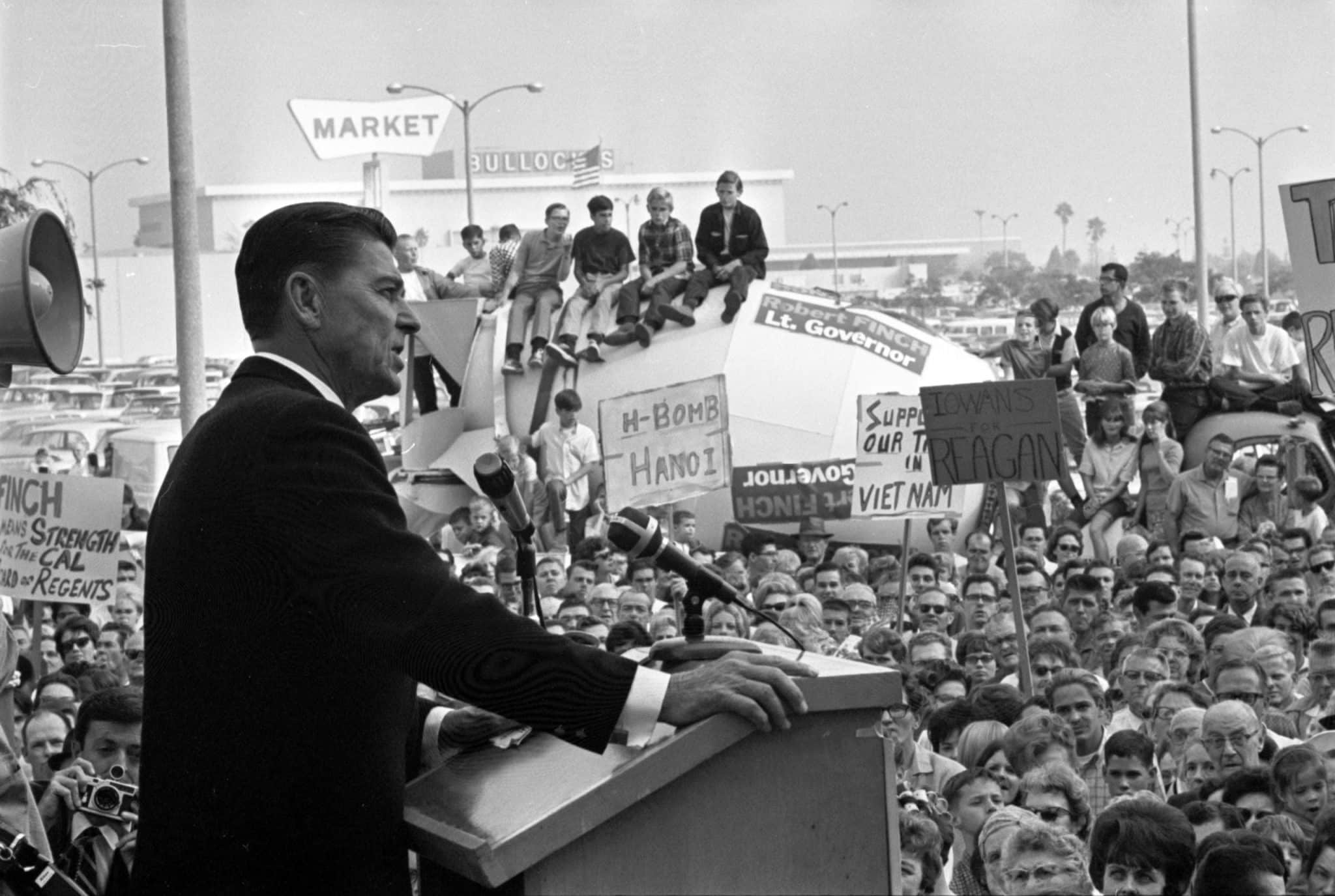
Despite Carter’s appeal to the better angels, conservative approaches to drug policy remained. And once Ronald Reagan assumed the reins of the highest office in the land in 1981, the War on Drugs shifted into a higher gear.
The Second Phase of the War on Drugs Begins
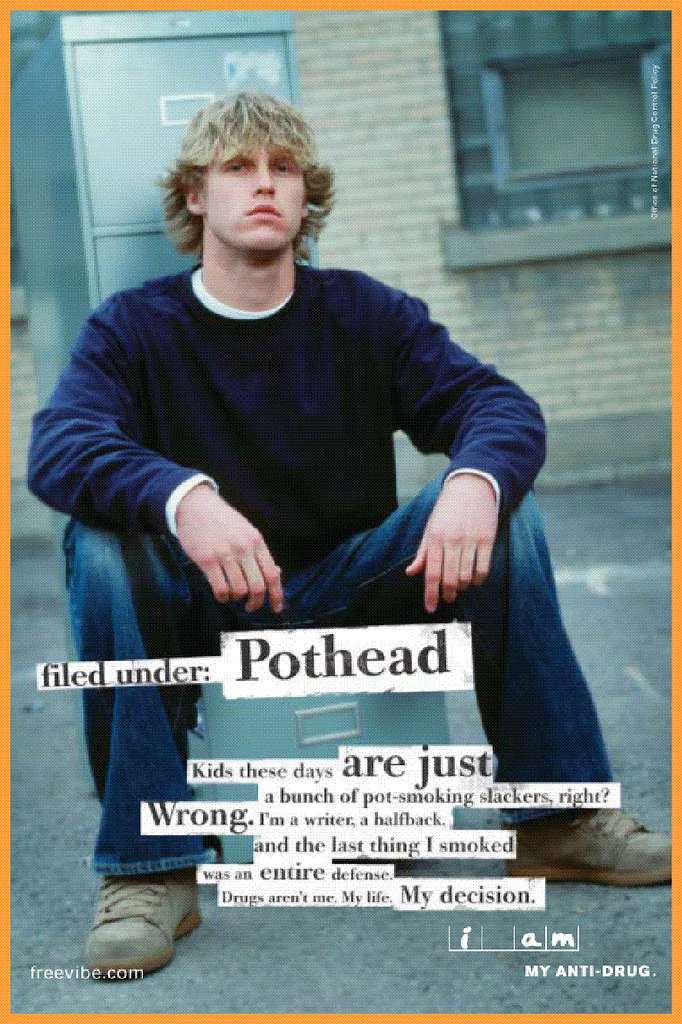
Regan viewed drug use as a national security threat to ‘traditional’ American values: publicly saying as much, and politically acting as such. First Lady Nancy Reagan’s ‘Just Say NO’ anti-drug campaign was also rolled out nationally as the public-facing side of these ultimately flawed and failed drug policies.
The ‘War On Drugs’ campaign officially began in 1982. Policing and prisons received huge windfalls of federal tax dollars, while drug rehabilitation and treatment program dollars gradually dwindled and disappeared. The results created an onslaught of destructive ‘zero tolerance’ measures that American society still grapples with the fallout from.
Comprehensive Crime Control Act of 1984
The Comprehensive Crime Control Act of 1984 updated the criminal code system in the U.S, essentially laying the groundwork for the implementation of a stricter framework regarding how law enforcement and the judicial system reckon with drug offenders.
The act empowered prosecutors to pursue harsher sentences for everyone from major traffickers to non-violent, low-level offenders. Criminal records from these convictions barred plenty of people from accessing employment, housing, and the power to participate in their governments by voting.
See If You Qualify For Medical Marijuana -Select Your State!
Select Your State
Alabama
Alaska
Arizona
Arkansas
California
Colorado
Connecticut
Delaware
Florida
Georgia
Hawaii
Idaho
Illinois
Indiana
Iowa
Kansas
Kentucky
Louisiana
Maine
Maryland
Massachusetts
Michigan
Minnesota
Mississippi
Missouri
Montana
Nebraska
Nevada
New Hampshire
New Jersey
New Mexico
New York
North Carolina
North Dakota
Ohio
Oklahoma
Oregon
Pennsylvania
Rhode Island
South Carolina
South Dakota
Tennessee
Texas
Utah
Vermont
Virginia
Washington
West Virginia
Wisconsin
Wyoming
Never miss a post
Get updates on cannabis culture, new research, and expert insights
Law enforcement could seize cars, cash, and property from anyone merely suspected of drug ties—without securing a conviction. Seized property and cash became part of federal law enforcement budgets, incentivizing more aggressive law enforcement efforts. These funds have bankrolled the War on Drugs’ antics throughout its entire tenure—some estimates of civil forfeiture annual numbers have reached over $500 million annually.
Anti-Drug Abuse Act of 1986
The law stripped judges of discretion and imposed mandatory minimum sentences for all drug offenses. Mandatory minimum sentences were instead established for federally illegal drugs, including cannabis, LSD, and cocaine.
Many of these sentencing guidelines have gone by the wayside since then, but those changes weren’t retroactive; there are still plenty of people in prison for non-violent drug offenses due to the unfair nature of this shift. The same destructive legislation also replaced many rehabilitative aims existing in the justice system with correctional measures.
Private, for-profit prisons worked with federal enforcement officials, incentivizing incarceration as a model for shareholders to buy new summer homes. Politicians and shareholders for these private prisons are very often the same entities, emphasizing a separate profit-driven motive for the War on Drugs’ dominant brutality alongside its inherently systemic racism.
Incarceration Rates, Especially Among Minorities, Dramatically Increased
Crack cocaine had permeated Black communities in the 1980s, reportedly as a covert CIA operation intent on destruction. Powder cocaine had become a status symbol during the same time for wealthier white folks, often in white-collar social circles. So, as no surprise, this same act also increased the penalties for crack cocaine compared to powder cocaine at a rate of 100 to 1. Incarceration rates rose astronomically, and the number of black people doing time in federal prison rose an astonishing 400% once mandatory minimums were imposed.
The War on Drugs Rages On Into the ’90s
The aggressive efforts of Reagan’s presidency didn’t let up in the 1990s either. Reagan’s successor, George Bush, continued the proliferation of law enforcement efforts and penalties, as did Bill Clinton, the 42nd President. Clinton’s 1994 Crime Bill provided the allocation of 100,000 new police officers on the streets, and expanded the death penalty for some drug crimes.
3 Strikes & You’re Out
As a major part of the Crime Bill, any serious drug offense combined with two violent felonies automatically resulted in a life sentence. This policy became officially known as “3 Strikes and You’re Out”.
Prison populations already at their brink increased in no time. Mandatory minimum sentencing for drug offenses, along with the crack vs. powder sentencing travesty, continued to plague minority and low-income communities en masse. Private prisons continued to expand, while shareholders continued to reap the profits.
Students in the 90s were also exposed to DARE (Drug Abuse Resistance Education) by educators and widespread television fear mongering with ads like “This Is Your Brain On Drugs,” despite evidence demonstrating these aims had little effect. Maybe they just missed Dear Mrs. Reagan telling them to “Just Say NO.”
Public Opinion & Policy Finally Begin to Shift
An amazing thing happened towards the end of the 1990s and into the new millennium: society and lawmakers began to shift their perspectives. Civil rights groups and scholars amplified cold-blooded, undeniable statistics about the War on Drugs’ damage, positively shifting public opinion.
Drug abuse treatment and recovery became a more compassionate route instead of tossing everyone in jail and throwing away the key. Drug courts and rehabilitation programs took the place of many jail sentences for simple possession.
Medical and Recreational Cannabis Legalization
The adoption of the nation’s first medical marijuana program in 1996 was the first real turning point in cannabis policy. As more states began to enact their medical marijuana programs, not only were fewer people being incarcerated for it, but safe access and a legitimizing of the potential medical efficacy of cannabis compared to addictive substances was undeniable.
It would take 18 more years, but recreational weed for Adults 21 and older became the other, more positive end of the spectrum to the War on Drugs. States that legalized weed did not devolve into crime-infested hell holes, contrary to some political rhetoric. They instead provide safe access to cannabis to the masses who find it a better alternative to alcohol and drugs.
Legal Cannabis Provides Valuable Tax Dollars, Sky Still Remains Intact
A majority of Americans voiced support for cannabis, as well as acknowledged the failures of the War on Drugs for the first time, around the mid-2010s. The popularity of cannabis is undeniable and unstoppable at this point.
Legal states continue to collect record-breaking cannabis tax revenue. A valuable lesson to be learned from that is that flowing with a force rather than using all your resources to fight it often produces more fruitful results—take note, the War on Drugs.
Many of the same drug war survivors, like the famous cannabis breeder Chemdog, are now part of a lucrative and legal landscape of cannabis. While the states continue to show the country that legalizing weed won’t make the sky fall, federal policy still lags—cannabis remains a Schedule I drug.
Social Justice Reform to Counter Failed Policies
Many states that have legalized cannabis have also implemented social justice reforms. Many states now ban police from using the smell of cannabis as probable cause for a search. The practice of using police stops as a means to bust you for your stash is over in many places now.
Easier expungement so that folks can still get jobs despite prior convictions for non-violent possession charges also came to fruition due to legalization.
Reinvestment taxes and social equity programs also light the way for minorities to be directly involved in legal cannabis in their own communities. Harsh sentences no longer dominate the code systems of many states, and sentence reductions are now normal occurrences for prisoners still doing time as victims of the War on Drugs.
Psychedelics in the Modern Age
Drugs like psilocybin, DMT, ayahuasca, ketamine, and ibogaine have all evolved into what some states now allow as Natural Medicine. Oregon, Colorado, and New Mexico recently started the next wave of countering the ill effects of the War on Drugs.
Their potential ability to manage addiction, depression, and other mental health issues has pushed psychedelics to the forefront of modern health research. Some form of decriminalization exists in different regions of the U.S. for some of these compounds—another major contrast with the ridiculous policies of just a few decades prior.
The Ultimate Failures of the War on Drugs
The War on Drugs’ failures still echo across communities, but their grip is finally loosening. The slow decline of federal and state tax dollars to fight drug epidemics rather than treat them is also present.
Tax dollars in a majority of states are now boosted by hundreds of millions more for use in funding schools, roads, and services like social equity sharing— demonstrating even more shortcomings caused by decades of failed drug policy in our country.
The emergence of psychedelic drugs as a potential mental health aid is another sign that things are getting better; however, many challenges remain. It also illuminates hope that a higher collective consciousness will someday ensure the war machine remains permanently out of order.
Anthony DiMeo is a Southern New Jersey-based journalist and cannabis advocate whose work and advocacy have been featured in Leafly, DOPE Magazine, and the Philadelphia Inquirer. Hobbies include navigating interdimensional psychedelic energy vortexes and tennis.
In the school of life, tetrahydrocannabinol (THC), the most popular intoxicating cannabis compound, is like the popular kid everyone knows by name. The center of attention, always getting talked about, and highly sought after. Cannabidiol (CBD), on the other hand, gets a little less love. It’s more like the quiet honor student: low-key, non-intoxicating, rarely…
In the confusing landscape of state-by-state medical marijuana legalization and federal prohibition lies a patient’s pursuit of a better quality of life, balanced with an unrestricted financial livelihood. In workplaces across many different medical marijuana legal states, no law guarantees that a valid, card-carrying MMJ patient status exempts an employee from termination or discrimination stemming…
An alarming trend has recently come to light: more non-smokers are getting lung cancer than ever before. Given that lung cancer is the most common worldwide and the leading cause of cancer death, you may be worried about the implications of your cannabis habits. How much does cannabis contribute to lung cancer risk? According to…
It feels like every other day, a fresh slang term pops up in the cannabis lexicon, and today, we’re looking at an entry that’s all over TikTok and Reddit – Yart! Spoiler alert: it has everything to do with the humble vape cart (and how challenging it is to talk about cannabis on social media). …
The final stage of life often brings profound challenges for both patients and their families. For patients in hospice and palliative care, common symptoms not only affect the physical body but also their mental well-being. While traditional medications may dull pain, they often come with heavy sedation, confusion, and loss of clarity. Fortunately, medical cannabis…
The statements made regarding cannabis products on this website have not been evaluated by the Food and Drug Administration (FDA). Cannabis is not an FDA-approved substance and is still illegal under federal law. The information provided on this website is intended for educational purposes only and is not intended to diagnose, treat, cure, or prevent any disease. It is not intended as medical advice and should not be considered as a substitute for advice from a healthcare professional. We strongly recommend that you consult with a physician or other qualified healthcare provider before using any cannabis products. The use of any information provided on this website is solely at your own risk.