Your medical cannabis journey simplified: find partnered dispensaries, explore pricing options, earn rewards, and get answers to FAQs, all in one spot.
As of 2025, 24 U.S. states plus Washington, D.C. have legalized recreational cannabis, and 38 states have legalized cannabis in some form—including medical marijuana programs. But cannabis legalization in the United States isn’t universal. Your state determines not only if it’s legal, but also how each state defines cannabis possession, purchasing, growing, and consumption.
This breakdown of cannabis laws by state will help you quickly understand where recreational cannabis is legal, which states allow medical marijuana, where cannabis remains prohibited, and how federal vs. state rules affect possession, travel, and usage across the U.S.
Understanding Cannabis Laws in the United States
Cannabis laws in the United States exist in conflict between state legalization and federal prohibition. Although many states have legalized cannabis for medical or recreational use, it remains federally illegal as a Schedule I substance—creating a complex legal patchwork.
Some states allow recreational cannabis, others only medical use, and a few prohibit it entirely, meaning “where is cannabis legal?” depends on state law. Many states have also decriminalized possession, but decriminalization simply reduces penalties and does not legalize regulated sales.
Because marijuana legalization by the state differs, each state controls its own rules for possession, purchase, and use. Laws are evolving quickly, so staying up to date—especially when traveling—is essential. However, federal law still overrides state law in areas such as interstate travel, national parks, border zones, and federal employment.
Overview of the Current Cannabis Legalization in the United States
Cannabis legalization in the United States continues to expand, with more states updating their marijuana laws each year. Some now allow recreational use for adults 21+, others restrict access to medical marijuana, and a few still prohibit cannabis entirely.
Several states have decriminalized possession, though this does not allow legal sales. Despite broad progress, cannabis remains illegal under federal law, creating a contradiction where weed is legal in many states but banned nationally.
Because of this, cannabis legality in the U.S. depends almost entirely on state policy. Marijuana legalization in 2025 and into 2026 continues to accelerate as public support grows, tax revenue increases, and more states consider regulated markets—making it essential to stay updated on changing laws.
Cannabis Laws by State
Below is a breakdown of every state and its current legal cannabis status in 2025, allowing you to quickly see where recreational or medical cannabis is permitted and where cannabis laws remain restrictive.
Alabama: Medical cannabis is legal in limited forms, and recreational cannabis remains illegal.
Alaska: Both recreational and medical cannabis are legal statewide.
Arizona: Recreational and medical cannabis are legal statewide.
Arkansas: Medical marijuana is legal, but recreational use is illegal.
California: Recreational and medical cannabis are legal, and the state maintains one of the largest cannabis markets in the U.S.
Colorado: Recreational and medical cannabis are legal, and Colorado was among the first states to legalize adult use.
Connecticut: Recreational and medical cannabis are legal, and legal retail sales are active.
Delaware: Recreational cannabis is legalized and rolling out, and medical cannabis is legal.
Florida: Medical cannabis is legal, but recreational cannabis remains illegal.
Georgia: Low-THC cannabis oil is permitted for medical use, but full-strength THC and recreational cannabis are illegal.
Hawaii: Medical cannabis is legal, and recreational legalization remains under consideration.
Idaho: Cannabis is illegal with no medical program.
Illinois: Recreational and medical cannabis are legal statewide.
Indiana: Cannabis is illegal except for hemp-derived CBD with very low THC.
Iowa: Medical cannabis is allowed in restricted, low-THC forms, and recreational use is illegal.
Kansas: Cannabis is illegal, with only zero-THC or CBD permitted.
Kentucky: Medical cannabis was legalized and launched in 2025, but recreational cannabis remains illegal.
Louisiana: Medical cannabis is legal, including smokable flower, while recreational use is illegal.
Maine: Recreational and medical cannabis are legal statewide.
Maryland: Recreational and medical cannabis are legal, and adult-use sales have fully launched.
Massachusetts: Recreational and medical cannabis are legal, and dispensaries are widely available.
Michigan: Recreational and medical cannabis are legal for adults 21 and older.
Minnesota: Recreational cannabis has been legalized and is in the process of rolling out, and the medical program remains active.
Mississippi: Medical cannabis is legal, but recreational cannabis is illegal.
Missouri: Recreational and medical cannabis are legal statewide.
Montana: Recreational and medical cannabis are legal for adults 21 and older.
Nebraska: Cannabis remains illegal, although minor possession amounts are partially decriminalized.
Nevada: Recreational and medical cannabis are legal, and consumption lounges are expanding.
New Hampshire: Medical cannabis is legal, and recreational cannabis is illegal but decriminalized.
New Jersey: Recreational and medical cannabis are legal, and adults can purchase from licensed dispensaries.
New Mexico: Recreational and medical cannabis are legal with open consumer access.
New York: Recreational and medical cannabis are legal statewide.
North Carolina: Cannabis is illegal, but small-amount possession is decriminalized, and medical legislation is pending.
North Dakota: Medical cannabis is legal, but recreational use remains illegal.
Ohio: Recreational and medical cannabis are legal statewide.
Oklahoma: Medical cannabis is widely accessible, but recreational cannabis is illegal.
Oregon: Recreational and medical cannabis are legal statewide.
Pennsylvania: Medical cannabis is legal, but recreational cannabis is still illegal.
Rhode Island: Recreational and medical cannabis are legal statewide.
South Carolina: Cannabis is illegal except for minimal CBD-based medical use.
South Dakota: Medical cannabis is legal, and recreational legalization was initially passed but later overturned.
Tennessee: Cannabis is illegal except for limited low-THC and CBD, and no medical cannabis program.
Texas: Only low-THC medical cannabis is allowed, and recreational cannabis remains illegal.
Utah: Medical cannabis is legal, but recreational cannabis is illegal.
Vermont: Recreational and medical cannabis are legal statewide.
Virginia: Recreational possession is legal while retail sales have not yet launched, and medical cannabis is legal.
Washington: Recreational and medical cannabis are legal statewide.
West Virginia: Medical cannabis is legal, and recreational cannabis is illegal.
Wisconsin: Cannabis is illegal except for minimal-THC and CBD products.
Wyoming: Cannabis is illegal, with strict enforcement policies.
Crossing State Lines and Travel Rules
Traveling with cannabis in 2025 requires caution because cannabis laws by state do not always match federal law. Federal regulations still apply to marijuana possession on airplanes, border crossings, national parks, waterways, and interstate travel.
As marijuana legalization by the state continues to expand, the rules are evolving quickly. Travelers should always check local and federal guidelines before flying, driving, or crossing any jurisdictional boundary.
Airports and Airlines
Cannabis remains illegal on airplanes and in airports under federal law, even if you’re traveling between two states with legalized marijuana. The TSA follows federal regulations, not state policy, so it is required to report any cannabis found during screening to law enforcement. Even if you have a medical marijuana card, it’s still illegal to possess cannabis in an airport or on an airplane.
Driving Across State Lines
Driving and possessing cannabis within a legal cannabis state is generally allowed as long as it’s stored properly—sealed, secured, and not used while driving. But the moment you cross into another state, even if both states allow marijuana, you fall under federal interstate jurisdiction.
Transporting cannabis across state lines is illegal under federal law, regardless of whether it’s flower, edibles, concentrates, or vapes. Currently, the only legally safe way to drive with cannabis is to stay inside one state’s borders.
Boating and Cruises
Cannabis possession is also illegal on federal waterways, maritime routes, and nearly all cruise ships because they fall under federal jurisdiction. This includes lakes, rivers, and ocean routes managed by the U.S. Coast Guard.
Even if a departure or destination state allows legal cannabis, bringing cannabis aboard a cruise or boat risks confiscation, fines, or criminal penalties. Because these environments fall under federal law, cannabis remains prohibited.
Purchasing and Using Cannabis in Other States
Even if you travel to another state where cannabis is legal, that does not mean you’re allowed to bring your own cannabis with you. Some states allow purchasing cannabis only within their borders and only for residents, while others allow recreational visitors to buy marijuana legally.
A few medical marijuana states have reciprocity programs that accept out-of-state medical cards, but these are limited and vary widely. The safest approach is to wait until you reach your destination and purchase cannabis legally there rather than traveling with it.
Key Legal Factors to Know About Marijuana Legalization in the U.S.
Marijuana legalization in 2025 varies not only by state but also by how each state defines cannabis possession, purchasing, growing, and consumption. Understanding these key legal factors helps you stay compliant wherever you are.
Legalization vs. Decriminalization: Legalization allows the licensed purchase and regulated sale of cannabis. Decriminalization reduces penalties for possession but does not make buying or selling cannabis legal.
Age Restrictions: Recreational weed states limit use to adults 21+, while medical marijuana states may allow patients under 21 with caregiver authorization.
Possession Limits: Every state sets its own legal possession amount. Exceeding this limit can still result in criminal penalties even in marijuana legal states.
Medical vs. Recreational Access: Some states allow recreational purchasing, while others require a valid medical marijuana card.
Home Cultivation Rules: Some states allow home-growing of cannabis for medical or recreational use, usually with per-person or household plant limits. Other states prohibit home cannabis cultivation entirely.
Employer Policies: Even in states where cannabis is legal, employers may still enforce drug-free workplace rules.
Housing and Landlord Policies: Landlords and property owners may restrict cannabis consumption on private property.
Frequently Asked Questions
Where is cannabis legal in the United States?
Cannabis legality varies by state. Some states allow both recreational and medical use, others only medical use, and a few prohibit cannabis altogether.
Which states allow recreational marijuana use in 2025?
As of May 2025, 24 U.S. states and Washington, D.C., have fully legalized cannabis for recreational use. States including California, Colorado, Michigan, New York, Oregon, Ohio, and Illinois allow adults 21+ to purchase recreational cannabis legally.
Which states only allow medical cannabis?
As of July 2025, medical marijuana is legal in 40 U.S. states, four territories, and Washington, D.C. Some of the remaining 10 states have restrictive programs that typically allow only low-THC, high-CBD cannabis products for very limited medical conditions.
What’s the difference between legalization and decriminalization?
Legalization permits the legal purchase and possession of cannabis. Decriminalization reduces penalties for possession but does not allow legal sales.
Can you use your medical marijuana card in another state?
Some states accept out-of-state medical cards through reciprocity, but many do not. Always check the destination state’s cannabis reciprocity laws.
Is cannabis still illegal under federal law?
Yes, cannabis remains illegal federally, even in states where marijuana is legal.
Can you travel across states with legal cannabis?
No, federal law prohibits transporting cannabis across state lines, even between two legal cannabis states.
Which states recently legalized cannabis?
Minnesota, Maryland, Ohio, Delaware, and Missouri recently expanded cannabis legalization, with more states considering changes in 2025.
How often do cannabis laws change by state?
Cannabis laws change frequently, with updates often occurring every legislative cycle and sometimes multiple times per year.
How can I find the latest cannabis law updates in my state?
Check your state’s official cannabis regulatory website or rely on trusted sources like Veriheal for current cannabis laws by state.
Sarah Welk Baynum is a Columbus, Ohio based published fiction author and experienced freelance writer specializing in long-form content. When she isn't working on her next novel or writing for her clients, she enjoys spending time riding and competing in showjumping or eventing with her two horses, Tilly and Letty.
I gave cbd gummies a try for the cardinal previously, and I’m amazed! They tasted excessive and provided a sense of calmness and relaxation. My stress melted away, and I slept better too. These gummies are a game-changer on the side of me, and I enthusiastically commend them to anyone seeking natural emphasis relief and better sleep.
I tried cbd products for the from the word go time mould week, and I’m genuinely surprised by way of the results. I’ve struggled with eagerness and accessory sleeplessness, and CBD seemed to provide a arcane, yet effective, quickness of calm and relaxation. There was no ‘capital,’ no more than a gentle easing of my concern symptoms and a more soporific incessantly’s sleep. It tasted a atom dirty, but that’s a little trade-off for instinct more at peace. I’m looking step up to seeing how it helps in the prolonged run.
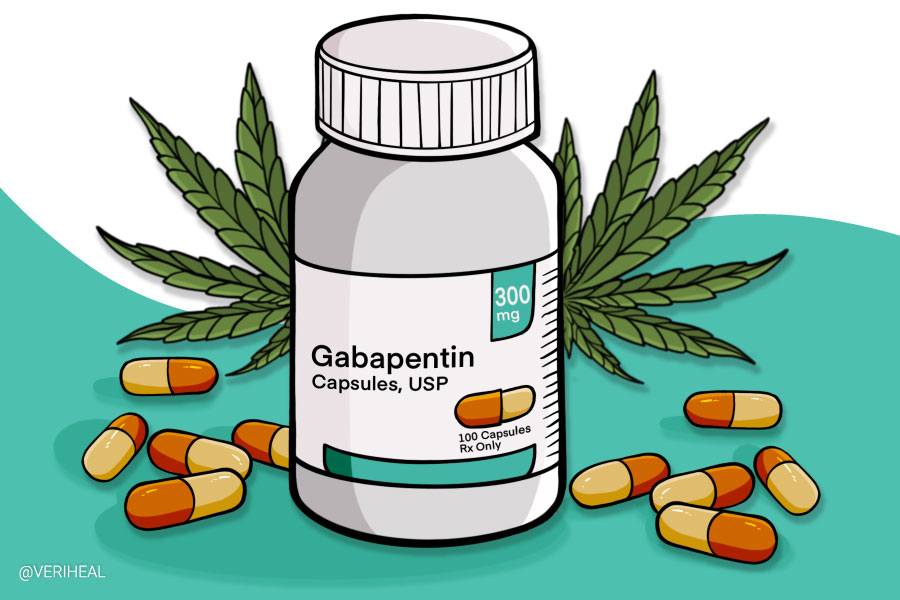
According to the New York Times, 64 million gabapentin prescriptions were dispensed in 2016, with numbers continuing to rise each year. Many patients now explore medical cannabis as an alternative after experiencing gabapentin’s concerning side effects, including FDA warnings about serious respiratory problems. Both treatments target similar conditions like nerve pain and seizures, but they…
An Oklahoma medical marijuana card provides legal protection under state law, but it can still affect employment, commercial driving, firearms, privacy, and federally regulated situations. This guide explains the main consequences to consider before applying, including workplace drug testing, CDL rules, insurance, housing, and registry privacy.
Getting a medical marijuana card in Oklahoma can be completed online, with no specific qualifying condition required for adult applicants. This guide covers eligibility, telehealth evaluations, required documents, OMMA application steps, fees, processing times, and what patients can do once approved.
A same-day telehealth appointment in Oklahoma can get you a physician recommendation quickly, but OMMA still needs to process your medical marijuana license application. This guide explains the timeline, required documents, costs, and when you can legally visit a dispensary while waiting for the physical card.
Medical marijuana has been legal in Oklahoma since 2018, with eligibility determined by physician judgment rather than a fixed list of qualifying conditions. This guide explains how the OMMA program works, patient rights and possession limits, recreational cannabis laws, federal restrictions, and how Oklahoma compares with neighboring states.
The statements made regarding cannabis products on this website have not been evaluated by the Food and Drug Administration (FDA). Cannabis is not an FDA-approved substance and is still illegal under federal law. The information provided on this website is intended for educational purposes only and is not intended to diagnose, treat, cure, or prevent any disease. It is not intended as medical advice and should not be considered as a substitute for advice from a healthcare professional. We strongly recommend that you consult with a physician or other qualified healthcare provider before using any cannabis products. The use of any information provided on this website is solely at your own risk.