1-855-452-6224 (Customer Support Available 24/7)

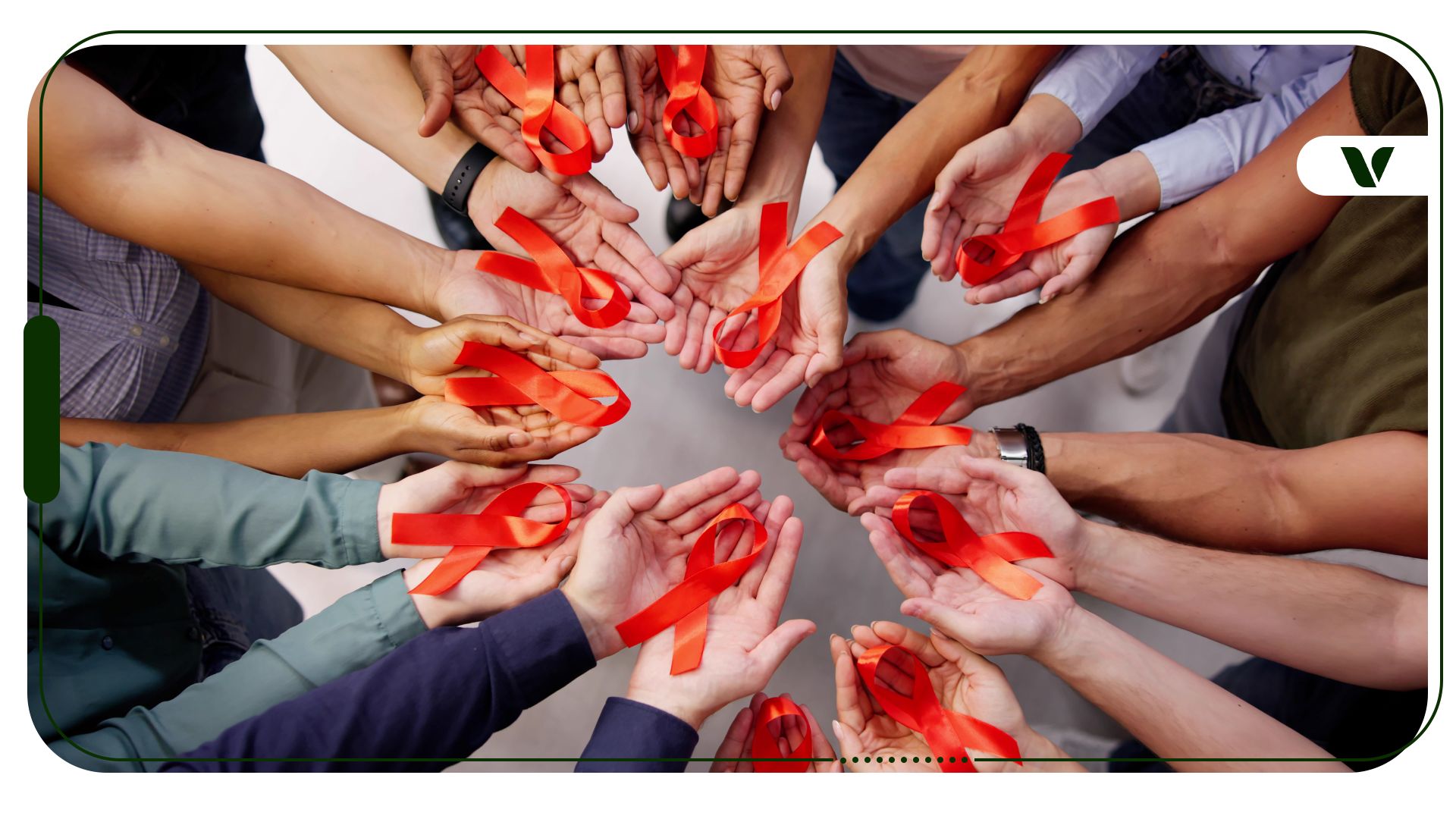
On June 5, 1981, the US Centers for Disease Control published an article titled “Pneumocystis Pneumonia– Los Angeles” that reported on five cases of a rare lung infection in previously healthy, young, gay men in Los Angeles. The story revealed that along with this rare lung condition, the men had other uncommon infections, implying that their immune systems were not functioning correctly.
Over the next several days, doctors from around the country started contacting the CDC with accounts of similar experiences. They were all encountering gay men who had previously been healthy but were now developing bizarre, rarely-seen opportunistic infections and cancers. Clueless as to what was actually at the root of these illnesses, the scientific and queer communities began to refer to the pandemic as “Gay Men’s Pneumonia” or “gay cancer.”
Later that summer, Larry Kramer, an acclaimed playwright, author, and director, convened a meeting in his New York City apartment to discuss the crisis. The 80 gay men who attended the gathering raised $6,635 for research—the only funds raised to fight HIV/AIDS that year.
In those early years, fighting HIV/AIDs was very much a grassroots effort. There was little, if any, support from public health agencies and government bodies. And in their desperation for answers and solutions, the queer community was willing to try anything, including medical cannabis.
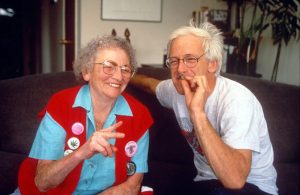
In his memoir, Dennis Peron described himself as “a gay kid from Long Island who joined the Air Force to get away from home.” He arrived in San Francisco in 1969 carrying two pounds of cannabis in his bag and quickly began selling weed, building a reputation as one of the city’s biggest dealers. As a Vietnam veteran and proud member of the LGBTQIA+ community, he actively protested for equal rights, helped get Harvey Milk elected, and lived openly with his long-term partner, Jonathan West.
When AIDs began ravaging his community, Peron was hearing from sick friends and acquaintances that cannabis helped manage some of their worst symptoms like nausea and AIDS-related wasting syndrome. So he began supplying as many people as he could, working in tandem with other cannabis advocates like Mary Rathburn.
A retiree, Mary Rathbun, started selling pot brownies in the 1970s to help supplement her social security income. In 1981, authorities arrested her and sentenced her to 500 hours of community service. It was through this court-ordered volunteer work that she met and informally adopted hundreds of San Franciscans dying of AIDs. After learning how much cannabis helped with their pain management, Rathburn began giving away her pot brownies to sick locals, baking upwards of 1,600 a month just to meet demands.
In 1992, police arrested Brownie Mary, as Rathburn was affectionately called, while she was on her way to distribute a batch of brownies around San Francisco General Hospital’s AIDS ward. Realizing how sensational the story could be, Rathburn and Peron put their heads together and created a media blitz around her case, giving interviews to the press and emphasizing the contrast between Rathburn’s real persona (a white-haired, advocate with a long record of recognized volunteer work) and the state’s story (that she was a criminal with no regard for the law).
In the summer of that year, San Francisco’s Board of Supervisors invited Rathburn to meet with them. Her testimony about the value of medical cannabis was so influential that the board passed a resolution that deprioritized the arrests and persecution of medical marijuana suppliers.
READ: Who Was Dennis Peron and How Did He Impact Cannabis Legalization?

Seizing on that shift in attitude, Peron founded the Cannabis Buyers’ Club, the first medical dispensary in the United States, in 1994. Although not strictly legal, Peron banked on the newly passed resolution to prevent the law from interfering with the business.
When the San Francisco Cannabis Buyers’ Club opened well over a decade into the HIV/AIDs epidemic, there were still very few medications available for sick individuals. Cannabis was, for many, the absolute best option for managing their pain and the debilitating side effects of the few medications that did exist. The dispensary also acted as a sort of community center for those with HIV/AIDs, featuring a cafe, several lounges, and a performance space in addition to the retail area.
In 1996, it also became the de facto headquarters for Proposition 215. Peron and Anna Boyce, a registered nurse and cancer patient advocate, spearheaded the ballot measure, which would allow anyone in California to legally buy medical cannabis with a doctor’s recommendation. The members of the Cannabis Buyers’ Club worked around the clock from the downtown storefront to collect signatures and garner support for the resolution.
Their effort paid off, and later that year, California passed the Compassionate Use Act, becoming the first state in the country to legalize the sale of medical marijuana.
As of 2025, 39 states and the District of Columbia have legalized medical marijuana. Jonathan Caulkins, a public policy professor at Carnegie Mellon University, told SFGATE that the gay community in San Francisco during the ’80s and ’90s largely shaped the country’s current stance on medical cannabis, not the Capitol Hill politicians who often try to take credit.
The grassroots efforts of people like Peron and Rathburn inspired the reforms we benefit from today. Without their strategic and tireless efforts, folks who rely on cannabis to help with chronic pain or alleviate the side effects of treatments like chemotherapy would likely have a much harder time getting access to the drug.
Although the original San Francisco Cannabis Buyers’ Club closed in 1998 after a judge shut it down, you can continue its work by destigmatizing cannabis use, organizing for medical legalization in the 11 states that still prohibit it, or getting involved with its direct offshoots, such as the Brownie Mary Club, the nation’s first political party-affiliated cannabis club.
Sign up for our newsletter
Learn the process in your state
All Rights Reserved Veriheal Inc. ©
Terms Privacy Policy Advertising Agreement Content Disclamer


Get your medical marijuana card today
Sign up in under 5 minutes
Start By Selecting Your State
 Alabama
Alaska
Arizona
Arkansas
California
Colorado
Connecticut
Delaware
Florida
Georgia
Hawaii
Idaho
Illinois
Indiana
Iowa
Kansas
Kentucky
Louisiana
Maine
Maryland
Massachusetts
Michigan
Minnesota
Mississippi
Missouri
Montana
Nebraska
Nevada
New Hampshire
New Jersey
New Mexico
New York
North Carolina
North Dakota
Ohio
Oklahoma
Oregon
Pennsylvania
Rhode Island
South Carolina
South Dakota
Tennessee
Texas
Utah
Vermont
Virginia
Washington
West Virginia
Wisconsin
Wyoming
Puerto Rico
Alabama
Alaska
Arizona
Arkansas
California
Colorado
Connecticut
Delaware
Florida
Georgia
Hawaii
Idaho
Illinois
Indiana
Iowa
Kansas
Kentucky
Louisiana
Maine
Maryland
Massachusetts
Michigan
Minnesota
Mississippi
Missouri
Montana
Nebraska
Nevada
New Hampshire
New Jersey
New Mexico
New York
North Carolina
North Dakota
Ohio
Oklahoma
Oregon
Pennsylvania
Rhode Island
South Carolina
South Dakota
Tennessee
Texas
Utah
Vermont
Virginia
Washington
West Virginia
Wisconsin
Wyoming
Puerto Rico