1-855-452-6224 (Customer Support Available 24/7)

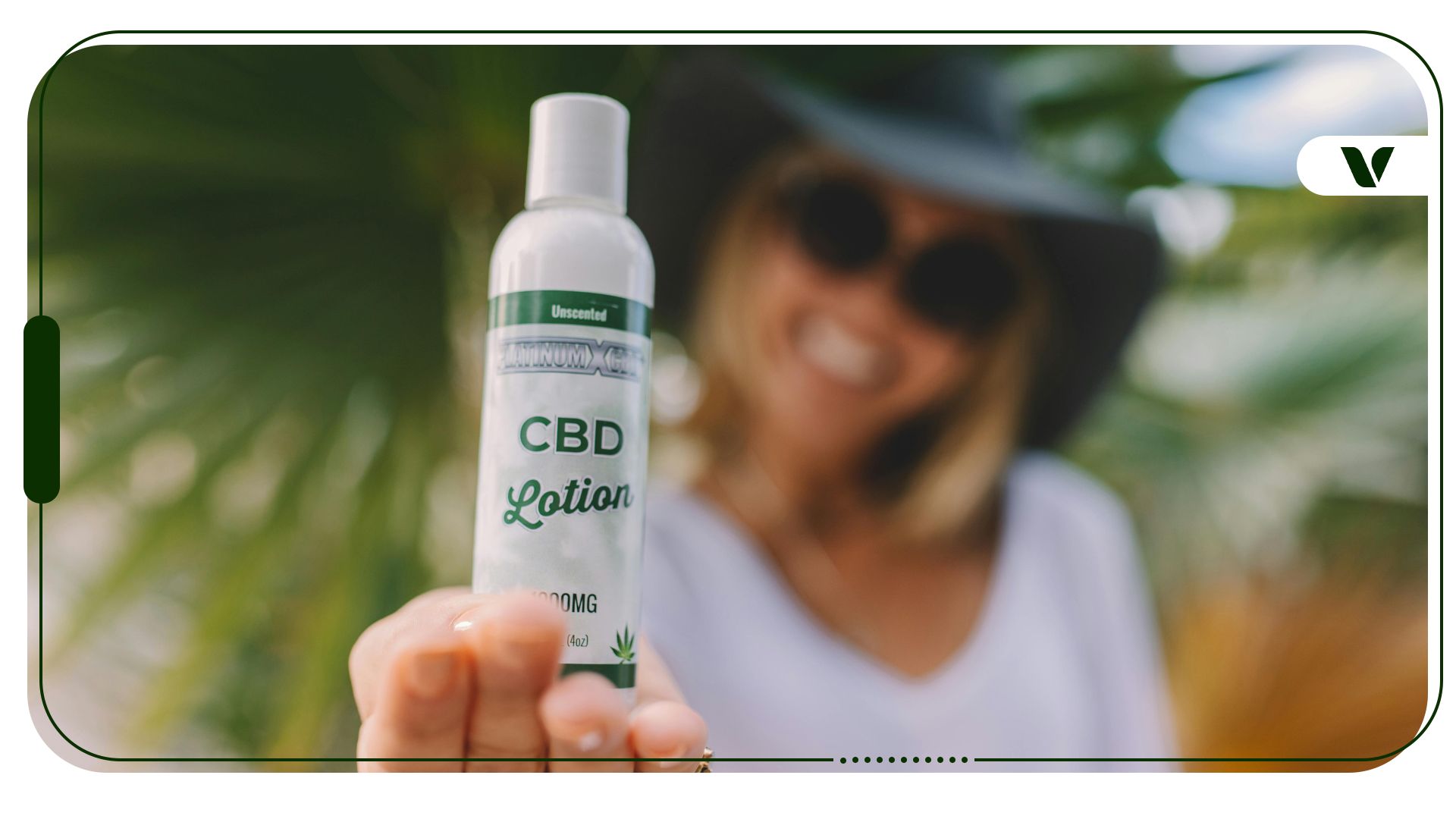
Cannabis topicals like CBD lotion are becoming increasingly popular in the health and skincare industries because of the multitude of benefits they provide. Topical cannabis has been demonstrated to have anti-inflammatory, anti-itching, analgesic, wound healing, and anti-proliferative effects on the skin. This means that CBD-infused creams are helpful for quick and long-lasting relief from localized pain, inflammation, and breakouts (yes, even breakouts). They can also be used for skin conditions like dermatitis, psoriasis, and eczema.
If you want to harness CBD’s anti-aging, anti-bacterial, anti-inflammatory, and other enriching properties without breaking the bank, you’ve come to the right place. We’re showing you how to make CBD lotion at home the proper way— from sourcing your ingredients to storing it correctly and everything in between.
CBD creams and lotions don’t require a long list of difficult-to-source ingredients. In fact, it takes just five, easy-to-find components:
An oil base: The oil base you use affects the texture of the resulting CBD lotion. Oils like sunflower, almond, and apricot oil produce a light texture. Denser bases like jojoba, argon, and coconut oil produce a thicker, cream-like consistency
CBD oil: The amount of CBD oil used determines the potency of the lotion
An emulsifying agent like cocoa butter or shea butter
Water: Mineral, distilled, or spring water can be used
Aloe vera gel
For a basic version of CBD lotion that makes about 18 ounces, we suggest trying this recipe:
½ cup of coconut oil
2 tsp of concentrated CBD oil or tincture
½ cup of shea butter
About ¾ cup of spring water
⅓ cup aloe vera gel
2 tbsp vegetable glycerine (optional)
Fragrant essential oil (optional)
You can easily modify this versatile formula—by adding fragrance, changing your base oil, or including other beneficial supplements—to suit your exact preferences and needs.
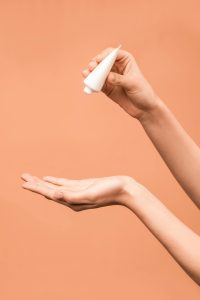
To make CBD lotion using our suggested recipe, follow these steps:
Fill a water bath with up to 2 inches of water. and heat it over low to medium heat.
Place a heat-proof bowl in the water bath and add the shea butter and coconut oil.
Melt the shea butter and the coconut oil until the mixture fully blends. Make sure to stir frequently to avoid scorching.
Turn off the heat, and transfer the melted oil to a glass container to cool for about one hour. If necessary, use a spatula to scrape down the oil on the sides of the container.
Add the melted oil, aloe vera gel, vegetable glycerine, CBD oil, and your desired amount of essential oil (if using) into a blender or hand mixer.
Blend all the ingredients into the emulsion until there is a whipped consistency.
Pour the resulting lotion into a tight-fitting jar for storage. When the lotion is cooled and hardened, it is ready for use.
READ: CBD Skincare: Moisturizers and Serums for Healthier Skin
This lotion can last for up to two weeks without refrigeration. Because the lotion is made from natural ingredients, it can expire. In order to extend its shelf life, you can:
Store in a cool and dry place like a pantry
Keep it away from heat
Add vitamin E
Refrigerate it in an air-tight container for up to one month
The amount of CBD you choose to add to your lotion will depend on how potent you’d like it to be. Cannabis Infusion Calculators like this one can help you determine exactly how much CBD to add to your lotion based on the amount of oil base you’re using and how potent you’d like the end result to be.
You can use CBD in a number of ways— orally, topically, or via inhalation. When applied topically using a CBD-infused lotion or cream, it provides localized relief directly to the skin.
CBD creams are best used on localized areas of pain or discomfort, where you may be experiencing muscle soreness, stiffness, or inflammation. It can also be used on trigger points or areas of the body where you regularly experience discomfort before pain has started. When using CBD creams as part of your skincare routine, you can apply them all over, avoiding the eyes and mouth and focusing on any areas of dryness or irritation.
Yes. CBD oil can be added to existing products or used as a base in a homemade variety. When selecting a CBD oil, look for one that is pure and uncut, and preferably formulated for topical use.
CBD lotion can be made using the process and recipe described above. If you are short on time, you can make a simpler version by mixing CBD oil or tincture with an existing product, although it may not be as effective.
When using CBD for skin concerns, it should be applied topically. Be sure to cleanse the area with soap and water before applying the product. Massage it into the skin until fully absorbed at least twice daily for best results.
While it is possible to make CBD at home, it is a complex process that involves several steps and often results in a product that is less potent and pure than those made in a commercial facility. We have a step-by-step guide to making CBD tinctures here, but for those who are less certain of their ability to follow the steps precisely, we suggest buying a pre-made oil or tincture.
Typically, it takes between 15 and 45 minutes for the effects of CBD lotion to kick in. The exact amount of time it will take for you to feel its effects depends on a number of factors, from body chemistry to the severity of pain to the potency of the product. Most users report that they experience the best results when they’ve used CBD-infused products consistently over time.
For topical CBD products, hemp oil, coconut oil, and avocado oil are the best carriers. These three stand above the rest because they nourish the skin with added benefits, and their chemistry helps the body absorb CBD easily and quickly.
It’s important to remember that CBD effects can be subtle and will often build up over time. However, reduced pain and inflammation in frequently uncomfortable areas and improved skin conditions (like a reduction in eczema flares or fewer breakouts) are easy ways to know your topical is doing its job.
Sign up for our newsletter
Learn the process in your state
All Rights Reserved Veriheal Inc. ©
Terms Privacy Policy Advertising Agreement Content Disclamer

Get your medical marijuana card today
Sign up in under 5 minutes
Start By Selecting Your State
 Alabama
Alaska
Arizona
Arkansas
California
Colorado
Connecticut
Delaware
Florida
Georgia
Hawaii
Idaho
Illinois
Indiana
Iowa
Kansas
Kentucky
Louisiana
Maine
Maryland
Massachusetts
Michigan
Minnesota
Mississippi
Missouri
Montana
Nebraska
Nevada
New Hampshire
New Jersey
New Mexico
New York
North Carolina
North Dakota
Ohio
Oklahoma
Oregon
Pennsylvania
Rhode Island
South Carolina
South Dakota
Tennessee
Texas
Utah
Vermont
Virginia
Washington
West Virginia
Wisconsin
Wyoming
Puerto Rico
Alabama
Alaska
Arizona
Arkansas
California
Colorado
Connecticut
Delaware
Florida
Georgia
Hawaii
Idaho
Illinois
Indiana
Iowa
Kansas
Kentucky
Louisiana
Maine
Maryland
Massachusetts
Michigan
Minnesota
Mississippi
Missouri
Montana
Nebraska
Nevada
New Hampshire
New Jersey
New Mexico
New York
North Carolina
North Dakota
Ohio
Oklahoma
Oregon
Pennsylvania
Rhode Island
South Carolina
South Dakota
Tennessee
Texas
Utah
Vermont
Virginia
Washington
West Virginia
Wisconsin
Wyoming
Puerto Rico