Your medical cannabis journey simplified: find partnered dispensaries, explore pricing options, earn rewards, and get answers to FAQs, all in one spot.
Your favorite flower or cannabis concentrate very most likely came from a female cannabis plant. Why? Female plants produce the terpene– and cannabinoid-rich flower that’s sold or used to make concentrates. So, what good are male cannabis plants if the females have all the prized stuff? We’ll tell you all about it in this male cannabis guide.
What’s the Male Cannabis Plant?
Male plants are the pollen-making and -spreading half of the cannabis species. Pollen fertilizes the female plants, enabling them to generate seeds that you can plant to grow a fresh batch of cannabis.
How Do Male Cannabis Plants Look?
At a glance, a male cannabis plant may resemble its female counterpart, but on closer inspection, they are quite different. Adult male plants are typically taller, slimmer, less coated with trichomes, and more sparsely leafed than female cannabis plants. However, its biggest visual difference is the lack of flowers (buds) and a cola – the large flower that sprouts at the crown of female plants.
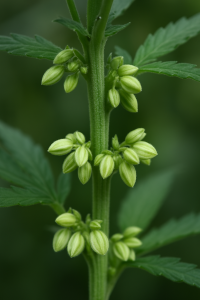
Instead of flowers, male cannabis plants sprout round pollen sacs around where the leaves meet the stems (the nodes). These pollen sacs swell as the plant matures and finally burst open to release pollen into the air. The pollen can travel miles on the wind to fertilize nearby female cannabis plants. Said pollen can also travel on clothing, animal fur, and various surfaces to reach females.
Why Male Cannabis Plants Don’t Get Much Love
Besides not sprouting terpene- and cannabinoid-rich flowers, male cannabis plant leaves and stems aren’t as loaded with cannabinoids. Its lower cannabinoid and terpene levels make male plants less attractive to those growing cannabis for recreational or medical purposes.
But that’s not all. Female plants fertilized by pollen from male cannabis plants can’t grow the much-sought-after flowers. Once fertilized, the females divert their energy from growing trichome-coated flowers to producing seeds. If you’re a cannabis farmer or hobbyist, this can be highly problematic and frustrating.
One male cannabis plant can generate enough pollen to compromise most of a field of female crops, depending on how the wind blows. It’s why growers closely monitor crops to ensure male plants aren’t growing among their females. It’s also the reason many cannabis farmers prefer indoor farming, which provides a controlled environment that keeps out airborne pollen.
How Do Male Cannabis Plants Fertilize Females?
Male cannabis plants typically start releasing pollen around 4 to 6 weeks after sprouting. At this age, the randy male’s goal is to knock up as many females as it can reach. All it takes is one tiny speck of pollen to finish the job, and pollen can remain viable in the air for 2 to 3 days in warm and humid weather.
Female plants typically become receptive to pollen around 8 to 12 weeks after sprouting. These females have pistils, which are slightly sticky to catch any passing pollen. Caught pollen travels down the pistil to fertilize the ovule and trigger seed production. Without pollination, female plants will remain chaste and grow potent, seedless buds (sensimilla).
Invaluable Uses and Benefits of Male Cannabis Plants
While male cannabis plants get a bad rep for ruining crops, they are nonetheless essential for cannabis cultivation. Here are just some of the many priceless benefits and uses of male plants:
Seed Production
Pollen from male cannabis plants is essential for natural seed production. Without male pollen, female plants won’t undergo fertilization and produce seeds. And without seeds, growing the next generation of cannabis plants becomes difficult.
New Strain Creation
Most of your favorite cannabis strains aren’t naturally occurring. They were made by cross-breeding compatible strains to make something new and unique. For example, Super Lemon Haze is a Sativa-dominant hybrid made by crossing Lemon Skunk and Super Silver Haze.
See If You Qualify For Medical Marijuana -Select Your State!
Select Your State
Alabama
Alaska
Arizona
Arkansas
California
Colorado
Connecticut
Delaware
Florida
Georgia
Hawaii
Idaho
Illinois
Indiana
Iowa
Kansas
Kentucky
Louisiana
Maine
Maryland
Massachusetts
Michigan
Minnesota
Mississippi
Missouri
Montana
Nebraska
Nevada
New Hampshire
New Jersey
New Mexico
New York
North Carolina
North Dakota
Ohio
Oklahoma
Oregon
Pennsylvania
Rhode Island
South Carolina
South Dakota
Tennessee
Texas
Utah
Vermont
Virginia
Washington
West Virginia
Wisconsin
Wyoming
Never miss a post
Get updates on cannabis culture, new research, and expert insights
Making hybrid strains typically involves selecting a male plant from one strain and a female from another. Breeders take the male’s pollen and fertilize a female to produce seeds that carry traits from both parent strains. The resulting strain typically undergoes refinement over generations to enhance desirable features like aroma, potency, pest resistance, or reduced flowering time.
Hemp Fiber Production
Male plants are typically taller and have fewer branches than their female counterparts, making them ideal for fiber production. Hemp fibers, known for their strength and versatility, come from the plant’s long, sturdy stalks.
Manufacturers can turn these fibers into products like textiles, rope, and paper. They are also great for creating eco-friendly building materials like hempcrete, which is more energy-efficient and sustainable than concrete.
Tinctures, Topicals, and Infusions
Male plants contain small amounts of cannabinoids in their leaves and other parts. You can use these plant parts to make low-potency tinctures, teas, or oils. These cannabis-infused products are ideal for users looking for gentle cannabinoid effects, like light relaxation without a strong high.
You can also use parts of the male plant to make topical creams or salves for localized relief. Even though they have lower potency, you may still experience anti-inflammatory and soothing benefits from applying such products to your skin.
Are Male Plants Completely Useless for Recreational or Medical Use?
Male cannabis plants have some recreational and medicinal value. After all, they still contain your favorite terpenes and cannabinoids (like CBD and THC), just in smaller quantities than their female counterparts.
As such, smoking or vaping dried and cured male cannabis can still get you high or even relieve pain, especially if it’s a potent strain. You’ll just need more puffs or a higher dose than if you consumed a female plant.
Besides smoking or vaping, you can experience the cannabinoids in male plants by making oils, tinctures, teas, edibles, and other infusions with the leaves. In fact, some manufacturers use male cannabis to make low-THC products that deliver therapeutic effects without the intensity of higher-THC products.
Do Cannabis Plants Have Other Genders Besides Male and Female?
Cannabis plants are as LGBTQ as it gets. Besides male and female, you can find non-binary variants, like intersex and hermaphrodite plants. Let’s take a quick look at the other cannabis plant genders.
Hermaphrodites
Hermaphrodite cannabis plants are blessed with both male and female reproductive organs, enabling them to self-fertilize. They can also fertilize nearby female plants exposed to their pollen.
Intersex Plants
These plants are similar to hermaphrodites because they have male and female organs. However, unlike hermaphrodites that grow full male and female parts, intersex plants look mostly female but with some unexpected male features, like pollen sacs. Like hermaphrodites, intersex plants can produce pollen to fertilize themselves and nearby female plants.
Feminized Plants
Feminized plants are bred to produce seeds that grow only female plants. They are made by forcing a female plant to produce pollen for fertilizing other females. The fertilized females produce feminized seeds, which grow into only female plants. Growers aiming for high-THC flowers use this tactic to eliminate the risk of accidentally growing male plants that could ruin their crop.
Tobi Moyela is an avid cannabis enthusiast who enjoys creating helpful, educational content that helps others better understand cannabis, especially its potential uses and benefits. When he's not researching or writing for brands, you can find him watching anime, cooking, or reading his latest fiction finds.
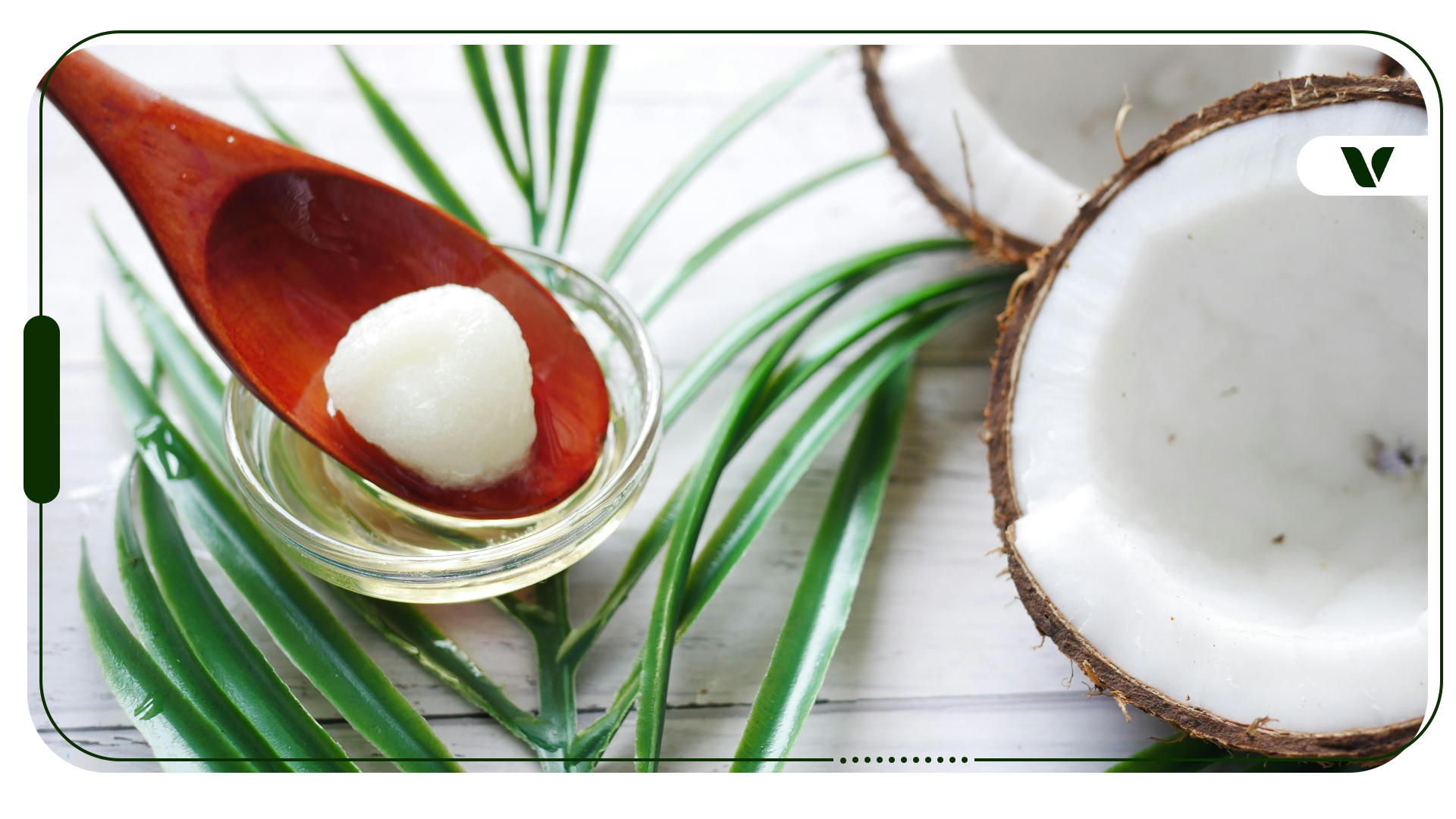
Cannabis coconut oil offers an easy, flexible way to create and use infused cannabis at home. People choose it for edibles, beverages, and topical products because its high fat content supports efficient absorption and longer-lasting effects. Many people choose cannabis coconut oil as a smoke-free option that can offer predictable dosing and dietary flexibility. When…
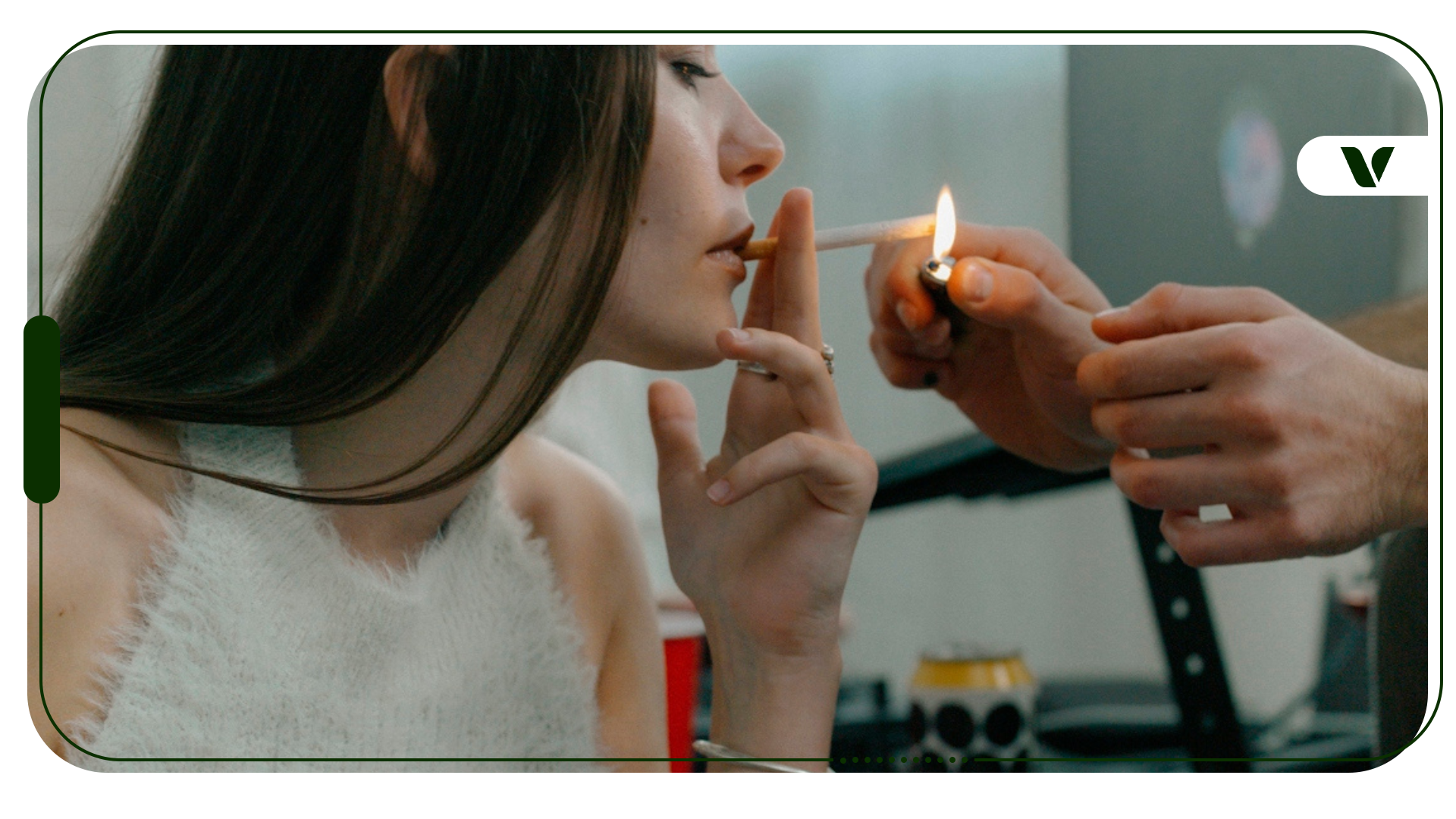
Lubricants reduce friction, increase pleasure, and decrease discomfort during sexual activities. They come in water-based, oil-based, or silicone-based varieties to meet customers’ varied needs. But did you know that cannabis-infused lubricants (also known as lube) are also options on the market? Made with tetrahydrocannabinol (THC), these products combine the typical lube experience with the effects…
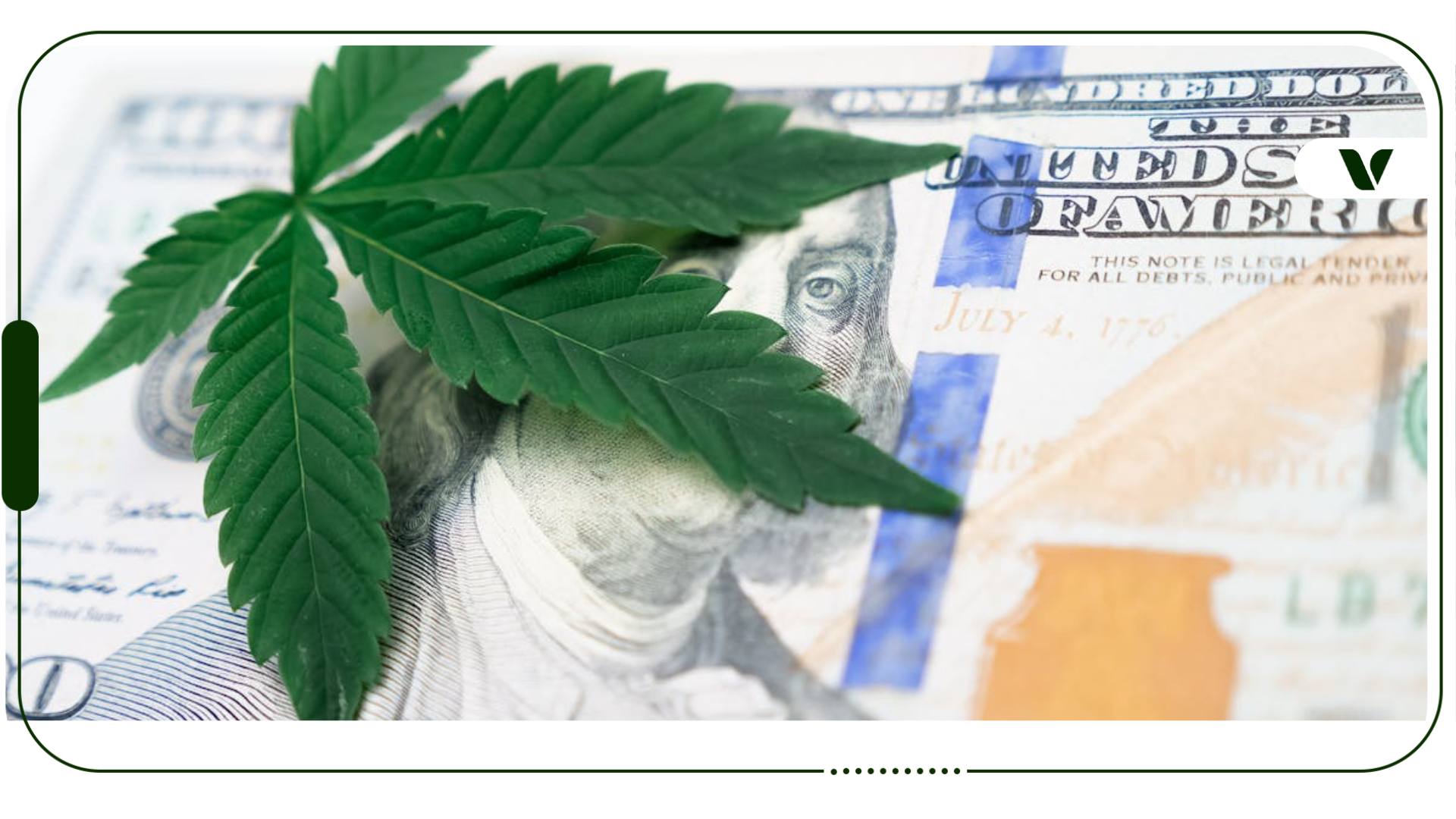
In the decades before marijuana legalization began to spread across the United States, the legacy market (formerly known as the black or illicit market) was the go-to place for people to purchase cannabis. It was an industry filled with people from all walks of life, who partook for an even wider variety of reasons. Some…
Once upon a time, the pen was mightier than the sword. These days? It’s mightier than the blunt. That’s how the humble vape pen earned its modern title of the “Penjamin.” It’s a distinguished moniker catching on among a new generation of cannabis enthusiasts. But what exactly does Penjamin mean, and is there more to…
Late last year, language banning the majority of hemp-derived THC products on the market was tucked into a spending bill signed off on by Trump. The bill passed after the longest government shutdown in history. While many people were glad to see the government return to action, many others feared for their businesses, livelihoods, and…
The statements made regarding cannabis products on this website have not been evaluated by the Food and Drug Administration (FDA). Cannabis is not an FDA-approved substance and is still illegal under federal law. The information provided on this website is intended for educational purposes only and is not intended to diagnose, treat, cure, or prevent any disease. It is not intended as medical advice and should not be considered as a substitute for advice from a healthcare professional. We strongly recommend that you consult with a physician or other qualified healthcare provider before using any cannabis products. The use of any information provided on this website is solely at your own risk.