Your medical cannabis journey simplified: find partnered dispensaries, explore pricing options, earn rewards, and get answers to FAQs, all in one spot.
Addictive substances have never been out of the realm of the classic American convenience store and gas station mini-mart. These ubiquitous neighborhood staples have always readily served up alcohol and nicotine products—two substances that are leading causes of preventable death, yet are always accessible.
So it shouldn’t come as a surprise that American capitalism, in the face of dangerously addictive substances, always comes out on top. Now, even more harmfully unregulated substances are readily available at a neighborhood gas station, vape store, or corner market store near you! Names like ‘Gas Station Heroin’ and ‘Tia’ nab the headlines, but what actually are these drugs, and how bad can they mess your life up?
Why Do People Seek Out Gas Station Drugs?
The catchall term, ‘gas station drugs, ’ means any unregulated, over-the-counter product, usually claiming to be a health supplement or mood booster. Manufacturers typically produce these drugs as pills or powders, and some even package them as beverages stocked in the cooler alongside sketchier energy drinks.
There’s a natural intrigue involved when products have a reputation for potentially helping with pain or providing a possible boost. The demographic includes everyone from underage kids chasing a buzz to people legitimately seeking relief.
The unfortunate reality of the world we live in is one with very high substance abuse rates. A lot of people use different types of gas station drugs in the hopes of getting off of supposedly harder drugs like methamphetamine and opioids like fentanyl, heroin, or oxycodone. The hope is that users will ‘taper off’ and eventually stop using. The common reality is, however, that users are becoming dangerously addicted to these gas station drugs instead of the others they’re trying to kick.
What Are Some Common Gas Station Drugs?
Cappuccino-flavored potato chips aside, shady stuff at mini-marts has always been around. K2—aka Spice—the controversial synthetic cannabinoid based substance kicked all of the madness off over 20 years ago. Bath salts, at one point, also ranked as the hottest gas station drugs. The peak of their popularity was when a Florida man on bath salts ate another Florida man’s face off—ah, 2012, how much we miss ye!
Reports indicated these drugs contained an unregulated and random array of synthetic compounds, causing any number of acute and long-term physical and mental health symptoms. The bad rap and news stories ultimately shifted these drugs from behind the counter of many stores and into ‘inquire within’ status. The new gas station bad boy eventually became Delta-8 weed, and its chemically processed, ‘something’s kinda off’ type of high. However, there are other, even more dangerous substances currently available at many stores, and as it turns out, they’re worse news than the National Enquirer.
What Is This Tieneptine Stuff I Keep Reading About?
Politicians and news reports often speak of a product called ‘gas station heroin’ wreaking havoc on public health. This drug is formally known as tianeptine—nicknamed Tia—and it’s been used to treat depression in other countries for quite some time. In the U.S., lawmakers are making efforts to have Tia put on the list of federally illegal Schedule I drugs, while individual states are making their own rules concerning the drug. It’s currently sold as a substance capable of boosting brain functionality, known as a nootropic.
Consumers asking the clerk to grab a short, shot-sized bottle of tia from behind the counter is the first gamble—many producers commonly include mysterious ingredients in varying amounts. What follows could be the biggest risk—hopeless addiction.
Photo Credit: iStock
The Addictive Nature of Opioids Continues with Tia
Doctors in other countries typically prescribe a 12.5mg dose of tia 3 times a day—exceeding these doses is when the real narcotic feelings come on, paving the way for potential addiction fueled by unregulated and unknown potencies. The word ‘heroin’ gets thrown around with tia because it isn’t anything like a typical antidepressant—it’s actually a full-blown opioid similar to morphine.
Researchers initially discovered a potential for tia to promote neuroplasticity in the brain; however, further research confirmed that it activates the same pleasure-reward-addiction receptor as many opioids, including morphine, oxycodone, and fentanyl. The FDA has outlined some potential withdrawal symptoms associated with quitting tia—many symptoms are on par with ridiculous disclaimers of pharmaceutical product TV ads. Side effects may include: craving, sweating, ‘goose flesh’, diarrhea, and myalgias. Those symptoms confirm that withdrawal is a side effect, so should we cue the singing, dancing, and elderly couples in outdoor bathtubs?
Neptune’s Fix is one brand known to include a varying mix and ratio of tia, but also other compounds that may consist of cannabinoids. One bad batch of Neptune’s Fix spread through parts of New Jersey in 2023, sending 13 of 17 patients with adverse effects into intensive care. A death as a result of Neptune’s Fix recently occurred in June of 2024.
Why Do People Take Tia?
Tia has been doing damage on American shores since the turn of the century; however, a 2014 study perhaps unintentionally spurred the uptick over the last decade. The study confirmed the viability of tia to work the same receptors as an alternative to other common opiates. A published peer-reviewed article from 2021 analyzed 210 Reddit social media posts that mentioned tia from 2012-2020—here are some of the findings:
Tia is primarily used as an opioid, antidepressant, and brain booster.
Motivations for using tia include: tapering off and substitution from other drugs (including kratom), self-treatment for mental issues, and desire for a better quality of life.
Comments regarding the positive effects of tia gradually reduced between 2014–2020.
Mentions of harmful effects, addiction, and withdrawal increased during the same time.
These days, subreddits like r/QuttingTianeptine foster a community built on helping each other beat addictions to the drug. General information on the homepage includes valuable experience and insights related to abstinence, withdrawals, and other frequently asked questions.
Kratom Is the Most Well-Known Gas Station Drug
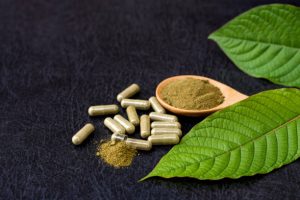
Kratom is a centuries-old compound naturally derived from the leaves of a Southeast Asian tree. Those leaves contain over 40 different alkaloids, one of which, mitragynine, interacts with the same opioid receptors as tia, while another—7-hydroxymitragynine (7-OH)—may also contribute to feelings of dependency and withdrawal. Consumers of kratom in Asia often brew fresh leaves from the Mitragyna speciosa tree into a tea, while internationally, kratom typically takes the form of a greenish powder taken orally in several different ways.
See If You Qualify For Medical Marijuana -Select Your State!
Select Your State
Alabama
Alaska
Arizona
Arkansas
California
Colorado
Connecticut
Delaware
Florida
Georgia
Hawaii
Idaho
Illinois
Indiana
Iowa
Kansas
Kentucky
Louisiana
Maine
Maryland
Massachusetts
Michigan
Minnesota
Mississippi
Missouri
Montana
Nebraska
Nevada
New Hampshire
New Jersey
New Mexico
New York
North Carolina
North Dakota
Ohio
Oklahoma
Oregon
Pennsylvania
Rhode Island
South Carolina
South Dakota
Tennessee
Texas
Utah
Vermont
Virginia
Washington
West Virginia
Wisconsin
Wyoming
Never miss a post
Get updates on cannabis culture, new research, and expert insights
Photo Credit: iStock
Why Do People Use Kratom?
Kratom is similar to other unregulated gas station drugs in that it’s used by consumers for a variety of self-treatments, including:
Chronic pain
Psychiatric help
Substance Use Disorder
Mitigating opioid withdrawal symptoms
According to one published study that analyzed several different self-reporting surveys, animal studies, and case reports, one of the biggest reasons for kratom consumption is its array of alert-inducing effects compared to energy drinks. People also potentially take kratom to provide everyday therapeutic functionality and tranquility.
What Are The Side Effects of Kratom Use?
The same study also analyzed data, establishing that kratom withdrawal symptoms can start in as little as a day. Researchers analyzing surveys concluded that kratom is mildly addictive, and withdrawal symptoms are more likely for consumers with opioid use disorder (OUD) who manage withdrawal from opioids with kratom.
The authors of the study also mention that smaller sample sizes of some of these surveys were a factor; however, the findings matched results from inpatient drug treatment programs, clinical data, and international studies. Unregulated kratom may also contain excess levels of alkaloids with a potency that can also trigger dependency much sooner. The biggest side effect of kratom is, of course, death—the CDC reported Kratom to be the cause of death in 91 out of 152 Kratom-related health emergencies, 7 of which no other substances were found in postmortem toxicology reports.
Synthesized 7-OH Just May Be the Most Addictive Gas Station Drug
7-OH, as mentioned, is an alkaloid naturally found in kratom—typically at less than .05%. Synthetic 7-OH is a gas station drug version of the naturally-derived compound from the mitragyna speciosa tree’s leaves. Animal studies conducted in 2017 demonstrated that 7-OH is astoundingly 13x more potent than morphine, and 46x more potent than mitragynine. People purchase and consume 7-OH in several different forms.
Wellness capsules and tablets
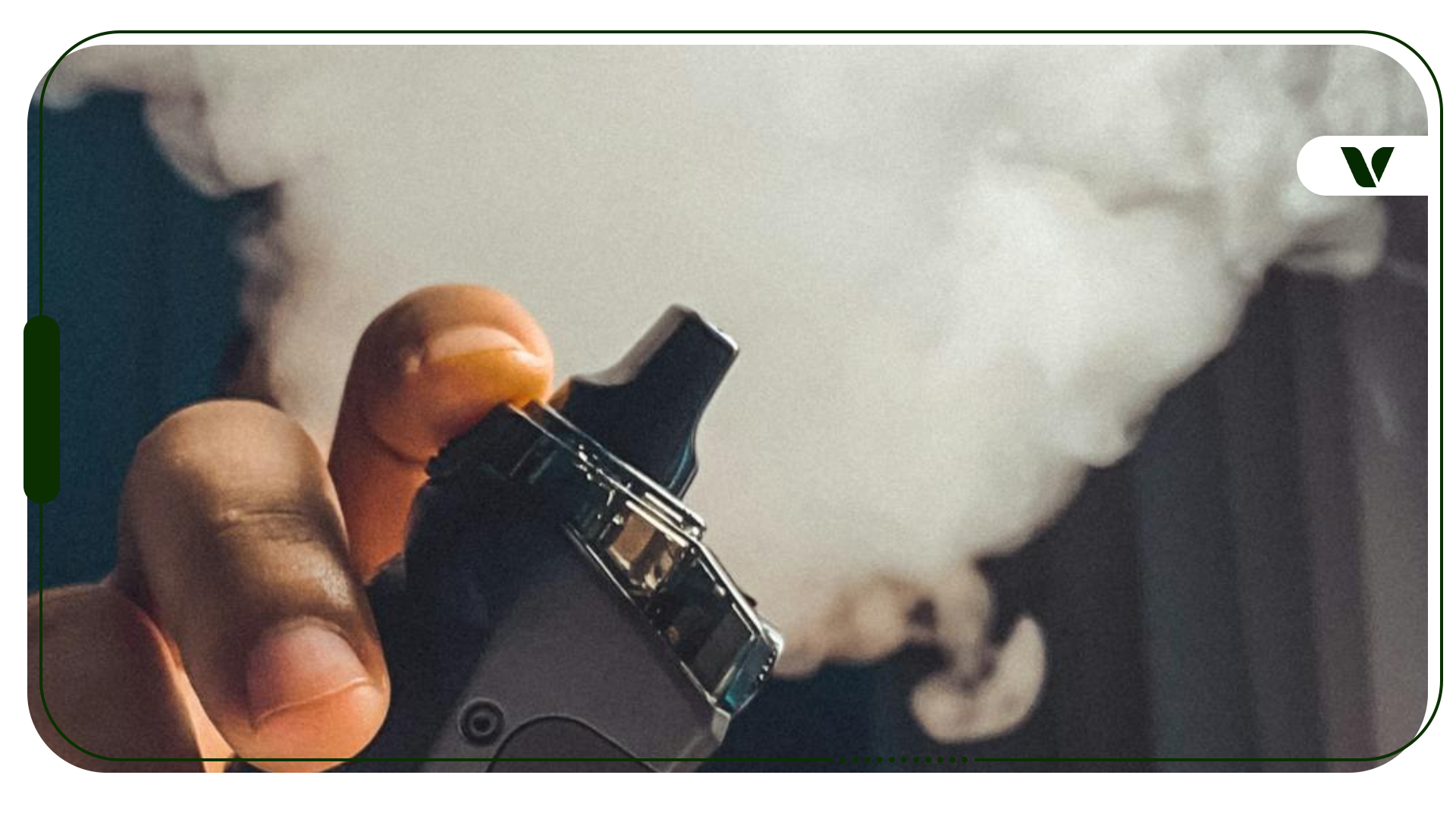
Vape pens and cartridges
Cannabis edible-like gummies
Drinks resembling shots and energy drinks.
Let’s digest this statistic for a moment—the insane potency found in 7-OH products potentially has a massively more severe rate of potential dependency and withdrawal than that of even morphine and fentanyl—and can be bought by anyone right at the local corner store. This phenomenon practically begs for federal intervention, right?
Trump Administration & Potential Federal Ban on 7-OH
The Food and Drug Administration (FDA)—overseen by notorious disinformationist Robert Kennedy, Jr.—has recently postured to schedule 7-OH as a Schedule I drug devoid of therapeutic value. Kennedy’s intention to “Make America Healthy Again” is rife with more disinformation in several months than perhaps any other Health and Human Services (HHS) tenure ever.
A lot of the statements made by Kennedy, the FDA, and the HHS must typically be processed through a bullshit filter more than ever since the current presidential administration is seemingly intent on misleading the majority of Americans in the name of some type of unfolding authoritarian agenda. This misinformation even includes dangerous substances like 7-OH. There are no official deaths as a result of 7-OH alone, while kratom has seen over 200 deaths linked to it.
This statistic still hasn’t stopped the FDA from announcing an imminent public health crisis regarding the substance, sans any robust public evidence or health experts’ opinions. The speculative nature of the announcement is certainly not unwarranted—studies demonstrate 7-OH’s undeniably heavy potency, dependency, and withdrawal potential.
Are Lobbying Organizations At Work When It Comes to a 7-OH Ban?
The rescheduling process, historically, hasn’t worked this way—it also involves outside input. Such reluctance from the FDA regarding expert data and findings fuels accusations of influence by lobbyists. Lobbyists, such as the American Kratom Association, may influence the final say on 7-OH with their lobbying efforts—aka contributions to legislators’ reelection campaigns.
Kratom lobbies have successfully worked to ban 7-OH in several different state legislatures, prompting the concern that the FDA seems more focused on industry competition in the gas station drug game than actual public health concerns. Despite the direct evidence of deaths related to kratom, there has been no real talk by the FDA regarding a ban on it. It’s in these moments that consumers must reflect on the fact that, at this stage in American democracy and capitalism, just about everything’s for sale—even our public health.
Cannabis Has & Always Will Be A Safer Choice
Look, we’re not here to fear-monger, but smoking weed or taking edibles for potential therapeutic relief has never caused an overdose death. Dependency on cannabis happens, but when it does, there’s no comparison to the physical and mental anguish of opioid withdrawal. We at Veriheal are obviously partial to cannabis for a variety of potential benefits, but the reasons for doing so are also scientifically founded.
Legal and medical marijuana gets tested and regulated for safety. Studies also report that it helps with several ailments, including chronic pain. Substances like tia, kratom, and 7-OH feature the same type of pain relief found with opioids; however, the bugs of the feature—dependency and withdrawal—far outweigh the benefits. The next time you head to the gas station, just grab a pack of natural rolling papers along with a regrettable snack—let the super addictive stuff collect dust behind the counter.
Note: The content on this page is for informational purposes only and is not intended to be professional medical advice. Do not attempt to self-diagnose or prescribe treatment based on the information provided. Always consult a physician before making any decision on the treatment of a medical condition.
Anthony DiMeo is a Southern New Jersey-based journalist and cannabis advocate whose work and advocacy have been featured in Leafly, DOPE Magazine, and the Philadelphia Inquirer. Hobbies include navigating interdimensional psychedelic energy vortexes and tennis.
In the confusing landscape of state-by-state medical marijuana legalization and federal prohibition lies a patient’s pursuit of a better quality of life, balanced with an unrestricted financial livelihood. In workplaces across many different medical marijuana legal states, no law guarantees that a valid, card-carrying MMJ patient status exempts an employee from termination or discrimination stemming…
It feels like every other day, a fresh slang term pops up in the cannabis lexicon, and today, we’re looking at an entry that’s all over TikTok and Reddit – Yart! Spoiler alert: it has everything to do with the humble vape cart (and how challenging it is to talk about cannabis on social media). …
The final stage of life often brings profound challenges for both patients and their families. For patients in hospice and palliative care, common symptoms not only affect the physical body but also their mental well-being. While traditional medications may dull pain, they often come with heavy sedation, confusion, and loss of clarity. Fortunately, medical cannabis…
The old “lazy stoner” stereotype is quickly fading. We now see bodybuilder moms using cannabis for better sleep, runners getting in the zone with the help of weed, and many other examples of cannabis being used in ways that counter the unmotivated stereotypes of the past. As legal access to the plant increases, more people…
If you’re planning to get a medical marijuana card in 2026, you might be wondering whether you need to meet with a certified cannabis doctor—either online or in person. Still, finding a qualified medical marijuana doctor near you can feel overwhelming and confusing if you’re not sure where to start. This guide shows you exactly…
The statements made regarding cannabis products on this website have not been evaluated by the Food and Drug Administration (FDA). Cannabis is not an FDA-approved substance and is still illegal under federal law. The information provided on this website is intended for educational purposes only and is not intended to diagnose, treat, cure, or prevent any disease. It is not intended as medical advice and should not be considered as a substitute for advice from a healthcare professional. We strongly recommend that you consult with a physician or other qualified healthcare provider before using any cannabis products. The use of any information provided on this website is solely at your own risk.